Showing posts with label Urban. Show all posts

Thursday, 6 January 2022

Looking Ahead: Cities in the Next Decade

rainy view from Granville Island Hotel

With over 80% of the Canadian population now living in urban areas, how we design, build, and live in our cities has a significant impact on the environment. Cities can lead the way in addressing climate change or lag behind. We’ve found a number of reports and examples of how cities can successfully address climate change. 

A Changing Climate 
“The climate determines almost everything about how we design, build, and live in our cities. The streets and sidewalks, businesses and homes, parking lots and public transit that we use every day have been created to suit our climate. Now, with our climate changing, we need to re-think important aspects of how we live our urban lives.” [Canadian Cities and Climate Change, Climate Atlas of Canada] 
The Prairie Climate Centre’s interdisciplinary team are climate change storytellers. They’ve developed Building a Climate-Resilient City, a set of 9 reports on how we can set about building climate-resilient cities. Specifically addressing the concerns of Calgary and Edmonton, the reports cover economics and finance, agriculture and food security, urban ecosystems, transformational adaptation, transportation infrastructure, water supply and sanitation systems, electricity and information and communication technology infrastructure, the built environment, and disaster preparedness and emergency management. In addition to providing an overview of the issues, the reports share ideas and approaches that can be implemented immediately to bring about meaningful climate action in the face of a changing climate. 

Nature-based Solutions 
The Green Communities Guide from Alberta’s Land Stewardship Centre is designed to help communities plan and implement nature-based solutions and strategies to conserve water, protect water quality, preserve agricultural land, and protect critical open spaces and wildlife habitat. Nature-based solutions are actions designed to protect, manage, and restore natural ecosystems in ways that benefit both humans and biodiversity as a whole. The online guide outlines the benefits of nature-based solutions for communities, businesses, and nature, providing case studies and tools to assist with financing, recommended practices, and other practical considerations. 

Sadiq Khan, Mayor of London, England, has introduced far-reaching plans to green his city. They include: 
  • Rewilding parks and other green spaces through reintroducing lost species, rewiggling streams, creating pocket parks, and setting up nest boxes; 
  • Rain gardens, trees, and a reduction of impermeable paving to reduce flash flooding; and 
  • Living roofs and walls. 
An Urban Greening Factor will be part of all new developments. 
“The Urban Greening Factor (UGF) formula, inspired by the Swedish city of Malmö’s ‘green points’ system, scores each part of a development’s plan – including street-level areas, balconies and roofs – from 0 to 1, with trees, planters and green roofs earning high scores, while paving slabs and barren rooftops receive no score. Central government has also set out plans in the Environment Act 2021 to make developments deliver an uplift to biodiversity, which will require a 10% ‘biodiversity net gain’.”
supertrees and flower dome

In 2020 46.5% of Singapore’s land was covered in green space, with a tree canopy percentage of almost 30%. One of the greenest cities in the world, it has over 300 km of green corridors as part of the city state’s Park Connector Network. 

Tackling GHG Emissions 
As part of France’s massive Climat et Résilience bill, property owners are now expected to notify potential buyers of the home’s energy rating. Landlords will be unable to raise the rent on poorly insulated buildings and, by 2025, they will be unable to rent them out. 

Berlin-based activists are pushing hard to eliminate private vehicles in a 55-square mile area of the city centre. There are also plans to reintroduce the tram network and expand the subway system. Ghent’s city centre has been designated a low-emission zone, strictly limiting the number of cars driving through the downtown core. Oslo has removed all on-street parking from its city centre.

 
Nice beach

France plans to ban short-haul flights where a 2.5 hour train journey could be provided as an alternative. Both environmentalists and industry experts say it’s not enough. Too many train journeys are under 2.5 hours and the highest emissions come from long-haul flights. 

Working Together 
What may feel challenging or impossible on our own becomes doable when we band together. 

Transition Streets, a Transition Network program, brings neighbours together to implement simple household changes building community and addressing environmental issues. The 7-session handbook “empowers neighbors to improve household energy efficiency, reduce waste and water use, explore transportation options, and eat healthy, local food.” 

A network of cities, regions, and countries, have pledged to work towards producing everything they consume by 2054 as part of the Fab City Global Initiative. Canadian participants include Montreal and Bas-St.-Laurent. Local projects explore small batch design and production, open source data and technology, and novel materials, processes, and applications. 
“Addressing the regional environmental contamination and global ecological footprints associated with modern urbanisation is a historic challenge. On the positive side, it is in cities that dynamic, new ideas are often generated. In the face of the planetary emergency that is upon us, the challenge is to utilise this creativity to rethink cities as regenerative, environmentally beneficial systems, linking the wellbeing of individual urban citizens with humanity’s collective interest in the health of our home planet. Only by mainstreaming renewable energy resources and by protecting and continuously regenerating the ecosystems and soils from which they draw their sustenance can cities become a viable, long-term home for humanity.” [A New Age, Herbert Girardet, in a special issue of Resurgence & Ecologist dedicated to cities]

Untitled

EcoFriendly Sask supports Saskatchewan environmental initiatives through an online publication, an events calendar, small grants, and the Nature Companion website/app. You can follow EcoFriendly Sask by liking us on Facebook, following us on Twitter, or subscribing by email (top right corner).

Tuesday, 16 November 2021

EcoSask News, November 16, 2021

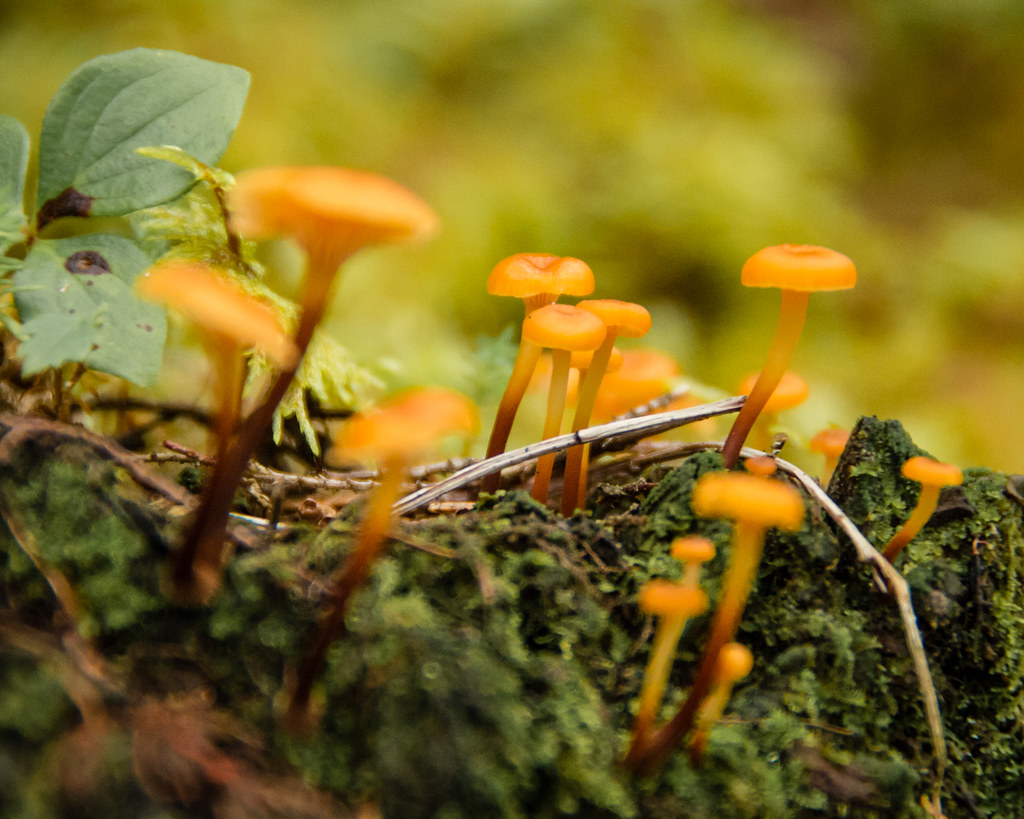
mushrooms

Upcoming Events 
CaféSci Saskatoon is hosting an online presentation on UNESCO Biosphere Reserves: Reconciling people and planet at 7:30 pm, Nov. 23. 

SK-PCAP is hosting a noon-hour webinar on prescribed fire as a conservation management tool on Nov. 30. 

Full details on all upcoming events can be found on the EcoFriendly Sask Calendar 

Climate Solutions 
“Research suggests that there are significant health and learning benefits for students attending green schools: schools that are built to last and fill classrooms with natural light and freshly-circulated air.” Find out more in this 13-minute video. [Sustainable Building Manitoba] 

New Las Vegas golf courses won’t be able to access municipal water. Golf courses in southern Nevada annually consume over 1400 times as much water as a residential home. [Las Vegas Review-Journal] 

Passive solar heating systems could supply enough heat for a third of the residential space in the United States. Skylights, for example, are an untapped resource. [Futurity] 

Washington, DC’s wastewater treatment plant describes itself as a resource recovery facility. “When recycled properly, poop can power your home, cook your food, fuel your car, and even stave off algae blooms and floods.” [Nautilus] 

Is there a case for sucking carbon out of the air? A long, in-depth article explores the pros and cons of this visionary proposal. Is it crucial to our long-term survival or simply a boondoggle to keep big oil in operation? [Mother Jones]
 
shelf fungus

We Can Do Better 
“Sharrows don’t make a road safer — there’s data that they are worse than doing nothing. Drivers don’t understand them. They extend no actual legal benefits to riders. Cities like to install them to seem like they’re doing something. In short, sharrows are bullshit.” [Peter Flax] 

“While governments play a role in certain policies, such as transit and urban planning, consumers can shop their way out of a warming climate … Just make everything last longer and buy less." [CBC]
 
fungus

Mushrooms are Magic 
“All mushrooms are magic … It’s time to say their name by acknowledging them all around - from the dinner table to international conservation policies - and including them in our conception of ecosystems that need to be cherished and protected. Say it with me: the world is inhabited by fauna, flora and funga.” [The Guardian] 

For more information about the all-important presence of fungi in our lives, check out the article we posted last December. [EcoFriendly Sask] 

EcoFriendly Sask supports Saskatchewan environmental initiatives through an online publication, an events calendar, small grants, and the Nature Companion website/app. You can follow EcoFriendly Sask by liking us on Facebook, following us on Twitter, or subscribing by email (top right corner).

Thursday, 14 October 2021

Exploring Your Neighbourhood: Tips for Curious Urban Naturalists

the path to Innovation Place

“I would never dream of walking a woodland pathway or a riverbank or a sweep of Puget Sound shoreline without my binoculars. Now I had declared the sidewalk my path. That meant I had to carry my binoculars everywhere.” (Lynda Lynn Haupt, Crow Planet: Essential Wisdom from the Urban Wilderness) 
We don’t always have the time to visit a wilderness area, but that doesn’t stop us from exploring the nature which is all around us – even in the city. Here are just a few ideas to help you jumpstart explorations of your neighbourhood. 

Macro Explorations 
Invest in a magnifying glass or use the magnifier app on your phone to take a close look at the veins in a leaf, a snowflake, or an insect. 

Explore the cracks in the sidewalk. What plants can you identify? 

Lift up a rock. What do you find underneath? (Be sure to replace the rock once you’ve had a good look.) 

Seasonal Celebrations 
Go for an evening/night walk every month when the moon is full. 

See if you can guess when the first pelicans or other migratory birds will arrive back in your community. Saskatoon residents can participate in the annual Pelican Watch Contest. 

Mark on your calendar the first time you spot a robin, a prairie crocus, or other flowers in the spring. What is the last day you see a robin or prairie flower in the fall?
 
American Robin

Walk Differently 
Take a walk around your neighbourhood looking for natural objects that are somehow alike (the same colour, the same shape). 

Slow down and listen - what can you hear? 

Take a walk at a different time of day – early in the morning or late at night. Look for bats swooping over a river or lake at dusk as they search for insects. 

Take a close look at one or two trees. What kind of tree are they? What lives in the tree (bird nests, moth cocoons, insects, spider webs)? Feel the texture of the bark. 

What birds do you see the most frequently? Choose one and see what you can learn by watching the way it moves. 

Choose a small plot of land (in your garden or a nearby area) and visit it regularly. How many different plants, insects, and other animals can you observe in your small area? How does it change from month to month? What is the soil like? What kind of rocks can you see? Take photographs or record your findings in a journal. 

Draw a map of your neighbourhood and include your favorite natural features – the puddles where the pigeons take a shower, the rowan tree with its bright red berries.
 
berries

Winter Explorations 
Don’t let snow and cold keep you indoors. There are so many ways to enjoy nature in winter – from snowshoeing and winter camping to pishing for chickadees and identifying animal tracks. 

Look for insects in the snow. 

Decorate a Christmas tree for the birds. What birds does it attract? Which treats are the most popular? 

Further Reading 
The Urban Bestiary, Lyanda Lynn Haupt 


Be sure to download Nature Companion, EcoFriendly Sask’s free nature app, to your phone for easy access to information about the plants, trees, or animals you spot on your walks (downloadable directly from the Nature Companion website). 

EcoFriendly Sask supports Saskatchewan environmental initiatives through an online publication, an events calendar, small grants, and the Nature Companion website/app. You can follow EcoFriendly Sask by liking us on Facebook, following us on Twitter, or subscribing by email (top right corner).

Tuesday, 5 October 2021

EcoSask News, October 5, 2021

fox

Upcoming Events 
Find out about all-season composting at an online Regina Public Library presentation at 7 pm, Oct. 7. 

Join Meewasin staff in removing invasive European buckthorn from Saskatoon Natural Grasslands on Oct. 12 or 15 (morning and afternoon sessions). 

The Saskatchewan Association for Environmental Law is holding its annual general meeting online at 7 pm, Oct. 14. 

Library of Things, Saskatoon, will be open for pick-ups by reservation from the back door in the alley from 1-4 pm, Oct. 15. 

Looking Ahead 
The Saskatchewan Environmental Society is offering online training on Nov. 5 & 19 to help non-profits and small businesses operate their buildings more efficiently. 

Full details on all upcoming events can be found on the EcoFriendly Sask Calendar
 
fox

Local News 
Iain Phillips, Saskatchewan’s senior ecologist for aquatic macroinvertebrates, says that climate change and environmental degradation are playing havoc with aquatic insects. “And what happens to the insects he studies can be a valuable early warning sign of environmental problems.” [CBC News] 

The City of Regina is exploring noise reduction options in response to residents’ complaints about noise on the Ring Road. [Global News] 

Making Smart Choices 
“Pumped hydro has an important role to play in the renewable energy transition, but only where projects cause minimal harm to people and nature” [The Conversation] 

In the last 3 years, 10% of Vancouver’s building permits were in areas prone to flooding. Warmer temperatures will strain electrical distribution systems and transportation systems throughout the country. We need to publicize the risks, build for resilience, and take climate change into account [Canadian Institute for Climate Choices] 

Bad for us and bad for the planet – traces of 122 different pesticides in the 12 most polluted fruit and vegetable products, many with links to cancer and groundwater contamination [The Guardian] 

Canadians who purchase cheap fast fashion from online retailers may be exposing themselves to potentially toxic chemicals. For example, a jacket for toddlers contained almost 20 times the amount of lead that Health Canada says is safe for children [CBC Marketplace] 

An international review of the cruise ship industry “finds that cruising is a major source of environmental pollution and degradation, with air, water, soil, fragile habitats and areas and wildlife affected” [Science Daily]
 
pigeon

Read, Watch, and Play 
A Pocket Guide to Pigeon Watching: Getting to Know the World’s Most Misunderstood Bird by Rosemary Mosco is “part field guide, part history, part ornithology primer, and altogether fun” [Saskatoon Public Library] 


11 new bird- and nature-themed books for kids – from hummingbird migration to dandelion seed travels and piping plover parents [Audubon] 

Orphaned, an hour-long documentary, examines Alberta’s ‘orphaned’ wells. “Thousands sit idle, ‘orphaned’ by companies that went bankrupt and left the pricey cleanup for taxpayers to take care of." A problem but also an opportunity for new purposes and new jobs [Calgary Herald]

In Season, a new video game, you’re invited to join a bicycle-riding woman as she travels around the world documenting plants, animals, and cultures before a mysterious cataclysm washes them away [Season]

Free! In honour of our 10th anniversary, we’re giving away individual or sets of our souvenir glasses. Email us if you’re interested. Supplies are limited, so act fast :-)


EcoFriendly Sask supports Saskatchewan environmental initiatives through an online publication, an events calendar, small grants, and the Nature Companion website/app. You can follow EcoFriendly Sask by liking us on Facebook, following us on Twitter, or subscribing by email (top right corner).

Tuesday, 21 September 2021

EcoSask News, September 21, 2021

backlit grass

Upcoming Events 
There will be a School Strike for Climate from 11 am-1 pm, Sept. 24, in Regina. A similar event in Saskatoon has been postponed.

City of Regina residents can dispose of household hazardous waste from 9 am-4 pm, Saturday, Sept. 25. 

There will be an electric vehicle expo in Regina from 9 am-6 pm, Sept. 25 and in Saskatoon from 10 am-5 pm, Sept. 26. 

Looking Ahead 
SaskOutdoors is offering the following virtual workshops:
Growing Up Wild from 7-9 pm, Oct. 14
Flying Wild on Oct. 18 and 25 from 7-8:30 pm 
Getting Little Feet Wet from 7-9 pm, Oct. 28
Project Wet from Nov. 1-8. 

Full details for all events are found on the EcoFriendly Sask Calendar

SES Wants to Depave Saskatoon 
Saskatoon storm water flows into the South Saskatchewan River without being treated; most of this runs right off roads and sidewalks, picking up road salt, pet waste, litter, and other pollutants along the way. In an effort to help slow down, soak up, and clean storm water while also creating habitats and benefitting our community, the Saskatchewan Environmental Society will be holding a “Depave” event in Saskatoon in May 2022. Depave, a project of Green Communities Canada, aims to improve rain flow in urban centres by “depaving” (removing the asphalt) in a small area (~100 m2) and cultivating the site by planting native plants and trees. If you have an area in your school, or church yard, or at your business where SES can hold a Depave event and build a beautiful greenspace, email them at depave@environmentalsociety.ca or call the SES office at 306.665.1915.
 
backlit grass

Personal Choices 
Is your toilet paper sustainable? Several major brands are still relying on virgin forests for their products’ fibres. [NRDC] 

Community Initiatives 
ECOWATER, a SK startup company providing eco-friendly approaches for the removal of contaminants of emerging concern from water and wastewater, won third prize and $10,000 in seed funding in Water Canada’s Aqua Hacking Challenge, Western Canada. [AquaHacking 2021 Challenge] 

Gabriola Island Recycling Organization receives over 45,000 kg of donated clothing every year. Half of that goes into their thrift store. They plan to sell upcycled products to avoid sending the other half to the landfill. [CBC British Columbia] 

Policy Decisions 
Getting people to drive less is difficult because North American cities are designed for cars, but there are solutions. 1) Make streets safer for pedestrians and cyclists, 2) End single-family zoning to encourage mixed-use development, and 3) Make drivers pay the cost of driving. [Vox] 

“Connecting provincial grids is essential to make the best use of the clean electricity resources available in each province, allowing renewable energy to be developed in areas with the best conditions and distributed elsewhere.” [ report prepared by Pembina Institute] 

Public Awareness 
Species awareness days (e.g. Bat Appreciation Day, World Rhino Day) boost fundraising and media coverage, especially for lesser-known species. It pays to include specific calls to action (e.g. go to this webpage or share this information). [The Revelator] 

Using quilting to tell a story is “bringing in new audiences to engage and talk about science”. [Smithsonian Magazine]

Nature Companion, a free nature app for Canada's four western provinces

EcoFriendly Sask
supports Saskatchewan environmental initiatives through an online publication, an events calendar, small grants, and the Nature Companion website/app. You can follow EcoFriendly Sask by liking us on Facebook, following us on Twitter, or subscribing by email (top right corner).

Tuesday, 7 September 2021

EcoSask News, September 7, 2021

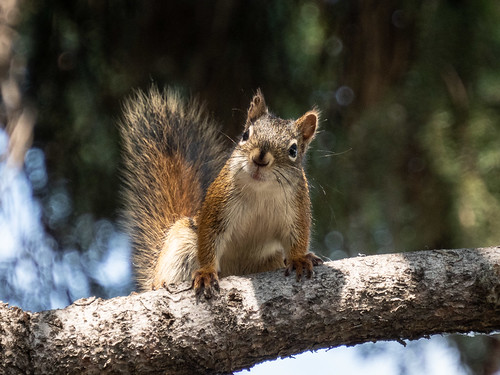
squirrel

Upcoming Events 
Saskatoon Nature Society is hosting a fall bird count on Sept. 11. Register by Sept. 10 if you’re interested in participating. 

Nature Regina is hosting a native plant sale from 9 am-1 pm, Sept. 11. 

The City of Prince Albert is hosting a household hazardous waste day from 9 am-4 pm, Sept. 11. 

City of Saskatoon residents can dispose of household hazardous waste from 9 am to 3:30 pm, Sept. 12. 

There will be an online federal election forum on climate, energy, and environment with Saskatoon candidates at 7 pm, Sept. 13. 

Nature Saskatchewan is hosting an online presentation on the migration and winter habitats of burrowing owls and monarch butterflies at 7 pm, Sept. 14. Register to participate. 

Looking Ahead 
Climate Reality Leadership Corps is offering online training from Oct. 18-24. 

Full event details are available on the EcoFriendly Sask Calendar
 
gopher (Richardsons ground squirrel)

How We Build 
The City of Saskatoon is now offering a home energy loan program (HELP) to help residents make their homes more energy efficient. “HELP loans are repaid through property taxes over five-, 10-, or 20-year terms, and remain attached to the property. If someone moves before the loan is repaid, the new homeowner will take on loan repayment.” [CBC Saskatoon] 

Energy-efficient buildings in combination with improved indoor air quality could prevent 2,900 to 5,100 premature deaths annually. [Anthropocene] 

PFAS are used to make products water-, stain-, or heat-resistant and can be found in thousands of everyday consumer products, such as stain guards, carpeting, floor wax, and non-stick cookware. They are linked to various serious health problems and significantly contaminate indoor air. [The Guardian] 

An ice box demonstration highlights the effectiveness of passive house design for providing more comfortable homes with lower costs. [Inhabitat]
 
mouse

Wild Lives 
“So many people think about species in terms of how close to endangerment or extinction they are, but actually, what we want to do is recover species.” The goal should be measuring what we want to achieve as well as what we want to avoid. [Yale Environment 360] 

Wanted – conservation champions for rodents, evolutionary marvels that have adapted to almost every region on earth, serving as food for larger animals while their eating habits disperse seeds, pollinate plants, and recycle soil nutrients. [The Revelator] 

Making a Difference 
Don Kowalski of Griffin, SK, has donated 800 acres to the Saskatchewan Wildlife Federation’s Habitat Trust Program. The land will be managed as a wildlife sanctuary and vehicles aren’t allowed. [Discover Weyburn] 

Climate cafés come in all shapes and sizes, providing an opportunity to support people as they acknowledge climate change exists and manage their feelings about it. [The Guardian] 

EcoFriendly Sask supports Saskatchewan environmental initiatives through an online publication, an events calendar, small grants, and the Nature Companion website/app. You can follow EcoFriendly Sask by liking us on Facebook, following us on Twitter, or subscribing by email (top right corner).

Tuesday, 20 July 2021

EcoSask News, July 20, 2021

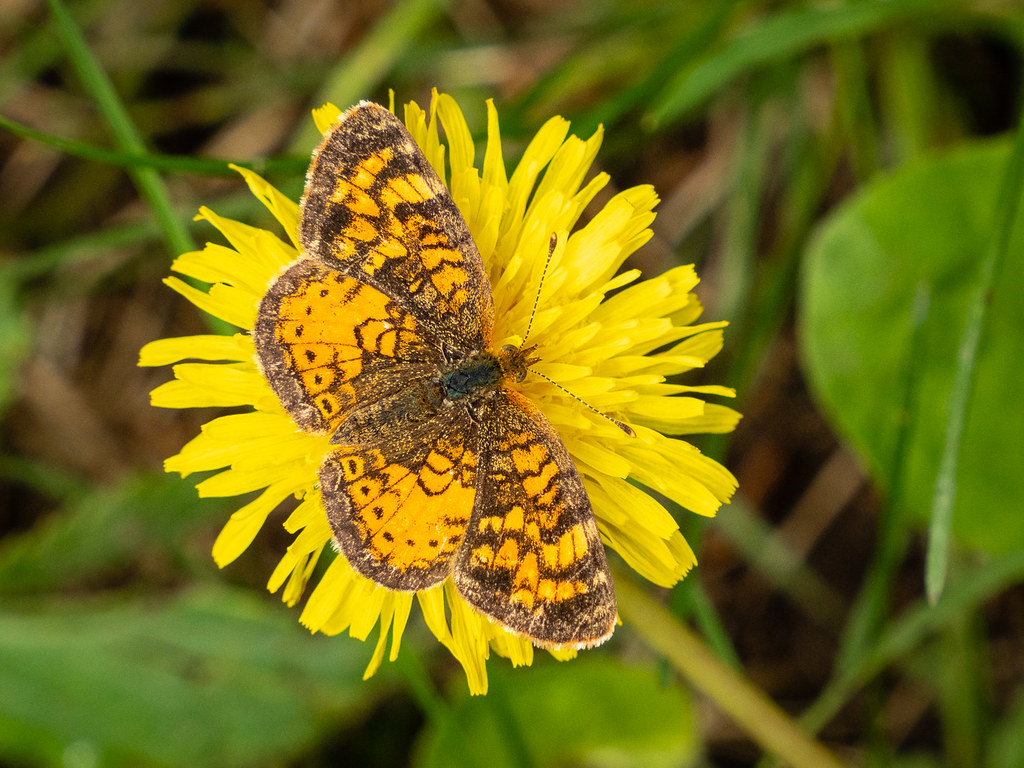
Northern Crescent ?

This Week’s Highlights 
One quarter of methane emissions on oil and gas sites come from tanks, which are designed to allow the methane to off-gas: that’s not a leak, that’s a design problem. [CBC]

Beavers are being reintroduced to Utah’s desert landscape. If they become established, “their impacts can be wide-reaching. Just one beaver dam can improve water quality, as well as acting as a firebreaker for the surrounding land.” [BBC] 

Upcoming Events 
Efficiency Canada is hosting a virtual energy efficiency networking event from 1-1:45 pm, July 22. 

Join a nation-wide backyard bioblitz coordinated by the Nature Conservancy of Canada, July 29-Aug. 2. 

City of Saskatoon residents can dispose of household hazardous waste from 9 am-3:30 pm, Aug. 8. 

All events are listed on the EcoFriendly Sask Calendar

Local News 
SOS Trees is urging Saskatoon residents to ask City Council to eliminate landfill fees for the safe disposal of elm as a contribution to protecting the city’s urban forest. [SOS Trees] 

Global warming, urban growth, and spring run-off from farm fertilizers are degrading surface waters in southern Saskatchewan and creating poisonous toxins. [Regina Leader Post] 

The Wildlife Rescue Society of Saskatchewan and The Fur-Bearers address issues surrounding human-wildlife coexistence through local efforts to protect a family of foxes and to respond to the trapping and killing of coyotes in Vancouver’s Stanley Park. [WRSOS, The Fur-Bearers] 

Prince Albert's plastic bag ban will go into effect Oct. 12 after being delayed due to the pandemic. Saskatchewan produces the second-most waste per capita in Canada. [CBC]
 
Leconte's Haploa Moth ?

Reuse & Repair
Some reusable kitchenware products have a greater environmental impact than single-use products. Silicone sandwich bags and beeswax wraps use too much water and energy to be beneficial. [Anthropocene] 

More and more products aren’t easily repairable – from laptop computers to farm machinery. Here's why we need the right to repair and what it should entail – information, parts and tools, legal unlocking, and accommodating repair in design. [New York Times Wirecutter] 

Retrofitting Our Homes & Cities 
“Pavement — comprising roads and parking lots — takes up roughly 30% of the city surface. . . Removing urban pavement would reduce stormwater run-off and treatment, rebuild natural climate buffers in cities, release soil from confinement, make space to plant trees, sequester carbon, and allow people to breathe fresh air, not asphalt.” [Next City] 

Home energy renovations (insulation, heat pumps, better windows) could create jobs and save on healthcare costs. [Pembina Institute report] 

EcoFriendly Sask supports Saskatchewan environmental initiatives through an online publication, an events calendar, small grants, and the Nature Companion website/app. You can follow EcoFriendly Sask by liking us on Facebook, following us on Twitter, or subscribe by email (top right corner).


Did you know? Hawk Moth fly and move like hummingbirds and can be seen hovering in front of a flower while they unfurl their long tongue and insert it in the flower to sip the nectar.

Tuesday, 29 June 2021

EcoSask News, June 29, 2021

Bumble bee on lilac

This Week’s Highlights 
Nature Conservancy of Canada – Saskatchewan is hosting a webinar at 6:30 pm, July 6, on the importance of dark skies as well as tips and tricks for stargazing and nighttime photography. 

Lone trees make it easier for birds and bees to navigate farmlands, providing shelter, food, and places to land. [The Conversation] 

Upcoming Events 
Saskatoon Nature Society has two upcoming field trips to look for orchids on July 1 and butterflies on July 3. 

Friends of the Saskatoon Afforestation Areas will be holding bio blitzes every Sunday at 2 pm from July 4-Sept. 26.

There will be a free online workshop on food forest design from 10:30 am-1:30 pm, July 6. 

Find out how time and weather influence Saskatchewan’s largest snake in a noon-hour webinar on July 8 with SK-PCAP. 

Local News 
The Water Security Agency has received a failing grade from the Provincial Auditor for failing to regulate wetland drainage. For further information, read the Citizens Environmental Alliance's newsletter.

The Nature Conservancy of Canada’s Asquith site is now open to the public and has a mowed trail with interpretive signs provided with the support of the Saskatoon Nature Society. 

Cindy Wright’s watercolours portraying the importance of bees in our society will be on display at Handmade House in Saskatoon from June 28-Aug. 21.
 
juvenile magpie beside nest

Light Pollution 
“Fireflies use their bioluminescence to flirt in the dark. . . . Under artificial light, males flash about half as often, while females rarely, if ever, flash back.” You can help by installing motion detectors, timers and shielding to ensure that light goes only where people need it, when they need it; keeping lights as dim as possible; and opting for monochrome red LEDs. [The Conversation] 

Office buildings that leave their lights on overnight pose a serious risk for migrating birds. A research team studied one building and estimated that turning off half the lights could reduce bird deaths by 11 times in the spring and 6 times in the fall. [Anthropocene] 

Do you wonder why some birds visit your backyard and not others? Many common species avoid noisy areas and even more will stay away when there is both noise and light pollution. [SciTech] 

Municipal Climate Action 
Miistakis Institute in Alberta has produced the following free, downloadable research reports to assist municipalities in addressing climate action: 

Did You Know? 
Wales plans to freeze road construction projects and focus on maintaining existing roads in a bid to reduce its carbon emissions. [Planetizen]

Project Noah is a site for photographers and naturalists. Share your photos, learn from the experts and take advantage of educational videos, lesson plans, and outdoor learning activities. [Project Noah]

Just for Fun 
How and what do you feed 2,700 animals on a daily basis? Take a look behind the scenes at the Smithsonian’s National Zoo. [Smithsonian Magazine]

EcoFriendly Sask supports Saskatchewan environmental initiatives through an online publication, an events calendar, small grants, and the Nature Companion website/app. You can follow EcoFriendly Sask by liking us on Facebook, following us on Twitter, or subscribe by email (top right corner).


Tuesday, 11 May 2021

EcoSask News, May 11, 2021

spider

This Week’s Highlights 
The Provincial Association of Resort Communities of Saskatchewan is hosting a series of webinars on water, including one on the rights of nature at 7 pm, May 19. 

Natures Wild Neighbours Society invites you to upload your nature-inspired art, photography, writing, video, or music entry before June 1, 2021, for a chance to win some wild prizes (full contest details). 

Upcoming Events 
Permaculture Saskatchewan is holding its annual general meeting online at 7 pm, May 17. 

Join Nature Regina from 7-8:30 pm, May 17, for a presentation on the Suzuki Foundation’s Butterflyway Project. Several Nature Regina members have been selected to be Butterflyway rangers. 

There will be a virtual panel discussion on climate risk disclosure and Saskatchewan business from 12-1:30 pm, May 18. Register early to avoid disappointment. 

For Our Kids Saskatchewan will share information and ideas for climate action from 7-8:30 pm, May 20, online. 

SaskOutdoors is offering a Paddle Canada Lake Canoe course in Saskatoon from May 22-24. 

Looking Ahead 
The Society for Range Management – Prairie Parkland Chapter is holding a hands-on/virtual learning workshop on May 26-27 entitled Back to the Field: Discovering the Dunes in Dundurn: Range Health and Rare Plants. 

SaskOutdoors is hosting a remote first aid workshop near Saskatoon on June 5-6. 

House Wren with a nice juicy spider

Local News 
The public is invited to complete an online survey between May 12 and June 2 on the City of Saskatoon's proposed Renewable Energy Strategy that will inventory, analyze, and prioritize renewable energy options in Saskatoon based on their financial, environmental, and social impacts.

A grade 7 class from Lac La Ronge Indian Band has collected over 20,000 signatures calling on the government to reject a proposal to mine peat moss near La Ronge. 

Urban Transit 
Take a close look at all the different modes of urban transit and there’s one that stands head and shoulders above all the others in terms of environmental impact – cycling. “We need more bikes generally and more e-bikes specifically on the road, which means your city needs to invest in bike-lane infrastructure to make people safe and comfortable on two wheels.” 


Energy 
An Alberta farmer is taking abandoned oil well sites and transforming them into solar farms. “Farmers get new lease revenues, counties get taxes lost from abandoned wells and presto energy transition.” 

“Anyone doing home renovations or a new build should take time to ensure their electrical grid is equipped to handle an electric-vehicle charging station.” 

“Creepy Crawlies” 
Pesticides are killing the earthworms, beetles, ants, and other soil-dwelling invertebrates that are critical to maintaining healthy soils. 

“Spiders need our help, and we may need to overcome our biases and fears to make that happen.” Spiders have “enormous ecological value as food for birds and other animals. They’re also important to people, both as predators of pest species and as inspiration for medicines and engineering.” 


Did you know? Grass Spider are also called Funnel Weaver Spider as they construct a flat, horizontal web across the grass or around buildings with a funnel on one side where they hide. The web isn't sticky, but it slows down any insects (usually flying ones) that try to cross it. The spider then rushes out from where it is hiding to grab its prey. (Nature Companion)

EcoFriendly Sask supports Saskatchewan environmental initiatives through an online publication, an events calendar, small grants, and the Nature Companion website/app. You can follow EcoFriendly Sask by liking us on Facebook, following us on Twitter, or by email (top right corner). 

Sunday, 21 March 2021

Regina Car Share Co-operative


1. How and when did you form your group? 
Regina Car Share Co-operative was formed in 2008 as an idea to reduce emissions and provide a service growing in popularity around the world. Regina is designed to be a car-centric city, so our members are typically people used to living without owning a vehicle but who like to use one occasionally to meet needs or desires not served by public transportation or bicycles. A few dozen people met a couple of times for community potlucks to discuss how to start a car share service, and we agreed a co-operative was the right way to proceed. With some government grant money to operate an office and a private loan to purchase a vehicle, we had our first car shared to members the following year. 

2. What are your principal activities and why do you believe they’re important? 
We principally exist as a way to reduce carbon emissions in our province, and we do that by operating a car share co-op in Regina. Members of our co-operative share use of vehicles that are generally better than ones they could privately own, and they take up less space and fewer resources by being shared. 

3. What were your successes (big or small) in 2020? 
We survived the first year of the pandemic without government assistance. Additionally, with the generous support of Affinity Credit Union, we were able to add 2 electric vehicles to our fleet, replacing one of our aging vehicles. 


4. What would you like to achieve in 2021? 
We hope to double our membership in 2021, which would support our expansion to other vehicle locations and types like a pickup truck. 

5. If you could have 3 wishes for improving your community, what would they be? 
Improved public transportation and cycling infrastructure are important to us because our members tend to use each when they don't use our service. The City Council motion to get Regina to 100% Renewable by 2050 is something we're interested in facilitating. 

6. Are there volunteer opportunities with your organization? If so, please describe them and indicate how people can contact you. 
Memberships in our Co-op are only $10, and members can serve on the Board of Directors. We're currently seeking 1-2 new board members to join our team of dedicated environmentalists who have a vision of a Renewable Regina and a passion to get there by operating Saskatchewan's first car share co-op. We could use a variety of skills, so please contact us at reginacarsharecoop@gmail.com or 306-550-7223. 

See Also 

We’re planning to highlight the work of volunteer organizations in our communities on a regular basis over the next year. Do email us if you would like your organization to be profiled on EcoFriendly Sask. 

EcoFriendly Sask supports Saskatchewan environmental initiatives through an online publication, an events calendar, small grants, and the Nature Companion website/app. 

You can follow EcoFriendly Sask by liking us on Facebook, following us on Twitter, or by email (top right corner).

Tuesday, 16 March 2021

EcoSask News, March 16, 2021

Canada Goose

This Week’s Highlights 
There will be an online discussion on the potential for conservation and restoration of Saskatchewan forests to mitigate against climate breakdown at 7 pm, Mar. 23. 

A climate activist in California has spent 589 days cleaning up a park and is encouraging others to follow his example. "Climate action is a group project," he tweeted. "There will be no hero that will emerge from the fog to save us from ourselves. To preserve this planet, we'll need a billion climate activists." 

Upcoming Events 
Regina residents are invited to a virtual public open house at 7 pm, Mar. 18, for the Foxtail Grove Solar Energy Project, a 10 MW project that will generate enough green electricity to power over 2,600 Saskatchewan households. 

The WildEcol Seminar Series is hosting an online presentation on the research studying contaminants in loons and gulls being undertaken as part of the Boreal Watershed Initiative at 3:30 pm, Mar. 19. 

Join Nature Regina for an online presentation on how you can grow native plants for pollinators in your own yard from 2-3:30 pm, Mar. 20. 

Join the Saskatoon Nature Society on the following outings. Field trips are currently for members only, so sign up now. Advance registration is required.
Mar. 20, 8:30 am-4:30 pm - Gardiner Dam Waterfowl Trip
Mar. 26, 7:30-10 pm - Owling Evening
Mar. 27, 10 am-4 pm - Snowy Owl Trip

Saskatoon Seedy Saturday has gone virtual with online gardening workshops and presentations from Mar. 20-27. 

The Saskatoon Zoo Society is holding a virtual annual general meeting at 1:30 pm, Mar. 21. 

Let’s Talk About Water is hosting an online panel with experts from the industry, research, and non-profit sectors about valuing water at 11 am, Mar. 22. 

The Saskatchewan Chapter of The Wildlife Society is offering an online workshop for members on navigation from 3-6 pm, Mar. 22. 

Blue Gold: World Water Wars will be screened in Regina at 7 pm, Mar. 22. 

The film, Addicted to Plastic, will be shown in Regina at 7 pm, Mar. 24. 

Public Pasture - Public Interest will be holding its AGM online from 7-9 pm, Mar. 24.

Regina Public Library is hosting an online talk on starting to compost at 7 pm, Mar. 25. 

The Moose Jaw River Watershed Stewards will discuss biosecurity and invasive species online at noon, Mar. 25, as part of PCAP-SK’s Native Prairie Speaker Series. 

Find out about Climate West, a regional hub for climate services, at a noon-hour, Mar. 25, presentation hosted by Partners FOR the Saskatchewan River Basin. 

Local News 
The City of Saskatoon is reviewing speed limits in residential neighbourhoods. The survey is open until April 30. 

A USask research “study hopes to find ways to better manage the wetlands and marginal areas in Saskatchewan fields . . . in order to design effective incentive programs for improving sustainable farm production.” 

The Saskatchewan Orienteering Association has been established to promote and administer orienteering as sport and recreation in Saskatchewan. 

Transportation Options 
“Without the Keystone XL pipeline . . . Canadian oil producers are turning to trains. And using a new technology to help make it more affordable — and less flammable.” 

The demand for materials needed to make batteries for electric cars and other clean technology is driving interest in deep-seabed mining. “One of my greatest fears is that we may start ocean mining because it’s profitable for just a handful of years, and then we nail it with the next gen battery or we get good at doing low-cost e-waste recycling . . . . And then we’ve done irreversible damage in the oceans for three years of profit.” 

Drive-thru fast food chains have become increasingly popular during the pandemic and the trend is expected to continue, reinforcing a reliance on cars over more environmentally friendly forms of transportation. 

A Pembina Institute report looks at the costs, benefits, and uptake on fuel-efficiency technologies in the highway transportation sector.
 
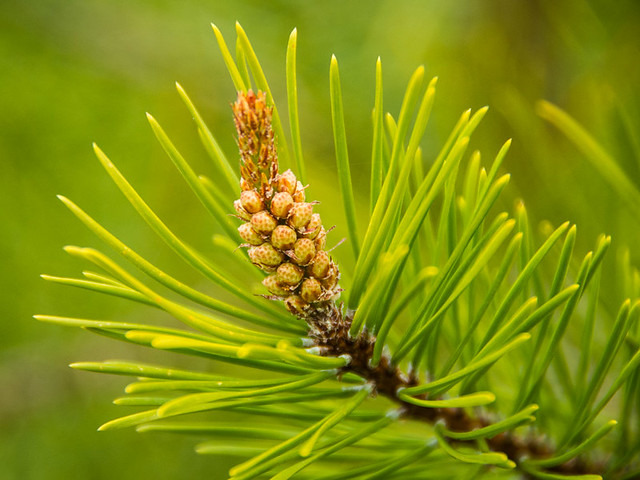
Lodgepole pine

Forests 
“The lodgepole pine’s ability to live in many environments—and to live a long time—gives it a genetic boost that could make it more resilient to climate change than other species.” 

“In western North America, huge swaths of forested areas may become unsuitable for trees owing to climate change.” 

Natural Wonders 
“Dismissing all wasps because of a few aggressive ones is kind of like giving up on Mexican food because you don’t like cilantro.” 

EcoFriendly Sask supports Saskatchewan environmental initiatives through an online publication, an events calendar, small grants, and the Nature Companion website/app. 

You can follow EcoFriendly Sask by liking us on Facebook, following us on Twitter, or by email (top right corner). 


Check out EcoFriendly Sask’s Nature Companion, a free nature app for Canada’s four western provinces

Tuesday, 16 February 2021

EcoSask News, February 16, 2021

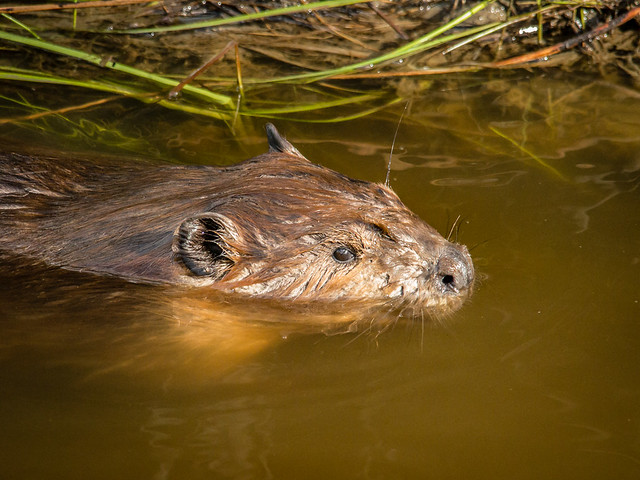
juvenile beaver

Good day! We’ve made a few changes to the newsletter this week. If you’re looking for additional information about one of the events, you’ll find it on the EcoFriendly Sask Calendar. We’ve also tried a new approach of grouping articles around a theme. We try very hard to find meaningful articles you might otherwise miss. Let us know what you think and have a good week. Andrew & Penny 

This Week’s Highlights 
Conscious consumerism: “Keep sustainability, love, and gratitude for the earth and all people at the centre of everything you do” 

The Let’s Talk About Water virtual film festival will be showing two films about groundwater (access, resource management, over-consumption) at 7:30 pm, Feb. 25, with a community discussion forum on Feb. 26. 

Upcoming Events 
EnviroCollective Regina will hold its monthly online meeting from 7-10 pm, Feb. 18. 

The WildEcol Seminar Series presents an online talk on tropical birds and forest fragmentation/restoration at 3:30 pm, Feb. 19. 

Join Saskatoon Nature Society on a birdwatching outing in City Park from 2-3 pm, Feb. 21. 
 
There will be an online panel discussion on creating a supportive policy environment for renewable energy co-operatives from 4-5:30 pm, Feb. 24. 

Children ages 6-12 are invited to register for Nature Regina's Get Outside! Kids’ Club at 10 am, Feb. 24 or Mar. 3. 

SaskOutdoors will train participants to become certified Growing Up WILD and Getting Little Feet WET Education facilitators from 7-9 pm, Feb. 25, Mar. 4, and Mar. 11 (online). 

Join Regina Public Library online to learn inexpensive strategies for building and living in an environmentally friendly way at 7 pm, Feb. 25. 

Find out all about burrowing owls in a Nature Saskatchewan webinar at 7 pm, Feb. 25. 

Explore Les Sherman Park with Nature Regina at 10, 11:15, 1, or 2:15 pm, Feb. 26. 

You’ll find information on these and other events on the EcoFriendly Sask Calendar

beaver

The Urban Environment 
Bird-friendly urban design makes for healthier and more pleasant cities for humans and other animals [interview with Timothy Beatley, author of The Bird-Friendly City] 

Construction projects threaten the urban forest by displacing trees and by damaging them during the construction process [more information is available from SOS Trees] 


Feeding pet cats meaty food and playing with them to simulate hunting stops them killing wildlife, according to a study 


Municipalities of Saskatchewan will lobby the provincial government for a water policy similar to Manitoba and Alberta and the publication of quarterly water test results [We’re Losing our Wetlands and That’s a Big Problem] 

EcoSask News is a weekly round-up of local news and events. Email us if you have items you would like us to include. 

You can follow EcoFriendly Sask by liking us on Facebook, following us on Twitter, or by email (top right corner). 

If you enjoyed this newsletter, please share it. Thank you! 


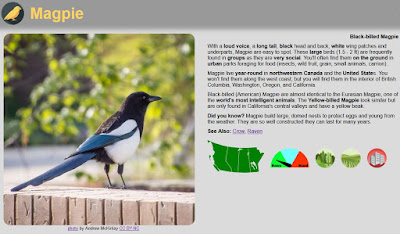
Thank goodness for our year-round avian friends who brighten our winter walks. One of our favorites is the magpie. [Nature Companion]

Thursday, 11 February 2021

Community Highlight: Saskatoon CarShare Co-operative


1. How and when did you form your group?
 
The Saskatoon CarShare Co-operative started in 2014. Beginning with the purchase of one car, the CarShare's fleet of six vehicles is designed to complement our members’ active transportation habits and improve affordable access to vehicle ownership. Working with several partners, we are proud to have been the first 100% solar-powered carshare in Canada. 

2. What are your principal activities and why do you believe they’re important? 
Our principal activities are providing and maintaining a network of vehicles to residents in Saskatchewan's core neighborhoods (and beyond). 

It’s a win for individuals because you save money by not having to own a car. Being a CarShare member helps you save money. A typical car owner spends an average of $6,400 per year. That comes out to about $533 per month or $17.64/day to maintain and operate an efficient vehicle. By making simple changes to integrate walking, biking, busing, and CarSharing into your traveling habits, you can save some serious cash. 

It is a win for the environment, the City of Saskatoon, and our community. For every CarShare vehicle out there, another five cars are taken off the road. That means fewer vehicles need to be driven, fuelled, and maintained. Less vehicles on the road also means less traffic on our streets. 

3. What would you like to achieve in 2021? 
In 2021, we'd like to expand the number of CarShare members, to make being a member even more affordable, and to convince more residents to consider giving up their car (or 2nd car) by using the CarShare to complement their active transportation habits. 

4. If you could have 3 wishes for improving your community, what would they be? 
We would like to see less cars on the road, more people using active transportation and shared transportation modes, and for more people to use CarSharing for any of those times when you simply just need to have your own car! 


5. Are there volunteer opportunities with your organization? If so, please describe them and indicate how people can contact you. 
The CarShare is always looking for volunteers to help expand the use of our CarShare network. 

Board Members: We are always recruiting board members to help with planning, decision-making, and monitoring the performance of the CarShare. 

Vehicle Maintenance: We recruit volunteers to help with regular light vehicle maintenance (including checking on vehicles, cleaning, fueling, and taking vehicles for car washes and servicing). 

Promotions and Engagements: We are looking for help in spreading the word about CarSharing through social media and through member engagement activities. 

You don't have to be a member to volunteer with the CarShare, and volunteering comes with perks like driving credits. If you are interested in volunteering with the CarShare, please email scc.coordinator@gmail.com. 

If you live in Regina, be sure to check out the services provided by the Regina CarShare Co-operative. 

We’re planning to highlight the work of volunteer organizations in our communities on a regular basis over the next year. Do email us if you would like your organization to be profiled on EcoFriendly Sask. 

You can follow EcoFriendly Sask by liking us on Facebook, following us on Twitter, or by email (top right corner).