Showing posts with label Trees. Show all posts

Tuesday, 4 January 2022

EcoSask News, January 4, 2022

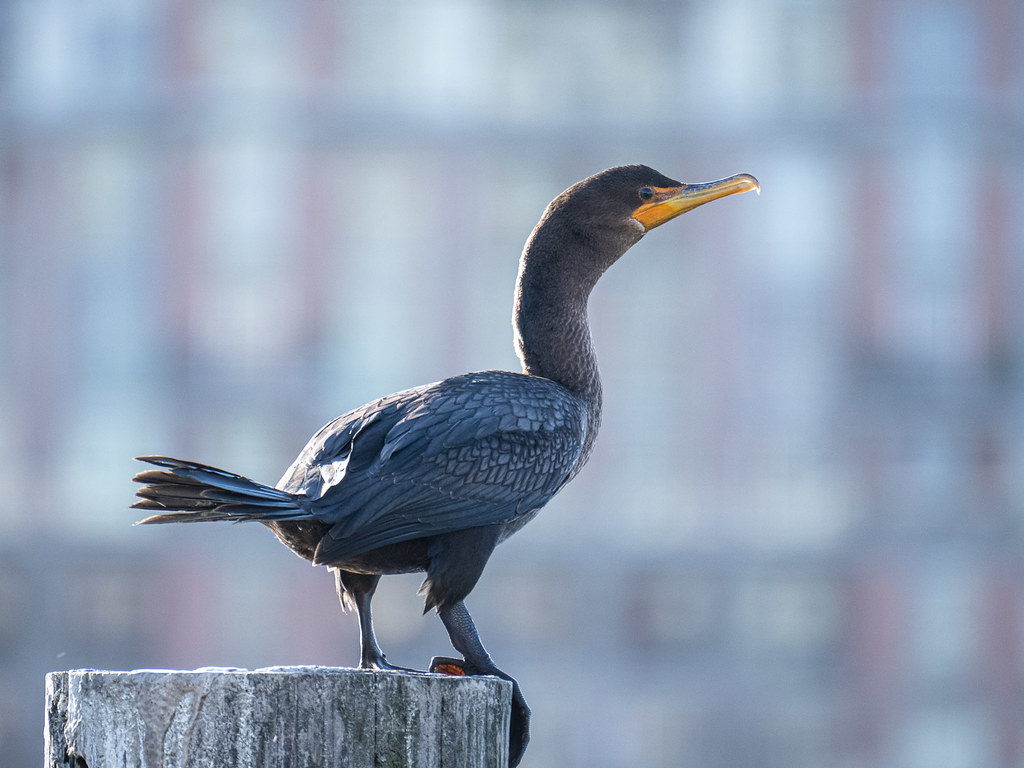
Double-crested cormorant

Upcoming Events 
SaskOutdoors will be hosting the following virtual workshops: 
Below Zero - 7-9 pm, Jan. 11 & 18 
Get Outside & Play - 7 pm, Jan. 17 
Project WILD - 7-9 pm, Jan. 24, 31, and Feb. 7 

Friends of Wascana Marsh will be holding a virtual annual general meeting at 7 pm, Jan. 20. 

Full details on all upcoming events can be found on the EcoFriendly Sask Calendar 

Energy 
Countries “will never agree to ‘phase down’ or ‘phase out’ fossil fuel energy without a reasonable substitute source of energy.” Is nuclear power the answer? [Johnson-Shoyama Graduate School of Public Policy

“The federal government should cap oilsands production to stop the rapid growth of toxic tailings. Then, industry should recycle the toxic waste instead of immediately dumping it.” Releasing tailings into the Athabasca River endangers the river and the people and wildlife that depend upon it. [The Narwhal

The largest solar project in Kentucky is being built on top of an abandoned mountain-top strip mine. [Yale Environment 360]
 
Anna's hummingbird

Conservation
Pittsburgh plans to become dark-sky compliant, switching to lower wattage LED bulbs and adding shade along bridges, roads, and other public areas. It will also be the first city to follow the International Dark Sky Association’s new values-centered outdoor lighting [IDA], comprehensive suggestions surrounding wattage and colour temperature as well as when and how to keep lights on. [Bloomberg CityLab

“Expanding the area and number of protected areas is not the solution to maintaining or restoring ecological connectivity. Instead, management for conservation should address unprotected areas, especially ones near existing protected areas to minimize the loss of connectivity.” [Conservation Corridor]
 
autumn colors

Celebration 
“The yellow birch is not ‘just a tree,’ but a life filled with generosity, and is a life that will be around 150 years beyond my own.” [Nature Canada

Marvel at the intricate detail and colourful complexity of Singapore’s microfauna. [Nicky Bay’s Macro Photography

“For many scientists, the resonant mystery is no longer which animals are conscious, but which are not.” How birds, fishes, bees, and other sentient beings experience the world. [The Atlantic

“By land or by sea, early whales moved between continents and were a larger part of Earth’s ancient ecology than paleontologists previously expected.” [Smithsonian Magazine

EcoFriendly Sask supports Saskatchewan environmental initiatives through an online publication, an events calendar, small grants, and the Nature Companion website/app. You can follow EcoFriendly Sask by liking us on Facebook, following us on Twitter, or subscribing by email (top right corner).
Tuesday, 28 December 2021

Boxing Day Book Special

shooting star

Books - new and old, fiction and non-fiction. We hope you find a new favorite. 

Action-Oriented Visionaries 
Neal Stephenson laments the dwindling of big dreams such as placing a man on the moon. Developing new technologies and implementing them “on a heroic scale no longer seems like the childish preoccupation of a few nerds with slide rules. It’s the only way for the human race to escape from its current predicaments.” He believes that science fiction has the power to inspire and provide well thought-out alternate realities. [Wired


In Neal Stephenson’s most recent book, Termination Shock, a Texas restaurant chain magnate has a big idea for reversing global warming. Will it work? What are the consequences? You’ll have to read the book to find out. 


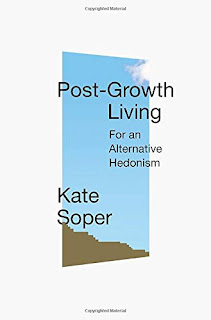
If you’re looking for more big ideas, here’s a list of 10 books published since 2020 that address transformational change - from Post-Growth Living for an Alternative Hedonism to Commanding Hope: The Power We Have to Renew a World in Peril. [Orion Magazine


Wild Hope
magazine shares conservation success stories “that show how anyone can participate in saving Earth’s biodiversity by applying whatever skills or talents they have and that a science degree isn’t a prerequisite to making a difference.” [Wild Hope

Invisible Wonders 

What does a bee look like under its furry coat? How does a tree frog use its eyes to swallow? Inside In: X-Rays of Nature’s Hidden World uses x-ray images to display creatures and their habitats in a completely new way. 


Levon Biss has used his camera to capture The Hidden Beauty of Seeds and Fruits. He says, “The aim of my work is to bring to light details in nature that are normally invisible to the human eye.” Do take a look at the images. You’ll be amazed. [PetaPixel


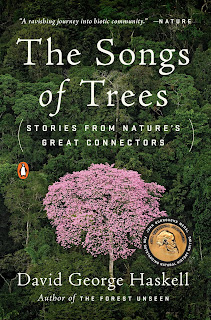
In The Songs of Trees, David Haskell pays regular visits to a dozen trees and listens. Haskell says, “Listening involves paying attention to the acoustics of the tree itself … A maple tree is going to have a very different sound in the wind than a pine tree, and, in different seasons, the tree will have different voices, revealing some of its physiology and nature … The sounds of the tree also involve the other creatures that are using the tree — insects, birds, and so forth. You must attend to those sounds, as well. And then humans are another creature … So part of the listening process involves talking to people whose lives are intertwined with trees, in an effort to discern some of the threads of stories that connect us.” [Utne

Water Words 

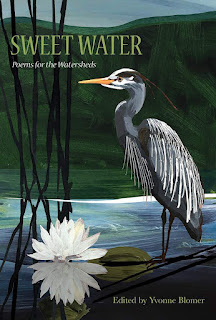
Sweet Water: Poems for the Watersheds
edited by Yvonne Blomer is an all-Canadian collection of poems about streams and rivers. You’ll find poems about local places and situations – Toronto’s hidden streams, the Alberta flood of 2013, and Warren’s Landing in Manitoba. 

EcoFriendly Sask supports Saskatchewan environmental initiatives through an online publication, an events calendar, small grants, and the Nature Companion website/app. You can follow EcoFriendly Sask by liking us on Facebook, following us on Twitter, or subscribing by email (top right corner).

Tuesday, 14 December 2021

EcoSask News, December 14, 2021

Song sparrow

Song Sparrow make short, fluttering flights pumping their tail up and down. They prefer areas with low shrubs and bushes. [Nature Companion

Energy 
“Saskatchewan has a tremendous opportunity to use energy efficiency to achieve our climate commitments … every electron saved through energy efficiency results in fewer emissions from carbon-emitting coal and gas plants.” Martin Boucher outlines 5 effective options. [Martin Boucher, Regina Leader-Post

Calgary-based Canadian Premium Sand is shifting from providing fracking sand for the oil patch to producing solar panels. [CBC

Airports’ flat roofs, parking garages, and open spaces are an ideal location for solar panels. And, as many airports are connected to the municipal grid, they may even be able to feed energy back into the system. [Gizmodo

Making Choices 
Cities world-wide are beginning to employ sensor technology to monitor and minimize urban noise. [Bloomberg CityLab

I don’t want to leave children a future “full of cement, full of destruction”. The Austrian government halts 8 highway projects in an effort to slow climate change. [France 24]

Untitled

Most coniferous trees keep their foliage all year round, adding a welcome touch of green to a snowy winter landscape [Conifers of Western Canada, EcoFriendly Sask

Maintaining Biodiversity 
Yellowknife to Yukon is an ambitious project designed to protect an interconnected series of wildlands. A research team has concluded that this is an effective conservation strategy. Compared to neighbouring areas that weren’t part of the project, the protected area gained more land, more grizzly bears, and more wildlife crossings. The project also received mention in popular media (Gray’s Anatomy) and scientific publications. [Anthropocene

Environmental DNA (fragments of aquatic creatures floating in the water) can provide an early warning of invasive species entering new regions or threatened species moving outside their expected range. eDNA “could shape policy for protected regions and help monitor population shifts on a rapidly changing planet, but it may ultimately prove only as revolutionary as it is widely available and usable across the globe.” [JSTOR Daily

Nature-based solutions “can be highly effective in building long-term resilience for nature and people. It is a valuable asset in our toolbox for linking biodiversity and climate and addressing these twin crises.” However, care must be taken to recognize the inherent value of nature, to avoid treating nature-based solutions as offsetting, and to include stakeholders in developing countries. [International Institute for Sustainable Development

That’s Amazing! 
“Migrating birds push their bodies to the physiological limit, which creates excess heat. Some species cope by ascending to cooler air during daytime.” Many species also have lighter-coloured feathers, another way to stay cooler. [Science News


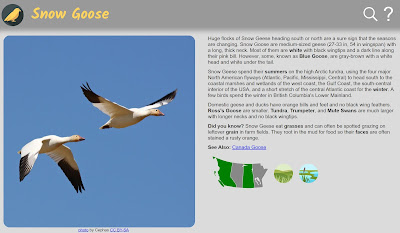
Snow Geese eat grasses and can often be spotted grazing on leftover grain in farm fields. They root in the mud for food so their faces are often stained a rusty orange. [Nature Companion

EcoFriendly Sask supports Saskatchewan environmental initiatives through an online publication, an events calendar, small grants, and the Nature Companion website/app. You can follow EcoFriendly Sask by liking us on Facebook, following us on Twitter, or subscribing by email (top right corner).

Thursday, 28 October 2021

Berries: Wildlife's Winter Pantry

berries

Nature provides year-round food for many birds and animals. While insects may be plentiful in spring, it’s persistent berries that are an important food source in winter. Unlike raspberries or blueberries, persistent berries ripen later in the year and remain on the bushes and trees even after the leaves have fallen. The berries on native trees and plants such as buffaloberry and red osier dogwood are high in fat and carbohydrates, offering birds plentiful energy for their migratory journey or to weather the cold. 

Bunchberry 
Bunchberry is a low-lying plant found in the cool coniferous forests of Canada’s northern and mountainous regions. The red berries, which ripen in late summer, are a tasty snack for bears, hares, and songbirds. They contain two hard, crunchy seeds, hence the plant’s name of kawiscowimin in Cree, which can be translated as “gravel inside.” It’s also known as dwarf dogwood with similar leaves and flowers to the Pacific dogwood tree.


Common Juniper 
Common juniper is a spreading shrub that often forms a low-lying mat but can grow to 3-4 ft tall. What appear to be blue berries are actually cones with very tightly packed miniature scales. The fleshy covering on the cones is popular with robins, black-capped chickadees, cedar and Bohemian waxwings. American robins often devour large quantities in spring and fall.
 
Bohemian Waxwing eating juniper berries

Mountain Ash 
A highlight of a Prairie winter’s day is when a flock of cedar waxwings swoops in to feast on mountain ash berries. Despite its name, mountain ash belongs to the rose family and its closest relatives are apples and hawthorns. Humans find the berries bitter and unpleasant, but they are very high in vitamin C and birds love them. 

Wild apple and crabapple trees are also popular with wildlife – from deer and bears to birds and squirrels.


Oregon Grape 
Oregon grape can be found in mountainous areas of the Pacific Northwest from British Columbia and eastern Alberta to northern California. The dark blue berries grow in clusters and bear some resemblance to grapes. Wildlife benefit from Oregon grape in all seasons of the year as the bright yellow flowers attract pollinators, the fruit is enjoyed by robins and waxwings as well as some mammals, and some butterfly and moth species rely on Oregon grape plants to host their larvae.


Red Osier Dogwood 
Red osier dogwood is a many-branched shrub about 6 ft tall. Its red stems and branches are particularly noticeable in winter. The white, waxy berries are high in fat and popular with migrating birds, bears, and grouse. The stems and winter buds provide valuable forage for deer, moose, and snowshoe hare, and the plants often suffer from overbrowsing. 


Silver Buffaloberry 
Silver buffaloberry (shepherdia argentea) is a thorny shrub often found growing along rivers and streams, especially on the northern Great Plains. It's slow to lose its leaves in autumn. The clusters of red berries ripen in late summer and are a favorite food of many songbirds and sharp-tailed grouse. 


Snowberry 
Snowberry, a native shrub found across western Canada, has white, waxy berries that persist into winter. The berries are toxic to humans as they contain saponin, a foaming compound used to make soap. They are, however, appreciated by over-wintering birds such as robins and thrushes, as well as chipmunks.

Springtime Follies 
As the weather warms up in the spring, overwintered berries can ferment and birds, particularly cedar waxwings and robins, that eat a lot of fruit can become intoxicated.
 
Bohemian Waxwings

See Also 

Check out EcoFriendly Sask’s Nature Companion, a free nature app for Canada’s four western provinces 

EcoFriendly Sask supports Saskatchewan environmental initiatives through an online publication, an events calendar, small grants, and the Nature Companion website/app. You can follow EcoFriendly Sask by liking us on Facebook, following us on Twitter, or subscribing by email (top right corner).

Tuesday, 28 September 2021

EcoSask News, September 28, 2021

autumn sunrise

Upcoming Events 
Last of the Right Whales premieres at the Calgary International Film Fest Sept. 26. It will be available online from Sept 27-Oct 3 in Alberta, Saskatchewan, and Manitoba. 

The Wildlife Rescue Society of Saskatchewan is holding an online information session for rescue and transport volunteers at 2 pm, Oct. 2. 

Library of Things, Saskatoon, will be open for pick-ups by reservation from 1-4 pm, Oct. 2. 

City of Saskatoon residents can dispose of household hazardous waste from 9 am to 3:30 pm, Oct. 3. 

Saskatoon’s Energy Management Task Force is offering an online update on DEEP from 7:30-9:15 am, Oct. 6. 

The Johnson-Shoyama Graduate School of Public Policy is hosting a video conference on measuring greenhouse gas sources and sinks in the Canadian Prairies crop sector from 12-12:55 pm, Oct. 7. Register to participate. 

Looking Ahead 
The Saskatchewan Waste Reduction Council is hosting repair cafés in Regina, Saskatoon, and online from 10 am-2 pm, Oct. 23. You’re encouraged to book an appointment for both live and virtual events. 

Full details on all upcoming events can be found on the EcoFriendly Sask Calendar
 
fall colors

Local News 
Great news - and well deserved! Wild About Saskatoon: NatureCity Experience is a finalist for a national Community Action Award from the National Museum of Nature. 

This article counters the current arguments in favour of grass-raised beef from a cost, scale, and environmental impact perspective. The article states, “Regenerative ranching begins with the assumption that cattle must be commercially ranched and then backfills an ecological narrative to sustain that assumption.” [The New Republic

A joint City/University research study has found a wide range of pharmaceuticals and chemicals in Saskatoon’s wastewater. “The levels we have measured are not high enough to be likely to acutely impact aquatic organisms living in the river. But that does not mean that there are no chronic, long-term implications that might manifest over longer time scales.” [CTV News

Urban Coyote, a poem by Glen Sorestad. [This Singing Land kanikamot askiy

Healthy People, Healthy Environment 
A new report states that climate change is a threat to public health as well as the environment and the economy. It will affect everyone but not equally, depending on factors such as age, access to health care, and economic disadvantages. [Canadian Institute for Climate Choices

The 3-30-300 rule is designed to create equitable access to urban forests, addressing air pollution and urban heat islands. A few communities, such as Saanich in BC, have adopted the rule which calls for every resident to be able to see at least 3 decent-sized trees from their home, live in neighbourhoods with at least 30% tree canopy cover, and live no more than 300 meters from the nearest public green space. [Nature Canada]

fall colors

Pollution Prevention 
The Sierra Club has endorsed a strong statement opposing “unnecessary and harmful artificial lighting during the day and night.” They provide a comprehensive explanation for their rationale as well as a list of the over 70 references and resources that were consulted in developing the policy. [Sierra Club]

“The production of steel, cement, and ammonia together emit about one-fifth of all human-caused CO2. Technologies are emerging that promise to decarbonize these problem industries, but analysts warn that big challenges remain before the processes can be cleaned up.” [Yale Environment 360

Planned obsolescence may be good for phone companies but it’s bad for users’ wallets and even worse for the planet, because it encourages people to treat their phones as disposable. No one really knows how much e-waste (electronic refuse) is generated every year, but one recent estimate put it at 53.6m metric tonnes in 2019. [The Guardian

Book Reviews 
Gernot Wagner, author of Geoengineering: The Gamble, says it’s right to be skeptical about solar geoengineering (reflecting solar radiation back into space), but it can’t be ignored as somebody is likely to try it eventually. [Earthbound Report

“In Hurricane Lizards and Plastic Squid: The Fraught and Fascinating Biology of Climate Change, [Thor] Hanson talks to scientists all over the world about how plants and animals are moving and changing, and why some are inherently better set up for success than others.” [The Revelator


Did you know? Highbush Cranberry belongs to the honeysuckle family and isn’t actually a cranberry. 

EcoFriendly Sask supports Saskatchewan environmental initiatives through an online publication, an events calendar, small grants, and the Nature Companion website/app. You can follow EcoFriendly Sask by liking us on Facebook, following us on Twitter, or subscribing by email (top right corner).

Tuesday, 24 August 2021

EcoSask News, August 24, 2021

Franklin's Gull

Upcoming Events 
City of Moose Jaw residents can dispose of household hazardous waste from 9 am-3 pm, Aug. 28. 

SOS Trees is holding its annual general meeting at 7 pm, Aug. 30, outdoors in Saskatoon. 

Looking Ahead 
Register to help the Nature Conservancy of Canada remove old fencing, a barrier and hazard for wildlife, from their Asquith property from 9:30 am-3:30 pm, Sept. 11. 

SaskOutdoors is offering a canoe certification course in Regina on Sept. 18-19. 

Full event details are available on the EcoFriendly Sask Calendar
 
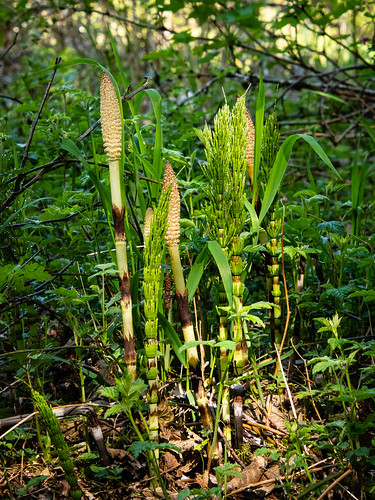
Northern giant horsetail (?)

Horsetail is one of the oldest plants on earth, reproducing by spore rather than seed. It can be found in or near wetland areas such as marshes, rivers, and streams throughout North America. [Nature Companion

Wetlands 
This could be the worst drought year ever in Saskatchewan, and wetland drainage has exacerbated the situation. “We have tax incentives for farmers to get as much land into production as possible, we need to put incentives in there to make it worthwhile financially for farmers to retain those wetlands,” says John Pomeroy, U of S hydrologist. [CKOM

One of our readers thought she had observed a decline in the number of Franklin’s Gulls. We did a little research and she’s quite correct. Franklin’s Gulls have declined by 95% in the United States between 1968 and 2015. A major factor has been the loss of wetlands where the gulls nest. [All About Birds

Climate Action 
Whether they are Canadian or US politicians, playing nice with the fossil fuel industry is climate denial. “It’s not that politicians in powerful countries have done nothing in the past two decades. The problem, rather, is that where they’ve done anything at all, it has tended to be the wrong thing, emphasizing subtle market tweaks and shiny new technologies instead of the core work of decarbonization: getting off fossil fuels as quickly as possible.” [The New Republic

The Canadian Standards Association (CSA) Sustainable Forest Management Standard “leaves it up to the logging companies to self-identify that their activities are sustainable. The result is akin to having the fox guard the henhouse”. [Ecojustice

How to Think About the Climate Crisis by Graham Parkes looks at how the way we think can either choke off climate solutions or lead us out of philosophical dead ends. There is a focus on Chinese ways of thinking such as feng shui and animism because “We can’t resolve the climate crisis without Chinese cooperation – and that requires a more open attitude to, and better acquaintance with, their ideas about politics.” [book review, The Earthbound Report

Appreciating Nature 
Meet 10 racialized female and non-binary trailblazers who are transforming our sense of who belongs in the natural world. They say nature is for everyone and are trying to make it more accessible. [The Narwhal] 

With their fancy colours, elaborate sex lives, and strong parenting instincts, there’s a lot we don’t know or appreciate about mosquitoes. [Smithsonian Magazine

Outdoor Education 
We published a list of nature and environmental educational programs for young people last year. There may be some changes, but it should still provide a solid starting point. 

Earlier this year, we did some digging on the internet and came up with some nature apps we think look great for families with kids


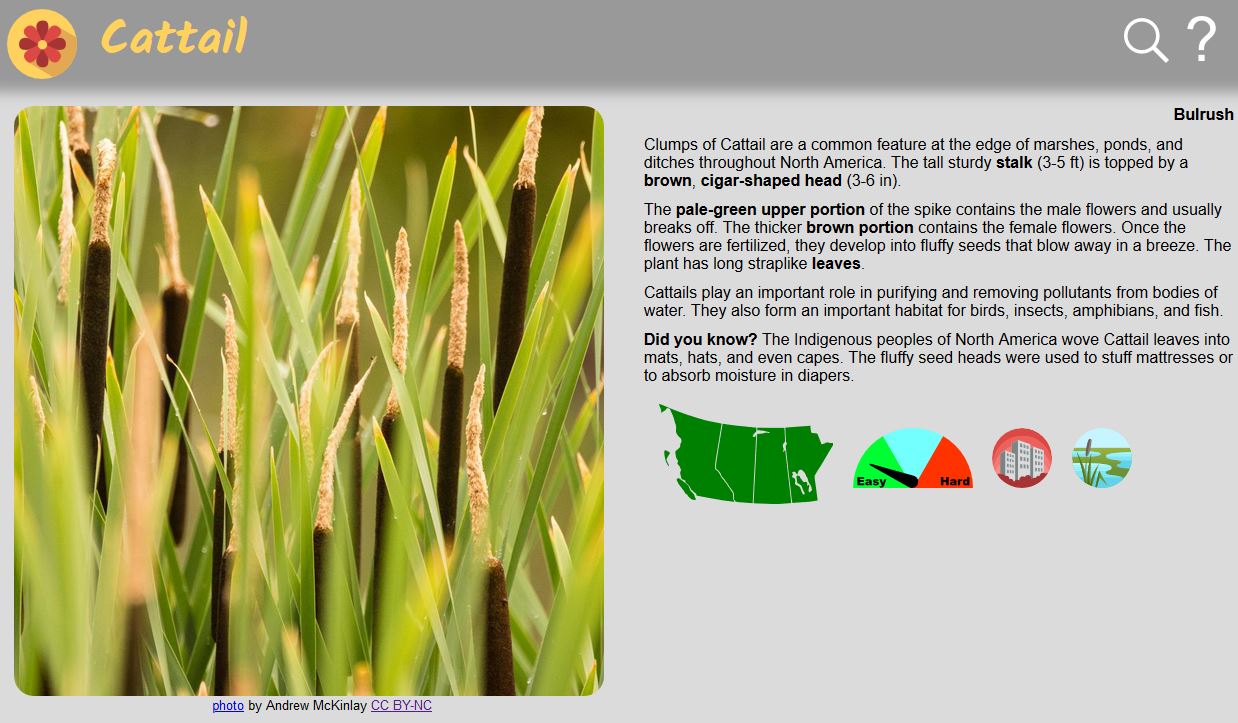
Cattails play an important role in purifying and removing pollutants from bodies of water. They also form an important habitat for birds, insects, amphibians, and fish. [Nature Companion

EcoFriendly Sask supports Saskatchewan environmental initiatives through an online publication, an events calendar, small grants, and the Nature Companion website/app. You can follow EcoFriendly Sask by liking us on Facebook, following us on Twitter, or subscribing by email (top right corner).
Tuesday, 10 August 2021

EcoSask News, August 10, 2021

big trees

Upcoming Events 
Kids ages 8-9 (9 am-12:15 pm) and 10-12 (1:30-4:45 pm) can join a forest adventure in Little Red River Park, Prince Albert, on Aug. 12. Neighbourhood bus pickups are available. 

SaskOutdoors is hosting a family paddle from 1-3 pm, Aug. 20, on Wascana Lake, Regina. Canoe rentals are available. 

All events are listed on the EcoFriendly Sask Calendar

More Fun for Kids 
Registration is now open for Nature Regina’s Get Outside Kids Club for 6-13 year olds. Sign-up is for the first 4 sessions on either Tuesdays or Thursdays. 

Project Noah has launched a free nature program for school classes with lessons on chipmunks, owls, spiders, animal tracks, camouflage, and orchids. You’ll find additional nature and environmental programs for children and youth listed on the EcoFriendly Sask website. 

Local News 
Prairie cities aren’t constrained by mountains or coastlines, which encourages lower-density neighbourhoods with large single-family homes and bungalow-style condos. But land isn’t the only issue. Lower-density neighbourhoods, as proposed by a number of Regina City Councillors, require more costly infrastructure (roads, sewer and water, etc.) and maintain a culture of car dependency. [Prairie Dog

“The interdependence of people, plants, and pollinators” – urban gardening initiatives in Saskatoon [Sask Dispatch]
 
big trees

Age Matters 
“Our tidy-minded forestry and our habit of treating trees as interchangeable are devastating to wildlife. ‘Replacing’ an old tree is no more meaningful than replacing an old master. The same applies to all ecosystems. When a trawler ploughs through biological structures on the seabed, they can take hundreds of years to fully recover. When a river is dredged and straightened, it becomes, by comparison to what it once was, an empty shell.” [The Guardian

It’s not enough to plant a million trees. You also need to take care of them and plant them in the right places. [Bloomberg City Lab

Our Common Future 
A landmark court victory for a BC First Nation sets an important precedent in defining “full and informed consent” and in recognizing First Nations as independent governments when negotiating with industry and other parties. But these actions may not be sufficient to ensure long-term sustainability: “We should be asking what is really needed and by whom, which development projects are beneficial in the long-term and whether projects that are totally dependent on the market demand should be approved. These are big challenges, and to properly address them it is necessary to question how we live, what we want or need, and how we envision our common future. The way in which we conceive development is a matter of mindset; how we frame and make sense of it can be changed if we challenge what the current society deems to be essential.” [The Conversation

“Urban walkable real estate is dramatically under supplied in relationship to demand. . . Sixty percent of Americans polled by the National Association of Realtors say they want to live within walking distance of places to work, shop and recreate. Only 10 percent want to be located in homes that only have access to other houses.” [Governing

Water-Smart 
4 universally applicable tips for building a water-smart city [Bloomberg City Lab

From toilet to tap – water-poor cities in the US explore water reuse strategies [Ensia

Individuals and communities in Alberta are being encouraged to take water monitoring into their own hands by looking for insects in rivers. [The Narwahl]
 
waterfall

Books 
We Have a Dream: Meet 30 Young Indigenous People and People of Colour Protecting the Planet by Mya-Rose Craig is a book for young adults with one page per activist describing what they do and what motivates them. [The Earthbound Report

Regeneration: Ending the Climate Crisis in One Generation by Paul Hawken “is a what- and how-to-do-it-book and website. It is about action and connection so that anyone on any level of agency can see exactly what they can do about climate challenges and solutions.” [The Tyee


Did you know? Bur Oak can resist forest fires thanks to its very thick bark. It can also tolerate drought as it has very deep roots 

Check out EcoFriendly Sask’s Nature Companion, a free nature app for Canada’s four western provinces 

EcoFriendly Sask supports Saskatchewan environmental initiatives through an online publication, an events calendar, small grants, and the Nature Companion website/app. You can follow EcoFriendly Sask by liking us on Facebook, following us on Twitter, or subscribing by email (top right corner).

Thursday, 22 July 2021

Community Highlights: Friends of the Saskatoon Afforestation Areas


1. How and when did you form your group? 
The non-profit Friends of the Saskatoon Afforestation Areas Inc. was created to preserve and restore the 326-acre Richard St. Barbe Baker Afforestation Area and the George Genereux Urban Regional Park in compliance with the City Council decision that these areas “be preserved in perpetuity.” Situated on the western edge of the city, the Richard St. Barbe Baker Afforestation Area and George Genereux Urban Regional Park are unique natural semi-wilderness habitats of great biodiversity. They are areas of all-season mixed woodland beauty with special geological, geographical, and historical elements, including Paleo-Indian and First Nations heritage. 

These man-made forests on the prairies are the only remaining portions of a 1970s City Plan to create a greenbelt around Saskatoon and were planted in response to the Green Survival program promoted in the US and Canada at that time. The afforestation area’s 50th birthday will be celebrated in 2022. We often remember City Manager Murray Totland’s words, “What would Saskatoon look like if it grew to half a million people?” and then we need to consider, “What do we want it to look like?” Greenspaces are not only nature-based solutions for climate action, but they promote health and wellness and support biodiversity and ecosystems. 

The Friends became an official environmental charity in October 2019 and received provincial non-profit incorporation in August 2019. Before that the Stewards and Stakeholders of the Richard St. Barbe Baker Afforestation Area volunteers were a loosely knit group of people meeting regularly to conduct afforestation area clean-ups and speak before City of Saskatoon council and committee meetings. 

2. What are your principal activities and why do you believe they’re important? 
We believe this project can be part of an effective long-term strategy to focus our vision of living together on the land in the spirit of Witaskêwin. In a significant way this project allows the past to meet the present and future. The rich geological, historical, natural, and cultural heritage of the areas honours where we have been. Science, conservation, and hands-on learning about the land, the environment, and sustainability ensure our future. “In the end, we will conserve only what we love. We will love only what we understand. We will understand only what we are taught.” (Baba Dioum) 

Richard St. Barbe Baker said it best when he adopted the African Kikyuyu word Twahmwe meaning “all as one” or “pull together” as the slogan for the International Tree Foundation when he initiated the Watu wa Miti Forest Guardians who had three missions: 
1. Plant ten trees, seedlings, or seeds each year. 
2. Do a good deed every day. 
3. Care for trees everywhere. 


3. What were your successes (big or small) in 2020? 
We worked with University of Saskatchewan classes, engaged in virtual tours, education and awareness campaigns, and supported the “Take it Outside” City of Saskatoon program during COVID, promoting the use of about 475 acres of greenwoods for social distancing with seating and bird stations in the forest. 

We were very grateful to Paul Hanley and Robert White, who personally knew Richard St. Barbe Baker, for increasing public awareness of the great humanitarian efforts achieved worldwide by Baker. 

We appreciate the volunteers who come out to document flora and fauna on the iNaturalist app (individually or during bio-blitzes) to assist the City of Saskatoon and the Meewasin Valley Authority develop their ecological assessment, which will lead to the Master Plan for the afforestation areas in conjunction with the Blairmore Sector development plan. 

On June 5, 2021, World Environment Day, an amazing team of volunteers removed 9,860 kg of trash from George Genereux Park. In the spring, we removed a make-shift log structure which had started to fall down and could have harmed both people and the nearby ecosystem. 

In the past few years, the Friends have organized community volunteer clean-ups removing over 21,790 kg of trash from George Genereux Urban Regional Park and over 38,300 kg of illegally dumped materials from the two afforestation areas. This has made the areas safe for public enjoyment and a variety of recreational and educational user activities. 


4. What would you like to achieve in 2021? 
The afforestation areas have received $100,000 of federal funding to build barriers to stop motorized vehicles from entering and dumping garbage. We will also be installing identification signage, conducting ecological surveys and bio-blitzes to identify significant species and landscape features, and holding garbage clean-ups and educational programming. 

With this Government of Canada funding, it is hoped that environmental protection programming can take place in healthy green spaces. Classes can take part in bio-blitzes; families can engage in nature walks; wedding parties can come out for photographic sessions; and folks can come out and gaze at the meteor showers. 

We look forward to working with our partner, SOS Trees, on climate action activities the Friends will be undertaking. 

5. If you could have 3 wishes for improving your community, what would they be? 
1. To welcome to both afforestation areas those users who appreciate the value of these hidden treasures – man-made mixed woodland oases on the prairies. Benefits are community development, user health and wellness, alongside fabulous all-season nature sightseeing at both the Richard St. Barbe Baker Afforestation Area and the 148-acre George Genereux Urban Regional Park. Everyone is welcome to join the Friends of the Saskatoon Afforestation Areas and recognize the true treasure and value of the afforestation areas, which have great potential. (https://stbarbebaker.wordpress.com, friendsofafforestation@gmail.com, 306.380.5368) 

2. That people recognize the importance and value of EcoFriendly Sask and their invaluable service to green groups and the environment of Saskatoon and area. Thank you for your funding support and for all that you do, because EcoFriendly Sask is a mentor and provides role models for improving the community in Saskatoon. 

3. “It is fitting that the afforestation area named after Richard St Barbe Baker, arguably the first global conservationist, be protected and become a site where the public can see the rich biodiversity resulting from planting trees in what was a summer fallow field in 1972.” (Robert White, Masters in Science in Ecology, Friends of the Saskatoon Afforestation Areas Inc.) 

Photo Credits: #1 Vivian Allan, #2 Shwetha Gopinath, #3 Julia Adamson

EcoFriendly Sask supports Saskatchewan environmental initiatives through an online publication, an events calendar, small grants, and the Nature Companion website/app. You can follow EcoFriendly Sask by liking us on Facebook, following us on Twitter, or subscribing by email (top right corner).

Tuesday, 20 July 2021

EcoSask News, July 20, 2021

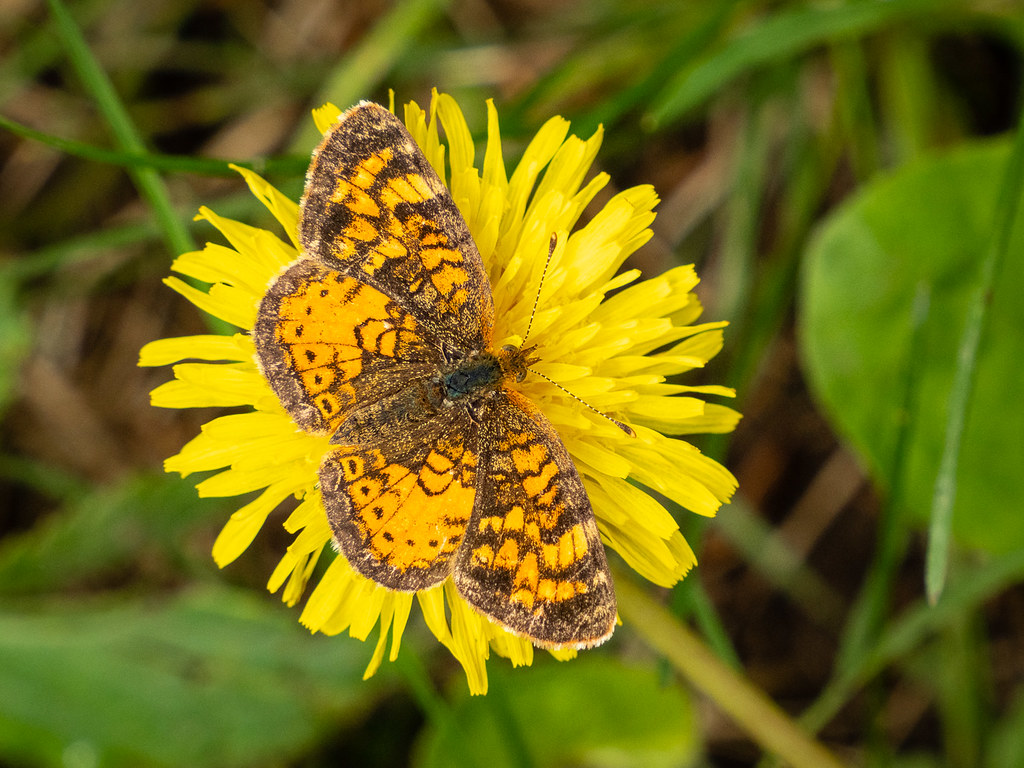
Northern Crescent ?

This Week’s Highlights 
One quarter of methane emissions on oil and gas sites come from tanks, which are designed to allow the methane to off-gas: that’s not a leak, that’s a design problem. [CBC]

Beavers are being reintroduced to Utah’s desert landscape. If they become established, “their impacts can be wide-reaching. Just one beaver dam can improve water quality, as well as acting as a firebreaker for the surrounding land.” [BBC

Upcoming Events 
Efficiency Canada is hosting a virtual energy efficiency networking event from 1-1:45 pm, July 22. 

Join a nation-wide backyard bioblitz coordinated by the Nature Conservancy of Canada, July 29-Aug. 2. 

City of Saskatoon residents can dispose of household hazardous waste from 9 am-3:30 pm, Aug. 8. 

All events are listed on the EcoFriendly Sask Calendar

Local News 
SOS Trees is urging Saskatoon residents to ask City Council to eliminate landfill fees for the safe disposal of elm as a contribution to protecting the city’s urban forest. [SOS Trees

Global warming, urban growth, and spring run-off from farm fertilizers are degrading surface waters in southern Saskatchewan and creating poisonous toxins. [Regina Leader Post

The Wildlife Rescue Society of Saskatchewan and The Fur-Bearers address issues surrounding human-wildlife coexistence through local efforts to protect a family of foxes and to respond to the trapping and killing of coyotes in Vancouver’s Stanley Park. [WRSOS, The Fur-Bearers

Prince Albert's plastic bag ban will go into effect Oct. 12 after being delayed due to the pandemic. Saskatchewan produces the second-most waste per capita in Canada. [CBC]
 
Leconte's Haploa Moth ?

Reuse & Repair
Some reusable kitchenware products have a greater environmental impact than single-use products. Silicone sandwich bags and beeswax wraps use too much water and energy to be beneficial. [Anthropocene

More and more products aren’t easily repairable – from laptop computers to farm machinery. Here's why we need the right to repair and what it should entail – information, parts and tools, legal unlocking, and accommodating repair in design. [New York Times Wirecutter

Retrofitting Our Homes & Cities 
“Pavement — comprising roads and parking lots — takes up roughly 30% of the city surface. . . Removing urban pavement would reduce stormwater run-off and treatment, rebuild natural climate buffers in cities, release soil from confinement, make space to plant trees, sequester carbon, and allow people to breathe fresh air, not asphalt.” [Next City

Home energy renovations (insulation, heat pumps, better windows) could create jobs and save on healthcare costs. [Pembina Institute report

EcoFriendly Sask supports Saskatchewan environmental initiatives through an online publication, an events calendar, small grants, and the Nature Companion website/app. You can follow EcoFriendly Sask by liking us on Facebook, following us on Twitter, or subscribe by email (top right corner).

Did you know? Hawk Moth fly and move like hummingbirds and can be seen hovering in front of a flower while they unfurl their long tongue and insert it in the flower to sip the nectar.

Tuesday, 1 June 2021

EcoSask News, June 1, 2021

Canada Geese goslings

This Week’s Highlights 
SaskPower is holding online conversations on June 9 & 16 to consult with the public on its long-term power strategy. You can register for morning or afternoon sessions. 

“Environmentalism emerged from the 1960s as a movement to save the natural world. Now it seems to have been appropriated to describe the fight to save industrial civilisation — life as we know it.” 

Upcoming Events 
Margret Asmuss will provide an overview of climate impacts and action in Saskatchewan at 6:30 pm, June 3, online. 

City of Saskatoon residents can dispose of household hazardous waste from 9 am to 3:30 pm on June 6. 

There will be a noon-hour webinar on bats on June 8 as part of the Native Prairie Speaker Series. 

The Provincial Association of Resort Communities of Saskatchewan is hosting a webinar with Jo Jozsa discussing zoning bylaws to protect lakes at 7 pm, June 9. 

Project WILD and Flying WILD will be combined in a one-day virtual workshop on June 10. 

City Life
Form follows fuel: “From the earliest known archeological remains to the trends of the 21st century, the availability of energy has shaped architecture. That’s a perspective that deserves exploring, especially since the energy constraints imposed by climate change now present ‘the toughest challenge the world of architecture has ever faced’.” [book review] 

Canadian cities tend to sprawl – and sprawl costs money, time, and energy. What if we moved away from that model to the “20-minute city” where everything you need (work, grocery store, coffee shop) is within 20 minutes? “Touted benefits include better air quality, a healthier population, higher property values and lower transportation costs for those who can eschew an automobile. . . . Making cities more walkable involves creating a more compact footprint, where more businesses are built near existing homes. But it also means building housing near existing businesses, such as stores and restaurants.”

Canmore, AB, has grown from a small coal-mining community to a large bustling tourist destination. Residents are now struggling to reconcile tourism development with climate, transportation, and housing goals, as well as protection of an important wildlife corridor. A group of residents hopes to purchase a piece of land to create a permanent conservation area and affordable housing. 
 
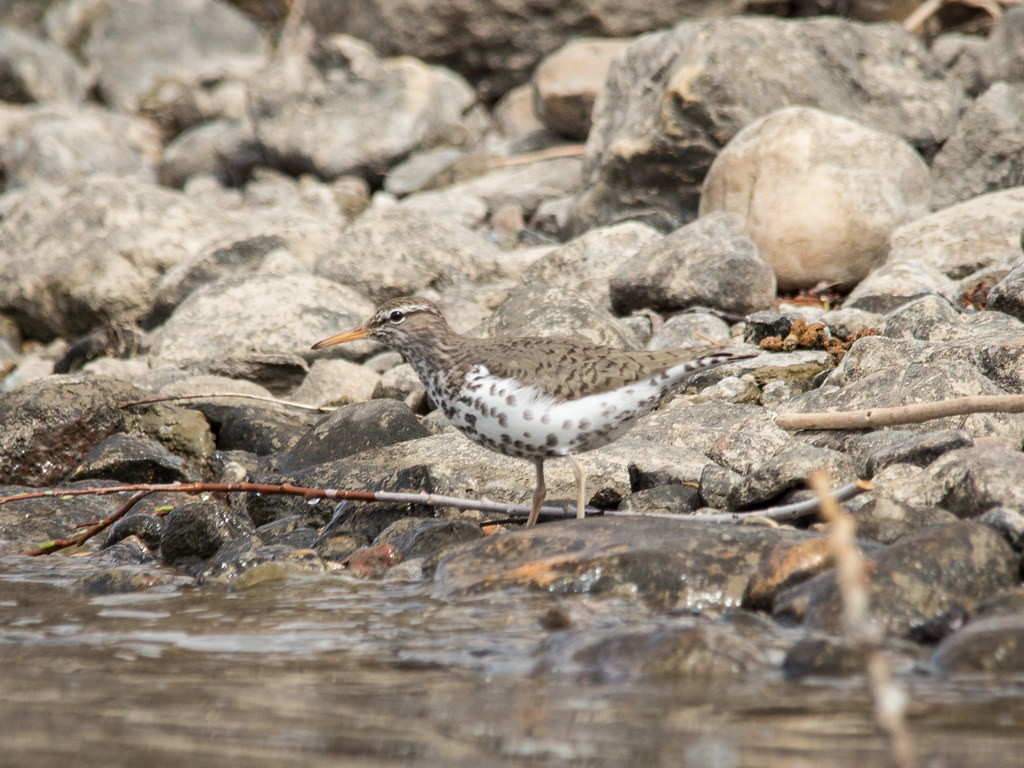
Spotted sandpiper

We Can Do Better 
Smokescreen: Debunking Wildfire Myths to Save Our Forests and Our Climate by Chad T. Hanson explains why wildfire are beneficial, the role fire-burned trees play in maintaining biodiversity, and the need to focus on home fire safety and defensible space as opposed to back-country vegetation management. [book review] 

Hydrofluorocarbons (HFCs) are used in air conditioning and refrigeration systems and are “hundreds to thousands of times more potent than carbon dioxide at trapping heat in the atmosphere”. Refrigeration systems in supermarkets aren’t air-tight, so they lose 25% of their refrigerant every year – “that amounts to emissions equivalent to more than 12 million cars driving for a year”. There are alternatives, as demonstrated by a New York City grocery store, but no easy answers. [podcast & transcript] 

Arbor Week 


Did you know? Female Spotted Sandpipers mate with up to 5 males, leaving the males to incubate the eggs and feed the young [Nature Companion is downloadable directly from its website

EcoFriendly Sask supports Saskatchewan environmental initiatives through an online publication, an events calendar, small grants, and the Nature Companion website/app. You can follow EcoFriendly Sask by liking us on Facebook, following us on Twitter, or subscribe by email (top right corner).
Tuesday, 25 May 2021

EcoSask News, May 25, 2021

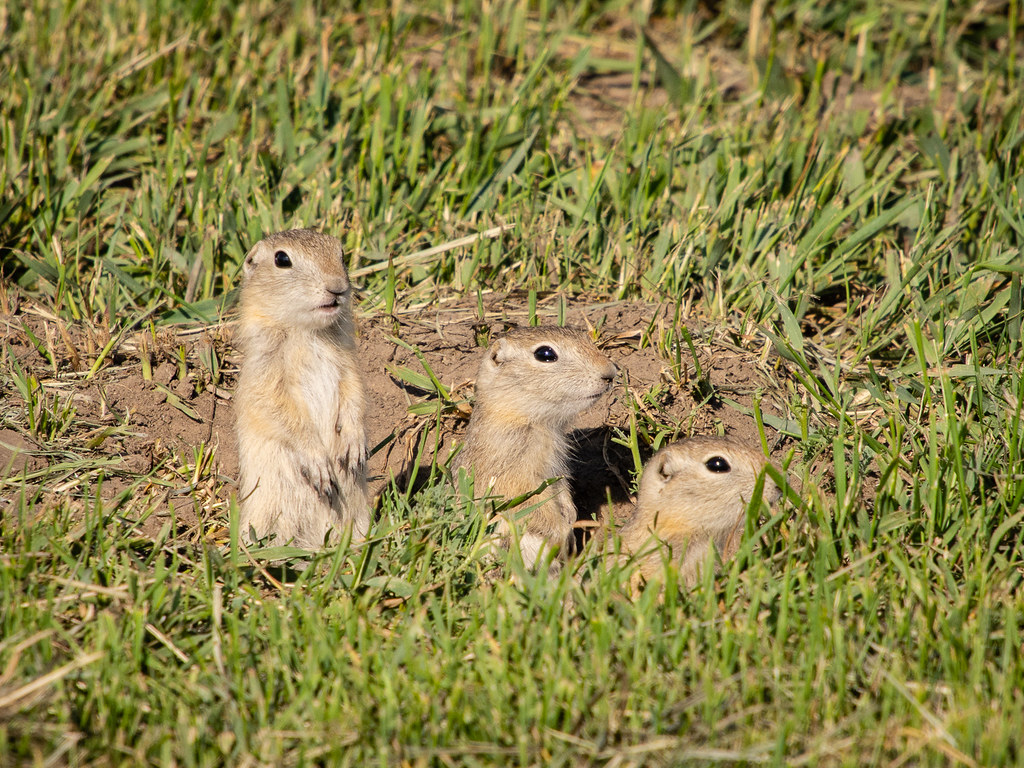
gophers (Richardsons ground squirrels)

This Week’s Highlights 
“Storing and transporting excess renewable energy as hydrogen could reshape global energy politics. . . . Because the ones [countries] best equipped to export green hydrogen are so geographically and politically diverse—from Morocco to Australia to Norway—the rise of green hydrogen may lower the temperature on international oil and gas politics, as well as the global climate.” 

Regina Public Library is hosting an online program about artists who focus on sustainability at 7 pm, June 3. 

Upcoming Events 
City of Regina residents can dispose of hazardous waste from 4-7 pm on Friday, 9 am-4 pm, Saturday, and 9 am-4 pm, Sunday, May 28-30. 

Nature Saskatchewan is hosting World Migratory Bird Day celebrations on May 29 in Regina. Register in advance. 

Learn wildlife tracking skills and how to put them to use in the summer in a Nature Conservancy of Canada webinar at 6:30 pm, May 31. 

Nature Regina will hold an online annual general meeting at 7 pm, May 31. 

The Provincial Association of Resort Communities of Saskatchewan is hosting a webinar on keeping invasive species out of our lakes at 7 pm, June 2. 

Mark Jaccard will host a discussion of his book, The Citizen’s Guide to Climate Success, at the breakfast meeting of the Energy Management Task Force. 


Saskatoon Nature Society – Golden Eagles 
June 3, 9 am – Donna Birkmaier Park 
June 10, 9 am – Chappell Marsh/Richard St. Barbe Baker Afforestation Area 
Retirees and partners who are interested in birds and the natural world are invited to participate

Other Saskatoon Nature Society Field Trips 
June 5, 8 am-noon – Birding in Dundurn Area Pastures 
June 6, 1-3 pm – Arbor Week Hike 
June 11, 9:30-11:30 pm – Firefly Hike to NE Swale 
June 13, 8:30 am-2 pm – Member Visit to NCC Asquith Site 
June 15, 6:30-9 pm – Wildflowers at the Small Swale 
Field trips are currently for members only, so sign up now. Advance registration is required.
 
Golden bean

Did you know? Indigenous peoples of North America used the golden bean flowers to make a yellow dye (Nature Companion, a free nature app for Canada’s 4 western provinces is downloadable directly from its website

Plastics 
Every year 380 million tonnes of plastic are produced and just 16% is recycled. But what if we could unmake it? “Chemical recycling is an attempt to recycle the unrecyclable. Instead of a system where some plastics are rejected because they are the wrong colour or made of composites, chemical recycling could see all types of plastic fed into an ‘infinite’ recycling system that unmake plastics back into oil, so they can then be used to make plastic again.” 


Wind Energy 
Wind turbines pose a threat to birds. Fortunately, high-tech safeguards are being developed to ensure birds’ safety


EcoFriendly Sask supports Saskatchewan environmental initiatives through an online publication, an events calendar, small grants, and the Nature Companion website/app. You can follow EcoFriendly Sask by liking us on Facebook, following us on Twitter, or by email (top right corner).

Tuesday, 18 May 2021

EcoSask News, May 18, 2021

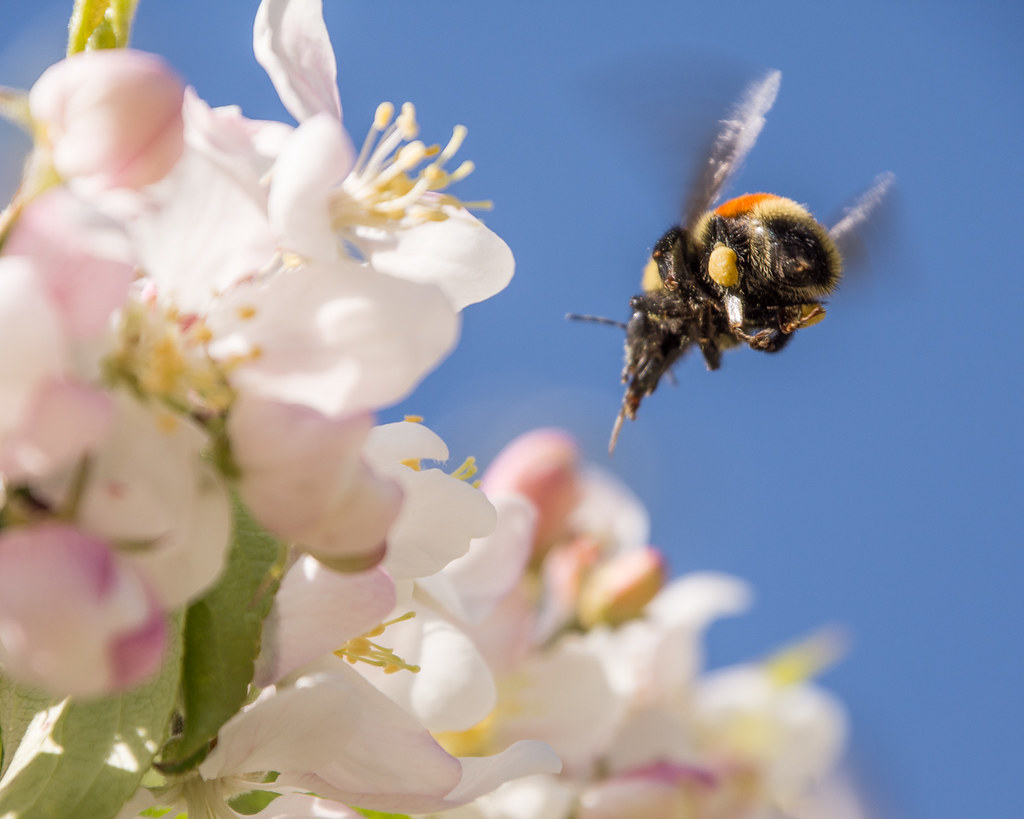
busy bee

This Week’s Highlights 
Citizens Environmental Alliance has initiated a House of Commons petition regarding the need for an environmental assessment of the Lake Diefenbaker Irrigation Expansion project. 

SOS Trees is hosting Arbor Week in Saskatoon from May 28-June 6 with activities ranging from art to talks, tree planting, and tours. 

Upcoming Events 
Kids ages 6-13 are invited to participate in the Get Outside Kids Club on May 19 or 26 in Regina. 

Join some of Regina’s city councillors as they talk with Seth Klein, Jamie Kirkpatrick, and Haley Carlson about Regina’s path towards sustainability from 6-8 pm, May 25, online. 

Nature Saskatchewan is hosting a virtual book launch for Backyard Bird Feeding: A Saskatchewan Guide at 7 pm, May 25. 

Peter Leavitt will discuss what controls lake water quality at 7 pm, May 26, online. 

Looking Ahead 
SaskOutdoors and the Saskatchewan Orienteering Association are offering orienteering for kids and youth in Saskatoon on May 31, June 7, 14, and 21. 

Saskatoon Nature Society – Golden Eagles 
May 20, 8 am – Forestry Farm Spring Bird Walk 
May 27, 8 am – Warblers, Pike Lake Acreage 
Retirees and partners who are interested in birds and the natural world are invited to participate. 

Other Saskatoon Nature Society Field Trips 
May 22, 9 am-12 pm – Birding Trip to Porter Lake 
May 23, 7:30-9 am – Warbler Walk at Forestry Farm 
May 25, 7-9 pm – Birding at Maple Grove 
May 26, 6:30-9 pm – Wildflowers at NE Swale 
May 29 – May Bird Count 
Field trips are currently for members only, so sign up now. Advance registration is required.
 
Untitled 

Well Done! 
The City of Victoria will soon require buildings to be deconstructed rather than demolished in order to salvage reusable materials. “Currently, more than a third of materials going to Victoria landfills each year are generated from the construction sector, and much of that is a result of poor demolition waste management. . . . City staff estimate that salvaging materials from single-families alone would divert 3,000 tonnes of waste from landfills each year.” (via Capital Daily

Opera houses are going green. La Scala in Milan has installed solar panels and LED lights, while Sydney Opera House built an artificial reef. Opera North in Leeds is creating sets out of recycled materials. 

New York State is addressing plastic pollution by banning the use of small toiletry bottles in hotels

We Can Do Better 
“Population growth, more houses with air conditioning, larger homes, and fewer people per household . . . are all driving residential energy use and emissions upwards. . . . Hitting climate targets depends on building smaller single-family homes and more multi-family housing (including converting large single-family homes to multi-unit dwellings), consistent with the shrinking number of people per household.” 

AirBnB’s carbon footprint is bigger than you think – a look at ways of making tourist accommodation more environmentally sustainable

EcoFriendly Sask supports Saskatchewan environmental initiatives through an online publication, an events calendar, small grants, and the Nature Companion website/app. You can follow EcoFriendly Sask by liking us on Facebook, following us on Twitter, or by email (top right corner). 

We’re in it for the birds! (Nature Companion, a free nature app for Canada’s four western provinces)