Showing posts with label Sharing Economy. Show all posts

Tuesday, 21 December 2021

EcoSask News, December 21, 2021

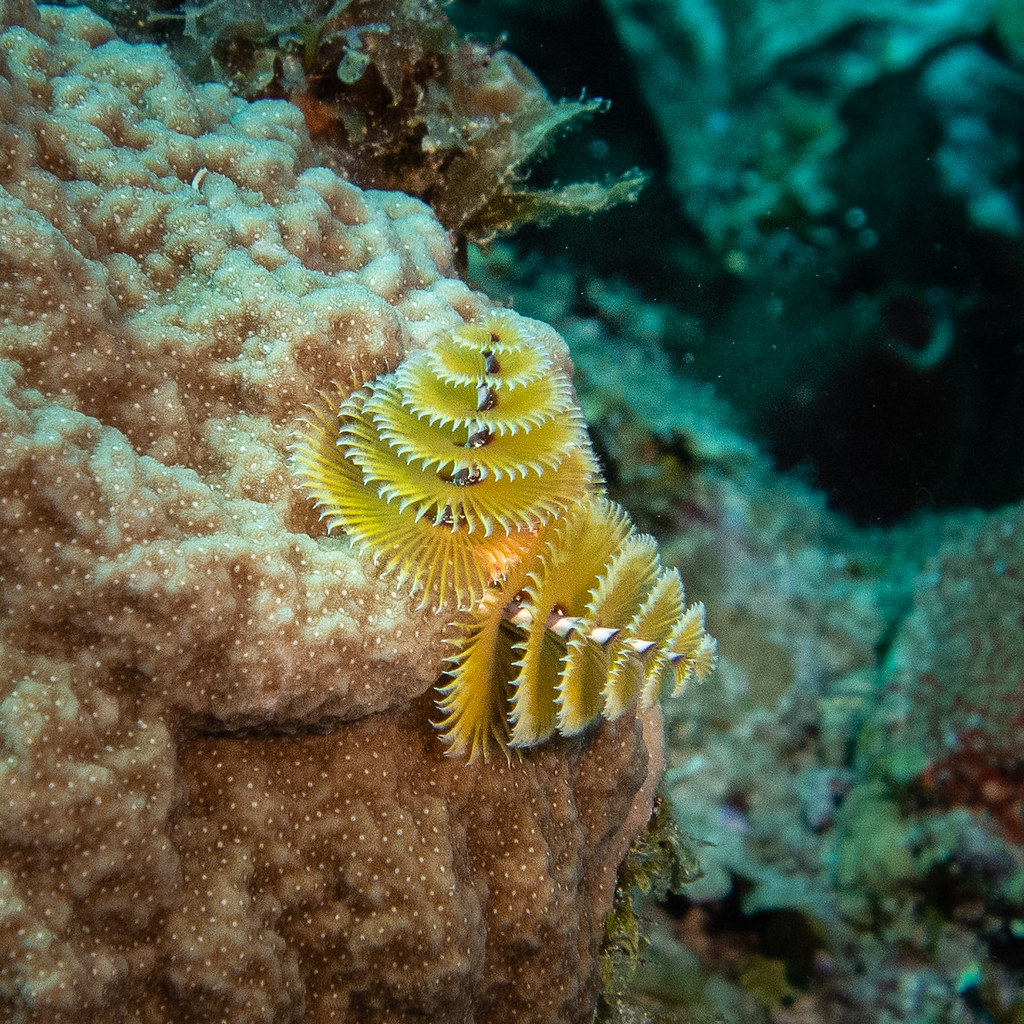
Christmas tree worm

Ocean-dwelling Christmas tree worms use their festive crowns to catch dinner as it floats by. [Oceana]

Upcoming Events 
Participate in iNaturalist’s Winter Bug Project from now until March 1, 2022. Photograph any arthropod (insect, spider, sowbug, etc.) found active indoors or out – in Alberta or Saskatchewan – on land or in water (but not including pets or pet food) and post it online. Experts will help you identify it and it will be added to the count.

Gardening at USask is offering the following online classes, beginning at 7 pm: 
Jan. 3 – Winter Compost Tips 
Feb. 7 – Wasps 

Details about all upcoming events can be found on the EcoFriendly Sask Calendar 

Construction 
Climate Caucus, a group of locally-elected climate leaders, has asked the federal government to adopt an energy-efficient, zero-carbon, outcomes-based building code that will set a high standard for local governments. [LinkedIn

“If buildings are to make meaningful contributions to keeping global temperature rise to 1.5 C above pre-industrial levels, limiting emissions from building materials is crucial.” [The Conversation]
 
Untitled

Transportation 
“Instead of funding new and wider roads, we should build places where people want to slow down and get out of their cars.” [Undark

A cartoon lampoons the growing size of trucks and SUVs – Share the road? No way! [The Nib via Planetizen


Toronto has amended its bylaws to allow pedal-assisted cargo e-bikes for personal and commercial delivery purposes, but “emerging issues regarding vehicle and pedestrian safety highlight a need to examine how best to regulate cargo e-bikes.” [Pembina Institute

Consumption 
The sale of peat to gardeners in England and Wales will be banned by 2024. The government hopes to end use of peat in the professional horticulture sector by 2028. [The Guardian

Le Printemps, an iconic Parisian department store, has transformed its top floor into an haute couture and vintage thrift store that also showcases sustainable brands. [Sortir à Paris

“The Day the World Stops Shopping offers a thought experiment: what if, overnight, we reduced shopping by 25%? What would happen? … What would it mean for fashion brands? What about the people who make those clothes in low income countries? How would it affect the advertising industry, or traffic rates? What would happen to the global economy, and to carbon emissions? Nature gets a look in too, with a chapter investigating the impact on wildlife.” [book review, The Earthbound Report

Water 
Proposed coal mining in southern Alberta could lead to contamination of the South Saskatchewan River from metals such as arsenic, selenium, and cadmium. “If you’re going to look at mining development of the headwaters, you have to look at the whole river basin, the whole watershed, and follow the impacts downstream … And that hasn’t been done.” [The StarPhoenix

Shifting Priorities 
“Genuinely sustainable investing could help shift trillions of dollars toward renewable energy and other clean technologies, but only with strong parameters. So far, however, there are no stringent requirements in Canada for climate disclosures, nor is there a single set of standards for what counts as a sustainable investment—regulatory gaps that can make it hard for climate-conscious investors to know how to make the right choices.” [The Walrus

Wishing you a very happy Christmas from Andrew and Penny at EcoFriendly Sask. We’ll be back next Tuesday with a Boxing Day Book Special and EcoSask News will resume on January 4. 
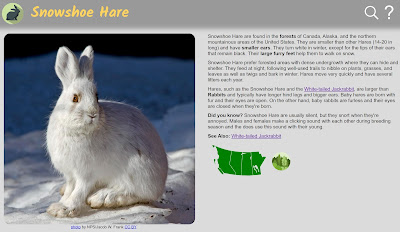

Snowshoe Hare snort when they’re annoyed. Find out more on EcoFriendly Sask’s free nature website/app for Canada’s 4 western provinces. [Nature Companion]

EcoFriendly Sask supports Saskatchewan environmental initiatives through an online publication, an events calendar, small grants, and the Nature Companion website/app. You can follow EcoFriendly Sask by liking us on Facebook, following us on Twitter, or subscribing by email (top right corner).

Tuesday, 7 December 2021

EcoSask News, December 7, 2021

Green moray eel

Upcoming Events 
Citizens Environmental Alliance is holding its third annual Farmland Drainage and the Environment Virtual Conference from Dec. 14-17: 
7 pm, Dec. 14 – Lake Diefenbaker Irrigation Projects Town Hall 
10 am, Dec. 15 – Crown (Public) Lands Gone Forever 
10 am, Dec. 16 – Wetlands and Their Role in the Resilience of Prairie Communities 
10 am, Dec. 17 – All Our Conversations Begin with Treaty – The Duty to Consult in Saskatchewan 

Full details on all upcoming events can be found on the EcoFriendly Sask Calendar 

Across the West 
The Government of Manitoba has leased St. Ambroise Beach Provincial Park to a private operator and is contemplating additional public-private partnerships. [CBC

“The South Saskatchewan River is well into the seasonal changes shared by cold-region rivers worldwide. As temperatures drop, life in and around the river begins to change. While a cover of ice suggests dormancy, under that cap of ice, water still flows, and life carries on.” An article by the South East Alberta Watershed Alliance explains how a cover of ice affects rivers and aquatic life. [SEAWA]
 
Untitled

We Can Make a Difference 
“Organic and agroecological farmers … typically plant a cover crop to restore their soil with nutrients and organic matter. Turns out, cover crops and other key practices in organic, regenerative, and agroecological farming also help farms weather the climate crisis. In addition to keeping soils stable during floods, they protect the ground from extreme heat, which can kill important microbial ecosystems, and help retain moisture during dry spells.” [National Observer

A tiny bridge, just 12 metres long and 30 cm wide across a UK railway line, will connect two endangered hazel dormouse populations thereby increasing genetic diversity. [The Guardian

Strava Metro is a tool for charting human-powered movement. It is now free to urban planners and advocacy groups so they can keep improving active transportation infrastructure. [Strava

7 people talk about how they turned their back on consumerism – from furnishing a home for free to secondhand baby clothes to following the 90-day rule. [The Guardian

Education 
Climate Fresk is a collaborative workshop to collectively understand the implications of climate change and trigger action. Jeremy Williams, The Earthbound Report, says, “Climate Fresk have developed a set of cards that explain climate science … It deals with some surprisingly complicated science, but participants get to the answers through discussion and sharing what they know, tapping into a kind of ‘collective intelligence’.” [Climate Fresk

Climate Watch 
Soon, 1 out of every 15 points of light in the sky will be a satellite. There are currently no regulations to govern an industry creating air and light pollution. [The Conversation

While a controlled release of treated wastewater from oilsands tailings ponds is seen as preferable to a sudden accidental release, concerns are being raised about deteriorating water quality in the Athabasca River and downstream. [CBC

MiningWatch Canada has released an interactive map about mining impacts worldwide, noting issues with polluted air, land, and water; waste management; tourism; and biodiversity. [Environmental Justice Atlas]
 
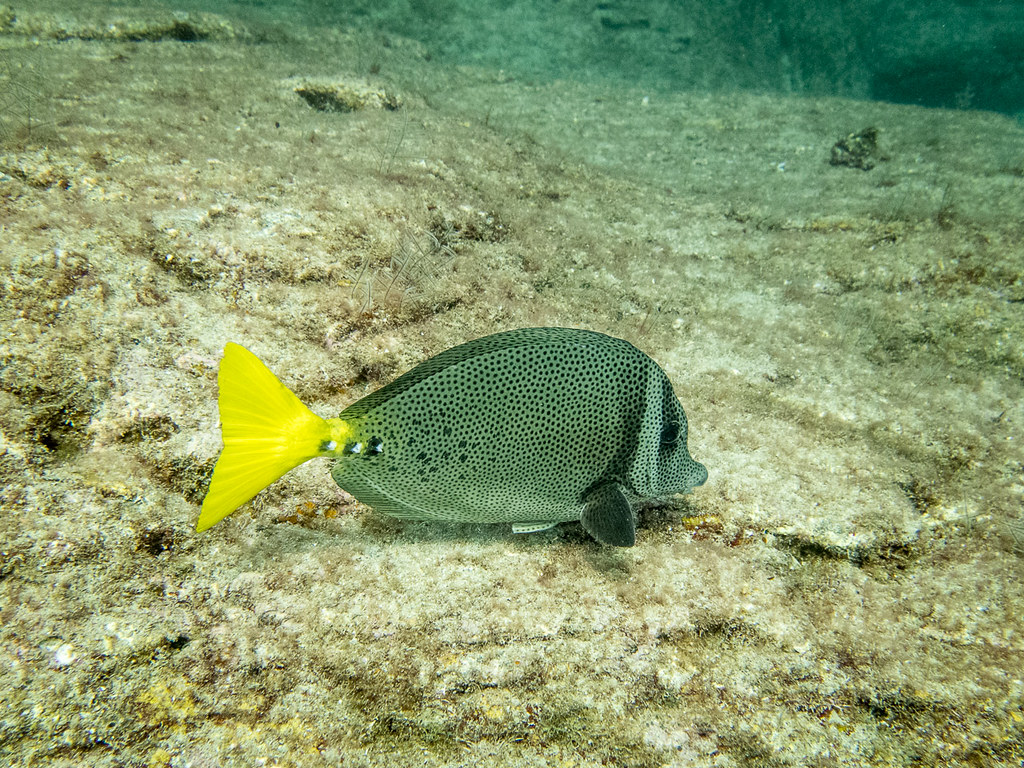
surgeonfish

Good News! 
“Ecuador’s constitutional court has blocked plans to mine copper and gold in Los Cedros, a protected cloud forest, ruling that the plans violate the rights of nature.” [Yale Environment 360

That’s Amazing! 
“Every evening, after twilight gives way to dark, hordes of marine creatures — from tiny zooplankton to hulking sharks — rise from the deep to spend the night near the surface.” Researchers are just beginning to understand the purpose and extent of this vertical migration. [Knowable Magazine

EcoFriendly Sask supports Saskatchewan environmental initiatives through an online publication, an events calendar, small grants, and the Nature Companion website/app. You can follow EcoFriendly Sask by liking us on Facebook, following us on Twitter, or subscribing by email (top right corner).

Tuesday, 28 September 2021

EcoSask News, September 28, 2021

autumn sunrise

Upcoming Events 
Last of the Right Whales premieres at the Calgary International Film Fest Sept. 26. It will be available online from Sept 27-Oct 3 in Alberta, Saskatchewan, and Manitoba. 

The Wildlife Rescue Society of Saskatchewan is holding an online information session for rescue and transport volunteers at 2 pm, Oct. 2. 

Library of Things, Saskatoon, will be open for pick-ups by reservation from 1-4 pm, Oct. 2. 

City of Saskatoon residents can dispose of household hazardous waste from 9 am to 3:30 pm, Oct. 3. 

Saskatoon’s Energy Management Task Force is offering an online update on DEEP from 7:30-9:15 am, Oct. 6. 

The Johnson-Shoyama Graduate School of Public Policy is hosting a video conference on measuring greenhouse gas sources and sinks in the Canadian Prairies crop sector from 12-12:55 pm, Oct. 7. Register to participate. 

Looking Ahead 
The Saskatchewan Waste Reduction Council is hosting repair cafés in Regina, Saskatoon, and online from 10 am-2 pm, Oct. 23. You’re encouraged to book an appointment for both live and virtual events. 

Full details on all upcoming events can be found on the EcoFriendly Sask Calendar
 
fall colors

Local News 
Great news - and well deserved! Wild About Saskatoon: NatureCity Experience is a finalist for a national Community Action Award from the National Museum of Nature. 

This article counters the current arguments in favour of grass-raised beef from a cost, scale, and environmental impact perspective. The article states, “Regenerative ranching begins with the assumption that cattle must be commercially ranched and then backfills an ecological narrative to sustain that assumption.” [The New Republic

A joint City/University research study has found a wide range of pharmaceuticals and chemicals in Saskatoon’s wastewater. “The levels we have measured are not high enough to be likely to acutely impact aquatic organisms living in the river. But that does not mean that there are no chronic, long-term implications that might manifest over longer time scales.” [CTV News

Urban Coyote, a poem by Glen Sorestad. [This Singing Land kanikamot askiy

Healthy People, Healthy Environment 
A new report states that climate change is a threat to public health as well as the environment and the economy. It will affect everyone but not equally, depending on factors such as age, access to health care, and economic disadvantages. [Canadian Institute for Climate Choices

The 3-30-300 rule is designed to create equitable access to urban forests, addressing air pollution and urban heat islands. A few communities, such as Saanich in BC, have adopted the rule which calls for every resident to be able to see at least 3 decent-sized trees from their home, live in neighbourhoods with at least 30% tree canopy cover, and live no more than 300 meters from the nearest public green space. [Nature Canada]

fall colors

Pollution Prevention 
The Sierra Club has endorsed a strong statement opposing “unnecessary and harmful artificial lighting during the day and night.” They provide a comprehensive explanation for their rationale as well as a list of the over 70 references and resources that were consulted in developing the policy. [Sierra Club]

“The production of steel, cement, and ammonia together emit about one-fifth of all human-caused CO2. Technologies are emerging that promise to decarbonize these problem industries, but analysts warn that big challenges remain before the processes can be cleaned up.” [Yale Environment 360

Planned obsolescence may be good for phone companies but it’s bad for users’ wallets and even worse for the planet, because it encourages people to treat their phones as disposable. No one really knows how much e-waste (electronic refuse) is generated every year, but one recent estimate put it at 53.6m metric tonnes in 2019. [The Guardian

Book Reviews 
Gernot Wagner, author of Geoengineering: The Gamble, says it’s right to be skeptical about solar geoengineering (reflecting solar radiation back into space), but it can’t be ignored as somebody is likely to try it eventually. [Earthbound Report

“In Hurricane Lizards and Plastic Squid: The Fraught and Fascinating Biology of Climate Change, [Thor] Hanson talks to scientists all over the world about how plants and animals are moving and changing, and why some are inherently better set up for success than others.” [The Revelator


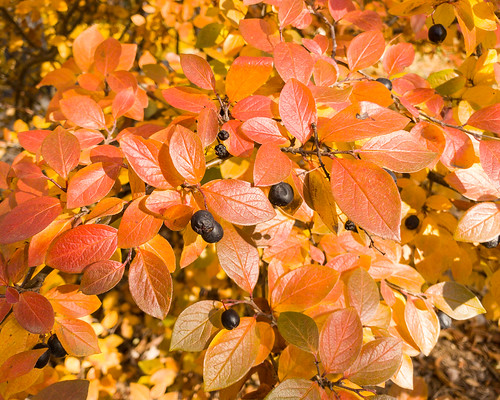
Did you know? Highbush Cranberry belongs to the honeysuckle family and isn’t actually a cranberry. 

EcoFriendly Sask supports Saskatchewan environmental initiatives through an online publication, an events calendar, small grants, and the Nature Companion website/app. You can follow EcoFriendly Sask by liking us on Facebook, following us on Twitter, or subscribing by email (top right corner).

Tuesday, 14 September 2021

EcoSask News, September 14, 2021

wood frog

Upcoming Events 
The Saskatoon Nature Society is hosting an online presentation on amphibians at 7:30 pm, Sept. 16. 

Library of Things, Saskatoon, will be open for pick-ups by reservation from the back door in the alley from 1-4 pm, Sept. 18. 

Nature Regina is hosting a presentation on the Treaty Land Sharing Network at 7:30 pm, Sept. 20, at the Royal Saskatchewan Museum. 

The Saskatoon Nature Society is inviting the public to attend a Sandhill Crane viewing from 6-8 pm, Sept. 20. 

The Saskatchewan Environmental Society and the Saskatoon Public Library are offering an online presentation on Electricity in Saskatchewan: Current Status, Future Prospects from 7-8:30 pm, Sept. 21. 

The Johnson-Shoyama Graduate School of Public Policy is hosting a video conference on nuclear development, communicating risk, and public engagement at noon, Sept. 23. 

There will be a global climate strike at noon, Sept. 24, in Saskatoon. 
 
Full event details can be found on the EcoFriendly Sask Calendar

Local News 
William Hale has opened a used electric vehicle dealership in Saskatoon. William says he’s driven an electric vehicle (EV), winter and summer, for 3 years and loves it. “The electrification of transportation is one of the principal pathways to a low carbon economy and I want to help with this transition in Saskatchewan,” he explains. The dealership offers a lower-priced entry into the EV market and an opportunity to ask questions and test drive the vehicles. They also sell and install EV chargers for home use. 

Green Shift Automotive in Regina sells a range of electric vehicles from bikes, scooters, and skateboards to hybrid and electric cars. 

Alberta Lake Management Society is offering a fall webinar series with applicability across Canada. 

Transportation 
Exposure to traffic noise is associated with a range of health problems, including dementia, heart disease, diabetes, and obesity. [The Guardian

The six problems aviation must fix to hit net zero: 1. fuel; 2. non-CO2 impacts, such as nitrogen oxides and contrail clouds; 3. frequent flyers; 4. policy development; 5. the new middle class; and 6. supersonic planes. [The Guardian]

Mormon cricket

Wildlife 
Wildlife rescuers are the first to provide medical care for injured or sick animals and could provide an early-warning system for illnesses that also affect humans. [The Revelator

“Mountain and boreal caribou are on a long-term slide to extinction; not because of what wolves and other predators are doing but because of what humans have already done.” [Raincoast Conservation Foundation

“Rebugging is looking at the ways, small and large, to nurture complex communities of these tiny, vital players in almost all the natural and not-so-natural places on earth. It means conserving them where they are managing to hang on, and restoring them where they are needed as part of a rewilding movement. And it means putting bugs back into our everyday lives, our homes and where we play and work.” [The Revelator, an excerpt from Rebugging the Planet: The Remarkable Things that Insects (and Other Invertebrates) Do – And Why We Need to Love Them More by Vicki Hird) 

When they’re not looking for a mate, some female hummingbirds are adopting the same brightly coloured ornamentation as males as it “helps them avoid aggressive male behaviors during feeding, such as pecking and body slamming.” [Science Daily

Energy 
“Air conditioning is the most obvious immediate response to the dangerous warming of the planet. It’s also making it worse. … People are going to keep buying air conditioners … so we need to offer them better, safer, cleaner devices … We’re doing a disservice to our citizenry when we let them buy something that is so expensive to operate, and so polluting that cooling is actually adding to the warming of the planet.” [The Guardian

Coal-fired plants made up 40% of global energy output in 2010. Here’s a breakdown of consumption on a country- by-country basis as well as a look at steps that could be taken to end coal use. [Climate Solutions

Despite what oil and gas companies would have you believe, blue hydrogen isn’t clean or economically viable. [DeSmog


Did you know?
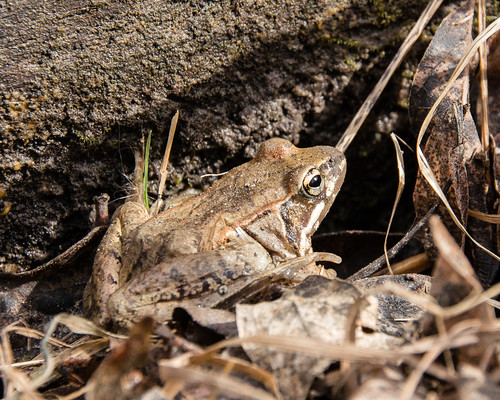
Wood Frog hibernate under logs or leaf litter and can tolerate below-zero temperatures by increasing the amount of glucose in their blood, which lowers the freezing point and stops ice crystals from forming. [Nature Companion

EcoFriendly Sask supports Saskatchewan environmental initiatives through an online publication, an events calendar, small grants, and the Nature Companion website/app. You can follow EcoFriendly Sask by liking us on Facebook, following us on Twitter, or subscribing by email (top right corner).

Tuesday, 31 August 2021

EcoSask News, August 31, 2021

deer

Upcoming Events 
EMTF-SK is offering an online presentation on hydrogen fuel technologies from 7:30-9:15 am, Sept. 1. 

Library of Things, Saskatoon, will be open for pick-ups by reservation from the back door in the alley from 1-4 pm, Sept. 4. 

Looking Ahead 
SaskOutdoors is offering a virtual Project Wild training from Sept. 13-Oct. 4. 

Nature Saskatchewan is hosting its fall meet in Moose Jaw on Sept. 18. 

The Richard St. Barbe Baker Afforestation Areas Inc. has planned a number of activities during National Forest Week from Sept. 18-26. 

Full event details are provided on the EcoFriendly Sask Calendar 

Agriculture 
“Diversifying landscapes . . . could conserve nature and help to boost food production . . . landscapes with increased diversity typically produced around 17 to 18 bushels more per acre, of corn and wheat” [Anthropocene

A study of Alberta’s Bow River Basin shows that many farmers who adopt modern irrigation systems expand their operations, leading to increased agricultural water demand and potential water shortages. [Science Direct

Housing 
“What if the most American symbol of unsustainable consumption isn’t the automobile, but the air conditioner?” [Vox

As a result of the pandemic, Americans want larger homes, farther apart, with greater distance to schools and stores – despite the fact that urban sprawl fails to address climate change. [Planetizen

Low-rise, high-density cities have a lower carbon impact than high-rise, high-density cities as high-rises use more materials and need to be built further apart. [npj Urban Sustainability]
 
deer

Cohabiting with Wildlife 
Letter from an urban deer: “Don’t fret if you see us on your lawns. Rewilding is not just about letting a few species run free far away from human civilization. It’s about allowing our world to cross over into your world.” [High Country News

A UK study has found that LED streetlights cause worse light pollution resulting in fewer insect pollinators than traditional sodium bulbs. But that doesn’t have to be the case. “LEDs are dimmable, can be linked to motion sensors and can have cheap filters fitted to screen out blue light.” [The Guardian


Did you know?
The width of the banded woolly bear caterpillar's red band is said to predict the severity of the coming winter, but this isn't the case. The red band lengthens as the caterpillar matures, while wetter weather lengthens the black bands. [Nature Companion, a free nature app for Canada’s 4 western provinces] 

EcoFriendly Sask supports Saskatchewan environmental initiatives through an online publication, an events calendar, small grants, and the Nature Companion website/app. You can follow EcoFriendly Sask by liking us on Facebook, following us on Twitter, or subscribing by email (top right corner).

Tuesday, 17 August 2021

EcoSask News, August 17, 2021

Great Blue Heron

Upcoming Events 
Help Meewasin protect wildlife in Saskatoon’s Northeast Swale by fence tabbing from 6-9 pm, Aug. 18. You can also protect birds during fall migration by applying stickers to the rink in downtown Saskatoon from 9-11 am, Aug. 21. 

Library of Things, Saskatoon, will be open for pick-ups by reservation from the back door in the alley from 1-4 pm, Aug. 21. 

Stan Shadick is offering 3 online workshops to assist with identifying warblers during fall migration from 7-8:30 pm, Aug. 22 & 29, and Sept. 6. There will be an optional field trip from 9-10:30 am, Aug. 29, in Saskatoon. Registration fees will support Living Sky Wildlife Rehabilitation. 

West Coast Environmental Law is offering a webinar on environmental justice in action at 1 pm, Aug. 26. 

Full event details are listed on the EcoFriendly Sask Calendar

Local News 
The Citizens Environmental Alliance says the proposed Lake Diefenbaker Irrigation Project comes at colossal expense and high environmental consequences. [Citizens Environmental Alliance]

Indigenous land users, scientists, and youth are rallying to protect northern Saskatchewan’s peatlands from harvest. [CBC News]

City of Regina will be scanning blue carts to check for items that can’t be recycled. Their goal is to reduce the number of wrong items placed in the carts, which can lower the value of recyclable goods, harm recycling facility workers, and damage equipment. [CJME]
 
crow eating small fish

Energy Options 
Carbon capture and storage technology “has been under discussion and development for decades and governments are increasingly relying on it to meet their climate goals. But . . . by early 2021 there were only 26 CCS plants operating around the world, capturing 0.1 percent of global yearly CO2 emissions at most. And most of the CO2 captured to date has been used to dig up more oil through Enhanced Oil Recovery.”  [Desmog]

A new report from the Pembina Institute “shows that the climate benefits of blue hydrogen vary depending on the technology used to create it.” [Pembina Institute]

What Can We Do? 
“The key to fighting [climate] despair is to think beyond the individual and seek community support and solutions — especially those that put pressure on governments and companies to make the large-scale changes that are necessary to truly curtail emissions.” [Vox]

Fall bird migration is just around the corner and with it an increased risk of birds fatally colliding with buildings. Here are 5 tips for educating building tenants about bird-safe best practices. [FLAP Canada]

The Cheakamus community forest near Whistler, BC, “is charting new territory when it comes to sustainable timber harvest that outlaws clearcuts, respects Indigenous governance and combats the climate emergency.” [The Narwhal]

The Comox Valley Regional District in British Columbia is considering phasing out gas stations. “Existing gas stations wouldn't be forced to close, but would be considered ‘legally non-compliant’ — and wouldn't be able to add new pumps. New service stations would be allowed to open, but not to provide petroleum-based fuels.” [CBC News]

New Approaches 
“If we want robust and meaningful science to reach the courts, we need to start thinking about how science and the law operate together.” [Union of Concerned Scientists]

Presenting 4 novels that explore climate change and the Anthropocene. [Cool Green Science]

EcoFriendly Sask supports Saskatchewan environmental initiatives through an online publication, an events calendar, small grants, and the Nature Companion website/app. You can follow EcoFriendly Sask by liking us on Facebook, following us on Twitter, or subscribing by email (top right corner).


Tuesday, 13 July 2021

EcoSask News, July 13, 2021

Bumblebee

Upcoming Events 
Library of Things, Saskatoon, is reopening on July 17 from 1-4 pm. Pick up is by reservation only from the back door in the alley. 

Learn about bats from 7-8:30 pm, July 22, at Station 20 West in Saskatoon. Email communitygardens@chep.org to register (space is limited). 

Golden Eagles, a sub-group of the Saskatoon Nature Society, will be holding a variety of events on Thursdays in July and August. 
July 15 - Maymont area 
July 22 - Northeast Swale 
July 29 - Round Prairie 

Local News 
The Saskatchewan Environmental Society has spoken out on the importance of ensuring the safety of the Line 5 pipeline: “The Governor of Michigan and its residents have legitimate reasons to be concerned about Enbridge’s safety record. . . . The governments of Saskatchewan, Alberta and Canada should not simply be asking for Line 5 to remain open, but should simultaneously be pressing Enbridge to greatly improve its attention to pipeline safety in the state of Michigan and ensure full compliance with its easement agreement.” [Saskatchewan Environmental Society

The Village of Riverhurst is restoring a wetland at the entrance to their village. “We're hoping to use this as a demonstration site for other landowners and municipalities so they can know how to protect their own wetlands. For school-aged kids, they'll be able to come to learn about all the different birds and plants that live in a wetland." [West Central Online

Energy
Canada spent $23 billion to support pipelines in just 3 years: “When government money is tied up in a polluting industry there’s less money to invest in clean energy.” [The Tyee]

James Glennie, formerly of SaskWind, says Saskatchewan will lose jobs and engineering innovation through its emphasis on oil rather than renewables: “We should be developing a local supply chain because we do have the best wind and solar resources in Canada . . . . We have nothing to deliver on that and I think that’s a shame, a real shame.” [Regina Leader Post]

Carbon capture isn’t the answer: “Our state is addicted to fossil fuels and, like many addicts, instead of seeking to break our addiction. We seek ways to become functional addicts.” [DeSmog

Sustainable Choices
Don’t (just) fight the plastic, challenge those producing it. Write to the companies that use plastic packaging and ask what they’re doing to reduce their use of plastic. [The Earthbound Report]
 
Renting clothes is not a sustainable fashion option after all due to dry cleaning, delivery, and packaging costs. “You want to be sustainable? Buy less, buy better.” [The Guardian

Bumblebee on flowering Linden tree 

Connections
Yellowstone to Yukon (Y2Y) proposes to preserve a 2,000 mile stretch of the Continental Divide eco-region by connecting recognized wildlife strongholds (Yellowstone, Banff, Jasper) with habitat bridges, wildlife corridors, and wildways. It’s an exercise in cooperation, “trying to blend conservation needs with the interests of local human communities.” [book excerpt, The Revelator

Florida has committed to establishing a wildlife corridor from the Alabama state line to the Florida Keys, nearly 800 miles. [New Yorker

Let's Hear It For the Birds!
The winners of the 2021 Audubon Photography Awards. And, advice from the award winners on how to become a better bird photographer

Two sandhill cranes in Alberta celebrate the birth of their young with song and dance. [Red Deer Advocate]


Did you know? Sandhill Crane mate for life and can live for up to 36 years.

EcoFriendly Sask supports Saskatchewan environmental initiatives through an online publication, an events calendar, small grants, and the Nature Companion website/app. You can follow EcoFriendly Sask by liking us on Facebook, following us on Twitter, or subscribe by email (top right corner).

Tuesday, 27 April 2021

EcoSask News, April 27, 2021

chipmunk

This Week’s Highlights 
Ducks Unlimited Canada is hosting a webinar at 12 pm, Apr. 29, on natural climate solutions as part of its Wetland Knowledge Exchange. 

The recent federal budget “includes $200 million in new funding for increasing the adoption of climate-friendly practices like cover cropping, nitrogen management and rotational grazing. It also allocates $10 million over two years to facilitate a transition to clean energy from diesel-fueled farm equipment and earmarks another $60 million for the preservation of existing wetlands and trees on farmlands.” 

Upcoming Events 
Meewasin Valley Authority is inviting groups to participate in their clean-up campaign from April 22 to June 14. 

Regina’s Get Outside Kids’ Club has moved online for a few weeks. Join them for a webinar and self-guided scavenger hunt at 10 am, Apr. 28. 

Global Water Futures is launching a Virtual Water Gallery, a space for artists, water experts, knowledge keepers, and the public to co-explore water challenges from 10:30-11:30 am, April 29. Register to attend

Explore spring migration on the mid-continental and Atlantic flyways with the Nature Conservancy of Canada at 11:30 am, Apr. 29.

Participate in a City Nature Challenge by recording photos or sounds of plants and animals you see around Regina from Apr. 30 to May 3. 

Jane’s Walk Saskatoon is organizing virtual and/or self-directed walking tours for May 1. 

GreenPAC is hosting a full-day event exploring environmental leadership in Canada’s political landscape on May 1. 

City of Saskatoon residents can dispose of hazardous waste from 9 am to 3:30 pm on May 2. 

The University of Regina’s Centre for Continuing Education is offering a 4-week course on spring/summer stargazing from 7-9 pm, Wednesdays, from May 5 to 26. 

There will be a presentation on SaskPower’s net zero emissions plan at the May 5 virtual breakfast meeting of the Saskatchewan Energy Management Task Force. 

SaskOutdoors is offering weekly online workshops to train participants to become certified Growing Up WILD and Getting Little Feet WET Education facilitators from 7-9 pm, May 6, 13, and 20. 

The Saskatchewan Environmental Society is helping building operators to lower their utility bills and make their buildings more comfortable. Join them online from 9 am-noon, May 7 or 28, for a session on heating, ventilation, and cooling

Contribute your bird observations to eBird and Saskatchewan Breeding Birding Atlas in May 7, 14, and 15 indoor/outdoor workshops with Stan Shadick. 

There will be an orienteering fun day on May 8 on the River Ridge Trails near Langham.
 
chipmunk

Local News 
Prevent Irritable Sewer Syndrome, a free new educational program from Partners FOR the Saskatchewan River Basin explores ways families can keep their sewer and river systems healthy. 

“In Western Canada, the glaciers in British Columbia and Alberta and the Yukon are disappearing. They could be gone in fifty years. The prairies are warming at three times the global rate. That’s a region that will experience much more variability from flooding and drought due to the change in the snowpack, because the water in the Saskatchewan River Basin comes from the Canadian Rockies. As that snowpack disappears, the availability of all that water will change.”

From Information to Action 
The Gitanyow of northwestern BC have released a fully Indigenous-led sustainability assessment of proposed projects on their land based on Indigenous laws and traditions, science, and reconciliation with Crown governments.  

“Gardening isn’t just about plants. It’s about the entire ecosystem those plants can support.” How and why to welcome insects into your yard

For $5 a month, Leadville, Colorado’s Get Outdoor Gear Library offers “mountain bikes, hiking boots, snow shoes, hiking poles, camp stoves, ski boots. . . . If you need it for camping or hiking or adventuring, they likely have it.” 

Books 
Nature Saskatchewan has published Backyard Bird Feeding: A Saskatchewan Guide by Trevor Herriot and Myrna Pearman. 

Bees, pesticides, and environmental protests are front and centre in William Deverell’s latest novel, Stung

Atlantic Book Rescue accepts lightly used books and finds a new home for them – either for sale online or by donating to seniors’ homes, daycares, teachers, or environmentally friendly recyclers. 

EcoFriendly Sask supports Saskatchewan environmental initiatives through an online publication, an events calendar, small grants, and the Nature Companion website/app. You can follow EcoFriendly Sask by liking us on Facebook, following us on Twitter, or by email (top right corner). 
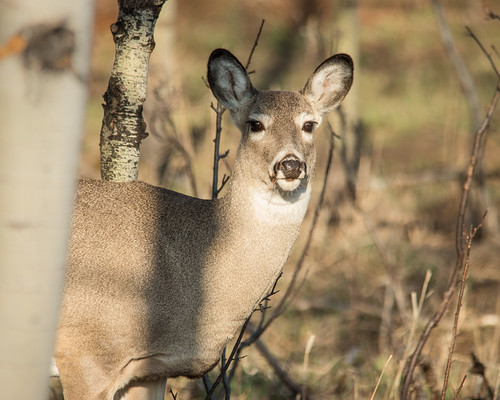

Did you know? Least Chipmunk are good climbers and may build nests high above the ground or climb up a tree in cooler weather to warm themselves in the sun. (Nature Companion)

Tuesday, 8 September 2020

EcoSask News, September 8, 2020

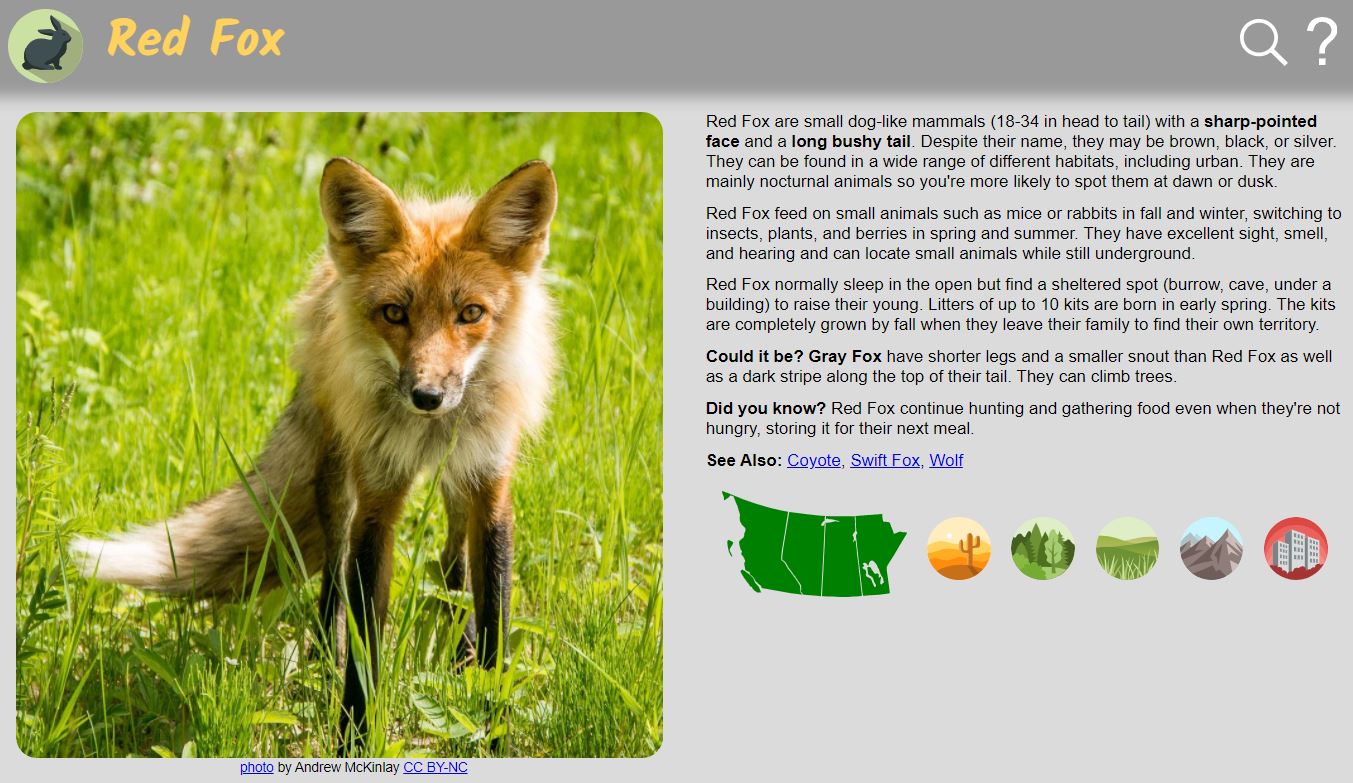
fox

Upcoming Events
Going Outside, Sept. 10 & 17 (online) 
SaskOutdoors is offering an introductory webinar for teachers on taking classes outdoors at either 8 pm, Sept. 10, or 4:30 pm, Sept. 17.

Nature Society AGM, Sept. 13 (Moose Jaw) 
The Moose Jaw Nature Society will be holding its annual general meeting at 2 pm, Sept. 13, in Wakamow Park.

Household Hazardous Waste, Sept. 13 (Saskatoon) 
You can dispose of household hazardous waste at City of Saskatoon’s Civic Operations Centre from 9 am-3:30 pm, Sept. 13.

Member Photos, Sept. 17 (online) 
Saskatoon Nature Society has moved online (Zoom) with their first fall meeting presenting members’ photographs at 7:30 pm, Sept. 17. Meetings are currently for members only, so sign up now.

fox

Looking Ahead
Biodiversity Family Camp-In, Sept. 25 (online)
The Saskatchewan Science Centre is hosting a virtual family camp-in from 6:30-10 pm, Sept. 25, with special guest, Ripley’s Aquarium of Toronto.

Wildlife Rehab Orientation, Oct. 3 (online) 
The Wildlife Rehabilitation Society of Saskatchewan is hosting an online volunteer orientation at 3 pm, Oct. 3. To apply, fill out an application.

A full list of upcoming events (online and in person) can be found on the EcoFriendly Sask Calendar 

Local News
Hundreds of people participated in a slow roll on Sept. 7 to honour Cathy Watts’ many contributions to making Saskatoon a great place to live. We interviewed her in 2018 about her efforts to get the whole city moving.

Saskatoon’s Library of Things is reopening on the first and third Saturdays of each month from 1-4 pm. Reserve a pick-up time on their website.

Why are provincial and federal governments endorsing the Lake Diefenbaker irrigation project before doing the studies and calculating the costs?

The Big River Recreation and Conservation Association wants to use a 1-year moratorium on logging around Nesslin Lake to study alternative activities.

Birds respond quickly to environmental stressors and habitat change – hence the importance of the Saskatchewan Breeding Bird Atlas project.

Future Majority aims to organize and unite youth voices across Canada and elect leaders who will stand up for young Canadians’ well-being.

fox

From Information to Action
Environmental racism in Canada: what is it, what are the impacts, and what can we do about it?

The Arctic waters are loaded with little bits of jeans: “Special filters attached to washing machines can stop 90 percent of microfibers from flowing out to wastewater treatment plants. Those need to be standard on every new washing machine sold.”

Just one in 10 energy suppliers globally are prioritizing renewable energy over fossil fuel development, according to a new study of 3,000 power companies.

A pilot project to produce carbon-free steel got underway last week in Sweden. 7-9% of the world’s greenhouse-gas emissions currently come from the production of steel.

Good News
A small study in Norway showed that painting one blade of a wind turbine black reduced bird mortality by over 70%.

An affordable DIY option to prevent birds from hitting windows.

Orange peels could help recycle old lithium batteries, “a low-cost, sustainable approach to recycling the growing heaps of batteries that end up in landfills every year.”

There are fun activities for kids of all ages on the Nature’s Wild Neighbors Society website.

EcoSask News is a weekly round-up of local news and events. Email us if you have items you would like us to include. 

 You can follow EcoFriendly Sask by liking us on Facebook, following us on Twitter, or by email (top right corner). 
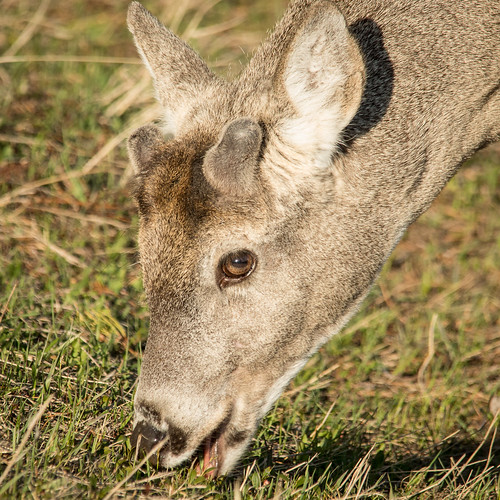


Check out EcoFriendly Sask’s Nature Companion, a free nature app for Canada’s four western provinces

Tuesday, 17 March 2020

EcoSask News, March 17, 2020

willow trees

“We need to turn to Mama Nature for shelter and peace. . . . What can we find there? Look to the sky...it is spring after all. Look for newly arrived birds. Look for new budding plants. Look for the tiny insect life. . . . Feel the breeze, sniff the air, feel the smooth bark of a sapling, the rough bark of mature trees.” (Dr. Joseph Conrad via Elva’s Field Notes)

Upcoming Events
Due to Covid-19, many events are being cancelled. To avoid confusion, we have removed all events from our Calendar for March and will continue to monitor the situation. Check directly with organizations to see what events they’re continuing to hold.

A great resource at this time are the nature/environmental radio programs in Regina and Saskatoon. You can catch past episodes of The Prairie Naturalist or listen to From the Ground Up (6:30-7 pm, Thursdays).

Another excellent resource is the Native Prairie Speaker Series. You can find past episodes on SK PCAP’s YouTube channel.

In Saskatchewan
Youth in Regina have just released a report: Youth Perspectives on Regina’s Energy Future. You can lend your support to the youth’s sustainability recommendations by writing to Regina City Council.

Plans are underway for the SES Solar Co-op’s seventh and largest project. The Solar Co-op has partnered with CNH Industrial for the installation of approximately 375 kilowatts or 1200 solar panels on their property in Saskatoon. A limited number of shares are now available.

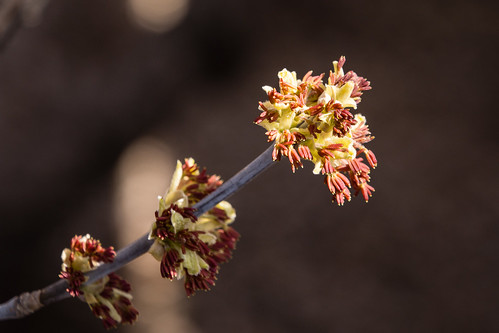
trees flowering

From Information to Action
Yard lists remain an understated and unsung birding pleasure” – and they’re perfect for a period of social distancing.

“The recovery of bald eagles is one of the most incredible conservation success stories ever told . . . . Solving that issue – far more complex than it first appears – can still provide a map to dealing with our biggest crises.”

Miistakis Institute, in collaboration with the City of Edmonton, has published a series of resources and case studies on using ecoroofs in cities to improve stormwater management, regulate building temperatures, reduce urban heat island effects, improve air quality, and increase urban wildlife habitat and biodiversity.

“Stone,” says architect Amin Taha, “is the great forgotten material of our time. In 99% of cases, it’s cheaper and greener to use stone in a structural way, as opposed to concrete or steel.”

If you are planning to start a Library of Things, using the existing infrastructure of a local library can help you save time and money.

Keystone species fill a critical role in their environment that cannot be occupied by any other species.

EcoSask News is a weekly round-up of local news and events. Email us if you have items you would like us to include. 

You can follow EcoFriendly Sask by liking us on Facebook, following us on Twitter, or by email (top right corner).

Tuesday, 21 January 2020

EcoSask News, January 21, 2020

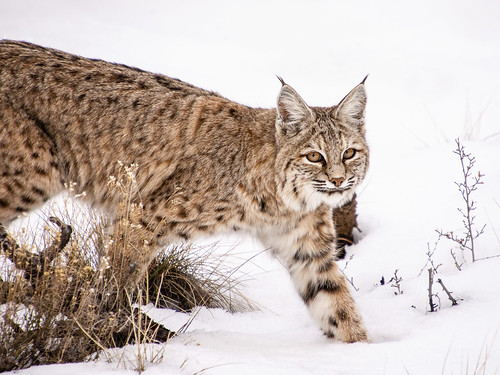
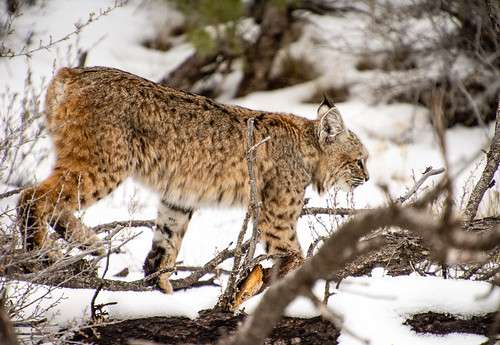
Bobcat (Lynx rufus)

Upcoming Events
Shoe Repair, Jan. 22 (Saskatoon) 
Find out how to make your shoes last longer at a winter shoe/boot maintenance and repair workshop from 6:30-8 pm, Jan. 22.

Fish Hatchery, Jan. 24 (Moose Jaw) 
There will be a presentation about the Moose Jaw Wildlife Federation’s mobile fish hatchery at the 6:30 pm, Jan. 24, meeting of the Moose Jaw Nature Society.

Sharp-tailed Grouse, Jan. 25 (Fort Qu’Appelle) 
Brandon Burda will discuss sharp-tailed grouse habitat selection and population trends at the 7 pm, Jan. 25, meeting of the Fort Qu’Appelle Nature Society at the Fort Qu’Appelle Train Station.

Richard St. Barbe Baker, Jan. 25 (Saskatoon) 
Paul Hanley and Richard White will introduce Richard St. Barbe Baker, founder of the international Men of the Trees organisation, from 7-9 pm, Jan. 25.

Bike Regina AGM, Jan. 28 (Regina) 
Bike Regina is holding its annual general meeting at 6:30 pm, Jan. 28.

Energy & Material Flows, Jan. 28 (Saskatoon) 
Darrin Qualman will discuss sustainability: energy & material flows in human & natural systems at the 7:30 pm, Jan. 28, Café Scientifique YXE.

Beavers & Natural Infrastructure, Jan. 28 (webinar)
Miistakis Institute and the Candian Wildlife Service will be presenting a webinar on beavers and other natural infrastructure solutions from 12-1:30 pm CST, Jan. 28. Register by Jan. 24.

Untitled

Looking Ahead
Repair Café, Feb. 1 (Gravelbourg) 
Gravelbourg Green Initiatives is hosting their second repair café from 9 am-noon, Feb. 1.

Art & Craft Supply Swap, Feb. 1 (Gravelbourg)
Swap and shop for art and craft supplies from 9 am-noon, Feb. 1, in Gravelbourg.

Winter by the Lake, Feb. 1 (Anglin Lake) 
Enjoy cross-country skiing and snowshoeing at Anglin Lake from 1-4 pm, Feb. 1.

Winter Power-up Workshops, Feb. 1 (Regina) 
Join the Regina Public Interest Research Group for issue sessions and skill-building workshops for social and environmental justice on Feb. 1.

Gone Wild for Wildlife, Feb. 1 (Saskatoon) 
Take the whole family to Gone Wild for Wildlife from 10 am-5 pm, Feb. 1, for nature activities, science experiments, lectures, and live wildlife.

A full list of upcoming events can be found on the EcoFriendly Sask Calendar 

Bobcat (Lynx rufus)

In the News
Regina’s EnviroCollective invites people under 30 to complete a short survey to keep the conversation going around renewable energy in Regina following last year’s youth community forum. Deadline is Jan. 30, 2020.

Canadian Institute for Climate Choices is a network of researchers who hope to produce rigorous and independent research, analysis and insight to bring clarity to the climate challenges and transformative policy choices ahead for Canada.

Contrary to popular belief, it’s very difficult to break down compostable plastics and they are only effective where the appropriate composting facilities are available.

“Coyotes test what decisions we make when we cross paths with those who are different” and are “a bellwether of our ability to live in community.”

Bobcats will live in cities, but they keep their distance from people, avoiding areas that are more than 20% developed.

Conservation policies based on the native-alien dichotomy could threaten biodiversity.

Success! After many years of legal and political battles, Jumbo Glacier will remain wild. Rather than a resort, the area will become an Indigenous Protected and Conserved Area and will provide a valuable wildlife corridor for grizzly bears travelling north-south between Canada and the United States.

Electric cars work great – even in extreme cold.

EcoSask News is a weekly round-up of local news and events. Email us if you have items you would like us to include. 

You can follow EcoFriendly Sask by liking us on Facebook, following us on Twitter, or by email (top right corner).

Tuesday, 14 May 2019

EcoSask News, May 14, 2019

new leaves

Upcoming Events
School Climate Strike, May 17 (Regina)
Regina School climate strikes are ongoing on Fridays from 10-11 am at the Legislative Buildings.

Explorer Camp, May 17 (Saskatoon)
Kids ages 6-10 are invited to discover the fauna and flora of the river valley on a guided bike tour with Wild Sky Adventure Learning from 9 am-5 pm, May 17.

Spring Bird Survey, May 18 (Fort Qu’Appelle)
The Fort Qu’Appelle Nature Society is holding a spring bird survey on May 18. Contact Alan at 306-432-5262 or 331-9181 or by email at alanmlazgar@hotmail.com if you plan to participate.

SOS Elms Coalition AGM, May 19 (Saskatoon)
SOS Elms Coalition is holding its annual general meeting (with a surprise guest speaker) at 2 pm, May 19.

Migratory Bats, May 20 (Regina)
Erin Swerdfeger will report on her work with migratory bats from 7:30-9:30 pm, at the May 20 annual general meeting of Nature Regina.

Blue Gold, May 20 (Saskatoon)
Pint of Science is all about water on the prairies from 7-9 pm, May 20, in Saskatoon.

Snakes & Bat-ers, May 21 (Regina)
Enjoy a Pint of Science about snakes and bats from 6-8:30 pm, May 21, in Regina.

From Himalaya to Space, May 22 (Saskatoon)
From mountains in Saskatchewan to badass women astronomers – find out more at Pint of Science, 7 pm, May 22.

Zero Waste: Where to Start, May 23 (Saskatoon)
Find out how to arrive at zero waste from 7-8 pm, May 23, at J.S. Wood Library.

new leaves

Looking Ahead
Star-Gazing, June 1/July 27(Grasslands National Park)
Join astronomers in exploring the skies in Grasslands National Park, one of Saskatchewan’s Dark Sky Preserves, on June 1 or July 27.

Traditional Plant Walk, June 16 (Saskatoon or Regina)
The Saskatchewan Archaeological Society is hosting a traditional plant walk led by Sandra Walker from 10:30 am-12 pm, June 16, in the Regina or Saskatoon area. Pre-registration is required.

Saskatoon Nature Society Field Trips
Saskatoon Young Naturalists
May 29 – July 3 – Bluebird Trail
Space is limited; register early to avoid disappointment.
Saskatoon Nature Society Field Trips 
May 20, 1:30-4:30 pm – Hyde Park Birding
May 28, 7-8 pm – Lakewood Pop-up Naturalist Event
Everyone is welcome. Check the Saskatoon Nature Society’s website for full details and updated information.

A full list of upcoming events can be found on the EcoFriendly Sask Calendar

In the News
In response to the UN Biodiversity Report, the Saskatchewan Environmental Society urges the government to give top priority to expansion of protected areas, wetlands preservation, and reducing greenhouse gas pollution.

Green your wardrobe – buy less and buy non-conventional fabrics from environmentally responsible companies.

1 square metre of prairie = 113 plant + animal species [video].

Fires, pests, disease and increased mortality – Canada’s forests have not captured more carbon than they’ve emitted since 2001.

Wildlife corridors and bridges are key to protecting biodiversity.

A local company is offering a furniture rental service.

EcoSask News is a weekly round-up of local news and events. Email us if you have items you would like us to include. 

You can follow EcoFriendly Sask by liking us on Facebook, following us on Twitter, or by email (top right corner).
Thursday, 21 February 2019

Building Wellbeing Together


We believe that a person’s wellbeing depends on the wellbeing of the community in which they live and work, while the wellbeing of their community depends on the wellbeing of society as a whole, and the long-term health of the natural world on which we all depend.” 

It’s easy to fall into the trap of thinking that one person can do very little to shape the future. Nigel and Margaret Woodward refused to accept that perspective. After retiring to Totnes, United Kingdom, they began donating to a variety of environmental organizations. But this wasn’t enough – they wanted to take a more hands-on approach. After much thought and consultation, the couple decided to establish the Network of Wellbeing.

The Network of Wellbeing (NOW) is founded on a belief that individual wellbeing depends on the wellbeing of the community, the society as a whole, and the natural world. Evolving organically, the organization has grown to 5 part-time staff working on a variety of projects. Mirella Ferraz, the Totnes Project Coordinator, outlined the scope of Network of Wellbeing’s (NOW) activities.

Wellbeing in Totnes 
The Network of Wellbeing’s initial activities were centred on its home town of Totnes.

Totnes Wellbeing Fund: In setting up NOW, organizers had asked community members what they needed and how the community could be improved. They learned that people had ideas and wanted to set up projects but needed some initial capital to help get the projects off the ground. As a result, NOW established the Totnes Wellbeing Fund, which offers small seed grants (under $1,000) to individuals and organizations in Totnes and the neighbouring areas to help them turn their ideas for boosting wellbeing into reality. Projects that have been funded in the past include a pond in the Follaton Forest Garden, Dartington Restore (repair café and workshops), and Wild and Curious (foraging walks and workshops).

Monthly Potlucks: NOW also noticed that there were limited opportunities for families with young kids, newcomers, and single people to meet other members of the community. They decided to organize a monthly community potluck and the idea took off in a big way. The first potluck attracted almost 40 people and the attendance quickly grew to 70-100. Bigger events with decorations and entertainment were held at Christmas and to celebrate the International Day of Happiness in March. After 5 years of monthly potlucks organized by NOW, a group of local people has taken on this responsibility so that the potlucks are “run by the community for the community.”


You Can’t Buy Wellbeing 
Gross Domestic Product measures goods produced and services sold, but it doesn’t measure personal or community wellbeing. NOW has chosen to counter the dominant consumer culture by focusing on sharing, recognizing that there are many ways in which we can find fulfilment and meet our needs without money changing hands.

ShareShed: ShareShed, a library of things, was established in Totnes 1½ years ago. They now have 340 members who can borrow over 300 donated items. Share Shed opens its doors for several hours 3 times a week. The 5 most popular items are carpet cleaner, lawn mower, pressure washer, hedge trimmer, and projector.

Storage is a problem with items temporarily housed in NOW’s offices. The High Street location is a good one, but 2 flights of stairs limit visibility and accessibility. In addition to looking for more permanent storage space, the organization has applied for funding to buy a truck that could transport the 50 most popular items around the community. This would eliminate the need for a car in order to make use of the sharing library.

ShareFest: Totnes is an active community offering a great variety of activities and organizations. A large part of the community is ecologically minded, but others feel alienated by this approach, resulting in a subtle community division. Network of Wellbeing was discussing ways of bringing the community together and integrating it without attempting to convert when they heard about ShareFests.

ShareFests are “participatory events designed to connect the local sharing economy” and “celebrate ways we can share, make, swap and repair rather than always needing to buy new things.” Over 50 ShareFests have now been held in communities around the world, and Shareable offers a how-to guide and toolkit to help organize an event.

NOW wrote to community organizations inviting them to participate in the Totnes ShareFest in November 2018 as part of MAKE SMTHNG Week and got a great response. Over 800 people attended the day-long event and there were activities for everyone of all ages, ranging from an ugly Christmas sweater swap, crafts, and storytelling to tool sharpening and appliance and textile repairs. 


Building a Wellbeing Network 
NOW believes that wellbeing encompasses society as a whole and the natural world, and their activities extend well beyond the boundaries of Totnes.

Urban Wellbeing: Totnes is a small town and NOW was eager to see what could be done to promote wellbeing in a large city. A recent workshop in Leeds brought different organizations together to discuss compassion and wellbeing. It’s a trial project and they hope it will lead to a community festival of wellbeing.

Building Wellbeing Together: A national conference in 2017 brought together close to 100 people to discuss ways of building wellbeing together. The conference was designed to share the organization’s vision of holistic wellbeing and to encourage dialogue among professionals in the field. A second conference is planning for September 2019.

Webinars and Online Resources: NOW shares its knowledge and resources with as wide a population as possible. Online videos explore themes such as beyond GDP, putting welllbeing at the heart of government, and businesses’ role in promoting wellbeing.

The Network also runs regular free webinars with topics ranging from the role of happiness in social change to the nurturing power of soil, wellbeing and wildness, and growing your own happiness through gardening.

You can follow and participate in the Network of Wellbeing’s ideas and activities through their blog, by signing up for a monthly email update, or on social media.

See Also 
Transition Town Totnes