Showing posts with label Soil. Show all posts

Tuesday, 7 December 2021

EcoSask News, December 7, 2021

Green moray eel

Upcoming Events 
Citizens Environmental Alliance is holding its third annual Farmland Drainage and the Environment Virtual Conference from Dec. 14-17: 
7 pm, Dec. 14 – Lake Diefenbaker Irrigation Projects Town Hall 
10 am, Dec. 15 – Crown (Public) Lands Gone Forever 
10 am, Dec. 16 – Wetlands and Their Role in the Resilience of Prairie Communities 
10 am, Dec. 17 – All Our Conversations Begin with Treaty – The Duty to Consult in Saskatchewan 

Full details on all upcoming events can be found on the EcoFriendly Sask Calendar 

Across the West 
The Government of Manitoba has leased St. Ambroise Beach Provincial Park to a private operator and is contemplating additional public-private partnerships. [CBC

“The South Saskatchewan River is well into the seasonal changes shared by cold-region rivers worldwide. As temperatures drop, life in and around the river begins to change. While a cover of ice suggests dormancy, under that cap of ice, water still flows, and life carries on.” An article by the South East Alberta Watershed Alliance explains how a cover of ice affects rivers and aquatic life. [SEAWA]
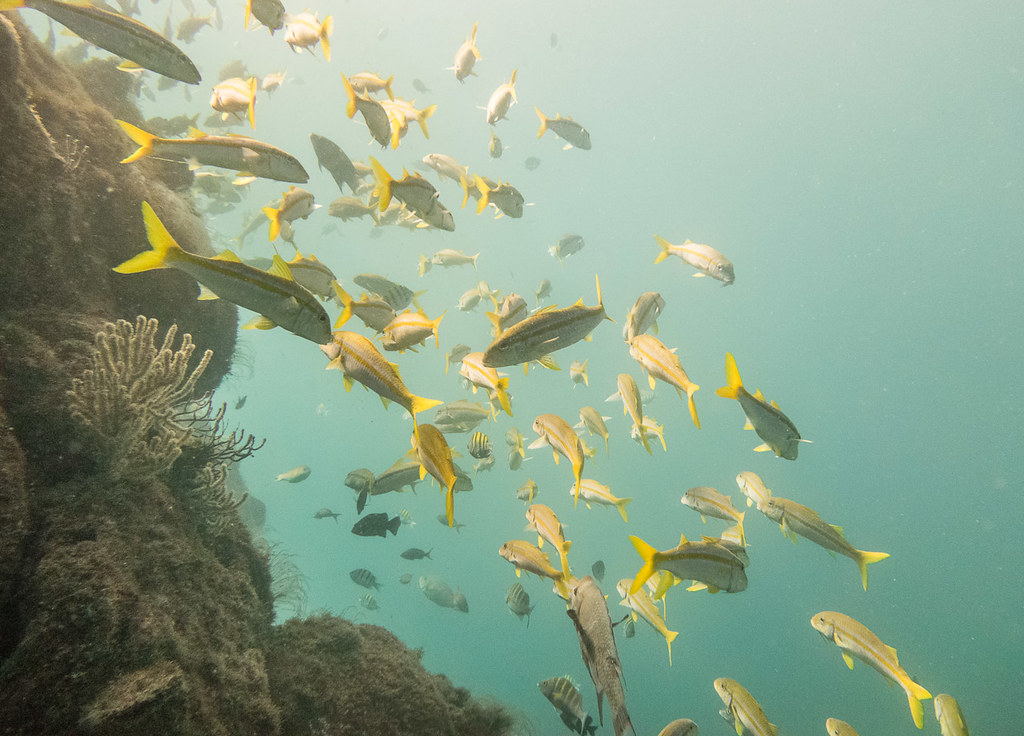
 
Untitled

We Can Make a Difference 
“Organic and agroecological farmers … typically plant a cover crop to restore their soil with nutrients and organic matter. Turns out, cover crops and other key practices in organic, regenerative, and agroecological farming also help farms weather the climate crisis. In addition to keeping soils stable during floods, they protect the ground from extreme heat, which can kill important microbial ecosystems, and help retain moisture during dry spells.” [National Observer

A tiny bridge, just 12 metres long and 30 cm wide across a UK railway line, will connect two endangered hazel dormouse populations thereby increasing genetic diversity. [The Guardian

Strava Metro is a tool for charting human-powered movement. It is now free to urban planners and advocacy groups so they can keep improving active transportation infrastructure. [Strava

7 people talk about how they turned their back on consumerism – from furnishing a home for free to secondhand baby clothes to following the 90-day rule. [The Guardian

Education 
Climate Fresk is a collaborative workshop to collectively understand the implications of climate change and trigger action. Jeremy Williams, The Earthbound Report, says, “Climate Fresk have developed a set of cards that explain climate science … It deals with some surprisingly complicated science, but participants get to the answers through discussion and sharing what they know, tapping into a kind of ‘collective intelligence’.” [Climate Fresk

Climate Watch 
Soon, 1 out of every 15 points of light in the sky will be a satellite. There are currently no regulations to govern an industry creating air and light pollution. [The Conversation

While a controlled release of treated wastewater from oilsands tailings ponds is seen as preferable to a sudden accidental release, concerns are being raised about deteriorating water quality in the Athabasca River and downstream. [CBC

MiningWatch Canada has released an interactive map about mining impacts worldwide, noting issues with polluted air, land, and water; waste management; tourism; and biodiversity. [Environmental Justice Atlas]
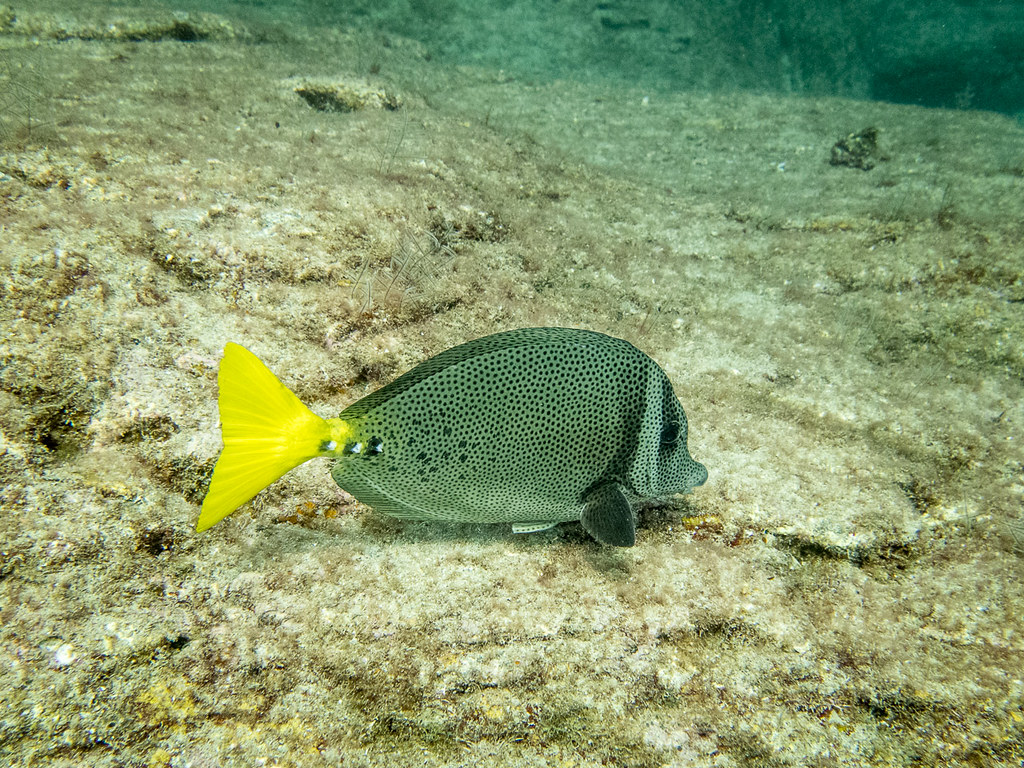
 
surgeonfish

Good News! 
“Ecuador’s constitutional court has blocked plans to mine copper and gold in Los Cedros, a protected cloud forest, ruling that the plans violate the rights of nature.” [Yale Environment 360

That’s Amazing! 
“Every evening, after twilight gives way to dark, hordes of marine creatures — from tiny zooplankton to hulking sharks — rise from the deep to spend the night near the surface.” Researchers are just beginning to understand the purpose and extent of this vertical migration. [Knowable Magazine

EcoFriendly Sask supports Saskatchewan environmental initiatives through an online publication, an events calendar, small grants, and the Nature Companion website/app. You can follow EcoFriendly Sask by liking us on Facebook, following us on Twitter, or subscribing by email (top right corner).

Tuesday, 9 June 2020

EcoSask News, June 9, 2020

Golden bean

Upcoming Events
Young Naturalists Bluebird Trail, June (Saskatoon) 
Sign up to participate in the Saskatoon Young Naturalists bluebird monitoring trail program on June 15, 17, 19, 22, 23, or 24. Register early as dates are filling up fast.

Plants of the Opimihaw Valley, June 11 (online) 
Find out about the plants of the Opimihaw Valley from 12-12:30 pm, June 11, as part of Wanuskewin’s Snax & Facts series.

Teacher/Outdoor Educator Forum, June 11/12 (online) 
SaskOutdoors is hosting a follow-up forum for teachers and outdoor educators on June 11 and 12 with various time slots for different age groups.

Wascana Marsh Tour, June 13 (Regina) 
Take a guided tour of Wascana Marsh at 11 am, June 13, by emailing friendsofwascanamarsh@gmail.com or download a self-guided tour pamphlet.

Native Prairie Appreciation Week, June 14-20 (online) 
Native Prairie Appreciation Week 2020 is online with a video, webinars (including one with Candace Savage), a plant Id presentation and quiz.

Woodland Caribou, June 16 (online) 
There will be a webinar on the efficacy of habitat restoration for woodland caribou at 2 pm, June 16. Email Caribou.Webinars@gmail.com to participate.

Navigating Risky Play, June 16 (online) 
SaskOutdoors is hosting a webinar on navigating risky outdoor play from 11 am-noon, June 16.

Overnight/Emergency Preparedness, June 17 (online) 
Join SaskOutdoors and Back40 Wilderness First Aid for a webinar about overnight/emergency preparedness from 7:30-8:30 pm, June 17.

Teacher/Outdoor Educator Discussion Panel, June 18 (online)
SaskOutdoors is hosting an online panel discussion with experienced environmental educators sharing their tips for taking learning outside from 11am-noon, June 18.

Wilderness First Aid, June 19-21 (Saskatoon) 
Back40 Wilderness First Aid Training is offering a 20-hour wilderness first aid training course in Saskatoon June 19-21.

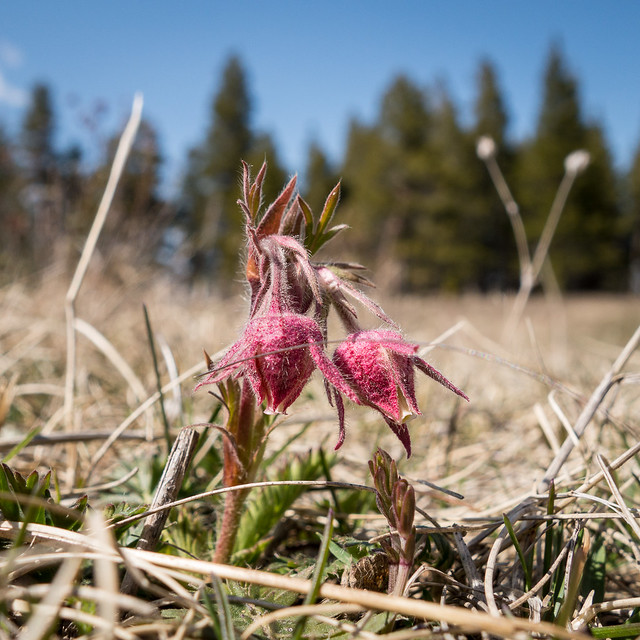
three-flowered aven

Looking Ahead
Waste ReForum, July 14-16 (online) 
The Saskatchewan Waste Reduction Council has switched to an online format for this year's Waste ReForum from 10:30 am-3 pm, July 14-16.

A full list of upcoming events (online and in person) can be found on the EcoFriendly Sask Calendar

Local News
Sign up for Nature Regina’s newsletter and receive information about self-directed family hikes, citizen science projects, and much more.

The University of Saskatchewan has been awarded a $2.5 million grant to increase climate change education, training and public awareness on a global scale.

University of Saskatchewan researchers have developed an app that shows the economic value of shelterbelts while helping landowners determine the best trees to grow.

Where you live in Saskatchewan has an impact on your attitudes towards power production sources.

Stories along the Qu’Appelle Valley offers land-based Indigenous wisdom from Treaty 4 territory, the land of the Saulteaux-Cree, Saulteaux, Dakota, and Nakota peoples.

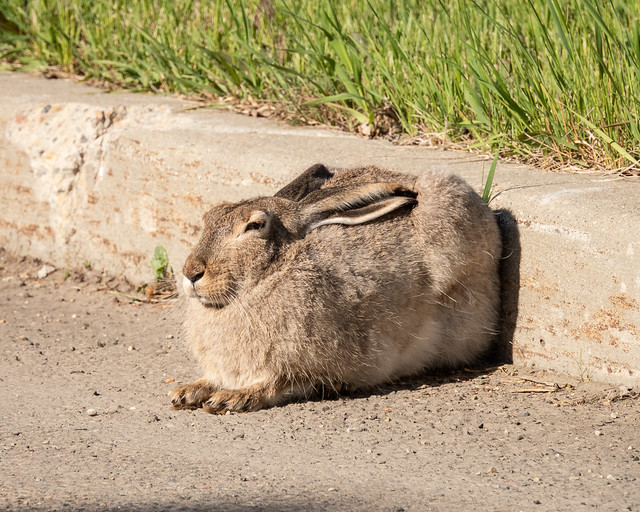
Jackrabbit at Innovation Place

From Information to Action
The incredibly biodiverse world of soil and how it connects to the ground above that we as humans inhabit

Back Market is an online retail platform for secondhand electronics. “They sell refurbished goods through a network of partners, with careful vetting to ensure quality. That allows them to offer a warranty and to provide customer service.”

Rattlesnake populations are declining, and that’s a problem because they’re “key players in grassland food chains, acting as mid-level predators that control rodent populations and serve as a food source for larger predators.”

Manitoba’s Boreal Wetlands Conservation Codes of Practice are designed to “provide guidance on how to avoid, minimize, and offset impacts to boreal wetlands that result from resource roads, access roads, and crossings.”

Austin, TX, is keeping racial equity front and centre in revising its community climate plan.

Conservation planning should ensure a network of protected areas that plants and animals can retreat to as their habitats are altered due to climate change.

EcoSask News is a weekly round-up of local news and events. Email us if you have items you would like us to include. 

You can follow EcoFriendly Sask by liking us on Facebook, following us on Twitter, or by email (top right corner).
Tuesday, 7 January 2020

EcoSask News, January 7, 2020

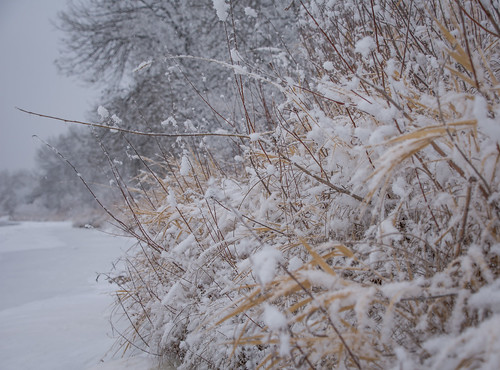
frost and ice

Upcoming Events
50th Anniversary Celebrations (Saskatoon) 
The Saskatchewan Environmental Society is celebrating its 50th anniversary in 2020 with a series of fundraising events to ensure their ongoing sustainability. Events include a music series, a picnic, a spin class, and a trivia night.

Implementing Regulatory Commitments, Jan. 8 (Saskatoon) 
David Stevenson, Government of Saskatchewan, will present an update on the implementation of regulatory commitments made in Prairie Resilience at noon, Jan. 8, at the U of S.

Microscopic Organisms, Jan. 16 (Saskatoon)
Find out about the microscopic organisms below the surface in your backyard at the 7:30 pm, Jan. 16, meeting of the Saskatoon Nature Society.

Electronic Recycling, Jan. 16 (Saskatoon)
Find out how the Electronic Recycling Association is reducing electronic waste and reusing unwanted equipment at noon, Jan. 16, at Innovation Place.

Repair Café, Jan. 18 (Prince Albert) 
Celebrate and share maintenance and repair skills from 1-4 pm, Jan. 18, at Repair Café Prince Albert.

Snowshoe & Skate, Jan. 18 (Echo Valley)
Check out the new skating trail and participate in a guided snowshoe hike at Echo Valley Provincial Park from 11 am-4 pm, Jan. 18.

Saskatoon Nature Society Field Trips
Saskatoon Young Naturalists 
Mar. 7, 1-3 pm – Owl Pellets
Mar. 28, 1-2:30 pm – Birdhouses
Apr. 19, 7-8:30 pm – Crocus Hike
May 2, 1-3 pm – Pike Lake Field Trip
Space is limited; register early to avoid disappointment.

Other Saskatoon Nature Society Field Trips
Feb. 1, 1-3 pm – Beaver Creek Twigs & Bark
Feb. 8, 2-3:30 pm – Forestry Farm Bird Walk
Feb. 23, 2-3:30 pm – City Park Bird Walk
Feb. 29, 9-4:30 pm – The Leap to Gardiner Dam

Everyone is welcome. Check the Saskatoon Nature Society’s website for full details and updated information.

A full list of upcoming events can be found on the EcoFriendly Sask Calendar 

frost


In the News
A 12-year-old says cigarette butts should be part of a federal single-use plastic ban expected in 2021.

The fracking industry has to stop flaring and venting so much methane.

Major oil companies, facing the prospect of reduced demand for their fuels, are ramping up their plastics output.

From domination to fellow beings - a tidal shift in how Americans view wildlife.

“Over the years, clothes have been my comfort blanket and confidence boost. They’ve been a recreational hobby, a competitive sport and a way to bond with people in pub toilets”: her New Year’s resolution - and she stuck to it - no new clothes for a year. Here are some tips for following her example.

Shifting baseline syndrome, collective amnesia about past natural abundance, is a curse for conservation.

Turning contaminated land into a solar park.

Icarus Complex, a European biannual magazine, is an in-depth look at the issues surrounding climate change. The first issue included articles about ClientEarth, a charity using the power of the law to protect the planet, and about the American Conservative Coalition, which is seeking “to activate the conservative movement . . . . through the promotion of free-market and pro-business environmentalism.”

Food in the nude: “a group of supermarkets have abandoned the use of plastic wrapping for virtually all of their fruit and vegetables.”

The City of Vancouver is slowly eliminating single-use plastics.

Secondhand: Travels in the New Global Garage Sale by Adam Minter looks at what happens to our stuff when we no longer want it - from “thrift stores in the American Southwest to vintage shops in Tokyo, flea markets in Southeast Asia to used-goods enterprises in Ghana.”

EcoSask News is a weekly round-up of local news and events. Email us if you have items you would like us to include. 

You can follow EcoFriendly Sask by liking us on Facebook, following us on Twitter, or by email (top right corner).

Tuesday, 10 December 2019

EcoSask News, December 10, 2019

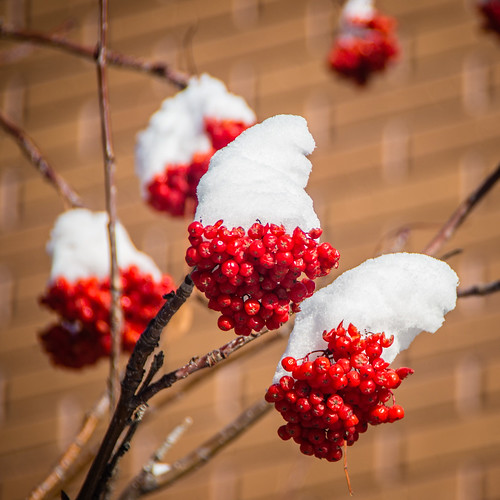
berries

Upcoming Events
Climate Strike Organizing, Dec. 12 (Regina) 
Help plan future climate strikes in Regina from 5-7 pm, Dec. 12.

Pronghorn & Connectivity, Dec. 18 (webinar) 
A webinar on pronghorn: a focal species for grassland connectivity will be offered at noon, Dec. 18, by the Saskatchewan Prairie Conservation Action Plan.

Looking Ahead 
Kalium Observatory, Feb. 3 (Regina)
Sign up before Feb. 1 for a visit with Nature Regina to the Kalium Observatory from 7-8:30 pm, Feb. 3, hosted by the Royal Astronomical Society Regina Centre.

Project Wild/Below Zero, Feb. 8 (Regina)
SaskOutdoors is offering a Project Wild/Below Zero workshop from 9:30 am-4 pm, Feb. 8, in Regina.

A full list of upcoming events can be found on the EcoFriendly Sask Calendar

Untitled

In the News
Maintaining grasslands near agricultural fields can boost crop production; improve biodiversity, soil health, and water quality; and support pollinators and predators that will control pests.

Lorne Scott, farmer-conservationist, confirms that agricultural drainage is destroying wildlife habitat.

“We often view mosquitoes as bloodsuckers that do nothing but make our lives miserable.” However, “indiscriminate mass elimination of mosquitoes would impact everything from pollination to biomass transfer to food webs.”

“Soil is a breathing, squirming, thriving, living thing. It gives back to its environment and helps it survive and thrive. That interconnection is important in a world where we are increasingly disconnected from nature.” Do we lose that connection with soil-less agriculture?

Michigan’s second-highest court has ruled that bottled water is not an essential public service or a public water supply, making it harder for Nestlé to privatize water.

“I looked down at the plastic chair I occupied and saw my gray stretchy corduroy pants, and I realized that both the chair and my clothing were made from the same raw material: oil. I looked at the carpet beneath my feet—it was also made of oil. . . . I had a sudden image of a wardrobe that would be made from natural fibers and dyes grown within a strategic area centered on where I lived.”

“The most effective planning choices are not always the most popular.” To reduce traffic congestion, you need to remove car lanes, restrict traffic, and improve public transit.

The world’s first funerary human composting facility is slated to open in the spring of 2021 in Washington state.

EcoSask News is a weekly round-up of local news and events. Email us if you have items you would like us to include. 

You can follow EcoFriendly Sask by liking us on Facebook, following us on Twitter, or by email (top right corner).

Tuesday, 15 January 2019

EcoSask News, January 15, 2019

frost covered grass

Upcoming Events
Bike Regina AGM, Jan. 16 (Regina)
Bike Regina is holding its annual general meeting at 6:30 pm, Jan. 16.

Prairie Resilience, Jan. 17 (Regina)
Learn more about the provincial government’s climate change strategy at a lunch and learn on Jan. 17 at Innovation Place Regina.

Ecology & Conservation of Whooping Cranes, Jan. 17 (Saskatoon)
Join the Saskatoon Nature Society at 7:30 pm, Jan. 17, for a talk by Mark Bidwell on the ecology and conservation of whooping cranes. The Society is meeting in a new location – Room 1130, Health Sciences E-Wing, University of Saskatchewan.

Repair Café, Jan. 19 (Prince Albert)
Share and learn skills to repair things at Repair Café Prince Albert from 1-4 pm, Jan. 19.

Ice Cycle & Bike Art Show, Jan. 19 (Saskatoon)
Join Saskatoon Cycles for a group ride and a repurposed bicycle art exhibit by SCYAP from 6:45-8:45 pm, Jan. 19.

Breeding Bird Atlas, Jan. 21 (Regina)
Kiel Drake will provide an update on the Saskatchewan Breeding Bird Atlas project from 7:30-9:30 pm, at the Jan. 21 meeting of Nature Regina.

Owl about Owls, Jan. 22 (Moose Jaw)
Join Moose Jaw Nature Society at 6:30 pm, Jan. 22, for a talk about owls in Saskatchewan.

Hidden Dangers of Agricultural Pesticides, Jan. 22 (Saskatoon)
Dr. Christy Morrissey will share the latest research on agricultural pesticides at Café Scientifique, 7:30 pm, Jan. 22.

Toxic Trespass, Jan. 23 (Regina)
The film Toxic Trespass, an investigation into toxic chemicals in industrial centres such as Windsor and Sarnia, will be shown in Regina at 6:30 pm, Jan. 23.

Secrets of Ruby-throated Hummingbirds, Jan. 24 (Regina)
Jared Clarke will uncover the secrets of ruby-throated hummingbirds at Friends of Wascana Marsh’s annual general meeting on Jan. 24.

Passive House Design & Construction, Jan. 24-27 (Saskatoon)
Passive House Canada is offering a 4-day course on passive house design and construction in Saskatoon from Jan. 24-27.

Apathy into Action, Jan. 25 (Regina)
Winning the Renewable Regina campaign will be one of the topics discussed on Jan. 25 at the Apathy into Action conference.

frosty riverbank

Looking Ahead
Snowlandia, Feb. 19-22 (Saskatoon) 
Wildernook Fresh Air Learning invites young women ages 10-11 to participate in 4 days of outdoor activities from Feb. 19-22.

Wascana Junior Naturalist, Mar-May (Regina)
Young people ages 9-13 are invited to participate in Wascana Junior Naturalists from 6-8 pm, Mar. 5, 12, 26; April 2, 16, 30; and May 7. Activities will include prairie flora, soil ecology, and outdoor animal CSI.

A full list of upcoming events can be found on the EcoFriendly Sask Calendar 

In the News
A recent study found that only 41% of existing “natural” areas in the US are sufficiently connected to enable species to follow the environmental conditions they need.

Soil supports 98% of biodiversity, 99% of human food, filters 100% of rainfall for drinking water, and stores more active carbon than air, forest, and seas combined.

“An end to growth is inevitable. . . . If we plan for and manage it, we could well wind up with greater well-being."

Four corporations control over 60% of global seed sales. 

Cities not individuals should be responsible for clearing snow from sidewalks.

EcoSask News is a weekly round-up of local news and events. Email us if you have items you would like us to include. 

You can follow EcoFriendly Sask by liking us on Facebook, following us on Twitter, or by email (top right corner).

Tuesday, 11 September 2018

EcoSask News, September 11, 2018

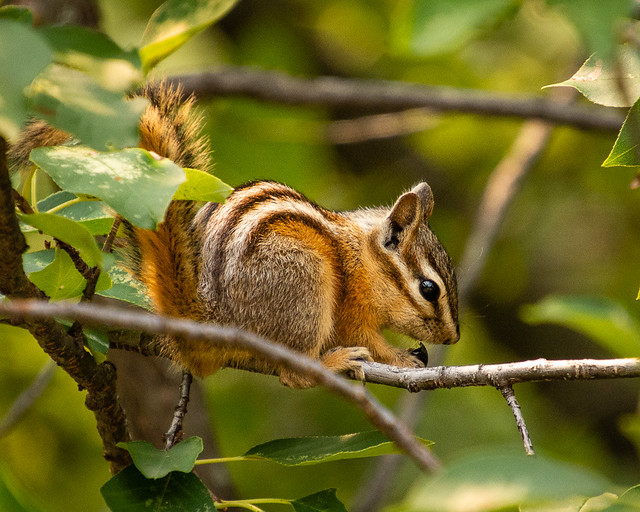
chipmunk

Upcoming Events
Guided Nature Immersion Walks, Sept. 10 & 14 (Saskatoon)
Participate in a nature immersion walk with Dolores Burkhart on Sept. 10 at 1 pm and Sept. 14 at 10 am.

The State of the Lakes, Sept. 14 (Fort Qu’Appelle)
Dr. Peter Leavitt will present his 25 years of data regarding the Qu’Appelle River Valley Watershed at the Treaty 4 Gathering at 6:30 pm, Sept. 14, in Fort Qu’Appelle.

Wild Ecol Seminar, Sept. 14 (Saskatoon)
The WildEcol seminar series is held at 3:30 pm, every other Friday, on the U of S campus:
Sept. 14 – Ecological factors driving the population biology of King Eiders

No Justice, No Adaptation, Sept. 15 & 16 (Saskatoon)
Suha Jarrar will discuss the politics of climate change in Palestine at 6 pm, Sept. 15,  and at 10:30 am, Sept. 16, in Saskatoon.

Walking Saskatoon, Sept. 16 (Saskatoon)
Everyone is invited to attend Walking Saskatoon’s meeting from 1-3 pm, Sept. 16.

Word on the Street, Sept. 16 (Saskatoon)
Paul Hanley and Trevor Herriot will be reading from their latest books at Word on the Street, Sept. 16.

Saskatchewan Owls, Sept. 17 (Regina)
Kim Mann will talk about Saskatchewan owls at the Nature Regina meeting, 7:30 pm, Sept. 17.

Fruit for the Birds, Sept. 18 (Saskatoon)
Find out which birds love eating fruit and which plants appeal to them the most at 7 pm, Sept. 18, at Wild Birds Unlimited.

Tyzzer’s Disease, Sept. 20 (Saskatoon)
Gary Wobeser will discuss the fascinating history and people in the study of Tyzzer’s disease at the Saskatoon Nature Society meeting, 7:30 pm, Sept. 20.


Looking Ahead
Nature Photography (Regina, Saskatoon)
One way to enjoy and share the beauty of the natural world is through photography. Both the Saskatoon Camera Club and the Regina Photo Club offer a varied program, including field trips.

Star-Gazing (Regina, Saskatoon)
Both the Regina and Saskatoon centres of the Royal Astronomical Society of Canada offer a monthly program. Check their websites for program information. Saskatoon also has a youth astronomy club.

Rollin’ It Up, Sept. 22 (Regina)
Help the Nature Conservancy of Canada remove old fencing and install bat houses on their Edenwold property on Sept. 22.

Canoe Certification Course, Sept. 29-30 (Regina)
SaskOutdoors is hosting a Paddle Canada canoe certification course in Regina Sept. 29-30.

Junior Nature Sketch Club, Sept. 29-Nov. 3 (Saskatoon)
Kids ages 5-12 are invited to join Junior Nature Sketch, an outdoor nature program that focuses on sketching and observing wildlife habitats.

Adult Nature Sketch Club, Sept. 29-Nov. 3 (Saskatoon)
Observe and sketch in wildlife habitats as part of the 5-week Adult Nature Sketch program.

Permaculture Design Course, October-April (Regina)
Edible Landscapes Permaculture Design & Consulting is offering a permaculture design certification course over 6 weekends from October to April in Regina. Registration deadline is Sept. 30.

A full list of upcoming events can be found on the EcoFriendly Sask Calendar 

In the News
An interview with Passive House pioneer Harold Orr.

Soil is filled with more biological diversity than any other habitat on Earth - here are some of the organisms that keep our soil healthy.

Wildlife corridors aren't a complete solution - generational knowledge isn't easily replaced.

Edward Burtynsky's new book records human changes to the planet.

When traffic-clogged highways are expanded, new drivers quickly materialize to fill them. Here’s how “induced demand” works.

George Monbiot refuses to believe that a better form of consumerism will save the planet.

EcoSask News is a weekly round-up of local news and events. Email us if you have items you would like us to include. 

You can follow EcoFriendly Sask by liking us on Facebook, following us on Twitter, or by email (top right corner).


Thursday, 26 April 2018

Healing the Land, Healing the People

Prince Albert Food Bank’s Co-op Community Oasis 


Wes Clark, the Prince Albert Food Bank’s Executive Director, is passionate about land reclamation and he’s not afraid of a challenge. With help from the community, he’s turning an abandoned piece of land, almost a brownfield, into a demonstration garden that promotes healing and food security. 

In 2015, the Prince Albert Food Bank hit a turning point. They’d been operating two different food programs – emergency food baskets and a hot meal program – but there just wasn’t enough funding and they were forced to make some tough choices. A series of stakeholder meetings encouraged the Food Bank to move upstream helping local residents to become more food secure. In addition to meeting emergency food needs, the Food Bank would establish a demonstration garden. “There’s a real disconnect,” Wes Clark says. “People don’t know where their food comes from.”

Reclaiming the Land 
Wes and his co-workers settled on the old Molson Brewery site, next door to SHARE (Self-Help and Recreational Education). Having a next-door neighbour would be a huge advantage as there would be storage space and people to keep an eye on the site. However, the soil was very poor and would be hard to work as a brick storage facility had been torn down and simply buried.

Back to Your Roots Soil Solutions generously donated supplies and tested the soil. The land was safe for food production but contained below optimal macro nutrients resulting in low fertility. Wes wasn’t discouraged. “We’re a food bank,” he said. “We’re used to challenges,” and began enriching the soil with everything from calcium and phosphates to fish oil and compost tea.

Seeds don’t germinate well in the poor soil, so the garden takes advantage of leftover bedding plants from local greenhouses. There were some successes. The garden’s magnesium-rich soil doesn’t work well for most plants, but tomatoes thrive in it, producing a bumper crop of super-sweet tomatoes.

From Food Waste to Compost 
The Prince Albert Food Coalition was concerned about food waste and curious to find out what quantity of fruit and vegetables were being thrown out by local grocery stores. Lake Country Co-op offered to sort and collect its fruit and vegetable waste for pickup by the Food Bank. It was a generous offer as it is easier and, at $67/ton, cheaper, to simply cart everything off to the landfill.

The plan was to turn the waste into compost to enrich the garden, but they quickly reached capacity in their bins as the grocery store produced 4 tons of fruit and vegetable waste in just 3 months. Wes started trench composting; Amy and Aron McInnes demonstrated hugelkultur; and the Prince Albert Parkland Permaculture Guild demonstrated sheet permaculture. A tractor, obtained at the end of the 2017 season, should lighten the task this summer.


Water Recapture 
Rain falling on the large roof of the SHARE building has been going straight into the storm sewer. This year the Food Bank plans to capture it in large tanks to water the garden. “There’s no chlorine in rain water, which the garden will like,” Wes says, “and SHARE won’t have to pay the City to pump the water out.”

Community Involvement 
Education and community involvement were key features of the garden from the start. From local police officers who helped plant the 2017 garden to U of S nursing students who organized a Pumpkin Trebuchet Composting Event, the Food Bank has been able to count on local support.

Workshops on composting, container planting, and hugelkultur were well received, while 242 local children were involved in the daily children’s program. Shelley Essaunce has been offering children’s program in Prince Albert’s west end for many years so her involvement was key in bringing local children into the garden for daily activities. This coming summer, the Food Bank hopes to hire an early childhood educator to work with the younger children, providing greater capacity to offer garden-related activities for the older children.

The Food Bank’s First Nations partners were concerned about the loss of culture in the urban environment. With financial support from the Prince Albert Community Foundation, elders and educators provided plant-based cultural programming. The Kistapinanihk program established a medicine wheel garden incorporating tobacco, sage, and cedar and offered 9 workshops. Prayer ties, talking sticks, and creative writing were particularly popular.


From Field to Plate 
Food security encompasses both food production and consumption. The Prince Albert Food Bank hopes to integrate both aspects by establishing a full-time paid position shared with the Prince Albert Community Kitchen. During the summer, the focus will be on the garden, while in the winter the coordinator will offer school cooking programs. Using food as a unifying force, the Prince Albert Food Bank is healing the land and healing the people.

See Also 
Co-op Community Oasis Project: 2017 Report, Prince Albert Food Bank

Four Seasons Urban Agriculture Project, Regina Food Bank

The Garden Patch, Saskatoon Food Bank and Learning Centre