Showing posts with label Conservation. Show all posts

Tuesday, 4 January 2022

EcoSask News, January 4, 2022

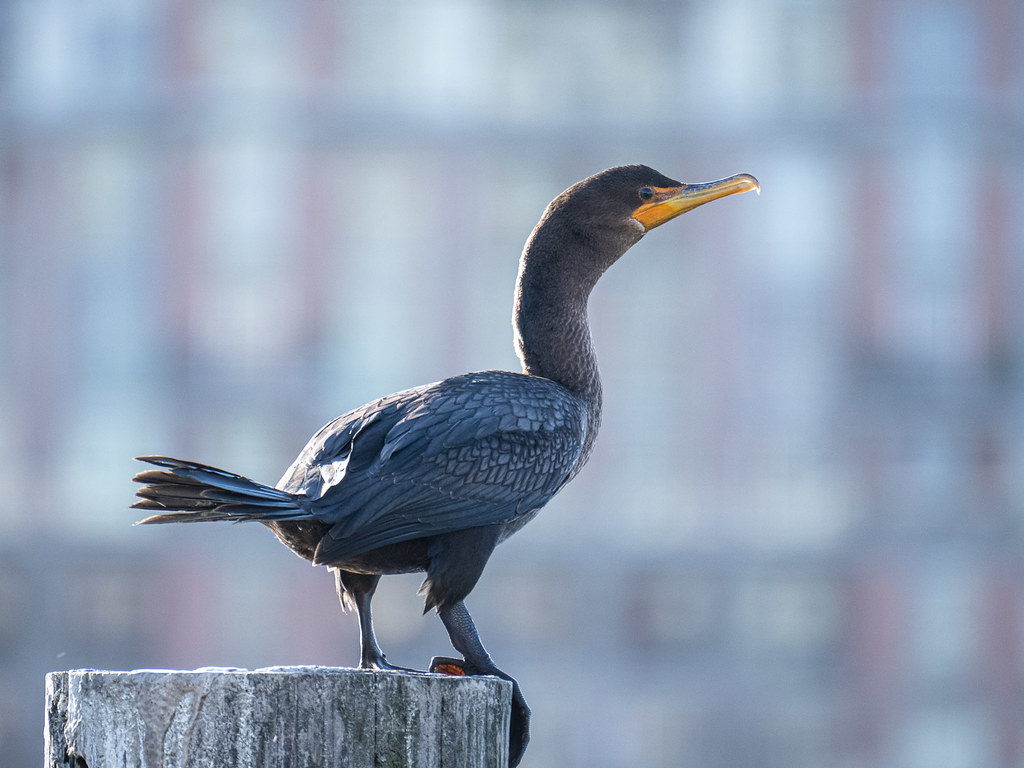
Double-crested cormorant

Upcoming Events 
SaskOutdoors will be hosting the following virtual workshops: 
Below Zero - 7-9 pm, Jan. 11 & 18 
Get Outside & Play - 7 pm, Jan. 17 
Project WILD - 7-9 pm, Jan. 24, 31, and Feb. 7 

Friends of Wascana Marsh will be holding a virtual annual general meeting at 7 pm, Jan. 20. 

Full details on all upcoming events can be found on the EcoFriendly Sask Calendar 

Energy 
Countries “will never agree to ‘phase down’ or ‘phase out’ fossil fuel energy without a reasonable substitute source of energy.” Is nuclear power the answer? [Johnson-Shoyama Graduate School of Public Policy

“The federal government should cap oilsands production to stop the rapid growth of toxic tailings. Then, industry should recycle the toxic waste instead of immediately dumping it.” Releasing tailings into the Athabasca River endangers the river and the people and wildlife that depend upon it. [The Narwhal

The largest solar project in Kentucky is being built on top of an abandoned mountain-top strip mine. [Yale Environment 360]
 
Anna's hummingbird

Conservation
Pittsburgh plans to become dark-sky compliant, switching to lower wattage LED bulbs and adding shade along bridges, roads, and other public areas. It will also be the first city to follow the International Dark Sky Association’s new values-centered outdoor lighting [IDA], comprehensive suggestions surrounding wattage and colour temperature as well as when and how to keep lights on. [Bloomberg CityLab

“Expanding the area and number of protected areas is not the solution to maintaining or restoring ecological connectivity. Instead, management for conservation should address unprotected areas, especially ones near existing protected areas to minimize the loss of connectivity.” [Conservation Corridor]
 
autumn colors

Celebration 
“The yellow birch is not ‘just a tree,’ but a life filled with generosity, and is a life that will be around 150 years beyond my own.” [Nature Canada

Marvel at the intricate detail and colourful complexity of Singapore’s microfauna. [Nicky Bay’s Macro Photography

“For many scientists, the resonant mystery is no longer which animals are conscious, but which are not.” How birds, fishes, bees, and other sentient beings experience the world. [The Atlantic

“By land or by sea, early whales moved between continents and were a larger part of Earth’s ancient ecology than paleontologists previously expected.” [Smithsonian Magazine

EcoFriendly Sask supports Saskatchewan environmental initiatives through an online publication, an events calendar, small grants, and the Nature Companion website/app. You can follow EcoFriendly Sask by liking us on Facebook, following us on Twitter, or subscribing by email (top right corner).

Tuesday, 14 December 2021

EcoSask News, December 14, 2021

Song sparrow

Song Sparrow make short, fluttering flights pumping their tail up and down. They prefer areas with low shrubs and bushes. [Nature Companion

Energy 
“Saskatchewan has a tremendous opportunity to use energy efficiency to achieve our climate commitments … every electron saved through energy efficiency results in fewer emissions from carbon-emitting coal and gas plants.” Martin Boucher outlines 5 effective options. [Martin Boucher, Regina Leader-Post

Calgary-based Canadian Premium Sand is shifting from providing fracking sand for the oil patch to producing solar panels. [CBC

Airports’ flat roofs, parking garages, and open spaces are an ideal location for solar panels. And, as many airports are connected to the municipal grid, they may even be able to feed energy back into the system. [Gizmodo

Making Choices 
Cities world-wide are beginning to employ sensor technology to monitor and minimize urban noise. [Bloomberg CityLab

I don’t want to leave children a future “full of cement, full of destruction”. The Austrian government halts 8 highway projects in an effort to slow climate change. [France 24]

Untitled

Most coniferous trees keep their foliage all year round, adding a welcome touch of green to a snowy winter landscape [Conifers of Western Canada, EcoFriendly Sask

Maintaining Biodiversity 
Yellowknife to Yukon is an ambitious project designed to protect an interconnected series of wildlands. A research team has concluded that this is an effective conservation strategy. Compared to neighbouring areas that weren’t part of the project, the protected area gained more land, more grizzly bears, and more wildlife crossings. The project also received mention in popular media (Gray’s Anatomy) and scientific publications. [Anthropocene

Environmental DNA (fragments of aquatic creatures floating in the water) can provide an early warning of invasive species entering new regions or threatened species moving outside their expected range. eDNA “could shape policy for protected regions and help monitor population shifts on a rapidly changing planet, but it may ultimately prove only as revolutionary as it is widely available and usable across the globe.” [JSTOR Daily

Nature-based solutions “can be highly effective in building long-term resilience for nature and people. It is a valuable asset in our toolbox for linking biodiversity and climate and addressing these twin crises.” However, care must be taken to recognize the inherent value of nature, to avoid treating nature-based solutions as offsetting, and to include stakeholders in developing countries. [International Institute for Sustainable Development

That’s Amazing! 
“Migrating birds push their bodies to the physiological limit, which creates excess heat. Some species cope by ascending to cooler air during daytime.” Many species also have lighter-coloured feathers, another way to stay cooler. [Science News


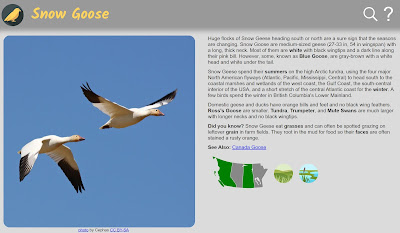
Snow Geese eat grasses and can often be spotted grazing on leftover grain in farm fields. They root in the mud for food so their faces are often stained a rusty orange. [Nature Companion

EcoFriendly Sask supports Saskatchewan environmental initiatives through an online publication, an events calendar, small grants, and the Nature Companion website/app. You can follow EcoFriendly Sask by liking us on Facebook, following us on Twitter, or subscribing by email (top right corner).

Tuesday, 7 September 2021

EcoSask News, September 7, 2021

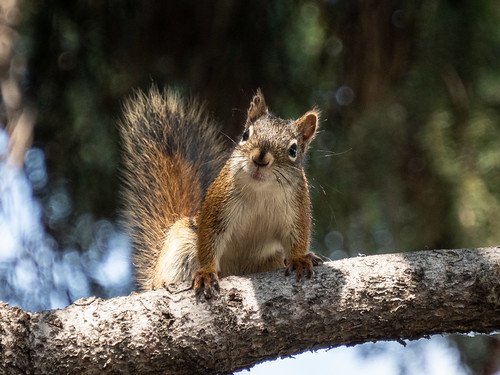
squirrel

Upcoming Events 
Saskatoon Nature Society is hosting a fall bird count on Sept. 11. Register by Sept. 10 if you’re interested in participating. 

Nature Regina is hosting a native plant sale from 9 am-1 pm, Sept. 11. 

The City of Prince Albert is hosting a household hazardous waste day from 9 am-4 pm, Sept. 11. 

City of Saskatoon residents can dispose of household hazardous waste from 9 am to 3:30 pm, Sept. 12. 

There will be an online federal election forum on climate, energy, and environment with Saskatoon candidates at 7 pm, Sept. 13. 

Nature Saskatchewan is hosting an online presentation on the migration and winter habitats of burrowing owls and monarch butterflies at 7 pm, Sept. 14. Register to participate. 

Looking Ahead 
Climate Reality Leadership Corps is offering online training from Oct. 18-24. 

Full event details are available on the EcoFriendly Sask Calendar
 
gopher (Richardsons ground squirrel)

How We Build 
The City of Saskatoon is now offering a home energy loan program (HELP) to help residents make their homes more energy efficient. “HELP loans are repaid through property taxes over five-, 10-, or 20-year terms, and remain attached to the property. If someone moves before the loan is repaid, the new homeowner will take on loan repayment.” [CBC Saskatoon

Energy-efficient buildings in combination with improved indoor air quality could prevent 2,900 to 5,100 premature deaths annually. [Anthropocene

PFAS are used to make products water-, stain-, or heat-resistant and can be found in thousands of everyday consumer products, such as stain guards, carpeting, floor wax, and non-stick cookware. They are linked to various serious health problems and significantly contaminate indoor air. [The Guardian

An ice box demonstration highlights the effectiveness of passive house design for providing more comfortable homes with lower costs. [Inhabitat]
 
mouse

Wild Lives 
“So many people think about species in terms of how close to endangerment or extinction they are, but actually, what we want to do is recover species.” The goal should be measuring what we want to achieve as well as what we want to avoid. [Yale Environment 360

Wanted – conservation champions for rodents, evolutionary marvels that have adapted to almost every region on earth, serving as food for larger animals while their eating habits disperse seeds, pollinate plants, and recycle soil nutrients. [The Revelator

Making a Difference 
Don Kowalski of Griffin, SK, has donated 800 acres to the Saskatchewan Wildlife Federation’s Habitat Trust Program. The land will be managed as a wildlife sanctuary and vehicles aren’t allowed. [Discover Weyburn

Climate cafés come in all shapes and sizes, providing an opportunity to support people as they acknowledge climate change exists and manage their feelings about it. [The Guardian

EcoFriendly Sask supports Saskatchewan environmental initiatives through an online publication, an events calendar, small grants, and the Nature Companion website/app. You can follow EcoFriendly Sask by liking us on Facebook, following us on Twitter, or subscribing by email (top right corner).

Tuesday, 27 July 2021

EcoSask News, July 27, 2021

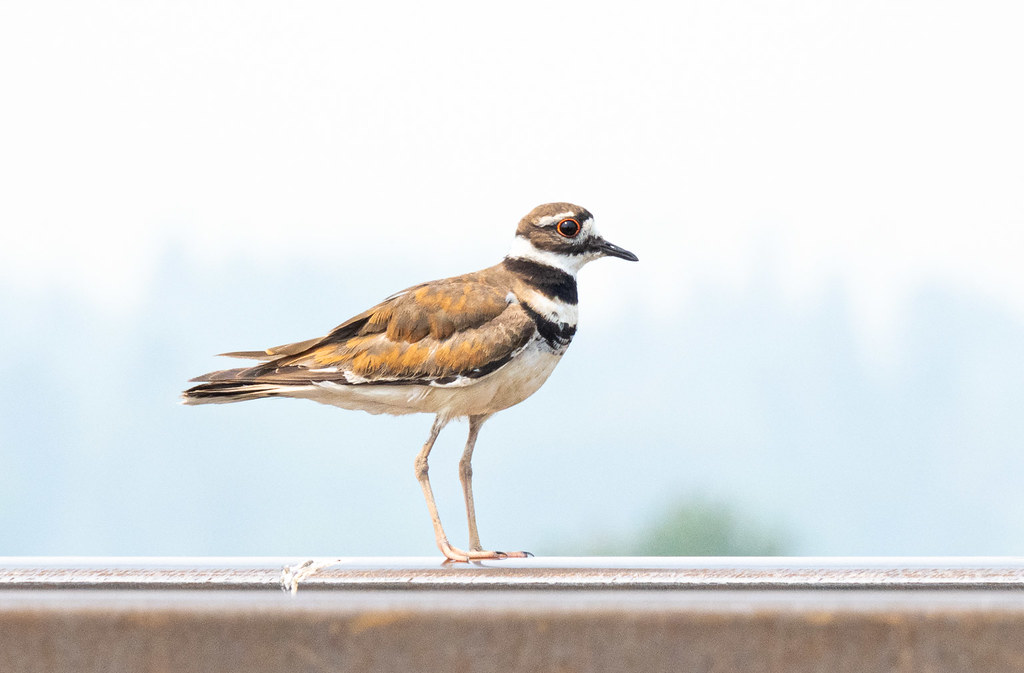
Killdeer

This Week’s Highlights 
With gratitude for the lifelong contributions of Stuart Houston, 1927-2021 [Bridges, Saskatoon StarPhoenix

Science magazine has published a special edition on plastics. Articles include The plastic eaters, Achieving a circular bioeconomy for plastics, and Toward polymer upcycling – adding value and tackling circularity. [Science

Upcoming Events 
Learn to orienteer with Nature Regina from 10-11:30 am or 10:30 am-noon, Aug. 2. 

South of the Divide Conservation Action Program (SODCAP) will be holding its annual general meeting on Aug. 9 in Frontier. 

All events are listed on the EcoFriendly Sask Calendar

Energy 
Greenland has suspended all new oil and gas exploration. Government officials said they believe the "price of oil extraction is too high," citing both economic considerations and the fight against climate change. [CBS News

Storing excess renewable energy in batteries and releasing it when needed is more effective with collective, neighbourhood battery storage. [Anthropocene

Conservation Needs & Successes 
Loss of habitat deprives woodland caribou of safety from predators, food, and safe nursing grounds and leads to increased competition and disease. [CPAWS-SK

A conservation agreement with Nature Conservancy and Ducks Unlimited of Canada will protect over 3000 acres in the Moose Mountain Natural Area. The landowners have agreed not to subdivide, develop the property, drain the wetlands, or harvest the trees. [Discover Weyburn]

Elm Spanworm moth

That’s Amazing 
7 incredible moths - from one species that drinks the tears of birds to another that lives in the fur of sloths. [Smithsonian Magazine


Did you know? In very hot climates adult killdeer shade their eggs at midday and may soak their belly feathers to help cool the eggs. 

EcoFriendly Sask supports Saskatchewan environmental initiatives through an online publication, an events calendar, small grants, and the Nature Companion website/app. You can follow EcoFriendly Sask by liking us on Facebook, following us on Twitter, or subscribing by email (top right corner).

Tuesday, 20 October 2020

EcoSask News, October 20, 2020

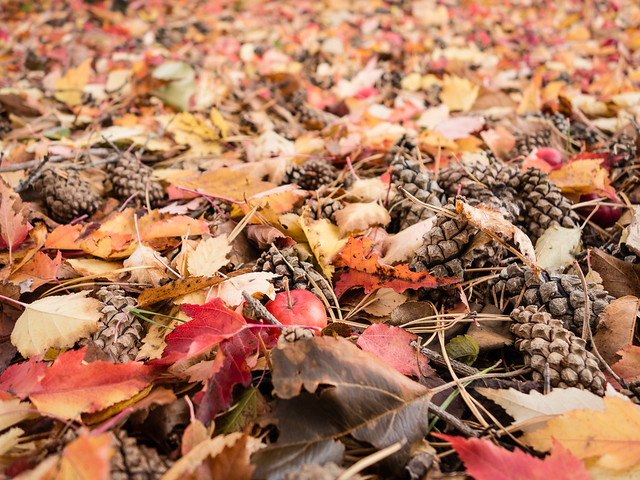
autumn leaves

Upcoming Events 
EnviroCollective, Oct. 22 (online) 
Regina’s EnviroCollective is hosting a virtual meeting at 7 pm, Oct. 22. 

Advancing a Circular Economy, Oct. 22 (online) 
The Recycling Councils of Alberta and British Columbia are hosting a webinar on national updates and provinces’ efforts to advance the circular economy at 10 am, Oct. 22. 

Household Hazardous Waste Days, Oct. 23/24 (Regina) 
The City of Regina is holding Household Hazardous Waste Days on Oct. 23 from 4-7 pm and on Oct. 24 from 9 am-4 pm

River Cleanup, Oct. 25 (Saskatoon) 
The Environmental Studies Students Association, U of S, is hosting a riverbank cleanup from 2-3:30 pm, Oct. 25. Everyone is welcome to assist.

Toads & Frogs, Oct. 29 (online) 
There will be a discussion about Great Plains Toads and Northern Leopard Frogs at noon, Oct. 29, as part of SK PCAP’s Native Prairie Speaker Series. 

Looking Ahead 
Early Childhood Education, Nov. 9-23 (online) 
SaskOutdoors is offering an online series on early childhood outdoor and environmental education resources from 7-8:30 pm, Nov. 9, 16, and 23. 

A full list of upcoming events (online and in person) can be found on the EcoFriendly Sask Calendar 

Local News 
Katie Suek, Restoring 71, shares her story of landowner-driven conservation, restoration, and education during a pandemic in a short video. 

Nature Saskatchewan has prepared 3 videos: 

Southern Saskatchewan residents hold conflicting opinions, caught between the need to address climate change and support for the oil and gas industry

A new Nature Conservancy property extends a wildlife corridor near Saskatoon. 

A Pike Lake bioblitz – “I learned lots and had fun!”
 
autumn leaves

From Information to Action
Secondhand jeans - Levi’s joins a select handful of fashion brands that have developed a ‘reverse supply chain’ to support secondhand sales. 

Canada’s hydroelectric power is a hot export commodity – but at what cost? 

There are over 24,000 orphaned and abandoned oil and gas wells in Saskatchewan. The cost to clean them up continues to grow. 

“Bringing the buffalo, the black-footed ferret and now the swift fox back, bringing those family members back home, connects us to our history with this land. It gives us a lot of pride as Natives.” 


EcoSask News is a weekly round-up of local news and events. Email us if you have items you would like us to include. 

You can follow EcoFriendly Sask by liking us on Facebook, following us on Twitter, or by email (top right corner). 


Check out EcoFriendly Sask’s Nature Companion, a free nature app for Canada’s four western provinces

Tuesday, 15 September 2020

EcoSask News, September 15, 2020

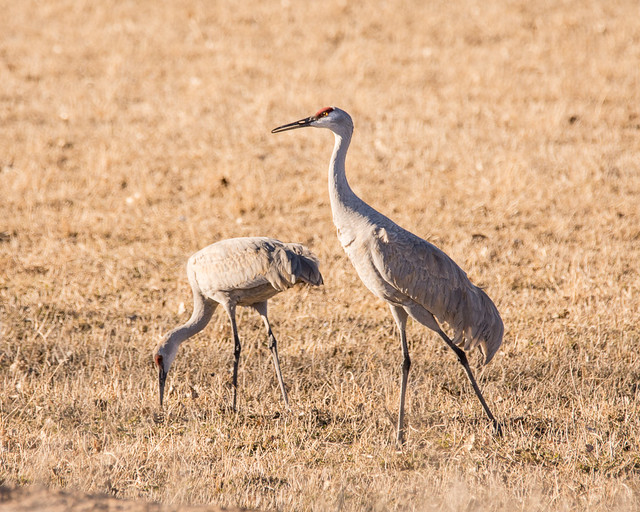
Sandhill cranes

Upcoming Events
Cycling in Saskatoon, Sept. 15 (online)
Avid cyclist Kira Judge will present possible solutions for people who do not currently ride their bike in Saskatoon in an online Sustainable Speakers series presentation from 7-8:30 pm, Sept. 15.

Outdoor Adventures Kids Club, Sept. 16-Oct. 28 (Regina) 
Nature Regina, Nature Saskatchewan, and SaskOutdoors are offering an outdoor kids club from 10 am-12 pm, Wednesdays from Sept. 16-Oct. 28. The outdoor education program, for kids ages 6-12, is designed to support the science curriculum and will include French enrichment.

Last Mountain Bird Observatory, Sept. 19 (online) 
Nature Saskatchewan is celebrating 30 years at Last Mountain Bird Observatory with a special Zoom presentation by Al Smith at 7 pm, Sept. 19. Pre-registration is required.

Outdoor Adventure Guides, Sept. 21 (Regina) 
Join Nature Regina for a presentation on their new outdoor adventure guides from 7-8:30 pm, Sept. 21. RSVP as seating is limited.

Talking about Climate Change, Sept. 22, Oct. 6 & 20
Climate Justice Saskatoon is offering 3 free webinars on talking with people about climate change during the election campaigns from 7:30-9 pm, Sept. 22, and from 7:30-8:30 pm, Oct. 6 and Oct. 20.

Bison Restoration at Wanuskewin, Sept. 23 (online) 
There will be a webinar about bringing bison back to Wanuskewin at noon, Sept. 23, as part of SK-PCAP’s Native Prairie Speaker series.

Meewasin Valley Summit, Sept. 23 (online) 
Join Meewasin leadership for insight into upcoming strategies, priorities, and projects from 11 am-1 pm, Sept. 23 (online).

SODCAP AGM, Sept. 24 (online) 
South of the Divide Conservation Action Program is holding its annual general meeting online from 2-6 pm, Sept. 24. There will be presentations on helium development and badgers. You can join them at approximately 3 pm for the presentation about badgers.

Tree Wrapping, Sept. 24 (Saskatoon) 
Join Living Sky Wildlife Rehabilitation, Meewasin Valley Authority, and SOS Trees in wrapping trees to help maintain a balance between food for beavers and urban forest from 5-7 pm, Sept. 24. Sign up to register.

Sandhill cranes

Looking Ahead
World Rivers Day, Sept. 27 (online) 
Safe Drinking Water Foundation, Partners FOR the Saskatchewan River Basin, South Saskatchewan River Watershed Stewards, Meewasin, and The Saskatchewan First Nations Water Association are holding a Virtual World Rivers Day event from 1- 2:30 pm, Sept. 27. Start following them now if you want to win one of the prizes.

Whooping & Sandhill Crane Tour, late Sept.-mid Oct. (Saskatoon) 
Groups of 1-4 using their own vehicle are invited to join Stan Shadick on 1-day and 2-day custom tours to look for Whooping and/or Sandhill Cranes. Proceeds will go to Living Sky Wildlife Rehabilitation.

WILD Education Facilitator Training, Oct. 5-17 (online & Regina) 
SaskOutdoors is hosting an online WILD Education facilitator training from 7-9 pm on Oct. 5, 7, and 14, and from 10 am-4 pm, Oct. 17, in person, in Regina.

Virtual Repair Café, Oct. 24 (online) 
The Saskatchewan Waste Reduction Council is hosting a virtual repair café from 10 am-2 pm, Oct. 24. Register a broken item and you’ll receive a link to a Zoom meeting where knowledgeable volunteers will coach you through fixing your item.

A full list of upcoming events (online and in person) can be found on the EcoFriendly Sask Calendar 

Local News
The Prairie-Hardy Trees Forum is a new Facebook group to discuss, share, and ask questions related to trees.

From Information to Action
“Conservation organizations face a singular opportunity to reshape conservation into a discipline that promotes both the quantity of species and the quality of animal life.”

Geothermal projects in western Canada could herald a new era for an untapped resource and job opportunities for former oil and gas workers.

Should national parks close for a couple of months every year to give them a respite from human traffic?

“Oil and gas executives knowingly pushed the illusion that comprehensive plastic recycling is a viable practice — with no actual intention of making it that way — all in the interest of getting consumers to buy more single-use plastic materials.”

“Many of the world’s largest freight transporters are flailing during the pandemic and will be reliant on government money to survive. . . . governments have leverage to prod these industries to go greener and contribute their fair share to hitting international climate targets.”

Natural Wonders
The Natures Wild Neighbours Society invites you to get outdoors, connect with nature through the creative arts and upload your nature-inspired art, photography, writing, video or music entry before June 1, 2021, for a chance to win some wild prizes.

The miracle of flight – insects in slow motion


EcoSask News is a weekly round-up of local news and events. Email us if you have items you would like us to include. 

You can follow EcoFriendly Sask by liking us on Facebook, following us on Twitter, or by email (top right corner). 


Check out EcoFriendly Sask’s Nature Companion, a free nature app for Canada’s four western provinces

Tuesday, 1 September 2020

EcoSask News, September 1, 2020

Tricolored Bumblebee on globe thistle

Upcoming Events
Lightspark, Sept. 2 (online)
Energy Management Task Force is hosting an online presentation on Lightspark, a digital platform measuring community carbon reduction from 7:30-9 am, Sept. 2.

Migrating Shorebirds, Sept. 3 (online)
Watch migrating semi-palmated sandpipers and other shorebirds as they congregate on the Bay of Fundy and hear the most up-to-date research on the Nature Conservancy of Canada’s webinar from 12-12:30 pm, Sept. 3 (SK time).

Climate Adaptation, Sept. 10 (online)
Partners FOR the Saskatchewan River Basin will be holding a series of monthly webinars in lieu of an annual conference. The first, from 12-1 pm, Sept. 10, is a report on the City of Saskatoon’s Climate Adaptation Strategy.

Sheep Grazing Demonstrations, Sept. 10-13 & 17-20 (Saskatoon)
View how a herd of sheep are managed as they practise targeted conservation grazing at Beaver Creek Conservation Area from Sept. 10-13 and 17-20.

Electric Vehicles & their Health Benefits, Sept. 11 (online) 
Climate Reality Canada is hosting a webinar on the health benefits of electric vehicles at 9:30 am, Sept. 11 (SK time).

Saskatoon Nature Society Field Trips
Saskatoon Young Naturalists
Nov. 14, 1-2:30 pm – Bird Feeder Workshop
Dec. 6, 1-3 pm – Paper Making Workshop
Space is limited; register early to avoid disappointment.

Golden Eagles
Sept. 3, 9 am – Gabriel Dumont Park
Sept. 10, 9 am – Cranberry Flats & Beaver Creek
Sept. 17, 9 am – South Saskatchewan Ferry
Retirees and partners who are interested in birds and the natural world are invited to participate.

Other Saskatoon Nature Society Field Trips
Sept. 12 – Fall Bird Count (volunteers needed)
Sept. 21, 6-8 pm – Sandhill Crane Viewing
Field trips are currently for members only, so sign up now. Full trip details are available on the Saskatoon Nature Society’s website.

A full list of upcoming events (online and in person) can be found on the EcoFriendly Sask Calendar

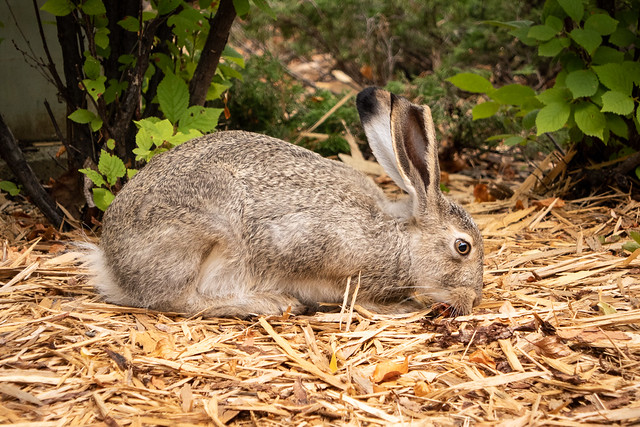
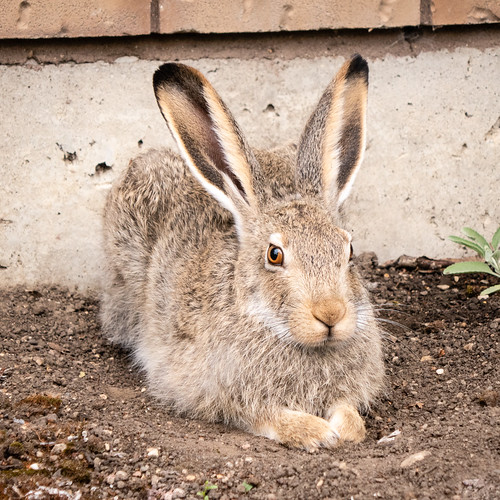
Jackrabbit

Local News
Congratulations to the Saskatchewan Environmental Society on 50 years of standing up for the environment.

Saskatoon Nature Society is working with Nature Conservancy of Canada to develop/conserve a site near Asquith. The Society’s president says, “Portions of the land are perfect examples of prairie habitat and others seem promising for management to return it to its native roots.”

Birds in Real Danger, Saskatoon is looking for volunteers to check for birds and feathers in downtown Saskatoon indicating window strikes during fall migration. Window strikes can also be posted online.

Tourism Saskatoon invites you to take a tour of Saskatoon’s trees.

From Information to Action
“Wildfire is just a natural part of the dynamics . . . . I would love to see the day when we give these severely burned forests the protections that they deserve.”

TikTok has 800 million users, many of them conscious young eco-influencers campaigning on issues from climate change to biodiversity . . . . People are genuinely learning things they never learned in school or from their communities.”

“Any creature that appears indoors these days is greeted with fear, hysteria and calls for extermination. . . . ‘Gardens’ are now treated as outside rooms and sterilised in the same way as houses, with the result that tiles, decking, and artificial grass have all but wiped out urban wildlife.”

Earthworms are invading the Arctic.

Can we justify mothing? “They’re delicate creatures being drawn into unnatural conditions for what often is a significant percentage of their adult lives. All is not as harmless it seems at first glance.”

Treeline: The Secret Life of Trees, available on YouTube, follows a group of skiers, snowboarders, scientists, and healers to the birch forests of Japan, the red cedars of British Columbia, and the bristlecones of Nevada.

EcoSask News is a weekly round-up of local news and events. Email us if you have items you would like us to include.

You can follow EcoFriendly Sask by liking us on Facebook, following us on Twitter, or by email (top right corner).


Check out EcoFriendly Sask’s Nature Companion, a free nature app for Canada’s four western provinces

Tuesday, 9 June 2020

EcoSask News, June 9, 2020

Golden bean

Upcoming Events
Young Naturalists Bluebird Trail, June (Saskatoon) 
Sign up to participate in the Saskatoon Young Naturalists bluebird monitoring trail program on June 15, 17, 19, 22, 23, or 24. Register early as dates are filling up fast.

Plants of the Opimihaw Valley, June 11 (online) 
Find out about the plants of the Opimihaw Valley from 12-12:30 pm, June 11, as part of Wanuskewin’s Snax & Facts series.

Teacher/Outdoor Educator Forum, June 11/12 (online) 
SaskOutdoors is hosting a follow-up forum for teachers and outdoor educators on June 11 and 12 with various time slots for different age groups.

Wascana Marsh Tour, June 13 (Regina) 
Take a guided tour of Wascana Marsh at 11 am, June 13, by emailing friendsofwascanamarsh@gmail.com or download a self-guided tour pamphlet.

Native Prairie Appreciation Week, June 14-20 (online) 
Native Prairie Appreciation Week 2020 is online with a video, webinars (including one with Candace Savage), a plant Id presentation and quiz.

Woodland Caribou, June 16 (online) 
There will be a webinar on the efficacy of habitat restoration for woodland caribou at 2 pm, June 16. Email Caribou.Webinars@gmail.com to participate.

Navigating Risky Play, June 16 (online) 
SaskOutdoors is hosting a webinar on navigating risky outdoor play from 11 am-noon, June 16.

Overnight/Emergency Preparedness, June 17 (online) 
Join SaskOutdoors and Back40 Wilderness First Aid for a webinar about overnight/emergency preparedness from 7:30-8:30 pm, June 17.

Teacher/Outdoor Educator Discussion Panel, June 18 (online)
SaskOutdoors is hosting an online panel discussion with experienced environmental educators sharing their tips for taking learning outside from 11am-noon, June 18.

Wilderness First Aid, June 19-21 (Saskatoon) 
Back40 Wilderness First Aid Training is offering a 20-hour wilderness first aid training course in Saskatoon June 19-21.

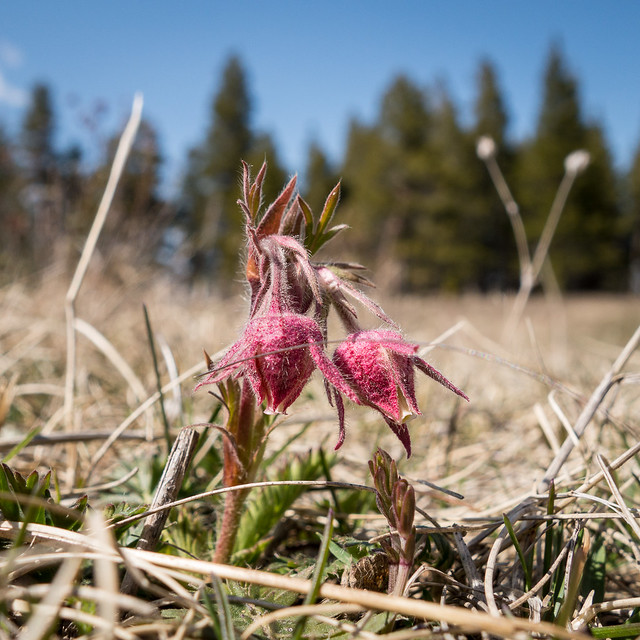
three-flowered aven

Looking Ahead
Waste ReForum, July 14-16 (online) 
The Saskatchewan Waste Reduction Council has switched to an online format for this year's Waste ReForum from 10:30 am-3 pm, July 14-16.

A full list of upcoming events (online and in person) can be found on the EcoFriendly Sask Calendar

Local News
Sign up for Nature Regina’s newsletter and receive information about self-directed family hikes, citizen science projects, and much more.

The University of Saskatchewan has been awarded a $2.5 million grant to increase climate change education, training and public awareness on a global scale.

University of Saskatchewan researchers have developed an app that shows the economic value of shelterbelts while helping landowners determine the best trees to grow.

Where you live in Saskatchewan has an impact on your attitudes towards power production sources.

Stories along the Qu’Appelle Valley offers land-based Indigenous wisdom from Treaty 4 territory, the land of the Saulteaux-Cree, Saulteaux, Dakota, and Nakota peoples.

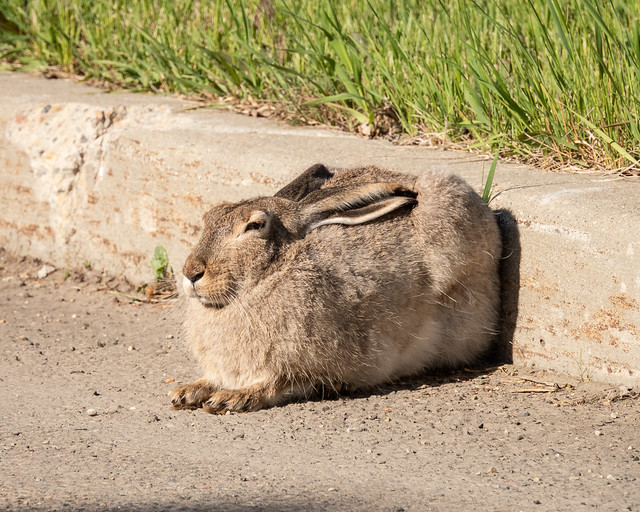
Jackrabbit at Innovation Place

From Information to Action
The incredibly biodiverse world of soil and how it connects to the ground above that we as humans inhabit

Back Market is an online retail platform for secondhand electronics. “They sell refurbished goods through a network of partners, with careful vetting to ensure quality. That allows them to offer a warranty and to provide customer service.”

Rattlesnake populations are declining, and that’s a problem because they’re “key players in grassland food chains, acting as mid-level predators that control rodent populations and serve as a food source for larger predators.”

Manitoba’s Boreal Wetlands Conservation Codes of Practice are designed to “provide guidance on how to avoid, minimize, and offset impacts to boreal wetlands that result from resource roads, access roads, and crossings.”

Austin, TX, is keeping racial equity front and centre in revising its community climate plan.

Conservation planning should ensure a network of protected areas that plants and animals can retreat to as their habitats are altered due to climate change.

EcoSask News is a weekly round-up of local news and events. Email us if you have items you would like us to include. 

You can follow EcoFriendly Sask by liking us on Facebook, following us on Twitter, or by email (top right corner).

Tuesday, 17 March 2020

EcoSask News, March 17, 2020

willow trees

“We need to turn to Mama Nature for shelter and peace. . . . What can we find there? Look to the sky...it is spring after all. Look for newly arrived birds. Look for new budding plants. Look for the tiny insect life. . . . Feel the breeze, sniff the air, feel the smooth bark of a sapling, the rough bark of mature trees.” (Dr. Joseph Conrad via Elva’s Field Notes)

Upcoming Events
Due to Covid-19, many events are being cancelled. To avoid confusion, we have removed all events from our Calendar for March and will continue to monitor the situation. Check directly with organizations to see what events they’re continuing to hold.

A great resource at this time are the nature/environmental radio programs in Regina and Saskatoon. You can catch past episodes of The Prairie Naturalist or listen to From the Ground Up (6:30-7 pm, Thursdays).

Another excellent resource is the Native Prairie Speaker Series. You can find past episodes on SK PCAP’s YouTube channel.

In Saskatchewan
Youth in Regina have just released a report: Youth Perspectives on Regina’s Energy Future. You can lend your support to the youth’s sustainability recommendations by writing to Regina City Council.

Plans are underway for the SES Solar Co-op’s seventh and largest project. The Solar Co-op has partnered with CNH Industrial for the installation of approximately 375 kilowatts or 1200 solar panels on their property in Saskatoon. A limited number of shares are now available.

trees flowering

From Information to Action
Yard lists remain an understated and unsung birding pleasure” – and they’re perfect for a period of social distancing.

“The recovery of bald eagles is one of the most incredible conservation success stories ever told . . . . Solving that issue – far more complex than it first appears – can still provide a map to dealing with our biggest crises.”

Miistakis Institute, in collaboration with the City of Edmonton, has published a series of resources and case studies on using ecoroofs in cities to improve stormwater management, regulate building temperatures, reduce urban heat island effects, improve air quality, and increase urban wildlife habitat and biodiversity.

“Stone,” says architect Amin Taha, “is the great forgotten material of our time. In 99% of cases, it’s cheaper and greener to use stone in a structural way, as opposed to concrete or steel.”

If you are planning to start a Library of Things, using the existing infrastructure of a local library can help you save time and money.

Keystone species fill a critical role in their environment that cannot be occupied by any other species.

EcoSask News is a weekly round-up of local news and events. Email us if you have items you would like us to include. 

You can follow EcoFriendly Sask by liking us on Facebook, following us on Twitter, or by email (top right corner).

Tuesday, 12 March 2019

EcoSask News, March 12, 2019

cedar

Upcoming Events
Ferruginous Hawks, Mar. 13 (webinar)
Janet Ng will offer a noon-hour webinar on ferruginous hawks on Mar. 13 as part of SK-PCAP’s Native Prairie Speaker Series.

Standing Rock vs Dakota Access Pipeline, Mar. 13 (Saskatoon) & Mar. 14 (Regina)
Nick Estes, author of Our History is the Future: Standing Rock vs the Dakota Access Pipeline & the Long Tradition of Indigenous Resistance, will be speaking in Saskatoon at 12:30 and 7 pm, Mar. 13, and in Regina at 7 pm, Mar. 14.

Care & Pruning of Trees, Mar. 14 (Regina)
Find out how to care for your trees at the Regent Place branch of the Regina Public Library from 7:30-8:30 pm, Mar. 14.

Essence, Mar. 14 (Saskatoon)
Essence, a film about Ness Creek, is premiering at 7 pm, Mar. 14, in Saskatoon.

Repair Café, Mar. 16 (Prince Albert) 
Share and learn skills to repair things at Repair Café Prince Albert from 1-4 pm, Mar. 16.

Project Wet, Mar. 16 (Regina)
SaskOutdoors is hosting a Project Wet workshop for K-12 teachers in Regina from 9:30 am-3:30 pm, Mar. 16.

Ecological Literacy for Adults, Mar. 16 (Saskatoon)
Lichen Nature is offering an ecological literacy event to help people connect with nature from 10 am-2:30 pm, Mar. 16.

Flying Ambassador, Mar. 16 (Saskatoon) 
USask’s Wild and Exotic Animal Medicine Society will be bringing one of their animals to Wild Birds Unlimited from 1-3 pm, Mar. 16.

Prairie’s Got the Goods Week, Mar. 17-23 (Saskatchewan)
Enjoy daily webinars during PCAP-SK’s Prairie’s Got the Goods Week from Mar. 17-23. Topics include Prairie Wetlands: A Case Study of the Smith Creek Drainage Basin and Native Grassland and its Importance to Grassland Songbirds.

Bumble Bee Pathogens, Mar. 18 (Regina)
Kirsten Palmier will discuss bumble bee pathogens from 7:30-9:30 pm, at the Mar. 18 meeting of Nature Regina.

Bird ID for Novice Birders, Mar. 18 (Saskatoon)
The Saskatoon Nature Society and the SK Breeding Bird Atlas are offering a free two-hour workshop on the basics of bird identification from 7-9 pm, Mar. 18.

Indigenous Renewable Connections, Mar. 20 (Saskatoon)
Indigenous employees, students and businesses along with renewable energy employers and industry are invited to make connections and build relationships at the Workforce Connex event at the U of S, Mar. 20 from 8:30 am-4:30 pm.

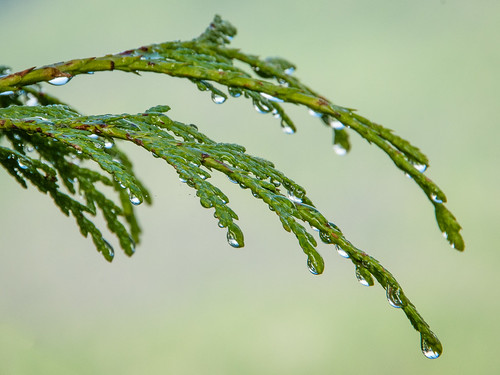
raindrops on cedar branch

Looking Ahead
Basic Wildlife Rehab. Course, Apr. 6-7 (Saskatoon)
Living Sky Wildlife Rehabilitation is hosting a two-day introduction to wildlife rehabilitation on Apr. 6 & 7 in Saskatoon.

Passive House Planning Package, Apr. 11-13 (Saskatoon)
This course, being offered in Saskatoon from Apr. 11-13, provides step-by-step instruction for using the PHPP energy modelling software, which is essential for designing a Passive House building.

Birding with Jared, May 26 (Regina) 
Join Jared Clarke on a birding bus tour with experienced guides from 8 am-4 pm, May 26. Pickups in Regina and Balgonie. Proceeds to the Milestone NDP Constituency Association.

Saskatoon Nature Society Field Trips 
Mar. 16, 7:45-10 pm – Saw-whet owling near Pike Lake
Mar. 30, 9:15 am-2 pm – Bluebird trip
Everyone is welcome. Check the Saskatoon Nature Society’s NEW website for full details and updated information.

A full list of upcoming events can be found on the EcoFriendly Sask Calendar 

In the News
Environment Canada and the Department of Defence are working together to protect natural areas on military bases.

"It’s not about how old the trees are, it’s about how long there’s been a forest on that site. Studying lichen that can only be found in a particular site will help determine the age and biodiversity of a forest."

We are the Ark - “it’s up to each of us to re-wild our world, piece by piece until we have a patchwork quilt of sanctuaries that wraps its way around the globe.”

Vancouver Park Board looks into more humane pest control methods.

4 pairs of lovely legs - 9 of the world's most beautiful spiders.

EcoSask News is a weekly round-up of local news and events. Email us if you have items you would like us to include. 

You can follow EcoFriendly Sask by liking us on Facebook, following us on Twitter, or by email (top right corner).

Thursday, 16 August 2018

The Rise of Citizen Scientists

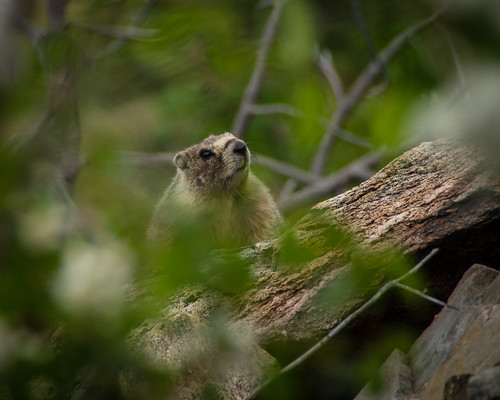
marmot


“My seven-year-old loved this [Sask Parks bioblitz].She logged 41 observations and loved getting feedback from people and learning what things were. Can’t wait to do this again next year!” (EcoFriendly Sask Twitter feed) 

Do you like to dig in the dirt or would you rather scan the sky for birds? Do you like solving puzzles on the computer or wonder what is happening in your backyard overnight? All these opportunities and more are available every day as the public is invited to assist scientists in collecting and processing data and working on conservation projects.

Eyes and Ears
For more than 25 years, observers have provided Plant Watch Alberta with over 55,000 records of when plants start to flower. Many of those volunteers have been involved for over 10 years providing valuable indicators of variations in the weather and the risk of early spring wildfires before the forests turn green.

In 2017, the Royal Saskatchewan Museum held one-day bioblitzes in Regina and Cypress Hills. With 665 observations of 239 different species, the Regina bioblitz provided baseline data on the species that inhabit the area. There were some exciting discoveries in Cypress Hills where volunteer plant experts identified a number of mosses and liverworts that were either new to Cypress Hills or new to Saskatchewan.

Very little is known about Calgary’s frogs, toads, and salamanders. Calgary residents enjoying a walk along the Rotary Mattamy Greenway can help by using a newly developed app, Call of the Wetland, to identify and report when they either hear or see one of these amphibians.

Citizen science projects recognize the value of local knowledge, which can supplement and guide scientific research. The LEO network in Alaska “is a network of local observers and topic experts who share knowledge about unusual animal, environment, and weather events.”

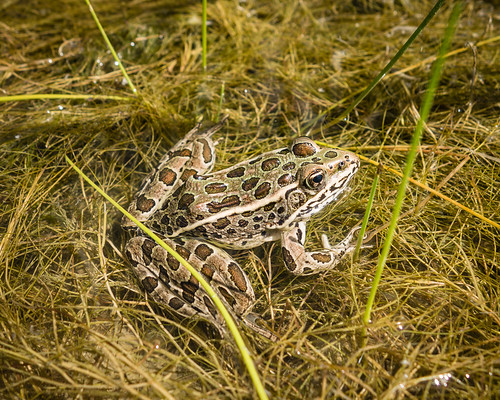
Northern Leopard frog

Practical Applications
Many citizen science projects have a practical purpose. Residents living near Heathrow Airport in London, England, installed devices in their homes and gardens to record noise and its impact on people and wildlife. The data was shared with local authorities and fed into the consultation process for a third runway.

Over 4500 wildlife observations in BC’s Crowsnest Pass are being used to build support for a wildlife corridor and will assist in planning a future highway expansion. A project tracking wildlife crossings and collisions along the Nova Scotia-New Brunswick border hopes to reduce the number of animals killed on the roads in that area.

Biologists, agencies, and communities involved in Grupo Tortuguero not only collected data on local turtle populations but also assisted in establishing marine protected areas and sustainable fishing practices.

road through snowy trees

Remote Control
You don’t need to be physically present to help collect data. A University of Wisconsin biologist who tracks deer, bears, and other large animals distributed thousands of motion-sensitive cameras to teachers, students, landowners, and nature-lovers. "By working with citizen scientists who put out these cameras on their own private property, we're now able to characterize areas that we wouldn't otherwise be able to go into," he says.

Soundscapes to Landscapes is mapping bird diversity in Sonoma County, California. Volunteers distribute and collect sound recorders around the area. Experts then train computers to identify the different songs, whistles, and squeaks that have been recorded.

You can be a citizen scientist from the comfort of your own home. Calgary Captured is looking for volunteers to identify the animals in photos taken by motion-activated cameras in 12 city parks. Zooniverse labels itself as people-powered research and hosts a wide variety of projects – count cells in modern and fossil leaves, classify galaxies according to their shape, or transcribe natural history museum data to make it more accessible.

Muscles
Sometimes eyes and ears aren’t enough. Conservation organizations need your muscles. You can plant sagebrush to provide nesting cover and winter forage for greater-sage grouse at Grasslands National Park or work with scientists from Calgary Zoo on the Canadian Prairie Dog Ecosystem Research Project. Volunteers with the Native Plant Society of Saskatchewan dig out invasive flowering rush, while conservation volunteers with the Nature Conservancy of Canada help tear down or repair fences, install bird boxes, and clean up shoreline debris. Volunteer gardeners are gathering every Thursday morning to whip the Native Plant Garden at Regina’s Royal Saskatchewan Museum back into shape.

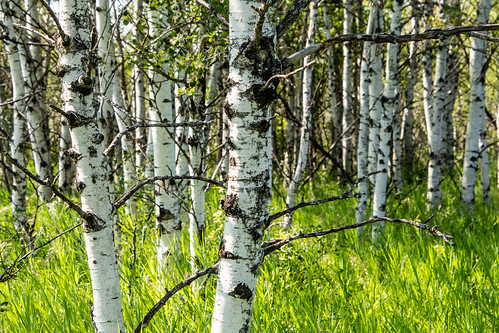
Aspen grove and smooth brome

Personal Benefits
Volunteering your time to help with a science project can generate huge personal benefits. Meghan Mickelson participated in a bioblitz at Nature Conservancy of Canada’s Dundurn property earlier this year. She says, “There is magic in discovering a new area: you never know what is around each bend or behind each grove of trees. . . . I love exploring, taking photos of flowers, bugs and the land.”

Tony Iwane started contributing photographs to iNaturalist when he retired. He says, “There is no question that iNat has changed the way I interact with the natural world. I find that now instead of just assessing whether something is ‘pretty’ or not, I’m much more inclined to stop and watch. I have much more respect for the natural world…There is nothing scientific about what I do, I just have a love of nature which iNat has flamed into an obsession! I now get triple enjoyment from the things I see, firstly the sighting, then working through the photos, and finally, sharing the observation with people who are interested. I value the identifications, the information available, and the fact that in some small way I may be helping.”
Tuesday, 7 August 2018

EcoSask News, August 7, 2018

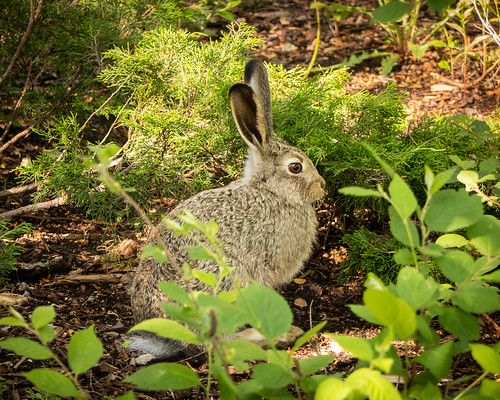
Jackrabbit (juvenile?)

Upcoming Events
Wild Wednesdays, Aug. 8 & 15 (Esterhazy)
Kids can learn about different animals and birds at Jean Pask Library, Esterhazy, from 1-2 pm, Aug. 8 and 15.

Nature for Kids, Aug. 9 (Yorkton) 
Kids are invited to come and learn about Saskatchewan’s owls from 2-3 pm, Aug. 9, at the Yorkton Public Library.

Meeting the 1.5 Degree Climate Target, Aug. 14 (Regina)
Regina Public Interest Group is hosting Dr. Charlie Wilson of the Tyndall Centre for Climate Change Research (UK) who will discuss transforming energy demand to meet the 1.5°C climate target and sustainable development goals from 11-noon in ED Building 114, University of Regina.

Family Paddle, Aug. 17 (Regina)
SaskOutdoors and Fresh Air Experience are hosting a family paddle from 2-5 pm, Aug. 17.

U of S Lunch & Learn Series, Aug. 17 (Saskatoon)
Join the U of S Office of Sustainability from 12-1 pm, every third Friday of the month, for presentations and discussions on sustainability.

U of S The Fix, Aug. 17 (Saskatoon)
Join the U of S Office of Sustainability and university sustainability professionals over a pint at 5 pm, every third Friday of the month, to fix some of sustainability’s most complicated issues.

jackrabbit

Looking Ahead
Wascana Junior Naturalist, Sept.-Dec. (Regina)
Sign up kids ages 9-13 for the Wascana Junior Naturalist program on Tuesdays 6-8 pm: Sept. 18; Oct. 2, 16, 30; Nov. 13, 27; and Dec. 4.

Nature Saskatchewan Fall Meet, Sept. 14-16 (Swift Current)
Nature Saskatchewan is holding their fall meet in Swift Current from Sept. 14-16. There will be a presentation by Graham Saul, Executive Director, Nature Canada, and Branimir Gjetvaj and Trevor Herriot will present their book, Islands of Grass.

Conservation Marketing & Engagement Congress, Oct. 25-27 (Arlington, VA)
This sounds amazing - the first international Conservation Marketing & Engagement Congress.

A full list of upcoming events can be found on the EcoFriendly Sask Calendar 

In the News
3 steps towards clean energy in Canada.

Our individual purchasing choices do matter: Stop buying crap and companies will stop making it.

"Traditional economics has forgotten that our economies should have a purpose: they should deliver greater well-being, increasing prosperity, improved security and comfort, without imperiling the things that make life worth living. If all government decisions are made on purely financial terms, then ultimately those decisions will benefit finance and capital at the expense of people and nature."

Can mining social media help conservationists determine areas where wildlife faces extra stress from tourists?

Tracking wildlife with cameras not collars is cheaper and less invasive.

EcoSask News is a weekly round-up of local news and events. Email us if you have items you would like us to include. 

You can follow EcoFriendly Sask by liking us on Facebook, following us on Twitter, or by email (top right corner).

Thursday, 19 July 2018

Prairie Beauty: NCC's Dundurn Property

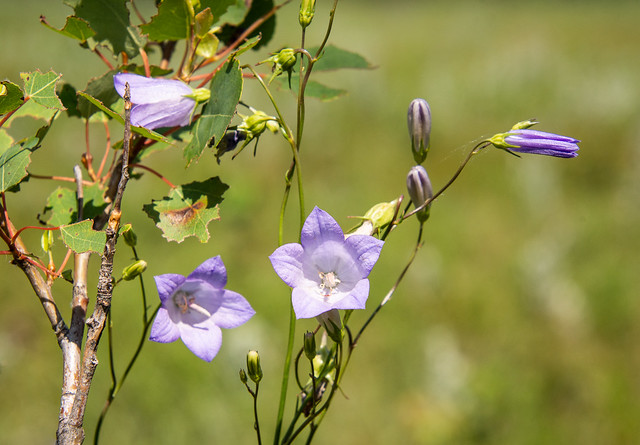
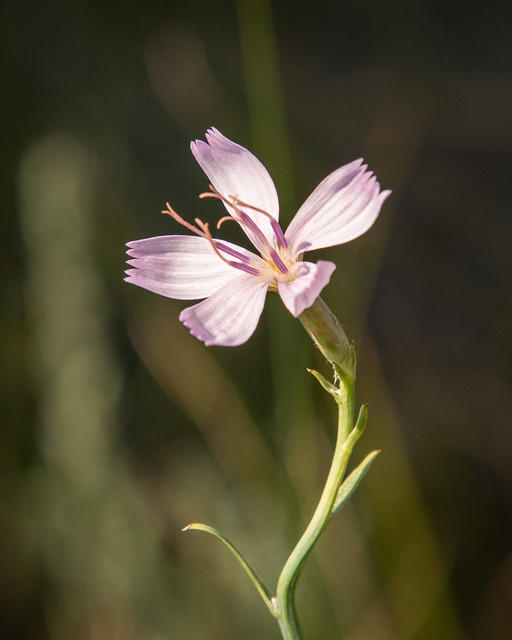
Harebell

As we bump our way down a leafy lane, a white-tailed deer pokes its head out to see who’s come to visit. Verity Moore-Wright, Acting Director of Development, and Ryan Dudragne, Conservation Science Co-ordinator – LIS, have invited us (Andrew and Penny McKinlay) to join them on a hike around one of the Nature Conservancy of Canada’s newest properties near Dundurn.

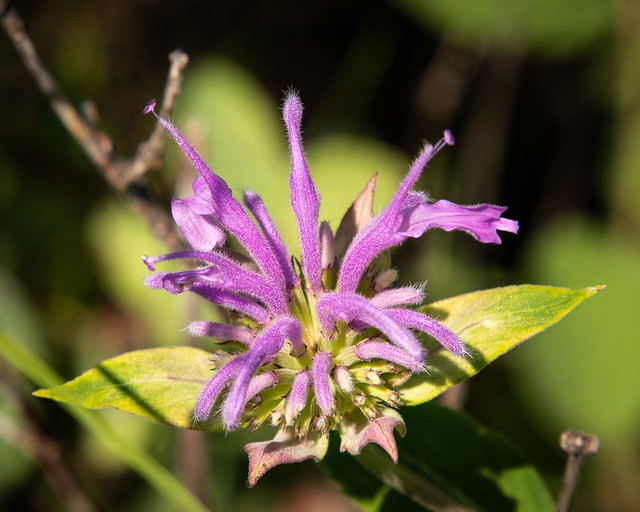
Rolling hills – stabilized sand dunes – stretch out to a clear blue sky. A red-tailed hawk soars overhead and there are treasures to be found at our feet. A patch of wild bergamot is flowering near the entrance to the property attracting long-tongued bees, bee flies, butterflies, and moths. Wasps may steal the nectar by drilling a hole in the nectar tubes.

Bergamot

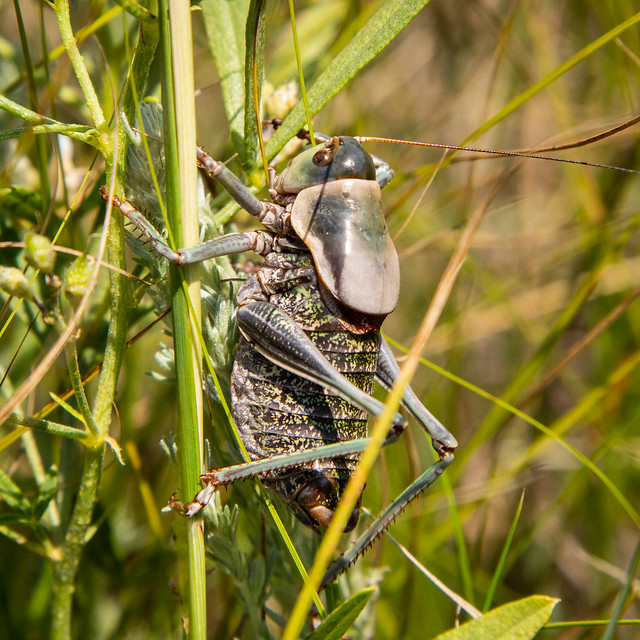
We’re delighted to spot a hunch-backed Mormon cricket. It’s not a cricket at all but a shield-backed katydid. Although they have no wings, they can travel up to 2 km a day when they’re swarming, heading out in the thousands to find food.

Mormon cricket

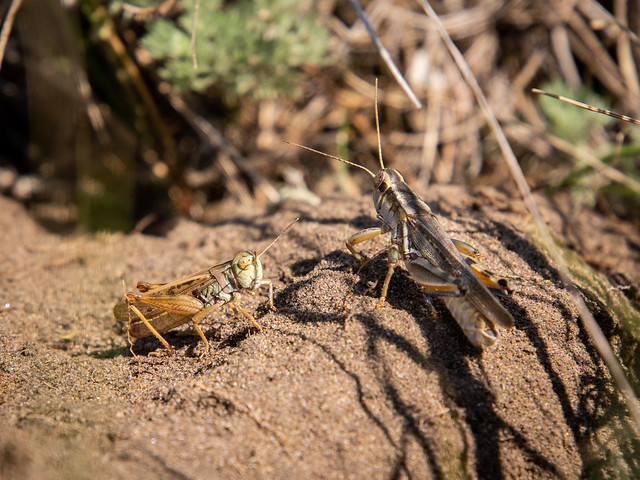
There are plenty of other grasshoppers and katydids. We tend to think of grasshoppers as pests, but only a few of them destroy crops. There is such variety in their sizes, colors, and patterns.

grasshoppers

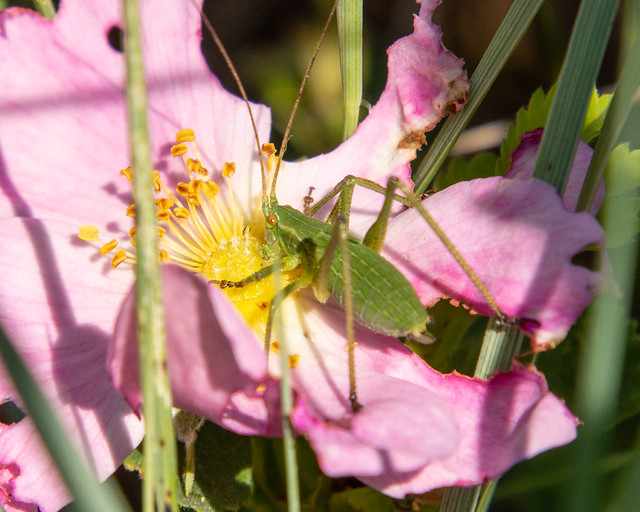
We weren't initially able to identify the following insect, but, with help from iNaturalist, we now know it's a Broad-winged Bush Katydid (scudderia pistillata) late instar nymph.

insect on wild rose

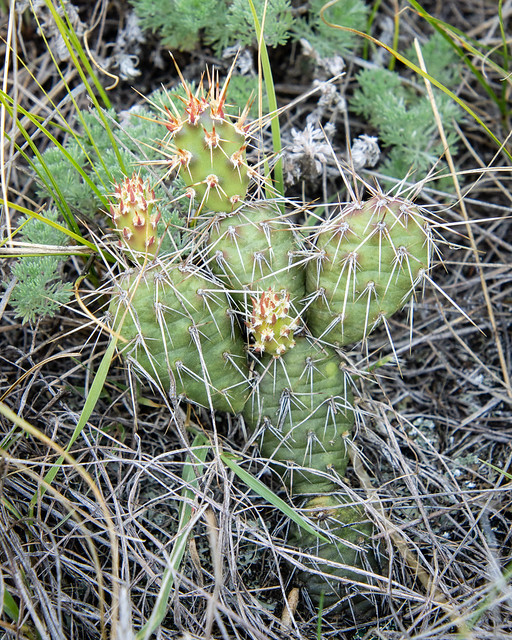
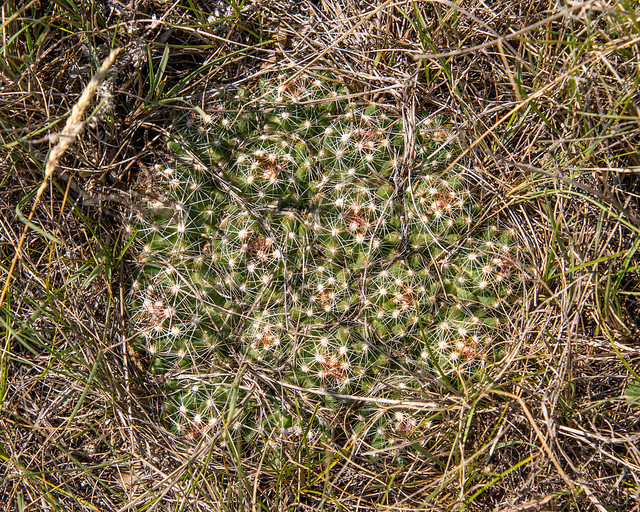
We need to watch where we step as there are plenty of cactus – both pincushion and prickly pear.

Prickly-pear cactus

pincushion cactus

The rush skeleton plant, with next to no leaves, is another plant that can tolerate dry conditions.

Rush skeleton plant

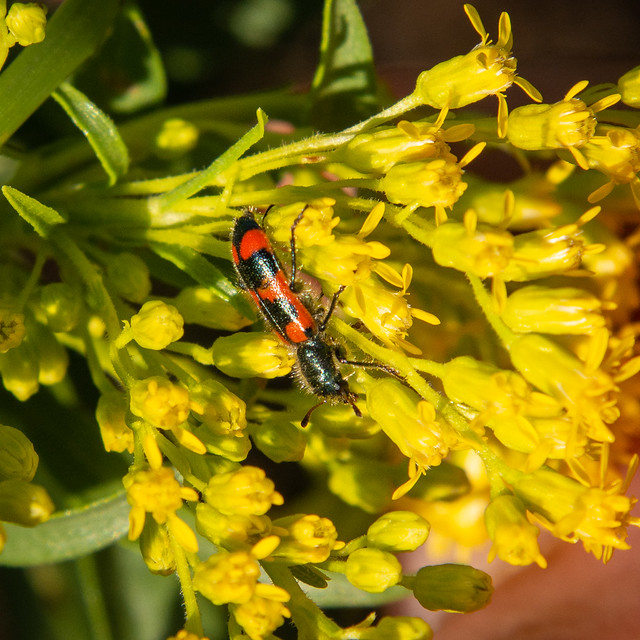
The red-blue checkered beetle stands out against the goldenrod’s bright yellow flowers. Pollen will stick to the long hairs on its body and legs and be passed along to other plants.

Red-blue checkered beetle on low goldenrod

A flycatcher keeps a close eye on us as we pass by, but many of the site’s inhabitants are harder to spot. They do, however, leave us clues – moose poop (these guys are part of Ryan Brook’s Saskatchewan Farmland Moose Project), a freshly dug badger hole, heaps of loose dirt left behind by pocket gophers. If you look really closely at the loose dirt, you’ll spot small round holes indicating the homes of tiger beetles. Ryan describes them as predatory bullies, dragging other insects into their hole or chasing them down.

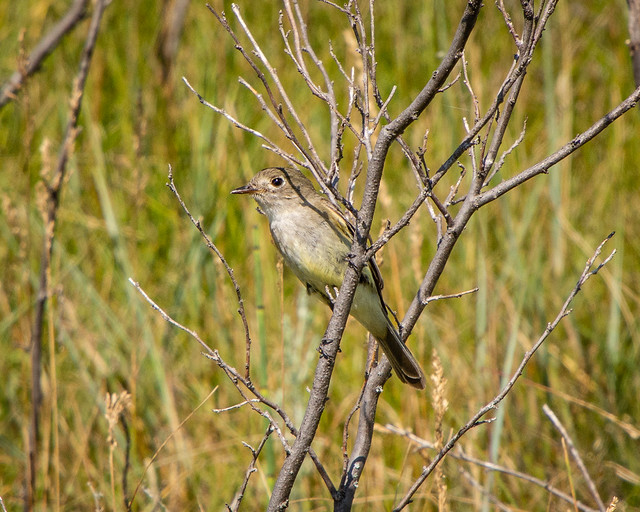
Alder Flycatcher (?)

We’re hot and hungry after a long walk around the property but very grateful to Nature Conservancy of Canada for inviting us out to see the site and for the important work they do in protecting natural areas and maintaining biodiversity. And a special thank you to Ryan who was so helpful in identifying all the fascinating species we were fortunate enough to spot.

For more information about the Dundurn site and the work of the Nature Conservancy, take a look at the article we posted in May.

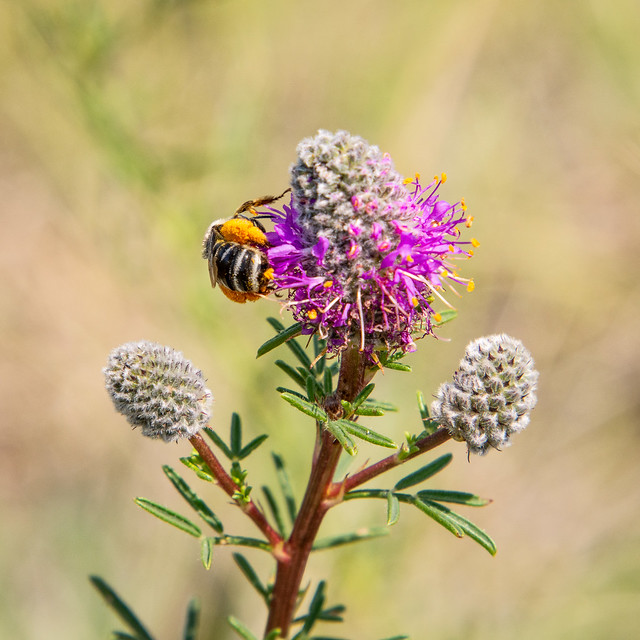
bee on purple prairie clover