Showing posts with label Bats. Show all posts

Thursday, 2 December 2021

Endangered Species - What Can I Do To Help?

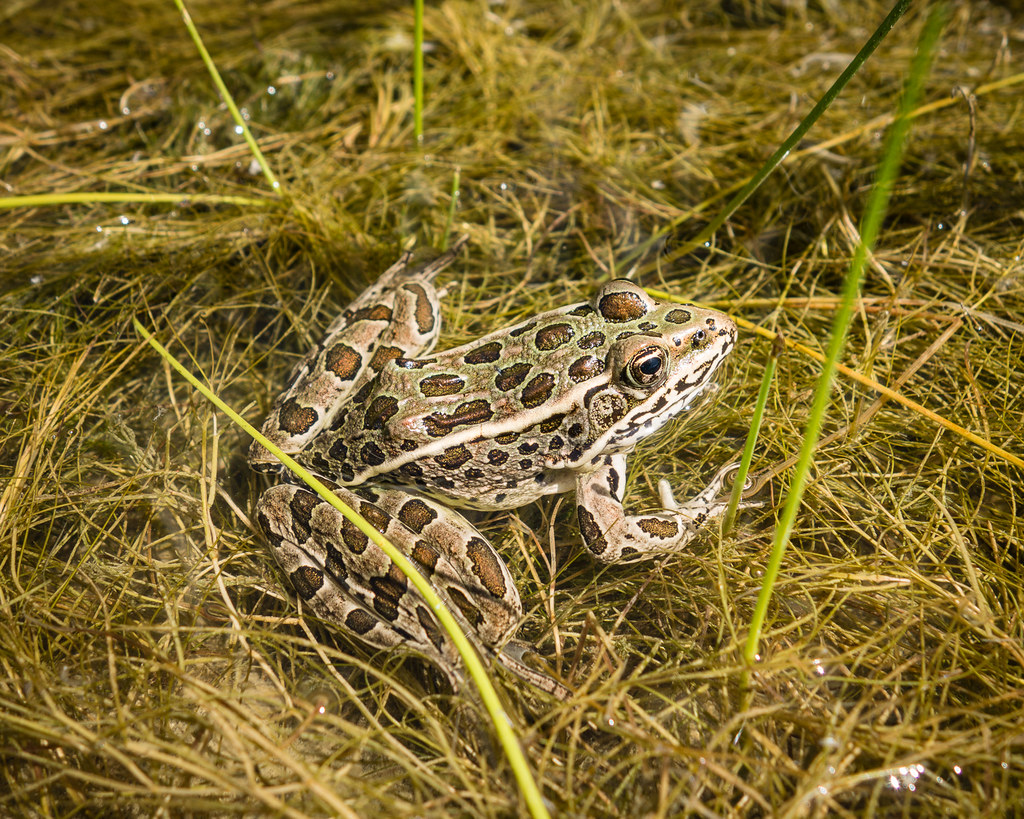
Northern Leopard frog

It can be really discouraging to read about birds, reptiles, or animals that are threatened with extinction. We want to help, but what can we do as individuals with no formal training or resources? We did some research and spoke with Melissa Ranalli, Species at Risk Manager, Nature Saskatchewan, and found some helpful information. 

1. Habitat Enhancement
Habitat loss or degradation is almost always one of the reasons a species is at risk. Any efforts you take to create a wildlife-friendly habitat on your property will be hugely beneficial. Add a pond or water feature, install nest or bat boxes, or plant wildflowers. Each of these actions will help a variety of different creatures. 

Swallows: Swallows are in rapid decline. If you find them nesting under your eaves, don’t stop them. You’ll be grateful when you see how many insects they can eat in just a few hours. 

Bats: Do you have a bat house in your garden? By monitoring and uploading the results to iNaturalist, you can provide valuable information about the best bat house design

Insects: Insects are particularly valuable as they are the primary food source for so many reptiles, amphibians, birds, and even some animals. They’ll really appreciate it if you keep your yard on the wild side. Don’t rake the leaves in autumn. Don’t mow the grass in early spring. Build an insect hotel. Leave a pile of detritus in an out-of-the-way corner. You’ll be creating cozy spots where insects can live and over-winter. 

You’ll gain lots of information and probably native seeds and plants by joining the Butterflyway Project in your local community, which encourages individuals and families to plant pollinator-friendly gardens. 

Dead Trees & Fallen Logs: We tend to remove dead trees or fallen branches from our private and municipal properties, but they play a vital role in maintaining biodiversity. From 10-40% of birds and mammals nest and raise their young in holes in trees. By maintaining multi-age ecosystems, we’re providing a habitat for birds, insects, and animals as well as maintaining the nutrient cycle. 

Pesticide-free: The pesticides and herbicides that you spray on your grass and lawn are poisons and will also harm insects, birds, and other wildlife that eat sprayed vegetation. 

Clean Up Litter: Removing litter from shorelines and other natural areas protects wildlife from hazards (such as ducks getting tangled in fishing line) and the soil and water from contaminants (cigarette butts leach toxic chemicals).
 
Barn swallows

Farms & Acreages: If you live on a rural property, you have a fantastic opportunity to protect and maintain the wildlife that share your land. Nature Saskatchewan offers 5 stewardship programs that engage rural landowners in conserving habitat to protect species at risk. 

You can also make sure any water running through your property isn’t contaminated and take steps to prevent run-off and erosion. One couple whose homes fronts onto a lake stopped weeding their shoreline last year and have noticed that they have far more wildlife – beavers, killdeer, and turtles. 

Katie and Aaron Suek of the Restoring 71 Project believe that acreages are a missed opportunity as they have so much potential for positioning the protection and restoration of natural areas as a convenience rather than an added effort. “It’s so much less work and you’ll see so much more wildlife if you let it go wild,” Katie says. 

The Native Plant Society of Saskatchewan offers a guide to acreage living that you may find useful.
 
Burrowing owl

2. Species Reintroduction 
It can be tempting to attempt to reintroduce a wild creature such as a frog or lizard onto your property, but it’s risky. The habitat may be wrong or it may be the wrong species for your particular area (for example, there are several different varieties of northern leopard frog). A more effective approach is to volunteer or donate to support a professional reintroduction project. 

Volunteer: If your primary interest is plants, why not volunteer with the Native Plant Society of Saskatchewan and help pull out invasive species or plant native plants along roadsides? Volunteers with the Nature Conservancy of Canada help with tree planting, reducing barriers and hazards to wildlife, installing nest boxes, and many other projects. There have been opportunities in the past to assist with wildlife reintroduction projects at Grasslands National Park

Donate: Conservation projects are always looking for additional funds and would welcome your support. Here are just a couple of local programs. 

The Calgary Zoo’s conservation research team is using science to sustain threatened wildlife. They are breeding whooping cranes, northern leopard frogs, swift foxes, and various other species for reintroduction into the wild. 

The Saskatchewan Burrowing Owl Interpretive Centre offers displays and educational programs to promote the conservation of this endangered owl and its habitat. A similar program in British Columbia, the Burrowing Owl Conservation Society of British Columbia, has a captive breeding program and creates and maintains a system of artificial burrows for released owls. 

Organizations such as the Nature Conservancy of Canada play an important role in preserving and restoring ecologically significant areas by planting trees, restoring wetlands, and removing invasive species and wildlife hazards. They offer a variety of volunteering, donation, and legacy options.

EcoFriendly Sask supports Saskatchewan environmental initiatives through an online publication, an events calendar, small grants, and the Nature Companion website/app. You can follow EcoFriendly Sask by liking us on Facebook, following us on Twitter, or subscribing by email (top right corner).

Tuesday, 13 July 2021

EcoSask News, July 13, 2021

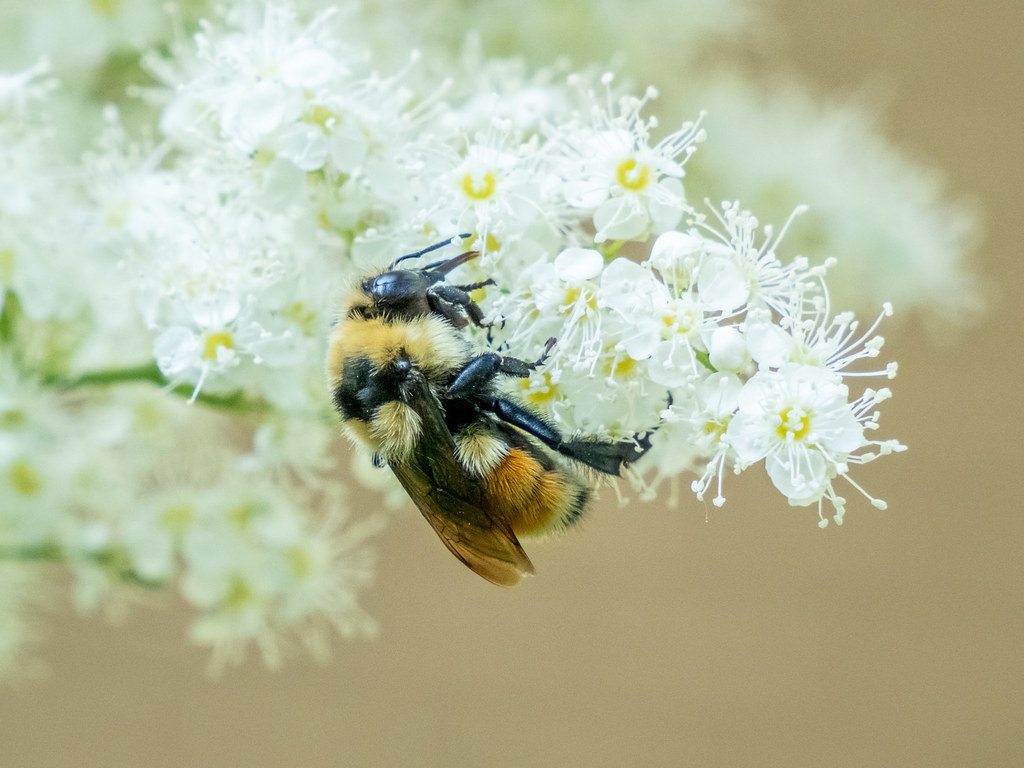
Bumblebee

Upcoming Events 
Library of Things, Saskatoon, is reopening on July 17 from 1-4 pm. Pick up is by reservation only from the back door in the alley. 

Learn about bats from 7-8:30 pm, July 22, at Station 20 West in Saskatoon. Email communitygardens@chep.org to register (space is limited). 

Golden Eagles, a sub-group of the Saskatoon Nature Society, will be holding a variety of events on Thursdays in July and August. 
July 15 - Maymont area 
July 22 - Northeast Swale 
July 29 - Round Prairie 

Local News 
The Saskatchewan Environmental Society has spoken out on the importance of ensuring the safety of the Line 5 pipeline: “The Governor of Michigan and its residents have legitimate reasons to be concerned about Enbridge’s safety record. . . . The governments of Saskatchewan, Alberta and Canada should not simply be asking for Line 5 to remain open, but should simultaneously be pressing Enbridge to greatly improve its attention to pipeline safety in the state of Michigan and ensure full compliance with its easement agreement.” [Saskatchewan Environmental Society

The Village of Riverhurst is restoring a wetland at the entrance to their village. “We're hoping to use this as a demonstration site for other landowners and municipalities so they can know how to protect their own wetlands. For school-aged kids, they'll be able to come to learn about all the different birds and plants that live in a wetland." [West Central Online

Energy
Canada spent $23 billion to support pipelines in just 3 years: “When government money is tied up in a polluting industry there’s less money to invest in clean energy.” [The Tyee]

James Glennie, formerly of SaskWind, says Saskatchewan will lose jobs and engineering innovation through its emphasis on oil rather than renewables: “We should be developing a local supply chain because we do have the best wind and solar resources in Canada . . . . We have nothing to deliver on that and I think that’s a shame, a real shame.” [Regina Leader Post]

Carbon capture isn’t the answer: “Our state is addicted to fossil fuels and, like many addicts, instead of seeking to break our addiction. We seek ways to become functional addicts.” [DeSmog

Sustainable Choices
Don’t (just) fight the plastic, challenge those producing it. Write to the companies that use plastic packaging and ask what they’re doing to reduce their use of plastic. [The Earthbound Report]
 
Renting clothes is not a sustainable fashion option after all due to dry cleaning, delivery, and packaging costs. “You want to be sustainable? Buy less, buy better.” [The Guardian

Bumblebee on flowering Linden tree 

Connections
Yellowstone to Yukon (Y2Y) proposes to preserve a 2,000 mile stretch of the Continental Divide eco-region by connecting recognized wildlife strongholds (Yellowstone, Banff, Jasper) with habitat bridges, wildlife corridors, and wildways. It’s an exercise in cooperation, “trying to blend conservation needs with the interests of local human communities.” [book excerpt, The Revelator

Florida has committed to establishing a wildlife corridor from the Alabama state line to the Florida Keys, nearly 800 miles. [New Yorker

Let's Hear It For the Birds!
The winners of the 2021 Audubon Photography Awards. And, advice from the award winners on how to become a better bird photographer

Two sandhill cranes in Alberta celebrate the birth of their young with song and dance. [Red Deer Advocate]


Did you know? Sandhill Crane mate for life and can live for up to 36 years.

EcoFriendly Sask supports Saskatchewan environmental initiatives through an online publication, an events calendar, small grants, and the Nature Companion website/app. You can follow EcoFriendly Sask by liking us on Facebook, following us on Twitter, or subscribe by email (top right corner).

Tuesday, 1 June 2021

EcoSask News, June 1, 2021

Canada Geese goslings

This Week’s Highlights 
SaskPower is holding online conversations on June 9 & 16 to consult with the public on its long-term power strategy. You can register for morning or afternoon sessions. 

“Environmentalism emerged from the 1960s as a movement to save the natural world. Now it seems to have been appropriated to describe the fight to save industrial civilisation — life as we know it.” 

Upcoming Events 
Margret Asmuss will provide an overview of climate impacts and action in Saskatchewan at 6:30 pm, June 3, online. 

City of Saskatoon residents can dispose of household hazardous waste from 9 am to 3:30 pm on June 6. 

There will be a noon-hour webinar on bats on June 8 as part of the Native Prairie Speaker Series. 

The Provincial Association of Resort Communities of Saskatchewan is hosting a webinar with Jo Jozsa discussing zoning bylaws to protect lakes at 7 pm, June 9. 

Project WILD and Flying WILD will be combined in a one-day virtual workshop on June 10. 

City Life
Form follows fuel: “From the earliest known archeological remains to the trends of the 21st century, the availability of energy has shaped architecture. That’s a perspective that deserves exploring, especially since the energy constraints imposed by climate change now present ‘the toughest challenge the world of architecture has ever faced’.” [book review] 

Canadian cities tend to sprawl – and sprawl costs money, time, and energy. What if we moved away from that model to the “20-minute city” where everything you need (work, grocery store, coffee shop) is within 20 minutes? “Touted benefits include better air quality, a healthier population, higher property values and lower transportation costs for those who can eschew an automobile. . . . Making cities more walkable involves creating a more compact footprint, where more businesses are built near existing homes. But it also means building housing near existing businesses, such as stores and restaurants.”

Canmore, AB, has grown from a small coal-mining community to a large bustling tourist destination. Residents are now struggling to reconcile tourism development with climate, transportation, and housing goals, as well as protection of an important wildlife corridor. A group of residents hopes to purchase a piece of land to create a permanent conservation area and affordable housing. 
 
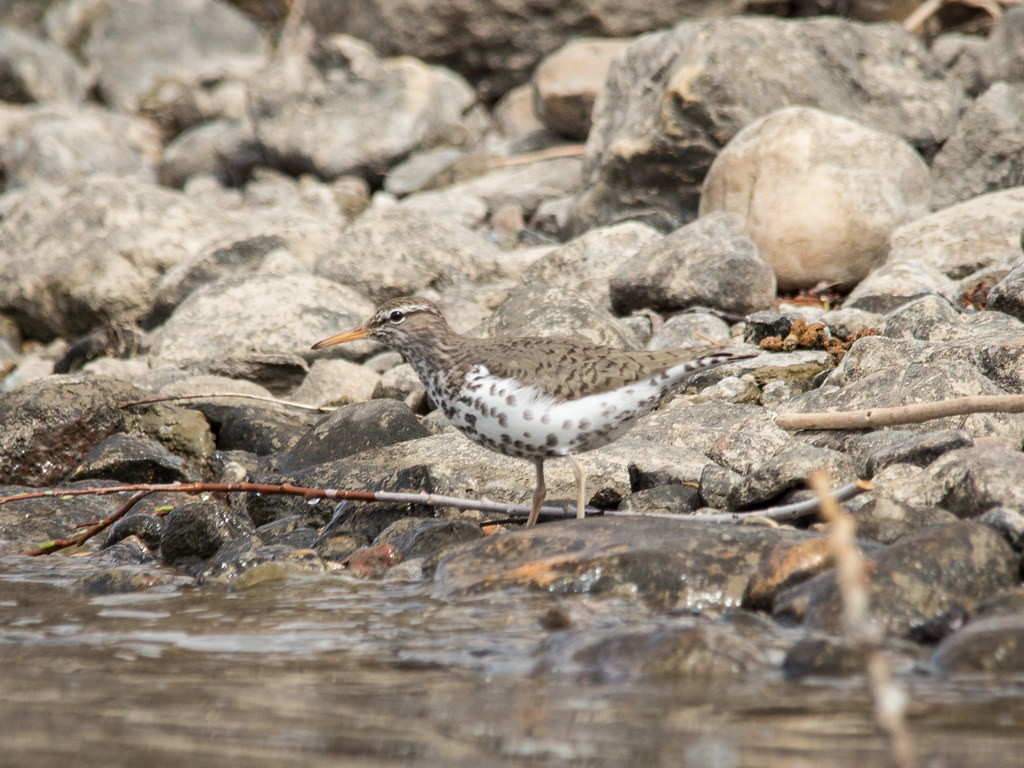
Spotted sandpiper

We Can Do Better 
Smokescreen: Debunking Wildfire Myths to Save Our Forests and Our Climate by Chad T. Hanson explains why wildfire are beneficial, the role fire-burned trees play in maintaining biodiversity, and the need to focus on home fire safety and defensible space as opposed to back-country vegetation management. [book review] 

Hydrofluorocarbons (HFCs) are used in air conditioning and refrigeration systems and are “hundreds to thousands of times more potent than carbon dioxide at trapping heat in the atmosphere”. Refrigeration systems in supermarkets aren’t air-tight, so they lose 25% of their refrigerant every year – “that amounts to emissions equivalent to more than 12 million cars driving for a year”. There are alternatives, as demonstrated by a New York City grocery store, but no easy answers. [podcast & transcript] 

Arbor Week 


Did you know? Female Spotted Sandpipers mate with up to 5 males, leaving the males to incubate the eggs and feed the young [Nature Companion is downloadable directly from its website

EcoFriendly Sask supports Saskatchewan environmental initiatives through an online publication, an events calendar, small grants, and the Nature Companion website/app. You can follow EcoFriendly Sask by liking us on Facebook, following us on Twitter, or subscribe by email (top right corner).

Tuesday, 24 November 2020

EcoSask News, November 24, 2020

sunrise

"Trees are poems the earth writes upon the sky." Kahlil Gibran

Upcoming Events 
Droughtproofing, Dec. 1 (online) 
Rob Gardner will talk about droughtproofing your land at noon, Dec. 1, as part of the Native Prairie Speaker Series. 

Waste to Energy, Dec. 3 (online) 
The Saskatchewan Waste Reduction Council is offering a full-day workshop on waste to energy technologies on Dec. 3. 

Canadian Bat Project, Dec. 4 (online) 
Learn about the work done by the Canadian Bat Project at the WildEcol Seminar at 3:30 pm, Dec. 4. 

Guided Hike, Dec. 5 (Regina) 
Nature Regina is offering a guided hike of A E Wilson Park starting at 10:15, 10:30, 10:45, and 11 am, Dec. 5. RSVP as registration is limited. 

A full list of upcoming events (online and in person) can be found on the EcoFriendly Sask Calendar 

Local News 
For Our Kids Saskatchewan (formerly Parent Climate Challenge) is part of a national network of parents and grandparents working on climate issues. They held an initial meeting on Nov. 23. 

Nature Regina has published its first winter edition of the Wandering Wednesdays outdoor adventure guides. All the guides are available and can be downloaded from their website. 

Over 500 people have joined a Facebook group opposing a proposed peat moss harvesting operation in northern Saskatchewan. 

Energy Bites 
An Indigenous-owned solar farm will supply a quarter of Fort Chipewyan’s electricity needs, helping to reduce the need for almost a million litres of diesel each year


The transition to renewable energy relies on mining. Can it be done responsibly? 

From Information to Action 
A new paper by Miistakis Institute shows a multi-species approach to prioritizing road mitigation efforts across an 84,000 square kilometer region. 

A French court ruling holds the national government accountable for insufficient action in addressing climate change targets.

An international research study determines that greener farming methods don’t compromise yields

Passive and net-zero housing can cut carbon emissions and energy bills

Plants provide a cheaper, more environmentally sustainable way to clean contaminated industrial sites and bodies of water.

“The great thing about natural restoration of forests is that it often requires nothing more than human inaction.” And it’s more effective than tree planting

Renewable energy from rotting vegetables – a prize-winning invention. 

We were given so much – it’s our duty to protect Mother Nature [award-winning 4-minute film]
 

EcoSask News is a weekly round-up of local news and events. Email us if you have items you would like us to include. 

You can follow EcoFriendly Sask by liking us on Facebook, following us on Twitter, or by email (top right corner). 


Bushes play such an important role in winter by providing shelter and food for small birds and animals (Nature Companion - a free nature app for the 4 western provinces

Tuesday, 27 October 2020

EcoSask News, October 27, 2020

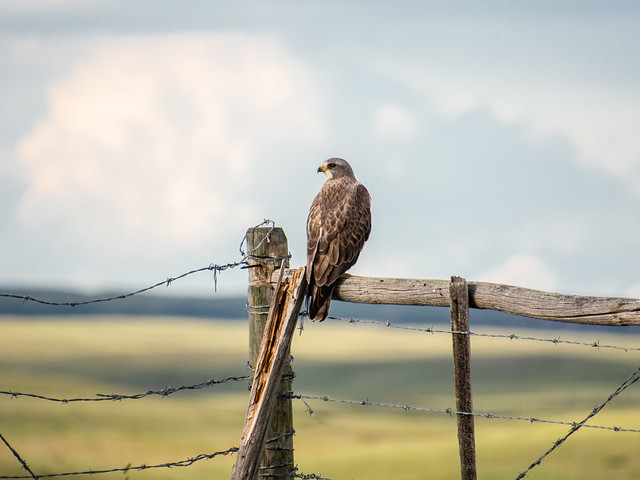
Swainson's Hawk (?)

Upcoming Events 
Outdoor Kids’ Club, Oct. 27 (online) 
Get the inside scoop on how to organize an outdoor kids’ club at 7 pm, Oct. 27. 

Candid Canada, Oct. 28 (online) 
Nature Conservancy of Canada is offering tips on how to capture nature on camera at 11:30 am, Oct. 28. 

Household Hazardous Waste, Nov. 1(Saskatoon) 
You can dispose of household hazardous waste at City of Saskatoon’s Civic Operations Centre from 9 am-3:30 pm, Nov. 1. 

Advancing Water Resiliency, Nov. 3 (online) 
There will be an online panel discussion on advancing water resiliency: nature’s contribution to people and agriculture from 10-11:30 am, Nov. 3. 

Grassland Bird Research, Nov. 6 (online) 
Learn about grassland bird research in Arkansas at the WildEcol Seminar at 3:30 pm, Nov. 6.
 
lichen

“Lichens encrust as much as eight percent of the planet’s surface, an area larger than that covered by tropical rainforests.” Entangled Life, Merlin Sheldrake 

A full list of upcoming events (online and in person) can be found on the EcoFriendly Sask Calendar 

From Information to Action 
It’s time for conservationists to start investigating the ways in which fences shape ecosystems— so that we can make better decisions about where (and whether) to build them

Owning an electric vehicle isn’t a silver bullet in the fight against climate change. What we should also be focused on is whether anyone should use a private vehicle at all

If all wastepaper was recycled, emissions could increase by 10%. That’s because recycling paper uses more fossil fuel electricity than making new paper

Bottle-fed babies swallow millions of microplastics a day – the problem and a partial solution


The Bird-Friendly City by Timothy Beatley takes readers on a global tour of cities that are reducing the risks birds face in urban areas [paperback and ebook] 

Did you know that bats make up 21% of all mammals? Nature nerd bat trivia. 

“For nocturnal species the night has become a fearscape: a matrix of glow and glare that makes natural behaviour and navigation all but impossible.” 

 
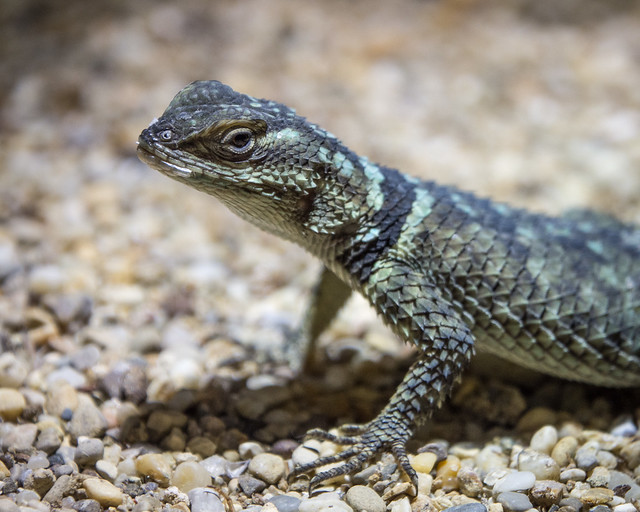
lizard

EcoSask News is a weekly round-up of local news and events. Email us if you have items you would like us to include. 

You can follow EcoFriendly Sask by liking us on Facebook, following us on Twitter, or by email (top right corner). 

Check out EcoFriendly Sask’s Nature Companion, a free nature app for Canada’s four western provinces


Tuesday, 6 October 2020

EcoSask News, October 6, 2020

fall colors

Upcoming Events 
Bird Collisions, Oct. 5-11 (Regina) 
Nature Regina is looking for early risers to meet at 6:30 am from Oct. 5-11 to log bird-building collisions. 

Dark Skies at the Creek, Oct. 10, 17, 24 & 31 (Saskatoon) 
Saskatoon Nature Society is hosting a variety of presentations to celebrate Dark Skies at Beaver Creek Conservation Area on Oct. 10, 17, 24 & 31.

Canada Jay, Oct. 15 (online) 
Dan Strickland will talk about the triumph and downfall of the Canada Jay at the 7:30 pm, Oct. 15, online meeting of the Saskatoon Nature Society. Meetings are currently members-only so sign up now

Looking Ahead 
Outstanding Owls Camp-In, Oct. 23 (online) 
The Saskatchewan Science Centre is hosting a virtual camp-in at 7 pm, Oct. 23. An activity kit will be provided for creating a hand puppet, dissecting an owl pellet, and much more. 

Virtual Repair Café, Oct. 24 (online) 
The Saskatchewan Waste Reduction Council is hosting a virtual repair café from 10 am-2 pm, Oct. 24. Register a broken item and you’ll receive a link to a Zoom meeting where knowledgeable volunteers will coach you through fixing your item. 

Project WET, Nov. 2-Feb. 12 (online) 
SaskOutdoors is hosting a distance Project WET workshop involving phone calls and opportunities to engage in activities with your class from Nov. 2 to Feb. 12. 

A full list of upcoming events (online and in person) can be found on the EcoFriendly Sask Calendar 

Local News 
A company is proposing to harvest peat south of La Ronge. For more information on the potential impact of this project, check out the Global Peatlands Initiative website and a petition opposing the project. A Facebook group has been set up - For Peat’s Sake - Protecting Northern Saskatchewan’s Muskegs.

Orion Morgan, Salt Box Studios, Saskatoon, builds passive houses. He’s also saving trees. SOS Trees Coalition reports that he is going out of his way to protect not only City trees but also other mature trees and shrubs on a construction site.

Do you have a bat box in your yard? If so, you’re invited to participate in a survey looking at which types of bats are using the boxes and what type of boxes work best in Canada

Wood frog

Housing 
“Instead of demolishing houses, Corneil's company deconstructs them and salvages the materials so they can be returned to the supply chain.” 

York plans to build Britain’s largest zero-carbon housing project. It will also be car-free with allotments, fruit trees, and shared cargo bikes. 

From Information to Action 
“Carsharing is an avoidance tactic that allows a privileged group to bypass the gaps in our transportation network.”

“Canada produces nine times more plastic waste per person than India, up to 3.6 times more than some countries in Southeast Asia, and up to twice that of some Scandinavian countries.” 

DataStream, an online open-access platform, allows users to share information about the health of waterways across Canada

Dual-flush toilets were expected to use less than half the amount of water per flush, but they are prone to leaks, wasting more water than they save

Read and Watch 
“Embracing of wildness calls on us to stop feeling annoyed, threatened and endangered by everything that escapes control and to resist the urge constantly to direct and dominate the world around us.” [book review] 

Check out these new environmental action books, including All We Can Save by women climate leaders, Tales from the Ant World by E O Wilson, and Earth AD: The Poisoning of the American Landscape and the Communities that Fought Back

Striking Balance Season 2 explores 9 of Canada’s biosphere reserves. It will be available to stream on TVO’s YouTube channel. 

EcoSask News is a weekly round-up of local news and events. Email us if you have items you would like us to include. 

You can follow EcoFriendly Sask by liking us on Facebook, following us on Twitter, or by email (top right corner). 


Check out EcoFriendly Sask’s Nature Companion, a free nature app for Canada’s four western provinces

Tuesday, 16 June 2020

EcoSask News, June 16, 2020

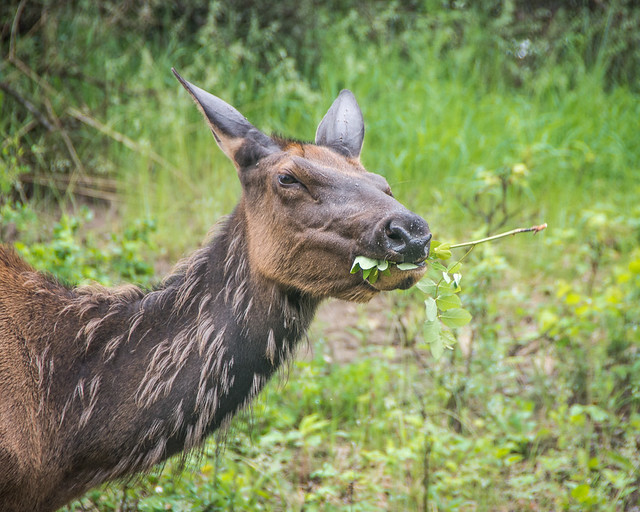
elk
 
Upcoming Events 
Ours to Save, Ours to Lose, June 18 (webinar) 
Join Dan Kraus, Nature Conservancy of Canada, as he discusses the plants and animals that are unique to Canada at 11:30 am (SK time), June 18. 

Summer Solstice, June 21 (Regina) 
You’re invited to gather on Wascana Hill to greet the sunrise and the beginning of summer at 4:45 am, June 21. 

Nature Sask AGM, June 22 (online) 
Nature Saskatchewan will be holding its annual general meeting online at 7 pm, June 22. 

Wildlife Research during a Global Quarantine, June 22 (webinar) 
Ryan Brook will discuss wildlife research during a global quarantine: tracking the rapid spread of invasive wild pigs during a noon-hour webinar on June 22. 

Group Excursion Leadership & Preparedness, June 23 (online) 
SaskOutdoors and Back40 Wilderness First Aid are hosting a webinar on group excursion leadership and preparedness from 7:30-8:30 pm, June 23. 

Women & the Energy Transition, June 23 (online) 
Pembina Institute is hosting a webinar panel discussion on the role of women in a changing energy economy from 11 am-12:15 pm (SK time), June 23. 

Sask River Basin AGM, June 24 (Saskatoon) 
The annual general meeting of Partners FOR the Saskatchewan River Basin will be held at 10 am, June 24. 

Carrot River Valley Watershed AGM, June 26 (Melfort) 
The Carrot River Valley Watershed Association is holding its annual general meeting at 1 pm, June 26, in Melfort. Email crwatershed@gmail.com by June 23 to register. 

Supporting Wild Bee Diversity, June 26 (webinar) 
Join SaskOrganics for a live webinar on supporting wild bee diversity on farms from 9:30-10:30 am, June 26. 

Zoo Training, June 29 (Saskatoon) 
The Saskatoon Zoo Society is looking for volunteer interpreters to help with their Wild Weekends programming. Find out more at the volunteer training session from 6-8 pm, June 29. 

Creating an Ecological Society, June 29 (webinar) 
This 2 ½ hour UK-based webinar on creating an ecological society will explore the relationship between social and ecological problems on June 29, 8-10:30 am (SK time). 

A full list of upcoming events can be found on the EcoFriendly Sask Calendar 

Local News 
Explore Regina's green spaces with self-directed guides from Nature Regina 

Nature Saskatchewan is asking residents to post sightings of burrowing owls 

Prince Albert’s plastic bag ban has been put on hold until the end of the current state of emergency 

Burrowing owl

From Information to Action
 
A Yukon First Nation plans to open a native plant nursery to support mine reclamation work 

Could cabbages, rapeseed, and sunflowers replace mining as a source of lithium, a key component of electronics and electric vehicles? 

Carbon-neutral coffee via wind power: “Sometimes long-distance transport is necessary for a balanced and sustainable supply chain, so sail cargoes have a role to play in that” 

We’re drowning in light: human beings, when faced with the availability of a cheaper and more efficient lighting technology, simply use more of it 

“Spending time with wild animals and plants, observing them, considering what they need to survive and thrive, exponentially expands our sense of family. . . . All of these plants and animals, these urban trees, sidewalk beetles, pearl-winged pigeons, are our neighbors” 


5 inventions illustrating the future of solar energy [10-minute video] 

Natural Wonders 

Parenting helps shape bigger brains – in jays, crows, and ravens 

The Big Bat Year – 29 countries, 396 species 

EcoSask News is a weekly round-up of local news and events. Email us if you have items you would like us to include. 

You can follow EcoFriendly Sask by liking us on Facebook, following us on Twitter, or by email (top right corner).

Thursday, 21 May 2020

Bat the Bugs Away!


Bats can devour thousands of insects in a single night. What a great way to reduce the number of mosquitoes and other pesky insects that can take the pleasure out of an evening stroll by the river!

A group of students in the Sustainability in Action course at the University of Saskatchewan wanted to make walking through public spaces more enjoyable by reducing the number of mosquitoes. They chose to build and install 40 bat boxes in Saskatoon and the surrounding area to help stabilize the city’s bat population, particularly large brown bats, which are very common in cities as they like to hibernate in man-made structures. The students hope that the additional accommodation will reduce the number of bats nesting in homes where they are seen as a nuisance – and reduce the number of mosquitoes.


The first bat boxes have been installed in the Patterson Garden Arboretum and the students have permission to place the remaining bat boxes in city parks, on Meewasin land, and at Pike Lake Provincial Park. They will also be constructing educational signage that will be placed on the Meewasin trail to educate the public about bats.

The students’ work has been supported by an EcoFriendly Action Grant. More information about the students’ project is available online.

Bats and Covid: Bats have received a lot of bad press recently. Here are two science-based articles that shed a powerful light on this topic:

     Bats Are Not Our Enemies: The truth about bats and disease, Scientific American

     Bats and Disease: They may be the key to fighting viruses in the future, Undark


Did you know? Big brown bats fly very fast and can reach speeds up to 40 mph. They have strong teeth that can chew through the shell of beetles, one of their favorite foods.

See also: 8 Cool Facts about Bats and What to Do if you Find One in Your Home, EcoFriendly Sask

You can follow EcoFriendly Sask by liking us on Facebook, following us on Twitter, or by email (top right corner).

Thursday, 14 May 2020

Sarah Ludlow: Protecting the Prairie Habitat through Birds, Bats, and Fieldwork


Sarah Ludlow is the Conservation Science/GIS Coordinator for the Nature Conservancy of Canada -Saskatchewan (NCC). Sarah spent a lot of time in nature as a child and was always interested in identifying the wildlife she encountered, but it was an undergraduate class in ornithology that sparked a particular interest in birds. Sarah took a year off from university – but not from birds – after completing her Bachelor’s degrees in Biology and Geography. While working on bird-related fieldwork, Sarah thought, “Wouldn’t it be great if I could do something with all this data?” She headed back to university for a graduate degree researching the impact of oil and gas development on the density and reproductive success of grassland birds.

The fieldwork for her graduate degree involved two summers mapping the habitat, the number of birds, fledgling success rate, and nest survival on Antelope Creek Ranch, Alberta. Sarah and her team stayed on site for the entire season, sharing two RV campers. “There were a lot of really early mornings, getting up before sunrise to map the songbirds we saw and heard,” Sarah says. “Then we moved on to other components of the research.” The team established a 50-metre grid on each 300 x 600-metre study plot, moving slowly through the area, flushing the birds off their nests to count them and then going back to flag and monitor the nests. They also conducted habitat and vegetation surveys, mapping oil and gas infrastructure as well as the presence of crested wheatgrass. The research focused on songbirds – Savannah Sparrow, Vesper Sparrow, Baird’s Sparrow, Western Meadowlark, and Sprague’s Pippit – but Sarah obtained enough data to later analyze and put out a paper on ducks and shorebirds.


“We found enough nests to have robust, meaningful results,” Sarah says. The results showed that proximity to wells and roads was not a big factor in determining the birds’ density and reproductive success. However, in areas with a high percentage of crested wheatgrass, the Sprague’s Pipit nests didn’t do as well and had a lower survival rate. Areas with large amounts of crested wheatgrass had less plant diversity and fewer insects/arthropods than areas with abundant native grasses. As a result, there was less food available for the chicks and reduced nest survival.

After obtaining her Master’s degree, Sarah spent several years working for the Canadian Wildlife Service with fieldwork in the summer and data analysis and report-writing in the winter. She started working with the Nature Conservancy of Canada in 2015. She ran the volunteer program in her first year, moving on to the GIS position the following year and is now involved in broad-level planning for the Saskatchewan region while continuing the GIS work.

The Geographic Information System (GIS) provides a framework for presenting data visually and connecting it to a location (species density, for example). One of the first things the NCC does when buying a new property or establishing a conservation easement is to map the area. The map illustrates the conservation value of the property and serves as a baseline for future conservation work on the property.

Over the past few years, the NCC has devoted considerable attention to monitoring grassland songbird and bat populations on their properties. Songbird point counts on the larger grassland properties have been complemented by Sarah’s involvement with MAPS (Monitoring Avian Productivity and Survivorship) and BBS (Breeding Bird Survey). The MAPS program monitors breeding birds across Canada and the United States and is administered by the Institute for Bird Populations. It allows scientists to monitor the demographic parameters for species across their entire range and provides a snapshot of the local bird population. The BBS is a continent-wide program that began in the 1960s. It monitors population trends during the peak breeding season each year. Much of the work done to monitor bird populations is carried out by volunteers. “They’re passionate about bird conservation,” Sarah says. “Plus, it’s fun!”


As a science-based organization, the NCC uses the best available science to guide their management practices. However, there is limited data on bat populations in Saskatchewan. “It’s hard to protect habitat for a species if you don’t know what habitat it uses,” Sarah explained. “We want to find out where bats are roosting and what habitat they use, especially for the endangered myotis bats.” In the first phase of their research, the NCC hired a bat researcher to carry out acoustic monitoring. Over the past few years, recorders have been placed near water on over 12 properties. Based on the audio data, they can work out which species are present and their activity level and can then manage the properties to make it easier for the bats. A couple of the properties have shown really high activity levels for little brown bats. The NCC was also interested to find quite a bit of bat activity on several grassland properties: “There must be a reason they’re making the trip over open grassland to find water,” Sarah says.

The original acoustic monitoring of bats is now being supplemented by additional tracking of little brown and northern myotis bats on NCC’s properties at Nebo and Meeting Lake 3. They’re catching and putting tiny radio transmitters on bats, tracking them to where they roost, and then going back at dusk to count how many bats come out of the roost. NCC is also comparing the trees bats choose to roost in with other nearby trees to work out what the bats are looking for. The tracking has had to be put on hold this year as bat agencies don’t want any handling of bats as they’re concerned that Covid-19 could be transmitted to the bats.

Sarah says that the Nature Conservancy is making other programming changes due to Covid. Volunteer activities have been cancelled and staff will be following strict protocol when carrying out essential fieldwork. Sarah had hoped to band and monitor nestlings found in the nest boxes volunteers have put out over the last couple of years. But that won’t happen as the supply of bands is restricted to what organizations already have in stock. “It will be very collaborative,” Sarah says. “If I don’t need bands of a certain size, I’ll offer them to someone else who does.” Bird banding operations will also need to take precautions to protect both the banders and the birds from Covid-19. Measures will include maintaining physical distancing with people, ensuring only healthy banders handle birds, and extra sanitation of equipment.

Photo Credits
Photos 1 & 2 - Nature Conservancy of Canada
Photo 3 - Joseph Poissant

See Also 
Conserving Nature in Saskatchewan: Nature Conservancy of Canada
Prairie Beauty: NCC’s Dundurn Property

You can follow EcoFriendly Sask by liking us on Facebook, following us on Twitter, or by email (top right corner).

Tuesday, 12 May 2020

EcoSask News, May 12, 2020

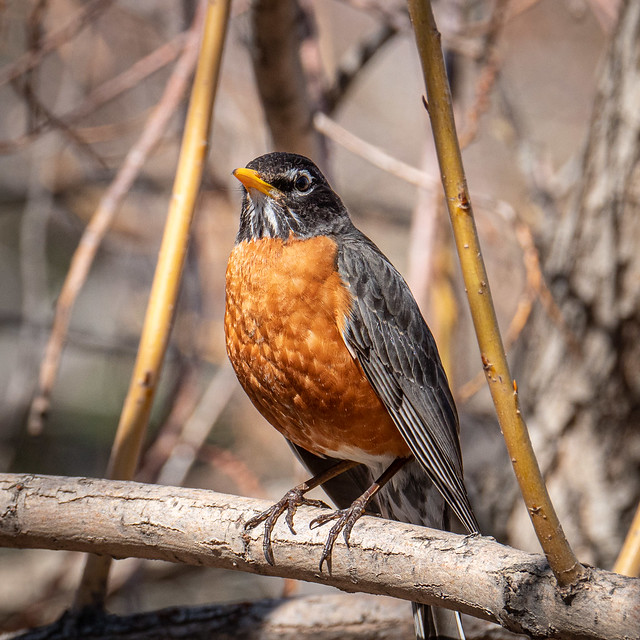
American Robin

Upcoming Events
Reducing GHG Emissions in the Power Sector, May 19 (online) 
The Johnson-Shoyama Graduate School of Public Policy is presenting a panel discussion on reducing GHG emissions in the power sector from 1:30-3 pm, May 12.

Grassland Songbirds, May 19 (webinar) 
Jody Daniel will discuss the cumulative effects of oil and gas development in Alberta on grassland songbirds in a noon-hour webinar on May 19 sponsored by PCAP-SK.

Climate Law after Covid, May 26 (webinar)
Join West Coast’s Climate Lawyer Andrew Gage for a virtual dialogue about the future of climate change law and litigation and how we need to adapt in the context of COVID-19 from 1-2 pm (in Saskatchewan), May 26.

More and more events are going online. Be sure to check the EcoFriendly Sask Calendar for details. 

YouTube
Beginner Bird Id Workshop, Birds Canada

The Citizen’s Guide to Climate Success, Marc Jaccard

American Robin

Local News
Federated Co-operatives Limited (FCL) in partnership with Retail Co-ops across Western Canada are working on the roll-out of an EV charging corridor along Highway 1. EV owners who are interested in testing the chargers should contact Sean Gault at 306-649-5333 or sean.gault@fcl.crs 

Saskatchewan should lay the foundation for a stronger future by setting aside a portion of its revenues from natural resources.

The Saskatchewan Environmental Society Solar Co-op will be building a nearly 1000-panel solar array at the CNH Industrial-New Holland site on 71st Street.

From Information to Action 
A national investment in climate-oriented upgrades to homes and buildings would improve efficiency and move us towards a low-carbon future.

“Don’t kill bats. They might actually be the key to learning how to fight these viruses in the future.”

Capitalism has been suspended during the coronavirus crisis, but have we changed the rules?

Need more public space to accommodate an indefinite period of social distancing – how about golf courses, cemeteries, parking lots, and university campuses?

EcoSask News is a weekly round-up of local news and events. Email us if you have items you would like us to include. 

 You can follow EcoFriendly Sask by liking us on Facebook, following us on Twitter, or by email (top right corner).

Tuesday, 21 April 2020

EcoSask News, April 21, 2020

Blue Jay

Earth Day (April 22) Events (online)
Drive Electric Meetup
Join Plug In America, Sierra Club, and the Electric Auto Association for a virtual event from 12-1 pm honouring EVs and their positive impact on the planet.

Endlings 
Joanna Lilley will launch her new collection of poetry about extinction at an online panel discussion at 7 pm in Saskatchewan.

5Point Unlocked 
Join host Chris Davenport for 90 minutes of films that shine a light on the wild places within and without at 7 pm.

Earth Day Songs
Join Glen Sutter for a Facebook Live evening of original tunes and writing  at 7 pm and raise money for local environmental action.

Additional Events (online) 
Yard Waste, Apr. 21-Nov.10 (Swift Current) 
Swift Current’s Yard Waste program runs from April 21 to November 10 with a few modifications for physical distancing restrictions.

Imagining the Green New Deal, Apr. 23 
Join the Council of Canadians in imagining a Green New Deal at 5 pm, Apr. 23.

Wildlife Rescue, Apr. 25
The Wildlife Rehabilitation Society of Saskatchewan is holding an online volunteer orientation session at 2 pm, Apr. 25.

EnviroCollective, Apr. 27 
EnviroCollective Regina is meeting online from 7-9 pm, Apr. 27.

Environmental Society AGM, Apr. 27
The Saskatchewan Environmental Society is holding its annual general meeting online at 7 pm, Apr. 27.

Citizen’s Guide to Climate Success, Apr. 28
Mark Jaccard, professor of sustainable energy, will speak on how climate-concerned citizens can overcome myths that hinder us from acting in time to prevent extreme climate impacts at 2 pm, Apr. 28.

Enviro Law 101, Apr. 30 
West Coast Environmental Law is offering a youth-focused workshop on using the law to protect the environment and tackle climate change from 12-1 pm, Apr. 30.

More and more events are going online. Check the EcoFriendly Sask Calendar for details.

Blue Jay

In the News
A revised edition of Prairie: A Natural History of the Heart of North America by Candace Savage has just been released. Find out more about the book and the author in these interviews. Candace describes the prairies as “a world that needs to be appreciated in miniature, ideally on hands and knees with your nose in the grass.” The book “gives you the information and insights you need to go exploring.”

Federal funding for cleaning up orphan oil and gas wells will create employment but puts taxpayers on the hook for costs that were supposed to be paid by the oil and gas industry.

Tens of millions of radicals, moderates, and conservatives took part in Earth Day 1970.

A new app, Earth Challenge 2020, hopes to use millions of people around the world to monitor environmental problems, including plastic and air pollution.

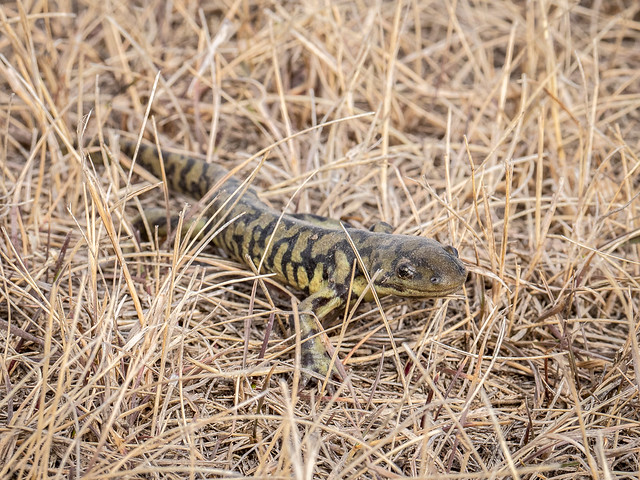
Western Tiger Salamander

Just for Fun
Andrew spotted a tiger salamander while there was still snow on the ground in Saskatchewan!

Red-winged blackbirds are eavesdropping on yellow warblers.

We knew ravens were smart, but this is pretty impressive! “Y’all right love?”

Bats can be pretty darn cute – see if you don’t agree!

Celebrating National Volunteer Week
Rick Huziak: The High Cost of Lighting up the Night 
Branimir Gjetvaj: Conservation Photographer
Citizens Environmental Alliance – Saskatchewan: We’re Losing our Wetlands and That’s a Big Problem
Repair Café Prince Albert
Melanie Elliott: Taught by Nature: The Importance of Outdoor Education
Jared Clarke: Naturalist and Climate Change Activist
Claire Bullaro: Zoos are for Education
EnviroCollective Regina
Meghan Mickelson: Nature through the Camera Lens

EcoSask News is a weekly round-up of local news and events. Email us if you have items you would like us to include. 

You can follow EcoFriendly Sask by liking us on Facebook, following us on Twitter, or by email (top right corner).

Tuesday, 25 February 2020

EcoSask News, February 25, 2020

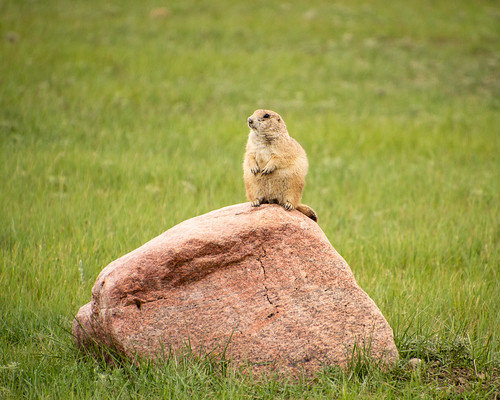
Prairie dog

Upcoming Events
Wildlife Health Co-operative, Feb. 28 (Saskatoon)
Find out about the work of the Canadian Wildlife Health Co-operative at 3:30 pm, Feb. 28, at the U of S.

Cougars, Feb. 29 (Fort Qu’Appelle)
Tanya Lawson will discuss Saskatchewan cougars at the 7 pm, Feb. 29, meeting of the Fort Qu’Appelle Nature Society.

100% Renewable, Feb. 29 (Regina)
Collectively imagine your community’s future at the 100% Renewable Regina Forum, to be held from 1-4:30 pm, Feb. 29. Register youth participants for facilitated groups for 6-10 and 11-15 year olds.

Public Pastures AGM, Feb. 29 (Regina)
Public Pastures – Public Interest will host its annual meeting from 1-5 pm, Feb. 29.

Greater Sage-Grouse, Mar. 4 (McCord)
Maggi Sliwinski, Grasslands National Park, will discuss greater sage-grouse at 7 pm, Mar. 4, in McCord.

Resilient Land & Water, Mar. 4 (Regina)
There will be a forum exploring the impacts and relationships between weather and climate variations from 5:30-7:30 pm, March 4.

Losing Faith in Science, Mar. 4 (Saskatoon)
Peggy Schmeiser will discuss how beliefs and uncertainty impact the use of evidence in decision-making from 12-1 pm, Mar. 4, at the U of S.

Water Conservation, Mar. 4 (Saskatoon) 
Darin Qualman will discuss the City of Saskatoon’s water conservation strategy at the Mar. 4 breakfast meeting of the Saskatchewan Energy Management Task Force.

Prairie dog

Looking Ahead
SaskOutdoors AGM, Mar. 14 (Redberry Lake)
SaskOutdoors is holding its annual general meeting including outdoor family play time from 10 am-3 pm, Mar. 14.

Youth Songwriting for Nature, May 28-31 (Last Mountain Lake)
Grade 9-12 students who love nature and music are invited to sign up for Songwriting for Nature, May 28-31. Register early as the camp will probably fill up quickly.

Invasive Species Workshop, Mar. 24 (Saskatoon)
The Saskatchewan Invasive Species Council is hosting a Mar. 24 workshop to discuss invasive insects, animals, and plants.

A full list of upcoming events can be found on the EcoFriendly Sask Calendar 

Saskatchewan News Stories
The U of S and the City of Saskatoon are collaborating on a number of research projects, including one measuring pharmaceuticals in wastewater.

A Grasslands National Park bat inventory has confirmed the presence of seven bat species, four of which breed in the park.

The City of Saskatoon has undertaken a comprehensive review and redesign of its Official Community Plan.

prairie dog

From Information to Action
Living less than 50 metres from a major road or less than 150 metres from a highway is associated with a 14% increased risk for non-Alzheimer’s dementia and a 7% increased risk for Parkinson’s disease.

What if we as a society “prioritized care over consumption, repair over disposal, experience over efficiency?”

Four steps to help parents raise climate-resilient kids.

Time to Act: A Resource Book from the Christians in Extinction Rebellion reflects on Christian traditions of direct action and its relevance to the climate crisis.

Extinction Rebellion UK’s 2020 strategy pivots from protest to collaboration and building the alternative.

Good News Stories
A new Indigenous Guardians program will monitor six at-risk caribou herds in BC leading to the eventual creation of a new provincial park.

Cleaner engines and minor changes to the flight paths of just a few airplanes could cut the climate impact of flying immediately.

Dozens of public libraries have incorporated Libraries of Things, which “reduce the environmental impact of manufacturing and transporting underused goods” into their catalogues.

EcoSask News is a weekly round-up of local news and events. Email us if you have items you would like us to include. 

You can follow EcoFriendly Sask by liking us on Facebook, following us on Twitter, or by email (top right corner).