Numbers & Diversity “When a stinkhorn mushroom crunches through an asphalt road, it produces enough force to lift an object weighing 130 kilograms.” (Merlin Sheldrake, Entangled Life)
There are an estimated 2.2 to 3.8 million species of
fungi worldwide. We use them to make wine and bread (yeast), cure infections (penicillin), and break down waste (rotting fruit and leaves). They’re responsible for both causing and curing plant diseases, providing hallucinogenic compounds for religious and recreational use, and producing enzymes used industrially and in detergents. And yet, they go almost unnoticed. You may notice a few mushrooms in the grass after it rains, but that is just the tip of the iceberg.
A mushroom is the small fruiting portion of a much larger entity. Below ground spreads the mycelium, a lacy network of thin, thread-like structures called hyphae. Water, nutrients, and electrical activity pass through the mycelium as they entangle themselves in tree roots and plants forming a complicated pattern of interrelationships.
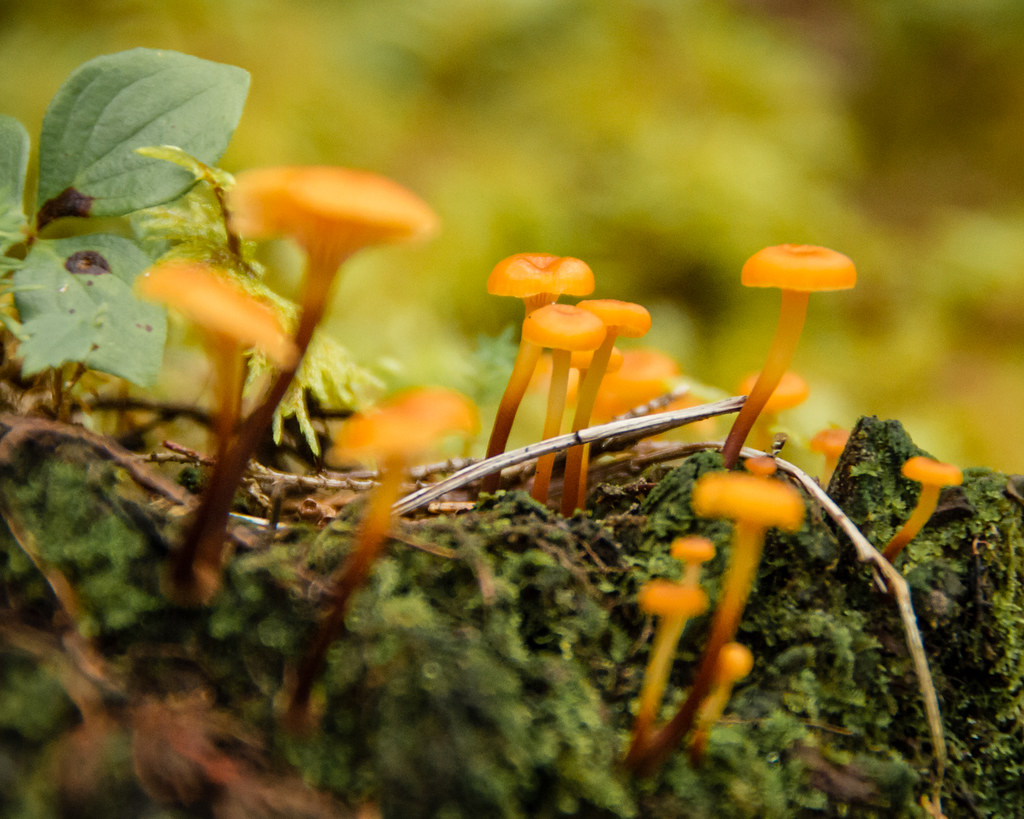
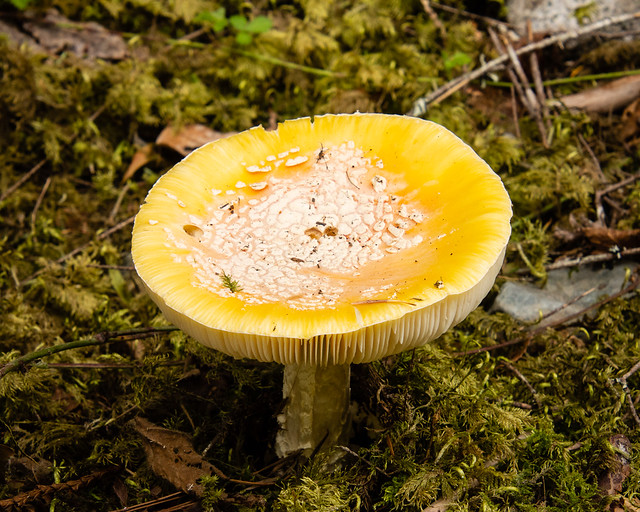
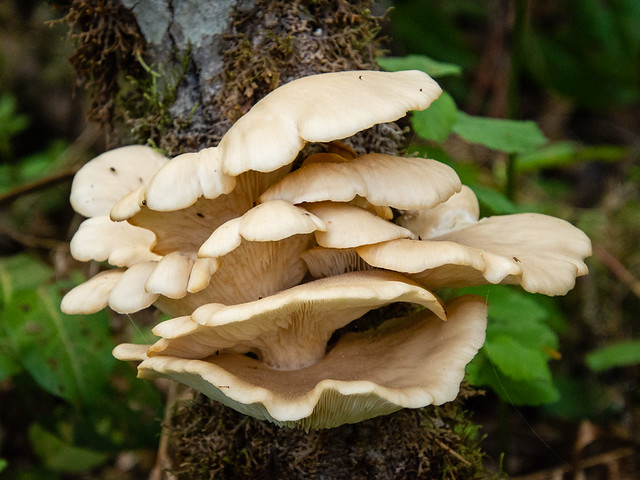
When the fungus is ready to reproduce or is under stress, hyphae felt together, rapidly inflating with water to form a mushroom. Mushrooms can vary in shape and size (bracket fungi jut out from trees like a shelf, completely different from the fairy-tale red and white-spotted fly agaric or the shaggy lion’s mane), but they all have the same purpose – to release their spores.
Fungi have developed an amazing variety of methods for dispersing their spores. Jacey Bell is the founder of the
Saskatchewan Mycological Working Group. She explains that some mushrooms have gills on the underside of their cap that are designed so that air can blow between them, dispersing the spores on the wind. Other mushrooms, such as the shaggy mane, are white when they first emerge but turn black and the cap curls up and out as they mature. The spores drip down as inky black drops that can be dispersed by the rain or, when they dry out, by the wind. Puff balls are entirely enclosed except for a small hole on the top that releases a tiny cloud of spores when hit by a raindrop. One of Jacey’s favorites is the earth star: “A thick outer layer protects a sac full of spores as it comes out of the ground. As it dries, the outer layer flips open, the whole unit detaches from the ground, releasing its spores as it tumbles across the ground.”
Complex Relationships
“Most plants . . . depend on fungi to provide them with nutrients from the soil, such as phosphorus or nitrogen, in exchange for energy-giving sugars and lipids produced in photosynthesis.” (Merlin Sheldrake, Entangled Life)
Plants, animals, and humans rely on mycorrhizal fungi to survive. More than 90 percent of all plant species collaborate with fungi, exchanging food from the air for food from the soil. Deep in their underground caverns,
leafcutter ants cultivate a fungus, feeding it with tiny pieces of leaves, removing contaminants, and producing amino acids to help the fungus thrive. The fungus is then harvested to feed the ant larvae. Fungi in the soil affect the quality of agricultural crops. Yeast live on our skin, in our lungs, and in our gastrointestinal tract.
Researchers have more questions than answers about the ways in which fungi interact with plants and animals. We know that vast, complex fungal webs connect with the trees in a forest, allowing them to share resources and messages. Nutrients appear to flow from areas of plenty to areas of scarcity. Originally, it was thought that the trees were “talking” to each other. But it may be the fungi that are monitoring the situation, shifting resources from one tree to another.
“As you read these words, fungi are changing the way that life happens, as they have done for more than a billion years. They are eating rock, making soil, digesting pollutants, nourishing and killing plants, surviving in space, inducing visions, producing food, making medicines, manipulating animal behavior, and influencing the composition of the Earth’s atmosphere.” (Merlin Sheldrake, Entangled Life)
Fungi have one primary purpose – to consume. And they’re not too fussy about what they consume. Researchers have found that one mycelium can produce edible oyster mushrooms on a diet of used diapers. Others degrade pesticides, dyes, explosives, and plastics.
Fungi can also be used to create. Researchers are experimenting with employing the outer layers of portobello mushrooms to replace graphite in lithium batteries. Other species can be used as a substitute for skin, helping wounds to heal. Companies are making furniture with fungal leather, using fungi to replace plastic packaging, and even growing temporary housing.
Citizen Science in Action
“Only fifty-six species of fungi have had their conservation status evaluated, compared with more than twenty-five thousand plants and sixty-eight thousand animals.” (Merlin Sheldrake, Entangled Life)
As a botanist and university instructor, Jacey Bell has a particular interest in
taxonomy, “the science of naming, describing and classifying organisms,” so she was concerned to discover that there were no complete, up-to-date lists of Saskatchewan fungi. She reached out to acquaintances and was pleased to discover that they shared her interest, and the
Saskatchewan Mycological Working Group was established under the auspices of the
Native Plant Society of Saskatchewan. A
beginner mushroom ID webinar was a first step in helping people to identify mushrooms and Jacey hopes that the group will eventually host mushrooms forays where knowledgeable people can team up with beginners to identify the species they find. Jacey has also established an
iNaturalist list to log observations that can be accessed by the Saskatchewan Conservation Data Centre.
Note: This article relies extensively on information in Martin Sheldrake’s book,
Entangled Life as well as an interview with Jacey Bell and material provided in her Beginner Mushroom ID webinar
Resources – Identification
Resources – Expanding Your Knowledge
Entangled Life, Merlin Sheldrake (the world from a fungal point of view)
Fantastic Fungi, Paul Stamets (how mushrooms can heal, shift consciousness & save the planet) (
book and
film)
You can follow EcoFriendly Sask by liking us on Facebook, following us on Twitter, or by email (top right corner).
EcoFriendly Sask’s Nature Companion is a free nature app for Canada’s four western provinces