Showing posts with label Coal. Show all posts

Tuesday, 4 May 2021

EcoSask News, May 4, 2021

Jackrabbit

This Week’s Highlights 
Ann Coxworth will discuss small model nuclear reactors from 7-8:30 pm, May 11, online, as part of the Sustainability Speakers series. 

As part of a growing trend, major tech companies are “teaming with oil giants to use automation, AI, and big data services to enhance oil exploration, extraction, and production.” 

Upcoming Events 
There will be a noon-hour webinar on greater sage-grouse and grassland songbirds on May 11 as part of the Native Prairie Speaker Series. 

Nature Regina is hosting an online Get Outside Kids’ Club from 1:30-2:30 pm, May 12. 

Learn how you can create a nature refuge in your own backyard in Gardening with Native Plants, a digital NatureCity Conversation from 7-9 pm, May 12. 

The annual RCE Saskatchewan Education for Sustainable Development Recognition event will be held online from 9 am-noon, May 12. 

The Wildlife Rescue Society of Saskatchewan is holding a virtual annual general meeting at 2 pm, May 16. 

Saskatoon Nature Society Field Trips 
Saskatoon Young Naturalists 
May 26-July – Mary Houston Bluebird Trail 
July 14, 1 pm – Mid-week Butterflies 
Aug. 11, 1 pm – Mid-week Butterflies 
Space is limited; register early to avoid disappointment. 

Golden Eagles 
May 6, 8 am – Waterfowl at Porter Lake 
May 13, 8 am – Clavet Area Birding 
Retirees and partners who are interested in birds and the natural world are invited to participate. 

Other Saskatoon Nature Society Field Trips 
May 8, 2:30-3:30 pm, Waterfowl Viewing on the River 
May 9, 7-8 am – MVA Trail Birding 
May 15, 1:30-4:30 pm – Birding Trip to Proctor Lake 
Field trips are currently for members only, so sign up now. Advance registration is required. 

Local News 
Humboldt Lake cannot support fish as it “has a phosphate concentration that is 6 to 10 times higher than what is considered to be a healthy lake” due to treated wastewater and agriculture and industry. 

La Ronge Library is now sharing seeds as well as books. 

Environmental Racism 
Urban inequality affects wildlife as well as people. “To Schell, the solution is to design cities that work for all people and animals. Coyotes may not be the most welcome neighbors, but Schell says they maintain balance in our ecosystems. Carving out green spaces for both humans and wildlife to enjoy can foster the biodiversity we need to draw down carbon, cool our cities, and keep our air and water clean.” 

Many racialized and low-income communities have borne the brunt of polluting industries and other environmental hazards. Federal Bill C-230 is an important first step in addressing who is affected the most by climate change and its impacts.
 
Magpie

The Future of Coal 
Shutting down Germany’s lignite coal mines requires citizen engagement – both miners and climate activists. 

The steel industry, reliant on coal for centuries, is looking at alternatives. A University of Calgary professor believes “the expansion of metallurgical-coal mining in Alberta is an example of the province ‘chasing the next thing that’s going to die.’” 

Urban Biodiversity 
Dutch citizens are working hard to protect bees – and so far it’s working. Check out their bee hotels, bee-friendly roof-garden bus stops, and honey highway. 

An international roundtable shares ideas for increasing urban biodiversity – from mandating the using of native plants in public landscapes to a manual on conserving biodiversity in urban subdivisions, developing a shared vision among public and private stakeholders, and celebrating Green Capitals of Biodiversity. 

Check out EcoFriendly Sask’s Nature Companion, a free nature app for Canada’s four western provinces 


EcoFriendly Sask supports Saskatchewan environmental initiatives through an online publication, an events calendar, small grants, and the Nature Companion website/app. You can follow EcoFriendly Sask by liking us on Facebook, following us on Twitter, or by email (top right corner).

Thursday, 23 July 2020

Environmental History: Placing Human History within its Natural Environment


“I’ve always had an underlying interest in the environment,” says Justin Fisher, “but I thought of environmental issues as being science-based and technical and I’m more on the humanities side.” Justin’s perspective shifted when he moved to the United Kingdom to work on his Master’s and took a course in environmental history. “Environmental history is about how we understand ourselves in relation to the environment,” Justin says. “It helped me realize that people with an interest in history, research, and writing could contribute to the environmental movement and I looked for more ways to get involved when I moved back to Saskatoon.”

Environmental history focuses on the interrelationships between humans and nature. It’s a two-way relationship with human actions impacting the environment while also being shaped by it. “At its best,” Justin says, “I think it actually forces us to break down the fundamental distinction between humans and nature." The study of environmental history emerged from the environmental movement in the United States in the ‘60s and ‘70s. Issues such as rampant pesticide use and the green revolution started to affect how some historians were thinking about people and the environment and represented an attempt to push back against the common belief of a linear progression in human history. “It’s a growing discipline with sub-fields and interdisciplinary work and also lots of young scholars,” Justin says. “I also know I’m not alone in continuing on this path because of twin interests in academics and activism.”

Environmental history is a strong point of the University of Saskatchewan’s History Department these days. Professor Andrew Watson is exploring histories of energy, agriculture, and sustainability, while Geoff Cunfer specializes in the sustainability of land use on the Great Plains, and Jim Clifford is looking at the intersections between environmental, social, and political history, with a particular focus on industrialization.


Justin’s academic interest in energy history, an emerging sub-field of environmental history, has been informed by his involvement in several fossil fuel divestment campaigns and he is an active member of Climate Justice Saskatoon. In 2017, Climate Justice Saskatoon undertook a major project to investigate the future of coal in Saskatchewan. They visited the mining communities of Estevan and Coronach where they held interviews and workshops with coal and service industry workers, union representatives, town administrators, and farmers. Their goal was to build bridges between urban environmental groups and coal-producing communities in Saskatchewan. The full report is available online.

Justin realized that fossil fuel production was an important part of these mining communities' identities. “Transitioning may feel like a threat to their history,” he explains. “How can we discuss transitioning to renewable energy while respecting that history?” Justin will be exploring this topic more deeply as he begins work on his PhD research into the history of fossil fuels in Saskatchewan.

“The transition to fossil fuel dominance was relatively rapid,” Justin says. “From the ‘60s onwards, it has become the province’s predominant industry. I want to look at how that has affected not only the environment but also labour, land use, and governance. I’m interested in the ‘energy crisis’ period in the ‘70s and ‘80s when energy prices rose and there was a lot of research into alternate energy sources and energy efficiency. Why didn’t it translate into action? What can we learn from that experience as we try to expand our use of renewable energy?”

Justin will be exploring the topic through the lens of a just transition. “Fossil fuel extraction and use has had a diverse and uneven impact. There are costs and benefits that get distributed within society,” Justin says. “There are important questions to ask. How have fossil fuels factored into rural depopulation and urbanization? The provincial government is largely funded by fossil fuel interests. How does that affect how the province has been run over the last few decades?”

Justin represents new scholars on the executive committee of NiCHE, the Network in Canadian History & Environment, a group of scholars and researchers who are trying to make their work more accessible and relevant to the general public. Their website includes a blog and podcast and delves into a wide variety of topics ranging from an article on black birds, black lives, and the unfinished work of queer ecologies to second homes during a time of crisis.

If you are interested in becoming involved in the environmental movement in Saskatoon, Justin encourages you to check out existing groups such as Climate Justice Saskatoon, the Saskatoon Youth Climate Committee, the Saskatchewan Environmental Society, and/or The Stand - Community Organizing Centre.


Reading List
Justin suggests the following books may be of interest to local environmentalists:

Wet Prairie: People, Land, and Water in Agricultural Manitoba, Shannon Stunden Bower (2011)

States of Nature: Conserving Canada's Wildlife in the Twentieth Century, Tina Loo (2006)

Forest Prairie Edge: Place History in Saskatchewan, Merle Massie (2014)

Inventing Stanley Park: An Environmental History, Sean Kheraj (2013)

The War on Weeds in the Prairie West: An Environmental History, Clinton L. Evans (2002)

Photo Credit
Mine tour in Coronach, Rachel Malena-Chan

You can follow EcoFriendly Sask by liking us on Facebook, following us on Twitter, or by email (top right corner).

Tuesday, 8 January 2019

EcoSask News, January 8, 2019

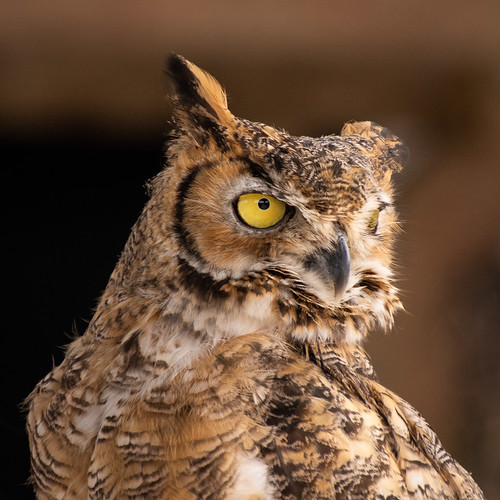
great horned owl

Happy New Year! There's lots to look forward to.

Upcoming Events 
Rob Dumont Principles in Action, Jan. 9 (Saskatoon) 
Dave Palibroda will discuss putting Rob Dumont’s principles into action at the Jan. 9 breakfast meeting of EMTF Saskatchewan.

Carbonless Concert, Jan. 10 (Saskatoon) 
Enjoy a free carbonless concert at Louis’ Loft on campus from 6:30-9:30 pm, Jan. 10.

Regina Beach Enviro Collective, Jan. 12 (Regina Beach) 
The Regina Beach Enviro Collective is meeting at 3 pm, Jan. 12.

Soil & Permaculture, Jan. 12 (Regina) 
Join Permaculture Regina at 1:30 pm, Jan. 12, at the Cathedral Neighbourhood Centre for a brief AGM and to share knowledge about soil and upcoming permaculture projects.

Year-round Composting, Jan. 12 (Regina)
Learn how to compost year-round from 2-3 pm, Jan. 12, at the Central Library.

Zero Waste 101, Jan. 15 (Saskatoon) 
Meg Dorwart will share how she’s lived waste-free for the past 2 years from 7-8:30 pm, Jan. 15, as part of the Sustainable Speaker Series organized by the Saskatoon Public Library and the Saskatchewan Environmental Society.

Smarter Science, Better Buildings, Jan. 15 - Feb. 15 (Saskatoon) 
Grade 7 students and the general public are invited to view the Smarter Science, Better Buildings exhibit at Saskatoon’s Western Development Museum, Jan. 15-Feb. 15.

Saskatoon Nature Society Field Trips 
Jan. 13, 9-11 am – Chorney acreage bird feeders
Jan. 20, 2:15-3:15 pm – Visit to Living Sky Wildlife Rehabilitation facility
Jan. 27, 9 am-4 pm – Snowy Owl census
Everyone is welcome. Check the Saskatoon Nature Society’s website for full details and updated information.

A full list of upcoming events can be found on the EcoFriendly Sask Calendar


In the News 
Changes are afoot at the Saskatoon Forestry Farm Park and Zoo. But is the City paying attention to the important issues of animal welfare, environmental conservation, and education?

Michelle Brass is offering climate change workshops to Saskatchewan First Nations to discuss and develop solutions rooted in Indigenous values.

City Councillor Andrew Stevens discusses the evolution of Renewable Regina: “Even in the heartland of oil and gas there is excitement about the potential of increasing our reliance on renewable energy and in moving away from fossil fuels as a source of electricity.”

Oil Fall - how clean energy, electric cars, and grid technology will profoundly impact the oil market [book review]

Spain is making sure displaced workers are taken care of when they shut 26 coal mines.

Walkable cities are good for the economy - and for people!

EcoSask News is a weekly round-up of local news and events. Email us if you have items you would like us to include. 

You can follow EcoFriendly Sask by liking us on Facebook, following us on Twitter, or by email (top right corner).

Tuesday, 4 December 2018

EcoSask News, December 4, 2018

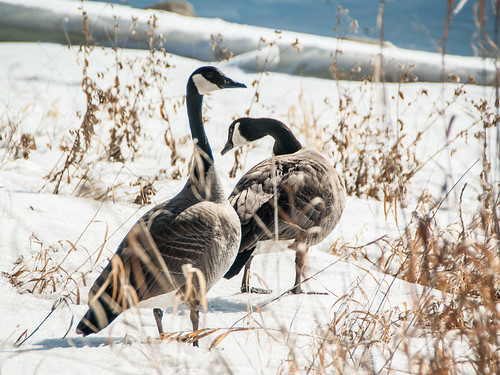
canada geese on snow

Upcoming Events
Pesticides in the Prairie Pothole Region, Dec. 7 (Saskatoon)
There will be a discussion of ecological risk assessment of pesticides in the prairie pothole region at 3:30 pm, Dec. 7, as part of the WildEcol Seminar Series.

Winter Wonder, Dec. 9 (Great Blue Heron Provincial Park)
Join SaskOutdoors at Sundogs Excursions from 10 am-3 pm, Dec. 9, for a wildlife scavenger hunt, snowshoeing, and more.

Community Climate Conversation, Dec. 9 (Regina)
There will be group discussions following the short presentations at the Community Climate Conversation in Cathedral, Dec. 9, 6:30-9:30 pm.

Hogs on the Lam, Dec. 13 (Saskatoon)
Professor Ryan Brook will discuss wild pigs and the rapid rise in their numbers at the 7:30 pm, Dec. 13, meeting of the Saskatoon Nature Society.

Looking Ahead
Outdoor Education (Regina, Saskatoon)
If you’re interested in outdoor education, take a look at the workshops being planned for the new year by SaskOutdoors: Project Wet (Regina & Saskatoon), Project Wild (Regina & Saskatoon), Below Zero (Regina & Saskatoon), NaturePlay (Saskatoon), and Flying Wild (Regina & Saskatoon).

Edible Foraging Tours (Regina)
Edible Landscapes Permaculture Design & Consulting will be offering two series of seasonal foraging tours (one urban) in 2019.

A full list of upcoming events can be found on the EcoFriendly Sask Calendar 

Energy Transitions
This week brought a number of excellent articles about the future of coal and the transition to a coal-free future.

Climate Justice Saskatoon published a report entitled Bridging the Gap: Building bridges between urban environmental groups and coal-producing communities in Saskatchewan based on their conversations with local residents in Coronach and Estevan.

Life after Coal looks at the situation in Alberta. A parallel article looks at why oil communities in Alberta need a transition plan, not new pipelines.

The World Needs to Quit Coal. Why is it so hard? looks at the situation globally.

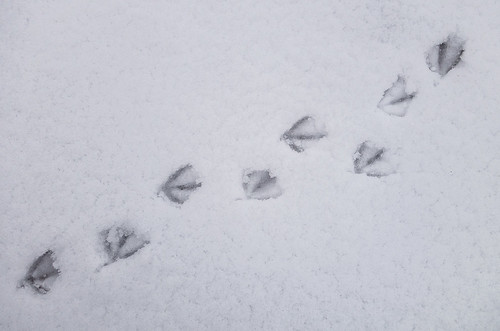
goose prints

In the News
Germany’s plan to fight plastic waste includes eliminating unnecessary packaging and replacing existing packaging with environmentally friendly alternatives.

What is the best way to save nature – to cordon off areas for parks and open space or to integrate conservation measures on working lands? Or should we do both?

Denmark is considering food labels that indicate environmental impact.

The Netherlands is pioneering a new approach to generating and sharing energy through neighbourhood microgrids.

Spanish people support banning cars in the centre of any town over 50,00 residents.

EcoSask News is a weekly round-up of local news and events. Email us if you have items you would like us to include. 

You can follow EcoFriendly Sask by liking us on Facebook, following us on Twitter, or by email (top right corner).
Tuesday, 3 April 2018

EcoSask News, April 3, 2018

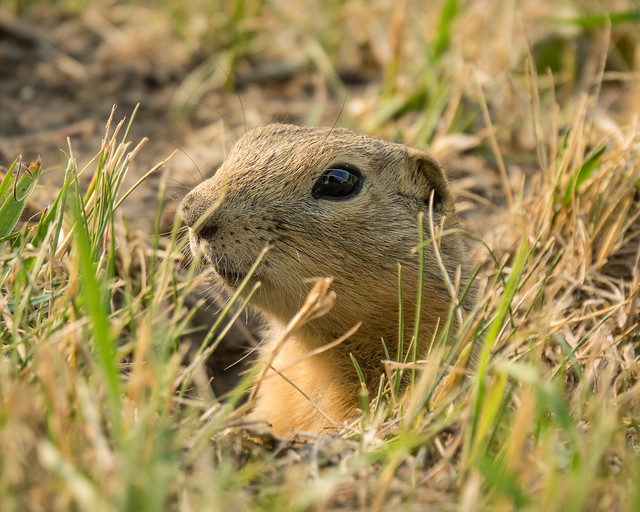
gopher (Richardsons ground squirrel)

This week’s news stories range from moose in the city and boxelder bugs to the importance of reclaiming the land when a coal mine closes. Enjoy!

Upcoming Events
Repair Café, Apr. 7 (Prince Albert)
Get help repairing household appliances, electronics, clothing, and furniture at Repair Café Prince Albert from 1-4 pm, Apr. 7.

Public Pastures Public Interest AGM, Apr. 7 (Regina)
Public Pastures Public Interest is holding their annual general meeting from 1-5 pm, Apr. 7. Join the discussion on current issues and future options for Community Pastures and other Crown grasslands.

Animal Sanctuary Tour, Apr. 8 (Moose Jaw)
Contact the Moose Jaw Nature Society if you want to join them on a tour of the Free To Be Me Animal Sanctuary from 11 am-1 pm, Apr. 8.

Household Hazardous Waste Day, Apr. 8 (Saskatoon)
You can dispose of household hazardous waste in Saskatoon from 9 am – 3:30 pm, Apr. 8.

Town Hall on Climate Change, Apr. 9 (Saskatoon)
Climate Justice Saskatoon is hosting a town hall meeting from 6-9 pm, Apr. 9, to discuss meaningful climate solutions in Saskatchewan.


Looking Ahead
Saskatoon’s Wild Side, Apr. 22 (Saskatoon)
Wild About Saskatoon is inviting individuals and community groups to help show off the wild side of Saskatoon by hosting an event during the 2018 NatureCity Festival, May 22-27. Submit your applications before Apr. 22.

Nature Saskatchewan Spring Meet, June 8-10 (Coronach)
Join Nature Saskatchewan June 8-10 for their spring meet in Coronach. There will be a bus tour of the Big Muddy Valley and Naomi and Jon Gerrard will give a presentation entitled “Learning from 50 Years with the Bald Eagles of Saskatchewan's Boreal Forest”.

A full list of upcoming events can be found on the EcoFriendly Sask Calendar

In the News
University of Regina journalism students, in partnership with the National Observer, Toronto Star, and Global News have won an award for a documentary about the money and influence of Saskatchewan’s oil industry.

Boxelder Bugs - "there's a lot more to these little critters than you might think."

Saskatchewan's climate change strategy sets its sights on reducing emissions from large industrial emitters but doesn't tackle emissions from smaller industries according to Brett Dolter, University of Regina ecological economist.

Better food sources and lack of predators means moose are migrating to the prairies - and even the cities.

Last Mountain Lake National Wildlife Area is at the heart of North America’s central flyway, attracting hundreds of thousands of migrating birds each spring and fall.

Land reclamation is a key element of restoring communities when coal mines shut down.

Upgrades to Saskatoon’s Royal University Hospital almost doubled the expected savings from energy, water, and operational improvements.

EcoSask News is a weekly round-up of local news and events. Email us if you have items you would like us to include. 

You can follow EcoFriendly Sask by liking us on Facebook, following us on Twitter, or by email (top right corner).

Tuesday, 10 December 2013

EcoSask News, December 10, 2013


Environmental Film Fest
What films would you like to see at the Saskatchewan Eco Network’s 2014 Environmental Film Festival? Send in your suggestions by February 4, 2014.

Bert Weichel
Congratulations to Bert Weichel who has received the 2013 Meewasin Conservation Award. Bert is an environmental consultant and has been an active volunteer in the field of environmental sustainability for the past three decades. He was a founding member of the Saskatchewan Waste Reduction Council and recently built his own straw bale house.

Take Action
We can make a difference. We just need to take action. Here are a couple of ideas:

Throw seed bombs not snow balls (Lumsden High School students collected wildflower seeds in the fall, made seed bombs, and are now launching them. The spring melt will dissolve the dirt and germinate the seeds.)

Plan a Waste-Less Holidays contest

Thought-Provoking
“Let's imagine the rebirth of urban, local economies of maintenance and repair where libraries, community centres, markets, churches, galleries and pubs are used to combat a throw-away culture and fix electronics.”

Thumbs Up
The federal government has taken some initial steps to protect the Greater Sage-Grouse’s habitat but more still needs to be done

Ecosia, a new search engine, donates 80% of its income to a tree-planting program in Brazil

149 UK car parks are switching to LED lighting and anticipate a 65% energy reduction

Thumbs Down
“extremely high annual per capita [GHG] emissions of 65 tonnes in Alberta and 70 tonnes in Saskatchewan stem, in part, from oil and gas production, but also from the two provinces’ continued reliance on coal-fired electrical generation”

EcoSask News is a weekly round-up of local news and events. Email us if you have items you would like us to include. Additional upcoming events can be found on our Calendar.

You can follow EcoFriendly Sask by liking us on Facebook, following us on Twitter, or by email (top right corner).