Tuesday, 7 December 2021

EcoSask News, December 7, 2021

Green moray eel

Upcoming Events 
Citizens Environmental Alliance is holding its third annual Farmland Drainage and the Environment Virtual Conference from Dec. 14-17: 
7 pm, Dec. 14 – Lake Diefenbaker Irrigation Projects Town Hall 
10 am, Dec. 15 – Crown (Public) Lands Gone Forever 
10 am, Dec. 16 – Wetlands and Their Role in the Resilience of Prairie Communities 
10 am, Dec. 17 – All Our Conversations Begin with Treaty – The Duty to Consult in Saskatchewan 

Full details on all upcoming events can be found on the EcoFriendly Sask Calendar 

Across the West 
The Government of Manitoba has leased St. Ambroise Beach Provincial Park to a private operator and is contemplating additional public-private partnerships. [CBC

“The South Saskatchewan River is well into the seasonal changes shared by cold-region rivers worldwide. As temperatures drop, life in and around the river begins to change. While a cover of ice suggests dormancy, under that cap of ice, water still flows, and life carries on.” An article by the South East Alberta Watershed Alliance explains how a cover of ice affects rivers and aquatic life. [SEAWA]
 
Untitled

We Can Make a Difference 
“Organic and agroecological farmers … typically plant a cover crop to restore their soil with nutrients and organic matter. Turns out, cover crops and other key practices in organic, regenerative, and agroecological farming also help farms weather the climate crisis. In addition to keeping soils stable during floods, they protect the ground from extreme heat, which can kill important microbial ecosystems, and help retain moisture during dry spells.” [National Observer

A tiny bridge, just 12 metres long and 30 cm wide across a UK railway line, will connect two endangered hazel dormouse populations thereby increasing genetic diversity. [The Guardian

Strava Metro is a tool for charting human-powered movement. It is now free to urban planners and advocacy groups so they can keep improving active transportation infrastructure. [Strava

7 people talk about how they turned their back on consumerism – from furnishing a home for free to secondhand baby clothes to following the 90-day rule. [The Guardian

Education 
Climate Fresk is a collaborative workshop to collectively understand the implications of climate change and trigger action. Jeremy Williams, The Earthbound Report, says, “Climate Fresk have developed a set of cards that explain climate science … It deals with some surprisingly complicated science, but participants get to the answers through discussion and sharing what they know, tapping into a kind of ‘collective intelligence’.” [Climate Fresk

Climate Watch 
Soon, 1 out of every 15 points of light in the sky will be a satellite. There are currently no regulations to govern an industry creating air and light pollution. [The Conversation

While a controlled release of treated wastewater from oilsands tailings ponds is seen as preferable to a sudden accidental release, concerns are being raised about deteriorating water quality in the Athabasca River and downstream. [CBC

MiningWatch Canada has released an interactive map about mining impacts worldwide, noting issues with polluted air, land, and water; waste management; tourism; and biodiversity. [Environmental Justice Atlas]
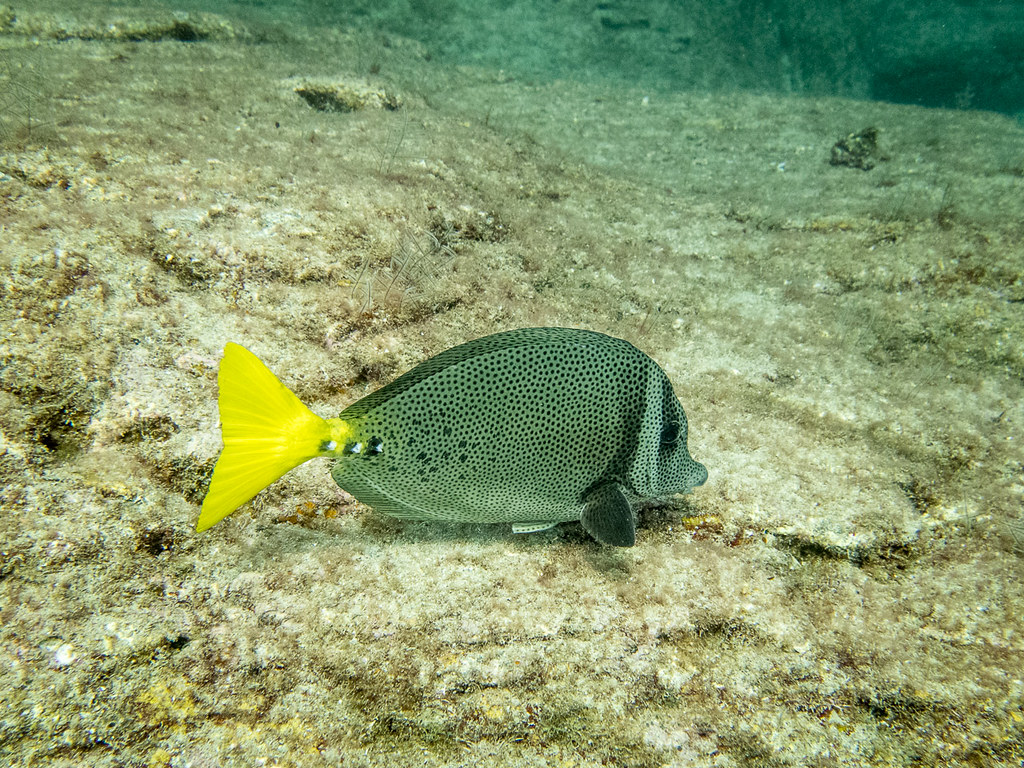
 
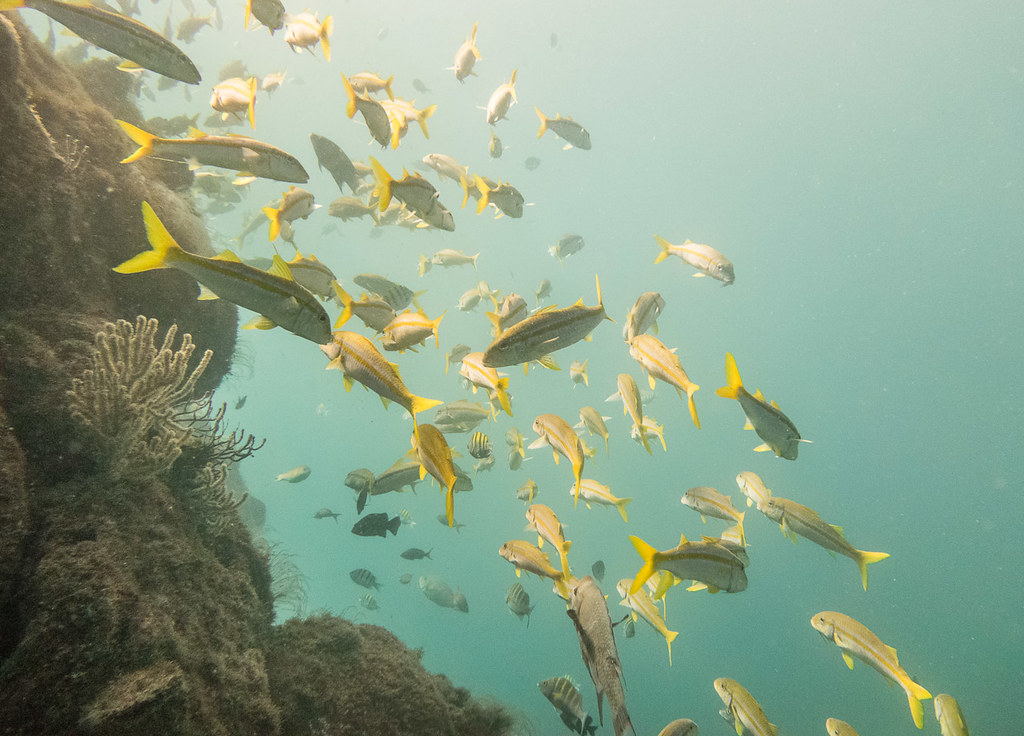
surgeonfish

Good News! 
“Ecuador’s constitutional court has blocked plans to mine copper and gold in Los Cedros, a protected cloud forest, ruling that the plans violate the rights of nature.” [Yale Environment 360

That’s Amazing! 
“Every evening, after twilight gives way to dark, hordes of marine creatures — from tiny zooplankton to hulking sharks — rise from the deep to spend the night near the surface.” Researchers are just beginning to understand the purpose and extent of this vertical migration. [Knowable Magazine

EcoFriendly Sask supports Saskatchewan environmental initiatives through an online publication, an events calendar, small grants, and the Nature Companion website/app. You can follow EcoFriendly Sask by liking us on Facebook, following us on Twitter, or subscribing by email (top right corner).

Thursday, 2 December 2021

Endangered Species - What Can I Do To Help?

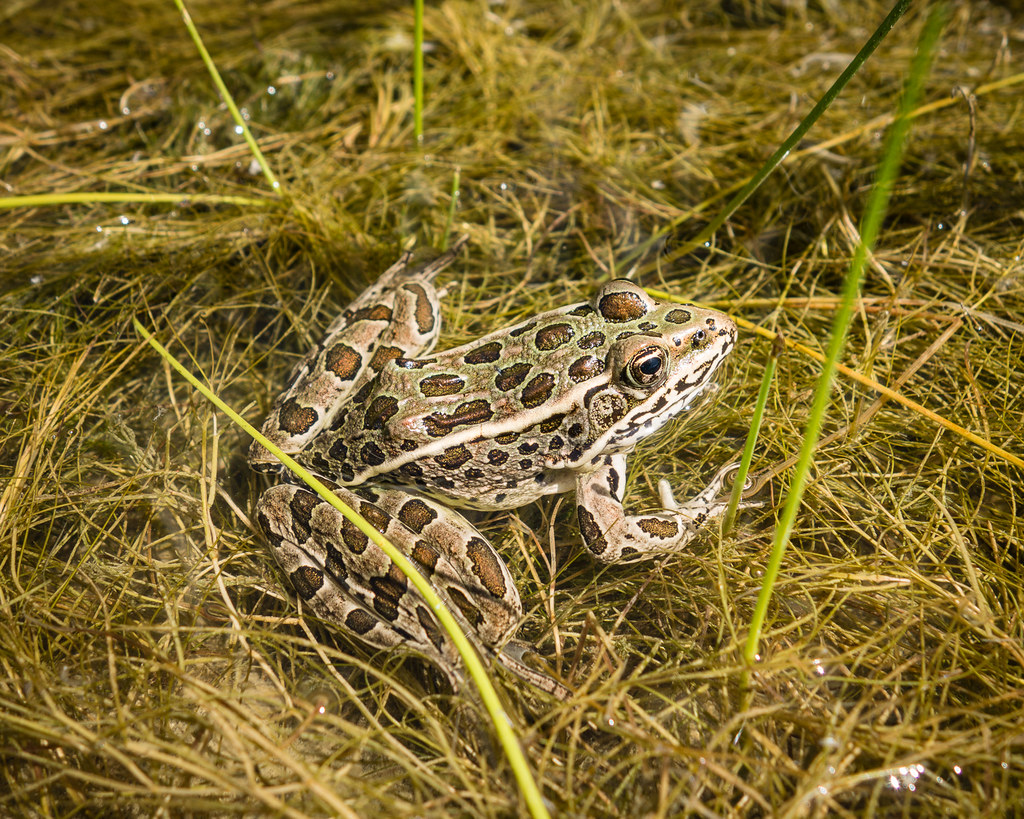
Northern Leopard frog

It can be really discouraging to read about birds, reptiles, or animals that are threatened with extinction. We want to help, but what can we do as individuals with no formal training or resources? We did some research and spoke with Melissa Ranalli, Species at Risk Manager, Nature Saskatchewan, and found some helpful information. 

1. Habitat Enhancement
Habitat loss or degradation is almost always one of the reasons a species is at risk. Any efforts you take to create a wildlife-friendly habitat on your property will be hugely beneficial. Add a pond or water feature, install nest or bat boxes, or plant wildflowers. Each of these actions will help a variety of different creatures. 

Swallows: Swallows are in rapid decline. If you find them nesting under your eaves, don’t stop them. You’ll be grateful when you see how many insects they can eat in just a few hours. 

Bats: Do you have a bat house in your garden? By monitoring and uploading the results to iNaturalist, you can provide valuable information about the best bat house design

Insects: Insects are particularly valuable as they are the primary food source for so many reptiles, amphibians, birds, and even some animals. They’ll really appreciate it if you keep your yard on the wild side. Don’t rake the leaves in autumn. Don’t mow the grass in early spring. Build an insect hotel. Leave a pile of detritus in an out-of-the-way corner. You’ll be creating cozy spots where insects can live and over-winter. 

You’ll gain lots of information and probably native seeds and plants by joining the Butterflyway Project in your local community, which encourages individuals and families to plant pollinator-friendly gardens. 

Dead Trees & Fallen Logs: We tend to remove dead trees or fallen branches from our private and municipal properties, but they play a vital role in maintaining biodiversity. From 10-40% of birds and mammals nest and raise their young in holes in trees. By maintaining multi-age ecosystems, we’re providing a habitat for birds, insects, and animals as well as maintaining the nutrient cycle. 

Pesticide-free: The pesticides and herbicides that you spray on your grass and lawn are poisons and will also harm insects, birds, and other wildlife that eat sprayed vegetation. 

Clean Up Litter: Removing litter from shorelines and other natural areas protects wildlife from hazards (such as ducks getting tangled in fishing line) and the soil and water from contaminants (cigarette butts leach toxic chemicals).
 
Barn swallows

Farms & Acreages: If you live on a rural property, you have a fantastic opportunity to protect and maintain the wildlife that share your land. Nature Saskatchewan offers 5 stewardship programs that engage rural landowners in conserving habitat to protect species at risk. 

You can also make sure any water running through your property isn’t contaminated and take steps to prevent run-off and erosion. One couple whose homes fronts onto a lake stopped weeding their shoreline last year and have noticed that they have far more wildlife – beavers, killdeer, and turtles. 

Katie and Aaron Suek of the Restoring 71 Project believe that acreages are a missed opportunity as they have so much potential for positioning the protection and restoration of natural areas as a convenience rather than an added effort. “It’s so much less work and you’ll see so much more wildlife if you let it go wild,” Katie says. 

The Native Plant Society of Saskatchewan offers a guide to acreage living that you may find useful.
 
Burrowing owl

2. Species Reintroduction 
It can be tempting to attempt to reintroduce a wild creature such as a frog or lizard onto your property, but it’s risky. The habitat may be wrong or it may be the wrong species for your particular area (for example, there are several different varieties of northern leopard frog). A more effective approach is to volunteer or donate to support a professional reintroduction project. 

Volunteer: If your primary interest is plants, why not volunteer with the Native Plant Society of Saskatchewan and help pull out invasive species or plant native plants along roadsides? Volunteers with the Nature Conservancy of Canada help with tree planting, reducing barriers and hazards to wildlife, installing nest boxes, and many other projects. There have been opportunities in the past to assist with wildlife reintroduction projects at Grasslands National Park

Donate: Conservation projects are always looking for additional funds and would welcome your support. Here are just a couple of local programs. 

The Calgary Zoo’s conservation research team is using science to sustain threatened wildlife. They are breeding whooping cranes, northern leopard frogs, swift foxes, and various other species for reintroduction into the wild. 

The Saskatchewan Burrowing Owl Interpretive Centre offers displays and educational programs to promote the conservation of this endangered owl and its habitat. A similar program in British Columbia, the Burrowing Owl Conservation Society of British Columbia, has a captive breeding program and creates and maintains a system of artificial burrows for released owls. 

Organizations such as the Nature Conservancy of Canada play an important role in preserving and restoring ecologically significant areas by planting trees, restoring wetlands, and removing invasive species and wildlife hazards. They offer a variety of volunteering, donation, and legacy options.

EcoFriendly Sask supports Saskatchewan environmental initiatives through an online publication, an events calendar, small grants, and the Nature Companion website/app. You can follow EcoFriendly Sask by liking us on Facebook, following us on Twitter, or subscribing by email (top right corner).

Tuesday, 30 November 2021

EcoSask News, November 30, 2021

Untitled

Upcoming Events 
One School One Farm is planning an online talk on carbon sequestration in shelterbelt trees at 7 pm, Dec. 7. 

Gardening at USask is offering the following online classes. All classes begin at 7 pm. 
Dec. 9 – Birds in Winter 
Dec. 12 – Insects in Your Garden: An Introduction to Beetles 

There will be a presentation on Saskatchewan’s woodland caribou at the 7:30 pm, Dec. 9, online meeting of the Saskatoon Nature Society. 

Martensville families are invited to make lanterns and take a walk to light up the night with Wildernook Fresh Air Learning at 5, 6:30 & 8 pm, Dec. 12. 

Full details on all events can be found on the EcoFriendly Sask Calendar 

Across the West
The “Trudeau government needs to clarify its competing objectives, with goals to reduce algae blooms while ramping up agricultural production, which will increase nutrient runoff … ‘Lake Winnipeg won’t wait and we need to get on with restoring (its) health.’” [Winnipeg Free Press

The Nature Conservancy of Canada has acquired 646 hectares of grasslands and wetlands located along the eastern shoreline of Chaplin Lake, the second-largest salt lake in Canada. During spring and fall migrations, thousands of shorebirds use Chaplin Lake and the surrounding grasslands to refuel or nest. [Toronto Star

“More than 70% of boreal woodland caribou herds in Canada are in decline, and recent analysis suggests that provincial exemptions allowing forestry and oil and gas activities in critical habitat have accelerated the trend.” [Pembina Institute

Farming the Future: Agriculture and climate change on the Canadian Prairies - a report on improving climate resilience while supporting local livelihoods. [International Institute for Sustainable Development

A “Victoria-based photographer and activist has spent much of the past 15 years searching for and photographing some of Canada's biggest, oldest trees … Most of the trees that Watt finds are slated to be cut down.” [CBC]
 
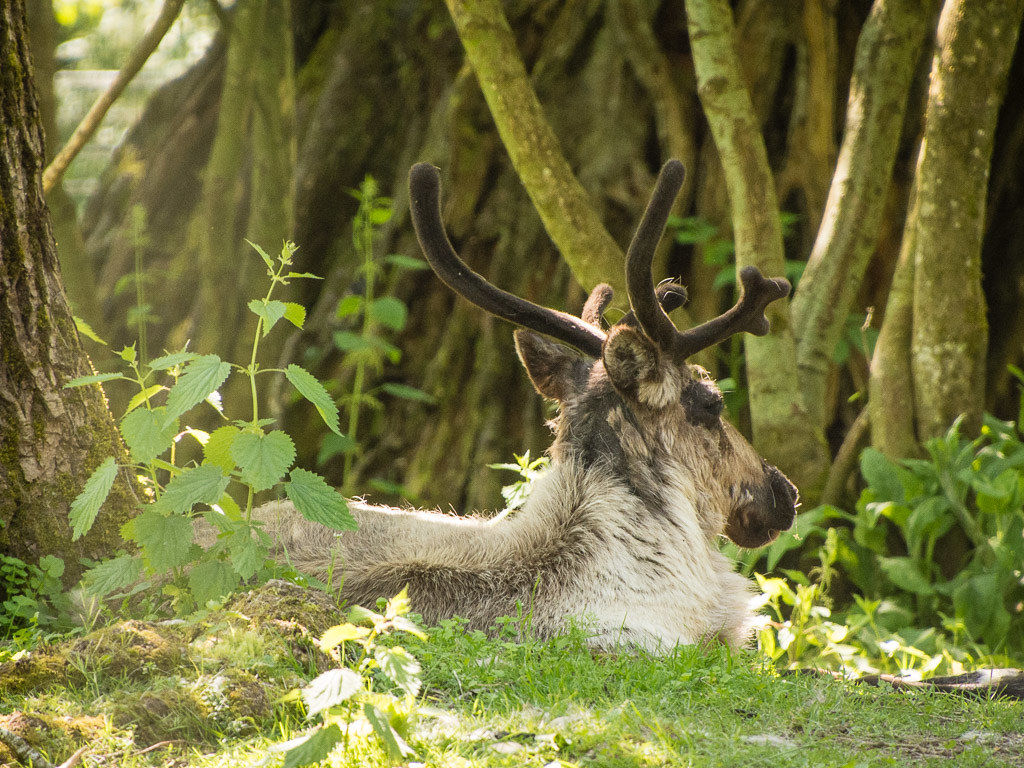
caribou / reindeer

Neighbourhood Planning 
“To create a circular and regenerative future, we should be looking at our neighbourhoods as fertile grounds of change, not merely as consumers of change decided elsewhere … Because the kind of transformative change needed doesn’t happen abstractly – out there – it happens here, in our houses, our offices, our streets, our river catchments, our institutions. And critically, change happens in our own ways of thinking and being … We need to be alert to context and not ask ‘what will work, generically?’ but ‘what will work and be right for this place and contribute to the bigger picture?’” [RSA

Durham Region’s green building practices are expected to “reduce greenhouse gas emissions, build infrastructure that is resilient to future climate change and create a healthier environment for residents.” [DurhamRegion.com

Choices 
“Economists recognize that congestion reflects underpricing: driving is so cheap that it becomes inevitable. You can have free roads or you can have free-flowing traffic but it is economically infeasible to have both.” [Planetizen

6 ways to make your flights greener and ecologically friendly. [Hand Luggage Only

Check out EcoFriendly Sask’s Nature Companion, a free nature app for Canada’s four western provinces


EcoFriendly Sask supports Saskatchewan environmental initiatives through an online publication, an events calendar, small grants, and the Nature Companion website/app. You can follow EcoFriendly Sask by liking us on Facebook, following us on Twitter, or subscribing by email (top right corner). 

Thursday, 25 November 2021

Saskatchewan Christmas Bird Counts 2021

House Finch

In 2020, almost 15,000 people participate in 469 Christmas Bird Counts across Canada. They recorded sightings of more than 3 million birds belonging to 296 different species. The annual count is the longest-running citizen science project in North America (2021 is the 122nd count) and plays an important role in tracking changes in the numbers and varieties of birds in different locations. 

For example, Canada Geese were notable by their absence from the river in Saskatoon in 2020, but participants spotted 2 female or juvenile Hooded Merganser for the first time in 15 years and Gray Partridge were at a 15-year high. House Finch numbers were higher than the previous year but still below the long-term average. House Finch are susceptible to Avian Conjunctivitis; the local population has declined in recent years and has yet to recover. 

In 2019, Saskatchewan participants spotted 126,813 birds, slightly higher than the century average of 125,000. This was partly due to a record high count of 33,735 Canada Geese in Estevan. Rarities included a Pacific Loon, a new species for Saskatchewan, a Double-crested Cormorant at Gardiner Dam, and a Northern Cardinal at Prince Albert. 

There are plenty of opportunities for people to participate in this year’s Christmas Bird Counts. Dates are listed below for Regina and Saskatoon. Elsewhere in the province, we recommend you contact your local nature society. Contact Nature Saskatchewan to find out if there will be a Christmas Bird Count for Kids in Regina.
 
Double-crested Cormorant

Regina 
Nature Regina will be organizing the following Christmas Bird Counts. If you are interested in volunteering, contact natureregina@gmail.com 

Saturday, December 18 – Craven 
Sunday, December 26 – Regina 
Sunday, January 2 – Balgonie (includes White City and Pilot Butte) 

Saskatoon 
The Saskatoon Nature Society is organizing the following Christmas Bird Counts in the Saskatoon area. To register for a count, complete the online form on the Saskatoon Nature Society’s website

Saturday, December 18 – Clark’s Crossing (Warman, Martensville, Osler, NE Swale) 
Sunday, December 19 – Qu’Appelle Dam (Elbow) 
Monday, December 27 – Saskatoon (city and south) 
Tuesday, December 28 – Christmas Bird Count for Kids (Saskatoon Young Naturalists
Monday, January 3 – Pike Lake/Chief Whitecap 

Tuesday, 23 November 2021

EcoSask News, November 23, 2021

miniature waterfall

Upcoming Events 
Learn about the effects of land use and climate change on ferruginous hawk habitat in Canada at the online WildEcol Seminar at 3:30 pm, Nov. 26. 

The Society for Ecological Restoration – Western Canada is holding its AGM online from 11 am-2:30 pm PST, Nov. 28. 

Learn about orienteering, geocaching, and Adventure Smart online with SaskOutdoors at 7 pm, Nov. 30. 

EMTF SK is hosting a presentation on energy management systems – leveraging IoT, AI, and cloud-based solutions at a Dec. 1 breakfast meeting. 

Johnson-Shoyama Graduate School of Public Policy is hosting an online lecture on Bridging Science, Policy, Community and More: Cases of Transdisciplinarity from Climate Change from 12-12:55 pm, Dec. 2. 

Full details on all upcoming events can be found on the EcoFriendly Sask Calendar 

Water 
Abbotsford, Calgary, Fort Simpson, New Orleans – flooding is no longer a rare, isolated incident. We have drained our wetlands, logged our forests, and built homes and communities without taking climate change into consideration. “Water management techniques developed over the 20th century will no longer be useful in this vastly changed water future. Every fen, tree and moss banked stream will count even more so than they have in the past.” [from an article by Edward Struzik, author of Swamplands: Tundra Beavers, Quaking Bogs and the Improbable World of Peat, The Tyee] 

“We need extraordinary and co-ordinated planning and efforts to protect our freshwater through conservation of rivers, lakes and their watersheds. And we need a national water agency with the capacity, financial means and legal foundation to co-ordinate this. We need the research and science capacity to inform wise water decisions and build state-of-the art water prediction and management systems.” (John Pomeroy, Canada Research Chair in Water Resources and Climate Change, U of S, Globe and Mail

Two academic papers examine how flood risk management on the Canadian prairie has defaulted towards flood resistance and recovery rather than resilience. “If the aim of flood risk management (FRM) is to increase society’s resilience to floods, then a holistic treatment of flood risk is required that addresses flood prevention, defence, mitigation, preparation, and response and recovery.”
 
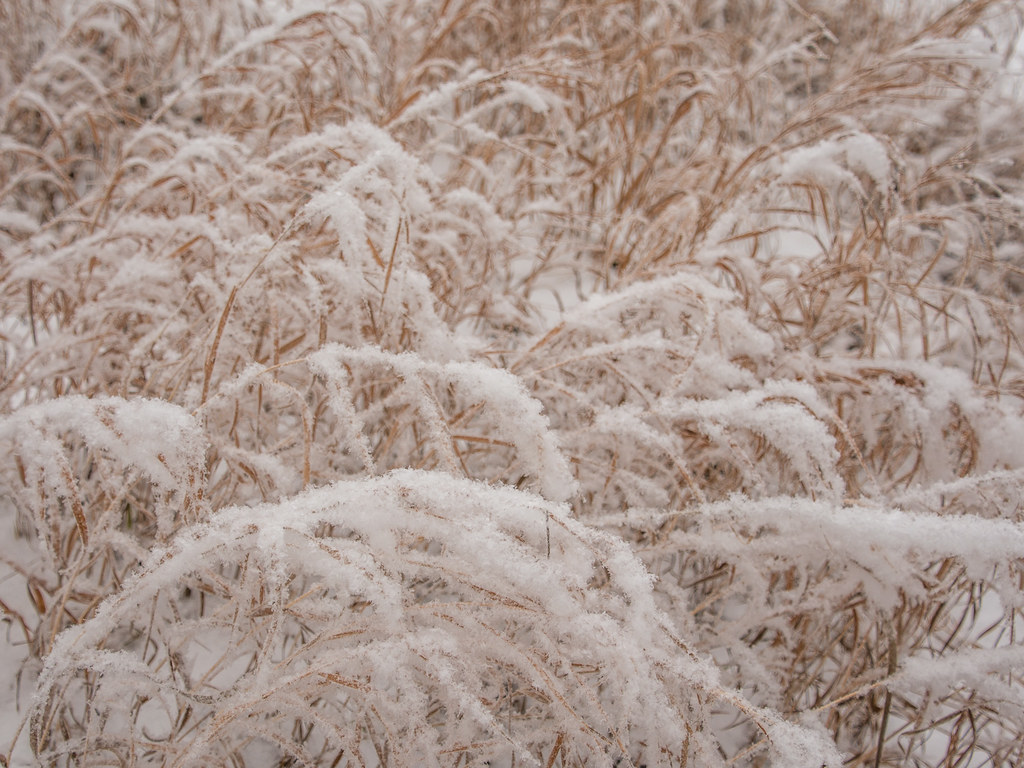
frost covered grass

Prairies 
What is the best approach to conserving prairies in the face of rapid climate change? Chris Helzer says, “We can’t afford to be so invested in current or past versions of our prairies that we don’t allow them to adapt to changing conditions. We’re hurtling into the future whether we like it or not. Let’s make sure we bring prairies along with us.” [Prairie Ecologist

Forest 
Grand Chief Stewart Phillip, president of the Union of BC Indian Chiefs; Arnold Bercov, past president of the Public and Private Workers of Canada; Torrance Coste, national campaign director for the Wilderness Committee; and Ben Parfitt, resource policy analyst, CCPA BC Office, outline the problems and possible solutions for a forest revolution in BC: “Perpetuating logging rates that anyone with an iota of common sense knew could not go on was guaranteed to have brutal consequences, including old-growth forests so fragmented from logging that they are no longer capable of supporting caribou and vibrant songbird populations; community watersheds where once-clean drinking water has turned to mud; drastically reduced or eradicated salmon stocks; and 41,000 direct jobs lost in the forest industry in just 20 years.” [The Tyee]
 
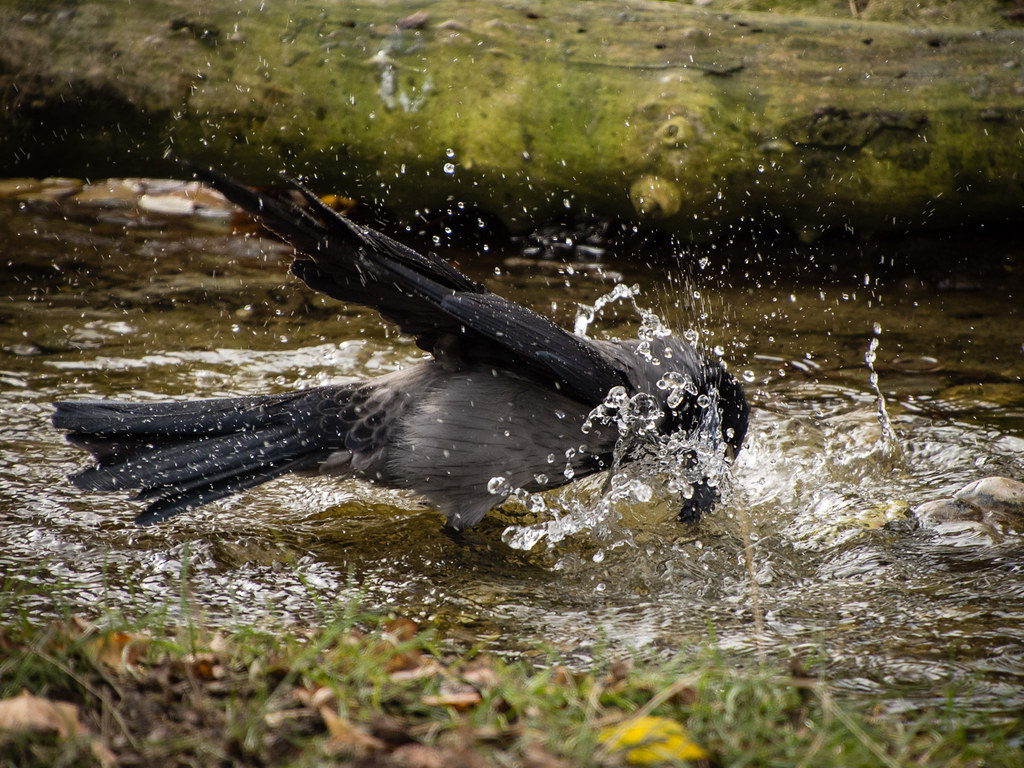
Hooded crow bathing

Sustainable Joy 
“A little daily crow therapy reminds me that other lives — every bit as ordinary and epic as mine — are being lived alongside mine … This is a sustainable joy, free, readily available to anyone, and consuming no natural resources … and it’s the kind of joy I’m trying to rely on more and more.” [The Urban Nature Enthusiast

Wild and wonderful – a 3-minute video about the unseen world of living microscopic plankton. [Vimeo

EcoFriendly Sask supports Saskatchewan environmental initiatives through an online publication, an events calendar, small grants, and the Nature Companion website/app. You can follow EcoFriendly Sask by liking us on Facebook, following us on Twitter, or subscribing by email (top right corner).

Thursday, 18 November 2021

Community Highlight: Saskatchewan Alliance for Water Sustainability


1. How and when did you form your group? 
The Saskatchewan Alliance for Water Sustainability (SAWS) is a grassroots, not-for-profit, volunteer organization made up of members from Last Mountain Lake Stewardship Group (LMLSG), the Calling Lakes Ecomuseum (CLEM), and other concerned citizens. 

The LMLSG was formed in 2002 to steward and monitor the health of Last Mountain Lake water while sustaining the resources for the communities that depend on them. 

CLEM is a grassroots arm of the United Nations and works very closely with the Regional Centre of Expertise on Education for Sustainable Development - Saskatchewan. CLEM believes in protecting the Qu’Appelle Valley’s Calling Lakes using the UN’s 17 goals for sustainable development. 

SAWS was formed on Oct 20, 2017, in response to the Saskatchewan Government giving the green light for the Quill Lakes Watershed Association #14 to drain highly saline water from the Kutawagan-Pel lakes area in the Quill Lakes basin into Last Mountain Lake without an environmental impact assessment. This project, called the Common Ground Drainage Channel Diversion Project (CGDCDP), was the first step in a much larger drainage project that would drain water from the Quill Lakes watershed, 200 kilometres north of Regina, into the Qu’Appelle lakes and river system and eventually into Manitoba, courtesy of the Assiniboine River. 

We have learned from the Universities of Regina and Saskatchewan that the transfer of salt-rich water from the Quill Lakes into Last Mountain Lake could have serious consequences for water quality in the Qu’Appelle River system. The additional salt and nutrients entering Last Mountain Lake would have a negative effect on fish and wildlife habitat, especially in the Last Mountain Lake National Wildlife Area, a federally protected Ramsar site. The proposed volume of water flowing downstream would cause erosion and high-water levels in the smaller lakes in the Lower Qu’Appelle watershed. Further, the chemical composition of salt in the Quill Lakes is far different from that in Last Mountain Lake and would present a contaminant to game fish in the Qu’Appelle lakes and a human health hazard. Without an environmental impact assessment, we will not know the damage until it is too late. 

2. What are your principal activities and why do you believe they’re important? 
We focus on creating awareness about wetlands and the negative impacts that drainage has without a wetland conservation policy. According to the Water Security Agency’s own reports, high water levels in the Quill Lakes are the result of high rain events and agricultural drainage. Despite committing to do so in 2017, the Agency has not closed any of the illegal drainage

Our goal is to work with others to implement long-term solutions for the Quill Lakes high water levels that will benefit all stakeholders and protect the environment. We focus on educating the public and stakeholders, creating a conversation, and advocating for sustainable water management and conservation. 

Our activities are important because people do not understand the importance of wetlands. Wetlands provide all kinds of benefits from flood and drought protection, to filtering contaminants and nutrients from our water, to providing habitat for fish and wildlife including pollinators, to fighting climate change. 

Our education and communication activities include: 
  • Hosting public meetings within our communities to inform residents of how wetland drainage contributes to the pollution of our lakes and rivers. 
  • Producing monthly newsletters that keeps residents up to date on our progress and current news. 
  • Promoting the development of a round table made up of all stakeholders, including scientists, to develop solutions for the Quill Lakes flooding. The Water Security Agency declined to establish one. 
  • Organizing meetings with the Water Security Agency and its Minister to present solutions and discuss WSA’s proposed plans on regulating agricultural drainage. 
  • Contacting provincial government officials and stakeholders requesting they develop a wetland policy for this province. 
  • Producing media releases and responding to interviews. 
  • Creating a SAWS website that provides a history of our communication documents and events. 
  • Maintaining a Facebook page to increase awareness that allows for public discussion. Posts include valuable facts and initiatives on how we can improve water quality, conserve wetlands and our natural environment, show the benefits of wetland protection, and provide news and invitations to webinars and other current events. 
  • Connecting with universities, scientists, and other non-profit groups. 
  • Attending and helping the Citizens Environmental Alliance organize its annual farmland drainage conferences and workshops. 

3. What have been your success to date? 
Our efforts supported the halting of the Quill Lakes Drainage Project without an environmental impact assessment. We gave our support to the judicial review application filed by the Pasqua First Nation (PFN) against the Minister of Environment and Quill Lakes Watershed Association. On January 22, 2018, the drainage plan was withdrawn and any future project cannot proceed without an environmental impact assessment unless PFN, LMLSG, CLEM, Saskatchewan Wildlife Federation, and the public are first notified and given the opportunity for a full written hearing. 

We have created a positive presence in our communities and have gained their interest and support in efforts to protect water and the environment. Our success is due to our grassroots approach of meeting with the communities, providing science from Saskatchewan universities, and being open and transparent about the process. 

4. What would you like to achieve in future? 
Saskatchewan is the only province in Canada that does not have a wetland conservation policy. This lack of regulation is negatively impacting our economy, our communities, and the environment. We would like to see a wetland conservation policy similar to Alberta or Manitoba’s adopted by summer 2022 that provides adequate mitigation when drainage occurs with negative impacts such as downstream flooding, nutrient loading that leads to algae blooms in our lakes, loss of habitat, and the loss of climate change resiliency. 

We would also like to see the Water Security Agency become much more transparent, notifying the public when and where they are licensing drainage projects and providing quality information and alerts for our lakes in an easy-to-use online format. 


5. If you could have 3 wishes for improving your community, what would they be? 
#1 Working together is our only hope for a sustainable future. Partnership is #17 of the United Nations’ goals of sustainable development. 

#2 A Saskatchewan Wetland Conservation Policy building the protection of wetlands into all developments including agriculture, municipalities, recreation, and industry will benefit all Saskatchewan residents. We need natural infrastructure like wetlands to build adaptation and resiliency and to ensure business and environmental success for this province (UN goal #13). 

#3 We need leadership from the Federal and Provincial governments on water management that is based on science and climate change data rather than politics. 

6. Are there volunteer opportunities with your organization? If so, please describe them and indicate how people can contact you. 
We welcome volunteers and ensure volunteer success by working to their strengths. We encourage those with the following skills to reach out to us - writers, artists, scientists, IT experts, and industry expertise (agriculture, potash, fishing etc.). We can be contacted at saskaws@gmail.com

Photo credits: LMLSG (water sampling on Last Mountain Lake), SAWS (boy playing), CLEM (PowWow Parade)

Edited to correct full title of SAWS and a few other details - late afternoon, November 18, 2021

See Also

EcoFriendly Sask supports Saskatchewan environmental initiatives through an online publication, an events calendar, small grants, and the Nature Companion website/app. You can follow EcoFriendly Sask by liking us on Facebook, following us on Twitter, or subscribing by email (top right corner).
Tuesday, 16 November 2021

EcoSask News, November 16, 2021

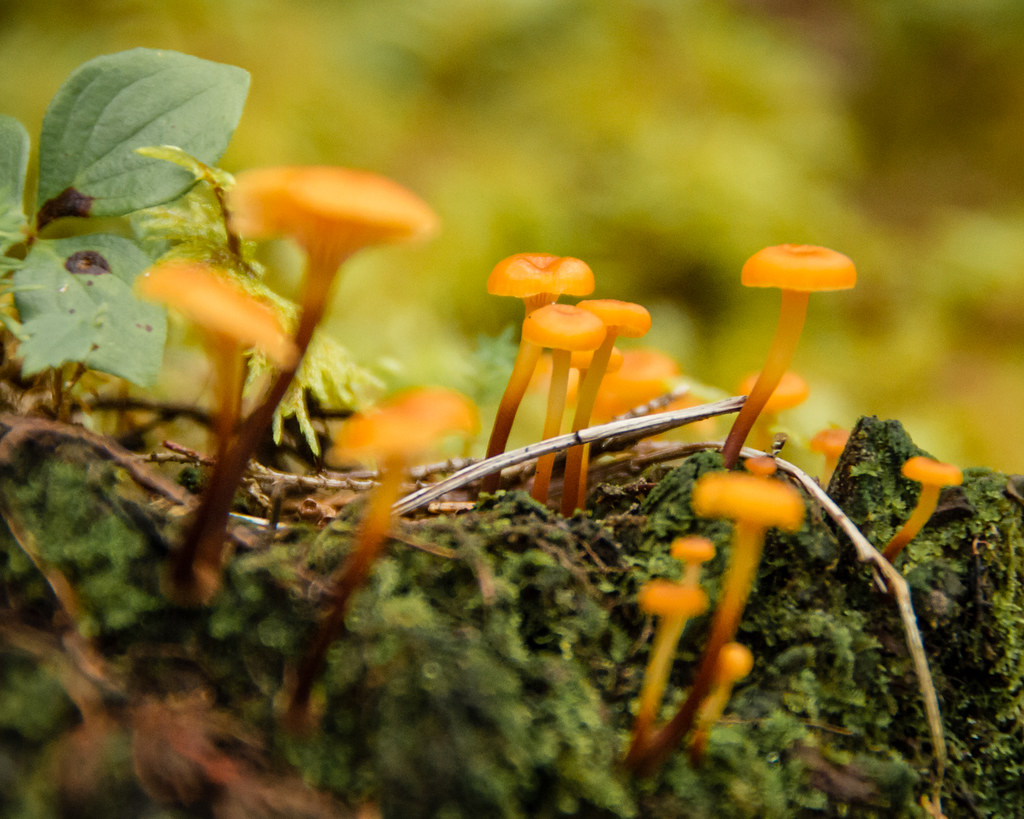
mushrooms

Upcoming Events 
CaféSci Saskatoon is hosting an online presentation on UNESCO Biosphere Reserves: Reconciling people and planet at 7:30 pm, Nov. 23. 

SK-PCAP is hosting a noon-hour webinar on prescribed fire as a conservation management tool on Nov. 30. 

Full details on all upcoming events can be found on the EcoFriendly Sask Calendar 

Climate Solutions 
“Research suggests that there are significant health and learning benefits for students attending green schools: schools that are built to last and fill classrooms with natural light and freshly-circulated air.” Find out more in this 13-minute video. [Sustainable Building Manitoba

New Las Vegas golf courses won’t be able to access municipal water. Golf courses in southern Nevada annually consume over 1400 times as much water as a residential home. [Las Vegas Review-Journal

Passive solar heating systems could supply enough heat for a third of the residential space in the United States. Skylights, for example, are an untapped resource. [Futurity

Washington, DC’s wastewater treatment plant describes itself as a resource recovery facility. “When recycled properly, poop can power your home, cook your food, fuel your car, and even stave off algae blooms and floods.” [Nautilus

Is there a case for sucking carbon out of the air? A long, in-depth article explores the pros and cons of this visionary proposal. Is it crucial to our long-term survival or simply a boondoggle to keep big oil in operation? [Mother Jones]
 
shelf fungus

We Can Do Better 
“Sharrows don’t make a road safer — there’s data that they are worse than doing nothing. Drivers don’t understand them. They extend no actual legal benefits to riders. Cities like to install them to seem like they’re doing something. In short, sharrows are bullshit.” [Peter Flax

“While governments play a role in certain policies, such as transit and urban planning, consumers can shop their way out of a warming climate … Just make everything last longer and buy less." [CBC]
 
fungus

Mushrooms are Magic 
“All mushrooms are magic … It’s time to say their name by acknowledging them all around - from the dinner table to international conservation policies - and including them in our conception of ecosystems that need to be cherished and protected. Say it with me: the world is inhabited by fauna, flora and funga.” [The Guardian

For more information about the all-important presence of fungi in our lives, check out the article we posted last December. [EcoFriendly Sask

EcoFriendly Sask supports Saskatchewan environmental initiatives through an online publication, an events calendar, small grants, and the Nature Companion website/app. You can follow EcoFriendly Sask by liking us on Facebook, following us on Twitter, or subscribing by email (top right corner).