Showing posts with label Recreation. Show all posts

Tuesday, 8 June 2021

EcoSask News, June 8, 2021

Choke Cherry flowers

This Week’s Highlights 
What impact does mountain biking have on wildlife? How can parks managers reconcile their dual mandate of nature conservation and human recreation? 

Wascana Junior Naturalists is hosting nature programming for kids in Regina every Saturday from June 19-Aug. 21 from 9-10 am. 

Upcoming Events 
Nature Conservancy of Canada is presenting a webinar with 10 stories of Canadian wildlife recovery and why they matter at 12:30 pm, June 10. 

Regina Public Library is offering a virtual series of short talks with artists with environmental elements to their practices at 7:30 pm, June 15. 

As part of this year’s Spring Meet, Nature Saskatchewan is hosting a variety of online activities, including Nature Trivia on June 15, a presentation on Leave-No-Trace outdoor cooking on June 16, a photo/video sharing session on June 17, and an AGM at 7 pm, June 21. 

The Provincial Association of Resort Communities of Saskatchewan is hosting a virtual panel discussion on waterways, wetlands, and stewardship at 7 pm, June 16. 

SK-PCAP is hosting a native plant Id and quiz webinar at noon, June 16, as part of Native Prairie Appreciation Week. 

Partners FOR the Saskatchewan River Basin is hosting an online annual general meeting at noon, June 16. 

SK-PCAP is hosting a webinar on Stewards of Saskatchewan: prairie species at risk at noon, June 16, as part of Native Prairie Appreciation Week.
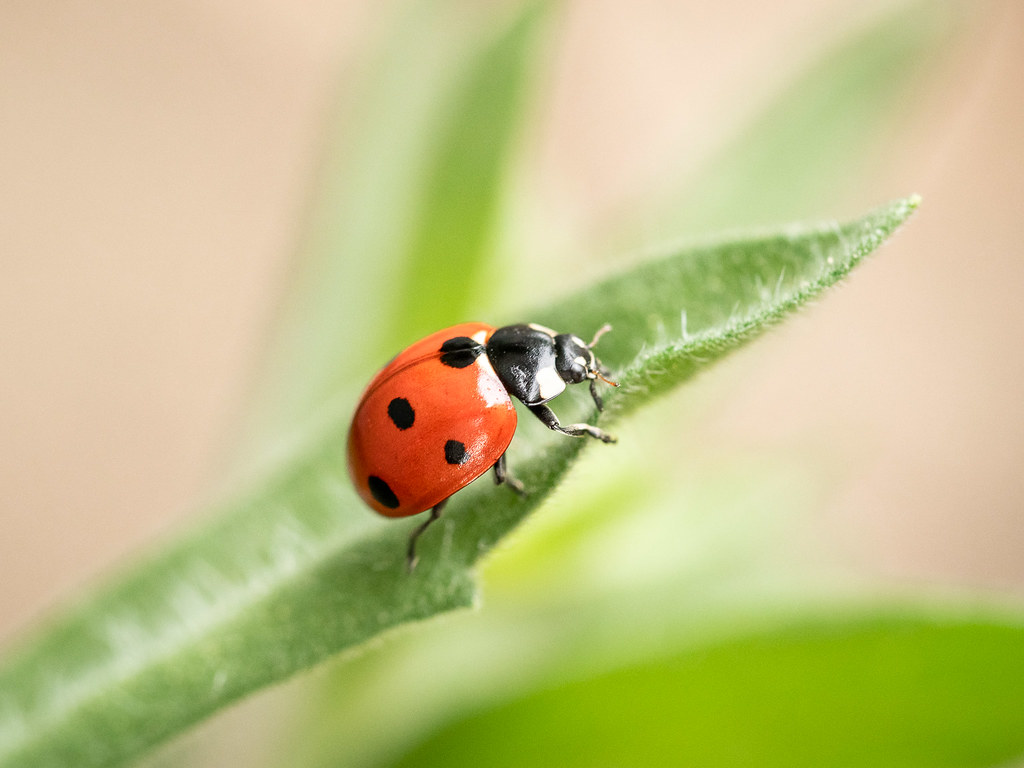
 
Ladybug

Local News 
Ron Jensen will be banding ruby-throated hummingbirds at Beaver Creek Conservation Area. The hummingbird feeders were donated by Wild Birds Unlimited.

Living Sky Wildlife Rehabilitation Centre has gathered 3,000 signatures, calling on the City of Saskatoon to ban the use of neurotoxins on pigeons. 

Let’s Get Practical 
Canada Greener Homes Grants – who is eligible, what they cover, drawbacks, and how to get the most bang for your buck. 

Should you replace a used car with an EV? That depends on how many miles you’ll put on it and on how electricity is produced in your area. 

Art & Nature 
“Cities around the world should identify, protect and make accessible places in nature that are dedicated to silence in the outer sense and stillness in the inner sense.” 

An online photography exhibit explores 3 themes: Incredible Wildlife, Wildlife in Crisis, and Reasons for Hope. 

The arts can help solve the climate crisis by telling stories that persuade people to “fall in love with nature again” and prompt government to back green policies. 

Success Stories 
Toronto’s TD Centre is undertaking North America’s largest bird-safe building retrofit by installing bird collision deterrent markers on glass. 

People are more likely to install solar panels if their neighbours have already done so. 

A 5-storey residence at Red Deer College is covered in solar glass cladding on 3 sides. 


Did you know?
Bears pull chokecherry to the ground and tear its branches apart in their eagerness to eat the fruit (Nature Companion, a free nature app, downloadable directly from its website) 

EcoFriendly Sask supports Saskatchewan environmental initiatives through an online publication, an events calendar, small grants, and the Nature Companion website/app. You can follow EcoFriendly Sask by liking us on Facebook, following us on Twitter, or subscribe by email (top right corner).

Wednesday, 18 March 2020

Finding the Wild in the City

Red-winged blackbird

Evolution of Urban Parks
“Urban parks systems play a critical role in achieving the objectives of the following public sectors: Culture; recreation; community development; heritage; economic development; health and wellness; natural environment; education; and transportation.”

Richard Louv coined the term “nature-deficit disorder” to describe the problems that arise when humans lose contact with nature. Louv says that nature awakens our senses, improving our memory, attention span, and productivity. It can relieve depression and improve physical and psychological well-being. It brings families and communities together.

Over 64% of Saskatchewan residents live in cities. As a result, there is a growing need to provide urban residents with opportunities to experience nature within city limits. There is a parallel need to protect the natural world, which is under increasing pressure with rapidly declining populations of plants, insects, birds, mammals, and other wildlife. Urban parks play an important role in addressing both these needs.

Recreation versus Nature
“Structured recreation, including organized sport, is often synonymous with the image of North American parks.”

The first urban parks, built between 1805 and 1900, were large natural areas on the outskirts of cities and were designed to provide a safe, pastoral landscape. Over time, parks moved into urban residential areas with an increased emphasis on recreation and social integration. There was less emphasis on nature: a stadium with a parking lot or a plaza could be described as a park.

Nowadays, municipal planners strive to address multiple, often competing, purposes when planning urban parks by attempting to provide ball fields and soccer courts as well as nature trails and forested areas.

The City of Saskatoon’s website states that approximately 12% of the city's parks landscape inventory is managed as a naturalized area, whose purpose is to “diversify and enhance the landscape leading to increased biodiversity in Saskatoon as well as provide an urban refuge for various forms of life.” 

These naturalized areas are increasingly popular with city dwellers who come to parks to relax, enjoy the bird song, or delight in the sight of a beaver beside the river. A recent report studied how people connected with nature and found that 95% of the most meaningful experiences involved “wildness” – e.g. following a nature trail or spotting wildlife. Wilder urban areas benefit wildlife and native plants as well, providing nesting areas for waterfowl and other birds as well as pollen for bees and other insects.

Problems arise, however, when municipalities, in an effort to provide all things to all people, cram multiple different activities into designated park areas. Saskatoon’s Lakewood Park is a perfect example of this dilemma.

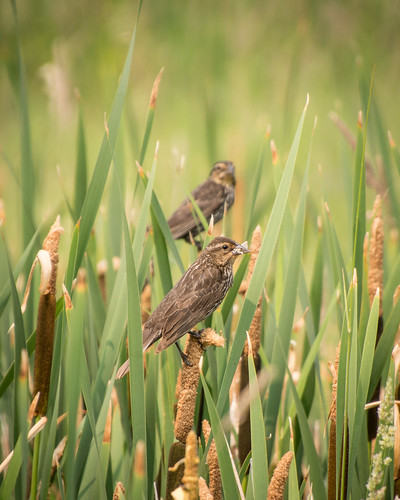
red-winged blackbird (female)

Saskatoon’s Lakewood Park
“Since 2012, 106 species of birds have been observed at Lakewood Park.”

Saskatoon’s Lakewood Park is a busy place. It contains a skateboard park, ball diamonds, soccer pitch, and BMX course in addition to the civic leisure centre and tennis dome.

As Saskatoon’s first naturalized park, it is also home to naturalized wastewater retention ponds and tall grass areas. A knowledgeable local birder says that “Lakewood Park, with a mix of ponds, marsh, tall grass, shrubs, and trees provides varied habitat supporting breeding and migratory birds. Since 2012, 106 species of birds have been observed at Lakewood Park by local naturalists.” The Saskatoon Nature Society frequently organizes bird walks in the park.

The future of this small slice of urban wilderness appears threatened by plans to enlarge the BMX track. The expanded track will run very close to the wetland areas and there will be expanded seating. Both noise and light pollution will increase. All these factors will affect not only the local bird population but also residents who come to the park to relax and enjoy nature.

Moira Moser, Naturalized Parks Supervisor, City of Saskatoon, says that the impact on the wildlife in the park has been considered, that construction will take place outside of breeding season, and that any trees or shrubs that need to be removed will be replaced.

But is that good enough? Are the demands of active recreation users outweighing the needs of residents who desire a wilderness experience, even in the heart of the city? And has there been adequate consultation? One local resident was particularly concerned about the limited information and feedback opportunities provided in her neighbourhood.

If you are eager to protect and expand the naturalized areas in the heart of your community, write a letter to your City Council or Councillor (Lloydminster, Moose Jaw, North Battleford, Prince Albert, Regina, Saskatoon, Swift Current, Yorkton).

Notes 
Information about Lakewood Park was provided by Moira Moser, Natural Parks Supervisor, City of Saskatoon.

Information about the birds in Lakewood Park was provided by John Patterson, Saskatoon Nature Society.

Thursday, 2 November 2017

Taking Steps to Reduce Waste in Saskatchewan


A school, a youth club, and a community are doing their best to reduce waste in Saskatchewan, with a little help from an EcoFriendly Action Grant.

Boys & Girls Club of Yorkton 
The staff at the Boys & Girls Club of Yorkton are passionate about making a difference and in fostering that passion in children and youth as they grow. With over 15,000 visits to the club each year, Program Manager Erin Roussin saw an opportunity to incorporate environmental education into their summer program, which includes week-long day camps for 5-12 year olds and drop-in evening programs for middle-years youth and teens.

The Club received a $500 EcoFriendly Action Grant to educate the children and youth on reducing, re-using, and recycling and the difference this will make to the environment. In addition to immediate efforts at waste reduction, Erin believes the project will have a long-term impact: “Children and youth being educated on important topics will carry on with them through life as they will have the knowledge and tools needed to make a difference.”


The program ran for 9 weeks over the summer and included:
  • The purchase of 3 sets of stacking recycle bins to encourage recycling of a variety of materials; 
  • The purchase of recycle bags for bagging up items for pick-up; 
  • Entries into a draw for prizes every time a student brought a litterless lunch (no waste/Ziploc bags); 
  • Crafts using only recycled items; 
  • An outdoor garbage clean-up; and 
  • Talks about topics such as reducing water usage, recycling, and the impact we can all have on our environment. 

There's no waste in this lunch bag!

Blaine Lake Composite School 
Blaine Lake Composite School is initiating a daily full breakfast program. In order to reduce waste, they received a $500 EcoFriendly Action Grant to purchase non-disposable cutlery and an environmentally friendly dishwasher.

They plan to minimize food waste and environmental impact through careful meal planning with the students in their Commercial Cooking classes, by sourcing local ingredients whenever possible, and by only using reusable dishes and utensils. They will recycle all applicable materials.


Odessa Recreation Association 
Odessa is a small community of 250 people southeast of Regina. They were already recycling paper, but their active volunteer base identified a need for additional recycling bins so that they could recycle cans and plastic as well.

The Odessa Recreation Association received a $500 EcoFriendly Action grant to purchase recycling bins. They’ll be located at the rink during the winter and will be moved to the community centre in the summer. They’ll also be made available at the annual truck and tractor pull, which is a community fundraiser.

Photos: Boys and Girls Club of Yorkton


Thursday, 2 March 2017

All-Season Outdoor Recreation: Waskawîhew Trails, Buffalo Narrows


The Buffalo Narrows Ski Club received a $500 EcoFriendly Action Grant in 2016. They reported back on their project. 

The Buffalo Narrows Ski Club maintains a 13km network of trails on the outskirts of town named the Waskawîhew Trails (Waskawîhew means to move oneself with his or her own body in Cree). The trails are used daily throughout winter for recreational, club, and school skiers. In the summer they are used for running, cycling, and hiking.

There was a short wetland crossing with a small amount of flow that couldn’t be avoided during the construction of the trails. This crossing posed a barrier for people accessing the trails beyond that point (beyond the hardiest individuals who didn’t mind getting a bit wet). With the generous support of EcoFriendly Sask the club built a culvert bridge crossing, which was pre-approved by SERM.


This new crossing has significantly improved the trail experience and opened up many more areas for spring through fall use. Indeed, we have seen at least double the number of pedestrians making use of the trails this fall.

As a result of this trail improvement, the Club was also able to host the first ever cross-country running race on the Waskawîhew Trails and the first in Buffalo Narrows in over a decade. Over 130 elementary and high school students competed in distances ranging from 2km to 6km in early October. This was a stepping stone towards possibly hosting the regional championships next year prior to provincials. Our community is very grateful for your support!

EcoFriendly Action Grants support local projects that will reduce or prevent damage to the environment.


Tuesday, 20 December 2016

EcoSask News, December 20, 2016

snowy sunrise

Upcoming Events
Saskatoon Nature Society Field Trips
Jan. 7, 9 am-10:30 am – Sanatorium Site Bird Walk
Jan. 14, 9 am-4 pm – Snowy Owl Count
Check the Saskatoon Nature Society’s website for full details and updated information.

Wascana Junior Naturalists (Regina)
The Spring session of the Wascana Junior Naturalist Program is open to children ages 9-13.

Project Wet, Mar. 4 (Regina)
Help kids appreciate water by taking the Project Wet instructional course being offered by SaskOutdoors on Mar. 4 in Regina.

A full list of upcoming events can be found on the EcoFriendly Sask Calendar

Exploring the Urban Landscape (Saskatoon)
Jane’s Walk Saskatoon is looking for volunteers to help with next year’s event.

Christmas Wrapping Paper (Regina)
The City of Regina won’t recycle Christmas wrapping paper this year, but Crown Shred & Recycling will. Material will be accepted free of charge as long as it’s accompanied by a donation for the Regina Food Bank.

Here are some suggestions for eco-friendly gift wrap.

snowy sunrise

Outdoor Fun
Looking for ideas for what to do during the holidays? Check out our list of Outdoor Winter Explorations in Saskatchewan.

Canadian Health Care Going Green
The Children’s Health Centre in Hamilton has achieved LEED Gold certification: 32% of construction material used recycled content, 86% of construction and demolition waste was diverted from landfill, and 45% of construction materials were sourced or manufactured within 800 km of the project, or within 2400 km if shipped by water.

North Bay Regional Health Centre has brought recycling bins to patient rooms.

The Princess Margaret Cancer Research Tower has achieved significant energy savings by switching the laboratory exhaust system from constant speed to demand controlled.

EcoSask News is a weekly round-up of local news and events. Email us if you have items you would like us to include. 

You can follow EcoFriendly Sask by liking us on Facebook, following us on Twitter, or by email (top right corner).

Merry Christmas and Happy New Year!

Tuesday, 30 August 2016

EcoSask News, August 30, 2016

Prairie blazing star

Coming Soon
Support Meewasin, Sept. 10 (Saskatoon)
Keep Meewasin Vital and the Broadway District Block Party 6 are hosting a Slow Roll at 10 am, Sept. 10. The Saskatoon Road Runners Association is organizing a fun run to show their support. What a great opportunity to get active and support the Meewasin Valley Authority.

Curbside Swap, Sept. 10 (Saskatoon)
Have clean, usable household items to give away? Want free stuff? Swap it at Saskatoon’s second annual city-wide Curbside Swap on Sept. 10.

EcoFriendly Sask Happy Hour, Sept. 14 (Saskatoon)
If you or your organization has received an Action Grant, been profiled on our website, or is a long-time friend of EcoFriendly Sask, please join us in celebrating our 5th birthday at the EcoFriendly Sask Happy Hour on Sept. 14. RSVP by Sept. 9.

Edenwold Fence Pull, Sept. 17 (SK)
Help pull old fencing at Nature Conservancy of Canada’s Edenwold property on Sept. 17.

Nature Grandparenting, Sept. 21-Oct. 26 (Saskatoon)
Grandparents and their 3-5 year old grandchildren are invited to participate in SaskOutdoor’s intergenerational nature program in Saskatoon on Wednesday mornings from Sept. 21 to Oct. 26 (at 9:15 or 10:30 am).

Prairie blazing star

Looking Ahead
Nature Saskatchewan Fall Meet, Sept. 30-Oct. 2 (Saskatoon)
Take part in Wanuskewin, Peregrine Falcon, Whooping Crane, and Saw-whet Owl field trips and a talk by Brian Johns on “The Secret Life of Whooping Cranes Past, Present and Future” at Nature Saskatchewan’s Fall Meet, Sept. 30-Oct. 2, in Saskatoon.

Canadian Heritage Rivers Conference, Oct. 16-19 (Saskatoon)
Don’t miss the Canadian Heritage Rivers conference in Saskatoon from Oct. 16-19. The conference will explore how rivers have shaped our culture, history, science, and everyday lives in Saskatchewan and our collective Canadian identity across the country.

A full list of upcoming events can be found on the EcoFriendly Sask Calendar 

Great Waters Challenge
EcoFriendly Sask is proud to be a Network Partner for the Great Waters Challenge, an online participative game for youth under 30 to uncover water stories in their communities and share with a broader audience.


Sustainable Kids’ Camps
Three University of Saskatchewan summer camps went green this year. The Museum of Antiquities' Ancient and Medieval Adventures Camp received top honours from the University’s Office of Sustainability for reducing waste, reusing water bottles and activity supplies, and recycling. 

The AgBio Discovery Camp organized several sustainability-related outings, while the Children’s Activity Camp focused on waste reduction, including a waste-free lunch policy.

Changing Migration Patterns
Climate change and human barriers affect migrating wildlife. “By presenting the data with a flow map,” Majka says, “we're able to easily see large-scale patterns like the importance of the Appalachian spine and Rocky Mountains for allowing species to move up in elevation and up on latitude toward cooler climates.” 

EcoSask News is a weekly round-up of local news and events. Email us if you have items you would like us to include. 

You can follow EcoFriendly Sask by liking us on Facebook, following us on Twitter, or by email (top right corner).

Thursday, 7 January 2016

Melfort Cross-Country Ski Trails


The Melfort Cross-Country Ski Club maintains the Gronlid Trails in Fort à la Corne Provincial Forest. There are 20 kilometers of beginner and intermediate trails with warm-up shelters, washrooms, and parking.

The trails were badly damaged by ATVs in 2015, and the Club requested an EcoFriendly Action Grant to help them repair the trails. The Club received permission from the government to reseed and mulch the trails, using the grant money to purchase the mulch. They posted No ATV signs at entrances to the trails and were pleased with the response. Less ATV traffic helped the grass to get started in the sandier areas.

In addition, the Melfort Cross-Country Ski Club, in conjunction with the Tisdale Running Club, held a run on August 30 to raise awareness of the trails and draw attention to the problems caused by quads. 120 racers made the Wapiti Bush Run the second largest bush run in Saskatchewan.


In the past, the Club has had to wait for a significant amount of snow to fall before they could set track on the trails as they needed at least a foot of snow to simply fill the ruts left by the ATVs. This year, they were able to set track with only 10 inches of snow.

ATVs can cause significant environmental damage and this is a problem in many areas of Saskatchewan. Trevor Herriot provides additional information in More on prairie trails: unregulated ATVs and unmanaged access.

Tuesday, 26 May 2015

EcoSask News, May 26, 2015

busy bee
Events
Green Drinks Saskatoon, May 29
Green Drinks Saskatoon is meeting at 5:30 pm, May 29, at The Woods Alehouse as part of NatureCity Festival.

Green Drinks Regina, June 4
Green Drinks Regina, at 6 pm, June 4, will offer a preview of the upcoming Saskatchewan Solar Tour and the Saskatchewan Environmental Society’s Climate Friendly Zone campaign.

Richard St. Barbe Baker Afforestation Area Clean-up, June 6
Montgomery Place Community Association is holding a clean-up of the Richard St. Barbe Baker Afforestation Area from 9 am - 3 pm, June 6. Additional information is available on the EcoFriendly Sask Calendar or by contacting Trish Schmidt.

Saskatchewan Solar Tour, June 20
This year’s Saskatchewan Solar Tour of working examples of solar technology will be held on June 20. The morning tour will visit sites in Regina. The afternoon tour will visit sites in Lumsden, Aylesbury, and Craik.

Leave No Trace Master Educator Course, July 30-Aug 3
SaskOutdoors is offering a Leave No Trace Master Educator course from July 30 to August 3 in Meadow Lake Provincial Park.

Advanced Wilderness First Aid, Aug. 21-24
SaskOutdoors is offering an Advanced Wilderness and Remote First Aid course from Aug. 21-24.


Field Trips
Golden Eagles
June 4, 7:30 am – Kernen Prairie
June 11, 7:30 am – MacDowall and Nesbit Forest Area

Other Nature Society Field Trips
May 31, 1:30-4:30 pm – Butterflies I
June 6, 2-10 pm – Sparrow and Marsh Birds Field Trip
June 13, 8 am – 5 pm – Tiger Hills Upland Field Trip
June 14, 1:30-4:30 pm – Butterflies II

Check the Saskatoon Nature Society’s website for full details (e.g. some trips require rubber boots, others will be cancelled if the weather is bad).

A full list of upcoming events can be found on the EcoFriendly Sask Calendar. 

News
Garden Patch Goes Solar
The Saskatoon Food Bank and Learning Centre’s Garden Patch now has a solar-powered office thanks to City of Saskatoon and Brent Veitch, Rock Paper Sun.


Did you know?
Climate Friendly Zone Saskatchewan is on Facebook and Twitter

Stay in touch with Wascana Marsh’s turtles on the Royal Saskatchewan Museum’s blog

The Canadian Council on Renewable Electricity has been formed to promote increased development of Canada’s renewable energy resources

The Prince Albert chapter of the Council of Canadians is calling for a ban on bottled water sales at the city’s arenas and other public facilities

EcoSask News is a weekly round-up of local news and events. Email us if you have items you would like us to include. 

You can follow EcoFriendly Sask by liking us on Facebook, following us on Twitter, or by email (top right corner).

Tuesday, 19 May 2015

EcoSask News, May 19, 2015

White pelicans

Events
NatureCity Festival
The third annual NatureCity Festival kicks off on Saturday, May 23, at the Saskatoon Farmers’ Market. There are over 40 different events from May 23-29 as well as a school program and specialist workshops. Check the NatureCity Festival Calendar for full details.


Lend a Hand for Nature – NCC Volunteer Opportunities
Volunteer at a National Conservancy of Canada volunteer event or take the pledge to complete activities of your choice on your own schedule. The first Saskatchewan volunteer event is in Edenwold on May 29.

Wascana Turtle Project, May 30 (Regina)
Join Kelsey Marchand, University of Regina, at the Wings Over Wascana Nature Festival on May 30, for a discussion on how she’ll be tracking the Western Painted Turtles in Wascana Marsh (PCAP-SK speaker series).

Regional Plan Open House, June 2 & 3
Partnership For Growth is hosting two open house events from 4-8 pm, June 2 and 3, to introduce the Regional Plan, which is designed to provide a more coordinated approach to regional planning and servicing.

The plan will cover the physical, social, and economic circumstances for the Saskatoon region and will have a significant impact on the natural environment.

Chaplin Lake Shorebird Festival, June 5 & 6
Take a tour or attend a fundraising dinner for the Chaplin Lake Nature Centre on June 5 and 6.

Check out the great photographs of birds at Chaplin Lake on Robin and Arlene Karpan's photo blog.

Taste the Rewards: Permaculture Workshop Series, June 13 & 17
Mark McLaughlin from Timber Timber is offering a permaculture workshop series designed to build the capacity of Saskatoon’s permaculture community. The workshops will be held at The Hollows from 11 am to 1:30 pm on June 13 and 27 and include lunch. Early bird deadline is May 31.

A full list of upcoming events can be found on the EcoFriendly Sask Calendar.


News
Climate Friendly Zone
Make a personal commitment to reducing greenhouse gas emissions by signing up for the Saskatchewan Environmental Society’s Climate Friendly Zone campaign.

Saskatoon Seed Library
The Saskatoon Seed Library is starting up this year at the Saskatoon Food Bank’s Garden Patch.

SaskHiker
The SaskHiker website lists hikes and outdoor adventures in all corners of the province. There are directions, background information, and tips.

EcoSask News is a weekly round-up of local news and events. Email us if you have items you would like us to include. 

You can follow EcoFriendly Sask by liking us on Facebook, following us on Twitter, or by email (top right corner).

Tuesday, 16 December 2014

EcoSask News, December 16, 2014

Untitled

Events
Permasask Potlucks 
Join Permasask at one of their upcoming potlucks and meetings:
Dec. 18 – potluck and holiday/solstice celebration
Jan. 22 – Candace Savage talking about Wild About Saskatoon
Feb. 19 – Paul Hanley discussing his latest book, Eleven

Native Plant Society AGM, Feb. 6-7
The Native Plant Society of Saskatchewan is hosting its 20th annual meeting and conference in Saskatoon on February 6 and 7. The keynote speaker will be Aimee Hurt from Working Dogs for Conservation, a Montana-based non-profit organization that uses detector dogs to survey for plant and animal species.

Cross-Country Ski Loppet, Feb. 27-Mar. 1
Join SaskOutdoors and the Kamsack Ski Club for their annual cross-country ski loppet at Duck Mountain, Feb. 27-Mar. 1.

Untitled Local News
Community-Based Watershed Planning
Over the last several years, the local community around Pike Lake has been working on a watershed planning initiative to identify and address issues related to their local watershed. Stakeholders involved include local cottage owners and farmers, the Rural Municipality of Vanscoy, Pike Lake Provincial Park, Water Security Agency, and other interest groups.

The stakeholders have identified the main issues affecting their local watershed and some key management actions required to address these issues. They are now developing a plan.

If your community is interested in addressing local source water protection issues, contact Renny Grilz at South Saskatchewan River Water Stewards for more information.

Environmental Film Festival 
The Saskatchewan Eco Network has started planning their 10th annual film festival to be held in April or May 2015. They’re looking for ideas, volunteers, and donations in order to make this the best film festival ever.

Ness Creek Waste Reduction
Ness Creek Festival, in conjunction with the U of S School of Environment and Sustainability, conducted a waste audit for the 2014 festival to provide public education and baseline data for future sustainability initiatives. A team of 35 volunteers, coordinated by Master’s student, Kelly Richardson, attended the festival, making it one of the cleanest festivals to date.

Future Proof Your Home
The second edition of How to Future Proof Your Home by Shane Wolfe is now available electronically. The second edition contains 30% new information with plenty of information about building passive houses.

GOT Parks
The Canadian Parks Council has established Get Out To Parks to encourage young people to enjoy our parks. You can follow them on Facebook and Twitter.

EcoSask News is a weekly round-up of local news and events. Email us if you have items you would like us to include. Additional upcoming events can be found on our Calendar.

You can follow EcoFriendly Sask by liking us on Facebook, following us on Twitter, or by email (top right corner).

Tuesday, 16 September 2014

EcoSask News, September 16, 2014

sunrise and geese

Events
Heritage Tomato Seeds, Sept. 18
Join Permasask and the local heritage tomato seed savers on Thursday, Sept. 18 from 6-8 pm for a potluck supper and seed saving workshop.

Field Trips
Young Naturalists
Sept. 28, 9:30 am – 12:30 pm – Sandhill Crane Field Trip (space is limited; register in advance)

Golden Eagles
Sept. 25, 8 am – Birding at St. Volodymyr Church Park
Oct. 2, 9 am – Birding & Petrofka Bridge Orchard

Other Nature Society Field Trips
Sept. 27, 8:30-10 am – Cosmopolitan Park Bird Walk
Sept. 27, 1:30-9 pm – Outlook District Crane & Goose Trip

Check the Saskatoon Nature Society’s website for full details (e.g. some trips require rubber boots, others will be cancelled if the weather is bad).


News
Eleven, Paul Hanley
Paul Hanley’s new book, Eleven, is now available for purchase. Contact Paul directly to make arrangements (978-4797, paulhanley@sasktel.net). Paul is also interested in speaking to groups and organizations.

In Eleven, Paul argues that the forces eroding the present social-ecological order are also preparing humanity for a cultural transformation that will make a resilient world of 11 billion possible.

Redberry Lake Discovery Trail
The Redberry Lake Discovery Trail, supported by a $5,000 grant from EcoFriendly Sask, is now open. The 2.2 km. trail, designed by the Redberry Lake Biosphere Reserve, includes stations which explain things like how to make an Insect Hotel, which creatures call a rock garden home, and how to make a nest box.


Local Myths
Two news stories got a lot of attention this past week. Here's some background information.

Myth #1: Wolves are a Problem
The province is offering 100 new licenses to kill wolves in response to an alleged increased number of livestock kills. Wolves are an invaluable part of the environment as the video, How Wolves Make Rivers, demonstrates. And anyway, wolves aren’t the real problem:

“if livestock is your business, you've got a lot of problems, but wolves aren't even close to one of them. Remember that wolves killed roughly 8,100 head of cattle in 2010. The USDA's National Agriculture Statistics Service estimates that 1,055,000 head of cattle were felled by respiratory problems in that same year. Over a million. Digestive problems took out another half a million head. And let's not pretend the inhumane manner in which agribusiness raises cattle didn't have something to do with that. Write off another 500,000 each to the weather and various problems with calving. Hell, just flat-out cattle rustling accounted for nearly twice as many lost head of cattle as wolves. Predators are only 5.5 percent of total cattle losses, and wolves are only 0.23 percent of the total.” (Stop Shooting Wolves, You Maniacs)

“I spoke with an Idaho biologist who has worked with both the FWS and the wolf reintroduction program. He argues that human populations continue to ‘overuse’ hunting in the name of sport and this has reduced deer and elk populations, not just in Idaho, but in the Great Lakes and Alaska. The result? Wolves have been forced to look elsewhere for food and sustenance. This results in cattle being attacked because the regular food chain has been disrupted. Hunting wolves won't stop this problem unless all the wolves are killed.” (Heed the Call of the Wild: Don’t Cull the Wolf)

Myth #2: Glass is Recycled in SK
If you’re like me, you’ve been carefully washing used glass jars and setting them aside for recycling. Because that’s what the City told us to do. However, this week we learned that a lot of the glass gets broken and has to be sent to the landfill. The glass jars that aren’t broken are carefully set aside at the landfill for possible future recycling. This is what happens in Regina as well.

“Better than half of the glass that comes into the [Loraas] company's Saskatoon facility ends up shattered and buried in its landfill north of the city. The balance of the unbroken glass is stored in a makeshift pile at the same landfill for future recycling.” (CBC News)

Unfortunately, glass is cheap to make (“recycling glass is only 33 per cent more energy-efficient than making glass from scratch”) and recycling rates are low, even in Alberta, which has three end-markets for recycled glass.

EcoSask News is a weekly round-up of local news and events. Email us if you have items you would like us to include. Additional upcoming events can be found on our Calendar. 

You can follow EcoFriendly Sask by liking us on Facebook, following us on Twitter, or by email (top right corner).