Thursday, 3 February 2022

An End and a New Beginning

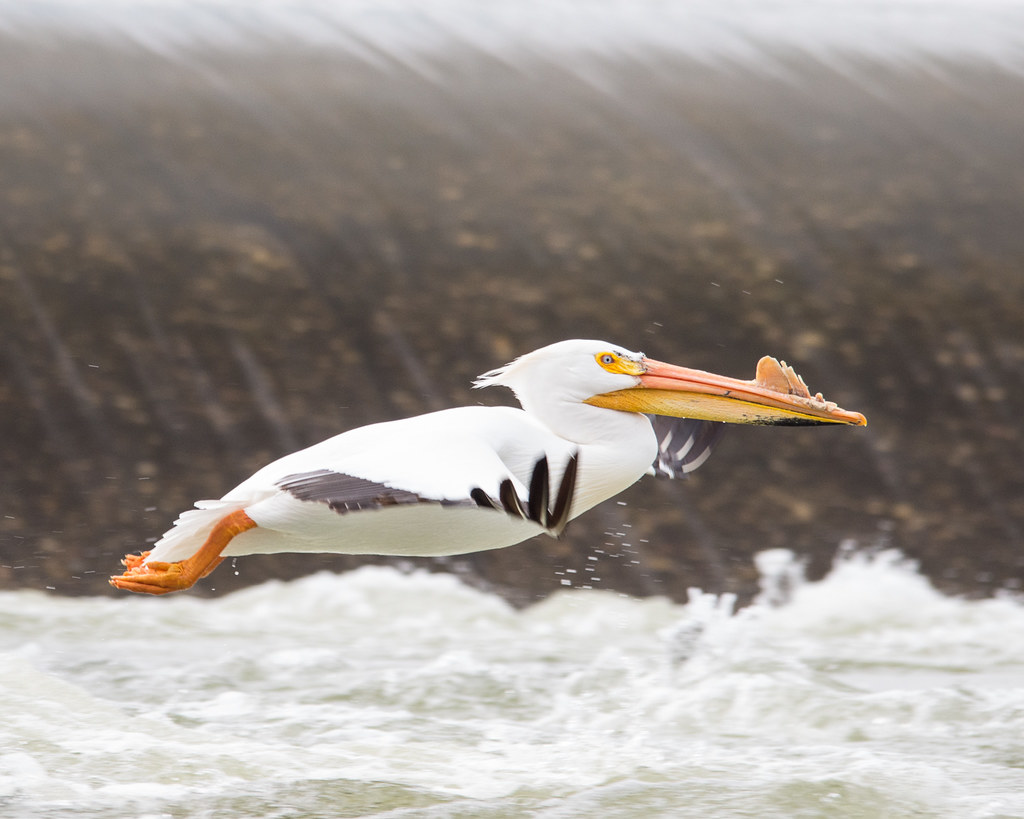
White pelican

EcoFriendly Sask celebrated its 10th anniversary in July 2021. Ten years sounds like a long time, but it went by in a flash. 

How It Began 
Andrew McKinlay is a runner, nature photographer, and co-owner of a software company. He’d lived in Saskatoon, Saskatchewan, all his life and had a deep and abiding love for the Prairies – the grasses and birds, the lakes and rivers, and wildlife. He wanted to help protect the land and its wild inhabitants and believed one way he could make a contribution would be by sharing information through an online publication. The goal was to break down silos and make connections so that people who cared about solar energy or wind power were also familiar with issues affecting wetlands and birds. He invited his sister, Penny McKinlay, to join him in this adventure as she was a reader, writer, and fellow nature-lover. 

What We Did 
We started out by covering Saskatoon events and news stories but quickly realized that we needed to expand our reach to the province as a whole. In addition to a weekly news and events update, we published profiles of individuals, organizations, and activities. The EcoFriendly Sask Calendar shared events from across the province – from outdoor education programs to birding trips to speakers on energy management. We published lists of organizations and volunteer opportunities, Saskatchewan nature books, and seasonal outdoor adventures. 

In 2012, we began offering small grants to support local environmental projects. There was such a wide range of projects – from a teacher who wanted to offer her students a wide array of environmental books, to signage for nature trails, an online talk on peat-free gardening, children’s events on butterflies and bug hotels, and research into aspen bluffs and aquatic insects. 

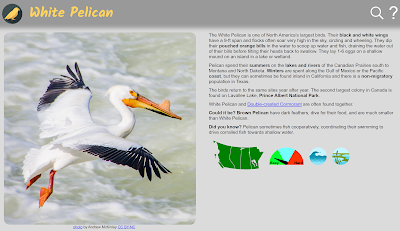
In 2020, we launched Nature Companion, a free website/app with information about over 300 birds, animals, insects, reptiles, amphibians, trees, and plants that make their home in Canada’s 4 western provinces. 

Thank You 
Publishing EcoFriendly Sask has been deeply rewarding for both Andrew and Penny. We have met so many amazing people who are doing so much to protect the environment and share their love of nature. You’re planting pollinator gardens and testing water quality, advocating for wetland management policies and bird-friendly building guidelines, establishing community nature festivals, and encouraging kids (and adults) to spend more time outdoors. The list goes on and on! To each and every one of you who took the time to share your knowledge and passion with us – thank you! You have enriched our lives and we can only hope that we have been able to assist you in your work. 

Change 
In 2021, Andrew and his wife Shelley moved to Victoria, British Columbia, and they encouraged Penny to move as well. Our sister, Clare, has lived in Victoria for many years so we’re now reunited. Our mother, who dearly loved the ocean and her children, would be pleased. 

We’ve expanded our horizons. It seemed only appropriate to expand the scope of EcoFriendly Sask as well and it will be replaced by EcoFriendly West. Our goal is to inform and encourage initiatives that support Western Canada’s natural environment by sharing ideas and information across Canada’s four western provinces. 

EcoFriendly West will offer a weekly news update as well as profiles of people and organizations. There will be lists of organizations as well as parks and books. We’ll be dropping the Calendar as we couldn’t possibly keep track of everything that is going on in such a large territory, but we’re excited about sharing stories of people and activities from across the west. We hope to continue offering grants to support environmental projects, but they are on hold for the moment as we consider the best way to do so on a wider scale. 

Through EcoFriendly West, Penny and Andrew are looking forward to connecting with people and activities that span a wide and diverse geography – from the Canadian Shield and the shores of Hudson Bay in Manitoba, to the lakes and plains of Saskatchewan, Alberta’s Rocky Mountains, and British Columbia’s rain forests and marine flora and fauna. We hope you’ll join us on this journey to celebrate the wild world we are fortunate enough to live in and that so desperately needs our help if it is to survive and be enjoyed by future generations. 

Our first stories are already lined up and ready to go. We’re eager to tell you about a children’s environmental theatre company in Manitoba, wildlife conservation and translocation projects at the Wilder Institute/Calgary Zoo, the benefits and risks of agriculture drainage projects on the Prairies, bat research in Alberta, and common Pacific coast seaweeds. 


Do stay in touch. We’d love to receive your ideas, suggestions, questions, and updates on your activities. You can reach Andrew and Penny at ecofriendlywest@gmail.com 

You can follow EcoFriendly West by liking us on Facebook, following us on Twitter, or subscribing by email. Current email subscribers will be transferred over automatically to the new publication but can unsubscribe at any time.

Tuesday, 1 February 2022

EcoSask News, February 1, 2022

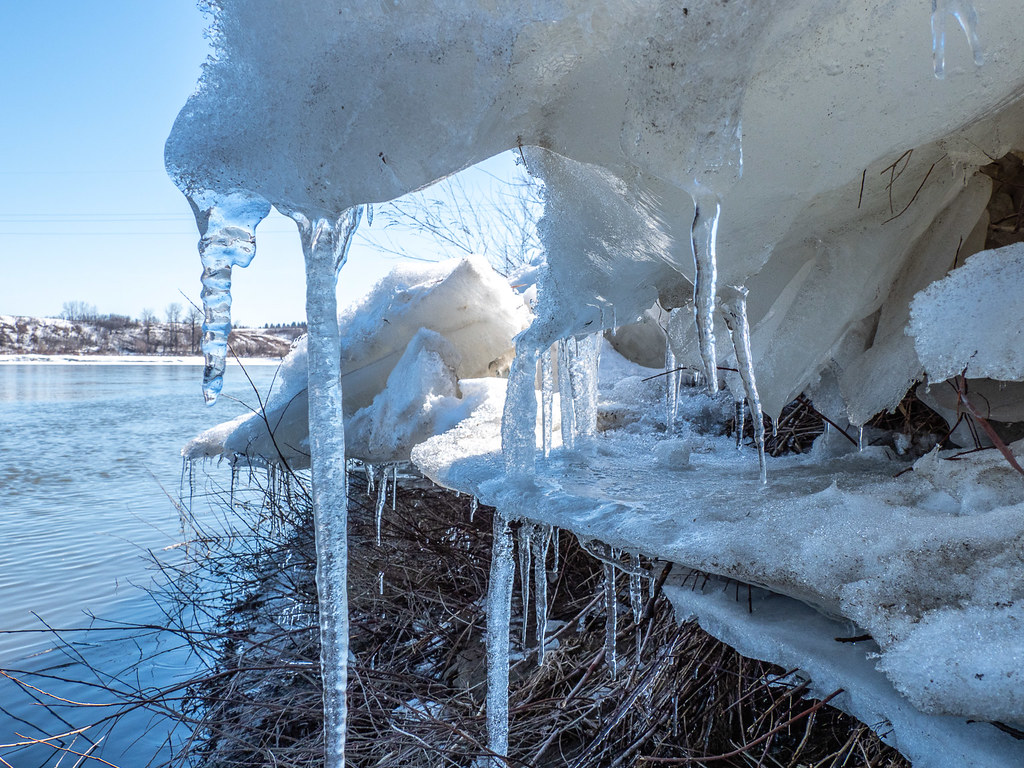
ice, snow, & water

“It is good to have dreams to work towards. To desire a world that is once again full of life is to conjure a singing, bright planet of wonder, awe and fear. It is to yearn to be taken to where the heart leaps for joy or trembles in trepidation. To be awe-full. That has to be a goal worth striving for.” [Nearby Wild
Upcoming Events 
The WildEcol Seminar Series is hosting an online presentation on using movement data from brown pelicans to answer ecological questions at 3:30 pm, Feb. 4. 

SaskOutdoors is hosting an online Adventure Smart presentation by Saskatoon Search and Rescue at 7 pm, Feb. 8. 

Join Wild About Saskatoon and expert guests for a NatureCity Conversation about starting native plants from seed from 7:30-8:30 pm, Feb. 10. 

Looking Ahead 
Wetland Knowledge Exchange is hosting a presentation on the Canadian model for peatlands: a national scale peatland carbon accounting model from 1-2 pm, Feb. 16. 

As part of a webinar series on law’s relationship with the North Saskatchewan River, Cameron Jefferies will present ecological sustainability and intergenerational stewardship as preferable alternatives to sustainable development at 1 pm, Feb. 16. 

The Saskatoon Nature Society is hosting an online presentation on wetland drainage and its impacts on biodiversity in the prairie and parkland region at 7:30 pm, Feb. 17. 

Nature Regina is hosting an online presentation with updates on the Saskatchewan Breeding Bird Atlas at 7 pm, Feb. 21. 

Carole Tink and Greg Kuntz will discuss Regina’s energy and sustainability framework in an SES/SPL online presentation from 7-8:30 pm, Feb. 22. 

Full details about all upcoming events are listed on the EcoFriendly Sask Calendar
 
ice, snow, & water

Energy 
In-depth reporting provides a valuable explanation of the options and the issues involved in undertaking and financing carbon capture and storage on the Prairies. [The Narwhal

“A tax on emissions forces firms to internalize at least some of the costs of dirty production, which incentivizes them to find cleaner ways of producing in the most cost-effective way possible.” [Futurity

Natural gas cookers expose households to formaldehyde, carbon monoxide, and nitric oxide. They also leak a lot of methane (comparable to the carbon dioxide emissions of 500,000 gas-powered cars) even when they’re off. [Futurity

Youth 
An activist youth group is calling on the Oregon government “to end freeway widening projects that contribute to increased congestion and carbon emissions.” They may be having an impact. [Planetizen

“If we are serious about tapping into education’s potential to help us achieve a more sustainable future, we need to recognize activists as educators and help build bridges between them and schools.” [Yes Magazine

Nature’s Wonders 
Joe Gray says he experiences pleasure when in the presence of insects and a sense of reverence. He reports on a two-part seminar in which he participated that discussed invertebrate animal sentience. [Ecological Citizen]

EcoFriendly Sask supports Saskatchewan environmental initiatives through an online publication, an events calendar, small grants, and the Nature Companion website/app. You can follow EcoFriendly Sask by liking us on Facebook, following us on Twitter, or subscribing by email (top right corner). 


Sweat bees are extremely hard working and pollinate a wide variety of plants. [Nature Companion]

Tuesday, 25 January 2022

EcoSask News, January 25, 2022

icicles

Upcoming Events 
PCAP-SK is hosting a webinar on habitat occupancy by breeding Pied-billed and Horned Grebes in Prairie Canada: correlates of pond use and breeding success at noon, Jan. 27. 

Nature Regina is hosting a winter bio-blitz at various times on Jan. 29. Register on their website. 

EMTF-SK will host an online breakfast presentation on Saskatchewan's Energy Storage Advantage: Compressed Air Energy Storage in Salt Caverns on Feb. 2. 

PCAP-SK is hosting a webinar on a watershed stewardship approach to invasive species education and management at noon, Feb. 2. 

The Institute for Environmental Sustainability is hosting a webinar on the importance of peatlands for nature and people on Feb. 2. 

Full details of all upcoming events are listed on the EcoFriendly Sask Calendar 

Low Tech 
A low-tech solution – hot water bottles. [Low-Tech Magazine

Zero Waste 
British Columbia leads the way on recycling and composting programs, but more is still needed. A plan to get BC to zero waste by 2040 emphasizes reducing waste production, repair & maintenance, extended producer responsibility, and closing disposal loopholes. [The Tyee

A frying pan made from recycled aluminum cans, bicycle parts, and other recycled metal can be manufactured using 95% less energy than a conventional aluminum frying pan. [Kuhn Rikon

Energy 
Carbon capture at Shell’s blue hydrogen facility near Edmonton is capturing less than 50% of the facility’s total emissions. [Gizmodo

Satellites can play an important role in identifying methane emissions, the first step in tackling a key source of GHG emissions. [Smithsonian

Turning big box store rooftops into solar farms could generate a lot of electricity. [Gizmodo]
 
icicles

We Can Make a Difference 
A new conservation foundation plans “to provide Indigenous and other land-based communities with funds to protect endangered ecosystems and build economic alternatives to the logging of at-risk old-growth forests.” [CTV

A low-energy kitchen, carpets made from recycled fishing nets, solar panels, and bees and wildflowers on the roof – this hotel is paying more than lip service to environmental sustainability. [The Guardian

John Stimpson has built 30,000 nest boxes for swifts, not to mention the nest boxes he’s built for barn owls, blue tits, finches, blackbirds, and thrushes. [The Guardian

Tips to help you clear dangerous pollutants out of your home (and your body). [The Guardian]

The hidden cost of fish oil pills to personal and environmental health. [The Guardian

On the Bookshelf 
Though the Earth Gives Way, a novel by Pullitzer Prize-winning journalist Mark S. Johnson, shares the stories of individuals fleeing a climate apocalypse. “We are good at divorcing ourselves from consequences,” Johnson says. “I wanted readers to feel as if they’d glimpsed the other side, the world to come.” [Madison Magazine

Nature’s Wonders 
A rare sighting of blanket octopus. Males are 2.4 centimetres – females grow up to 2 metres! [The Guardian

When large numbers of snowy owls appear in southern Canada and the US, we assume they’re starving. Not so, according to SK researchers. “It’s due to a bumper crop of young snowies during a very good breeding season.” [All About Birds


Check out EcoFriendly Sask’s Nature Companion, a free nature app for Canada’s four western provinces 

EcoFriendly Sask supports Saskatchewan environmental initiatives through an online publication, an events calendar, small grants, and the Nature Companion website/app. You can follow EcoFriendly Sask by liking us on Facebook, following us on Twitter, or subscribing by email (top right corner).

Thursday, 20 January 2022

Community Highlight: Friends of Wascana Marsh


1. How and when did you form your group? 
Friends of Wascana Marsh (Friends) was created in 2003 in advance of the “Big Dig” project which was slated to deepen Wascana Lake. The group was formed with the general purpose of protecting Wascana Marsh and lobbying for conservation efforts to be taken during the Big Dig project. The project, under the direction of the City of Regina, contracted companies to drain the lake, remove 1.3 million cubic meters of material, and refill the lake. Minimizing general ecological and shoreline damage was our focus during this time. 

2. What are your principal activities and why do you believe they’re important? 
Our mandate continues to focus on the general conservation of Wascana Marsh and the protection of its species, as well as the promotion, use, and exploration of the marsh area. Today, most of our principal activities revolve around education and promotion of the marsh, specifically the Habitat Conservation Area. 

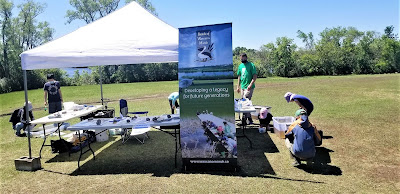
Over the past few years, we have participated in multiple festivals such as the Cathedral Arts Fest and Summer Bash. We have also partnered with other nature-focused groups in Regina to co-host and participate in smaller events. In these settings we provide educational material through posters, pamphlets, and expertise. When possible, we attempt to bring the marsh to life wherever we go by offering activities such as mobile pond dipping (water samples are collected from the marsh and returned) and bug catching/viewing. These activities are used to educate children and adults alike on biodiversity within the marsh and surrounding area. 

We have continued to organize and be involved in school days in which the Habitat Conservation Area is used as an outdoor classroom for a day in the spring. The Provincial Capital Commission’s (PCC) in-house ecologists assist us in taking multiple primary classes through various nature-focused activities. 

Friends has organized and led multiple shoreline garbage clean-ups over the past few years with other local businesses and organizations in Regina. 


3. What have been your successes to date?
 
Friends’ first major success came with our involvement in the Big Dig in 2003 by ensuring the City of Regina minimized the disruption to the Wascana ecology and shoreline. Over almost 20 years, we have successfully completed several projects of our own and supported many other organizations through various partnerships. In recent years some notable successes include supporting the Wascana Turtle Program, researching and lobbying for the implementation of black-marginated loosestrife beetles by the PCC and the City of Regina to deal with the purple loosestrife (invasive species) population, helping with the organization and operation of the City Nature Challenge in Regina, and operating small-group guided tours though the Habitat Conservation Area during the Covid pandemic. We are currently sponsoring the Regina Urban Wildlife Project to support the research of urban wildlife corridors and biodiversity monitoring in Regina. 

4. What would you like to achieve in future? 
Although no specific projects are planned, Friends continues to work towards the promotion of knowledge and community education along with respectful usage of Wascana Marsh. The Habitat Conservation Area and the broader marsh area have been a hidden gem within the City of Regina; we believe that we have a duty to promote urban ecological exploration and conservation of such a wonderful setting. 

5. Are there volunteer opportunities with your organization? If so, please describe them and indicate how people can contact you. 
We are always looking to broaden our volunteer base in order to run effective and engaging activities such as festival participation and guided tours. As we eventually get through the pandemic, many volunteer opportunities will arise. We suggest that anyone who is interested consider becoming a member of Friends of Wascana Marsh or joining our board. Our annual AGM is typically held in late January each year (January 20, 2022) with an open invitation to anyone to attend. We also welcome new members throughout the year so anyone interested is encouraged to check us out at any time. If you want to join us or simply want more information, email us at friendsofwascanamarsh@gmail.com 

You can follow the activities of Friends of Wascana Marsh on both Facebook and Twitter


Tuesday, 18 January 2022

EcoSask News, January 18, 2022

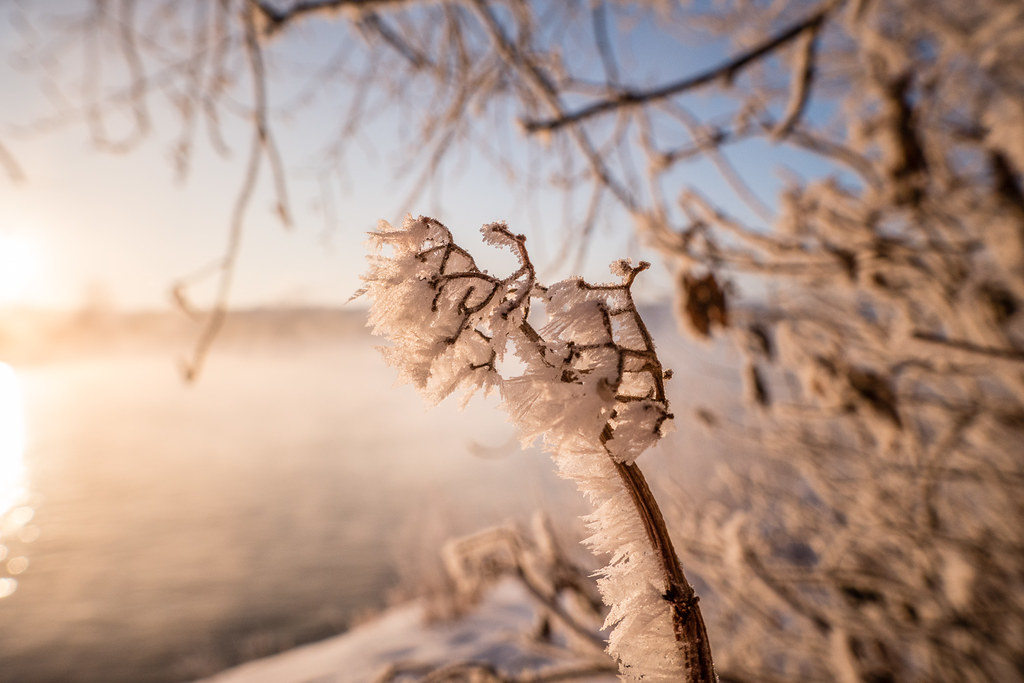
frosty foggy morning

Upcoming Events 
Wild Ecol Seminar Series is hosting an online presentation on the seasonal migration of Water Boatmen as a linkage between wetland and river ecosystems at 3:30 pm, Jan. 21. 

Catherine Beaudoin will discuss local food and reducing food waste in an online presentation from 7-8:30 pm, Jan. 25, organized by the Saskatchewan Environmental Society and the Saskatoon Public Library. 

SaskOutdoors is hosting an online presentation on tools and resources for teaching about climate change and sustainability at 4 pm, Jan. 25. 

Looking Ahead 
The Citizens Environmental Alliance – Saskatchewan is hosting the second half of a virtual conference on Farmland Drainage and the Environment from Feb. 28 to Mar. 4. Topics include: does farmland drainage actually pay, wetland policies in the Prairie provinces, and landowner rights and responsibilities: laws, stewardship ethics, and conservation psychology. 

Full details of all upcoming events can be found on the EcoFriendly Sask Calendar 

Energy 
Reinventing the electric grid is essential if we are to reach 100% renewable electricity. Storage, greater generation range and transmission, and managing demand to better match supply will be required to accommodate the variability of wind and solar energy. [Undark

Women who live closer to oil and gas drilling are at higher risk of pregnancy complications, while infants have a greater risk of health complications. The oil industry has fought the introduction of setback requirements. [DeSmog

The oil and gas sector accounted for 26% of Canada’s GHG emissions in 2019, while oilsands emissions rose by 137% between 2005 and 2019. To meet Canada’s climate goals, the government will have “to follow through on a series of increasingly stringent caps on emissions from oil and gas sources.” [Pembina Institute]
 
sunrise through the trees

Fashion 
The New York Fashion Act will require large fashion companies to “detail the lifecycle of their garments: from the farms where the raw materials were extracted, through to factories and shipping. They must then identify the points where they have the greatest adverse impact on the environment and people. It will require them to examine fair wages, energy use, greenhouse gas emissions, water and chemical management. They also have to make concrete plans to do better … Failure to do so will see the firms fined up to 2 per cent of their annual revenues.” [Euronews Green

Nature’s Wonders 
Giant millipedes as big as cars (2.7 m long weighing 50 kg) roamed Great Britain approximately 326 million years ago. [Euronews Green]
 
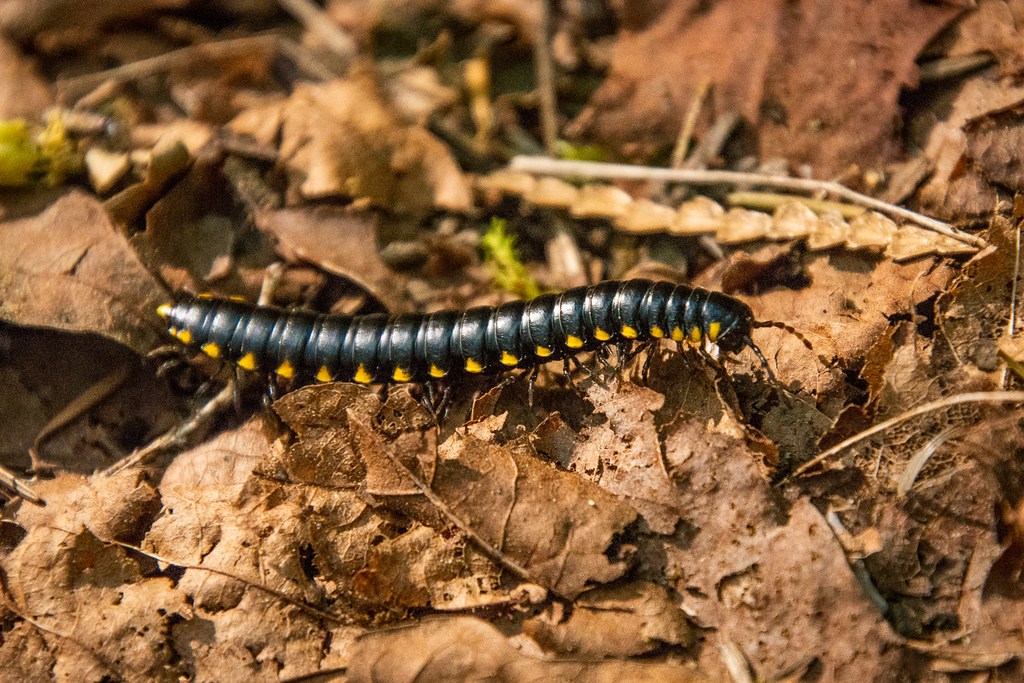
Yellow-spotted millipede

The Yellow-spotted Millipede is found in the Pacific Northwest. The yellow spots are a vibrant warning to steer clear or you’ll be sprayed with hydrogen cyanide, which is lethal to birds and rodents. (Cool Green Science

EcoFriendly Sask supports Saskatchewan environmental initiatives through an online publication, an events calendar, small grants, and the Nature Companion website/app. You can follow EcoFriendly Sask by liking us on Facebook, following us on Twitter, or subscribing by email (top right corner).

Tuesday, 11 January 2022

EcoSask News, January 11, 2021

pool surrounded by greenery

Upcoming Events 
EMTF-SK is hosting an online presentation on developing Saskatchewan’s sustainable energy economy at 7:30 am, Jan. 12. 

The Johnson-Shoyama Graduate School of Public Policy is hosting a video conference on building an equitable Canadian science system from 12-1 pm, Jan. 13. 

Nature Regina is hosting an online presentation on Indigenous peoples’ rights and environmental protection at 7 pm, Jan. 17. 

Saskatoon Nature Society is hosting an online presentation on invertebrate diversity, distribution, and ecology at 7:30 pm, Jan. 20. 

Nature Saskatchewan is hosting an online nature trivia night at 7 pm, Feb. 9. 

Full details on all upcoming events are listed on the EcoFriendly Sask Calendar 

Consumer Choices 
“The most important thing consumers can do is to educate themselves about their purchases.” Vegan leather is a petroleum byproduct. Plant-based leather is a better option. [Inhabitat

The Alberta EcoTrust Foundation, with support from the Alberta Real Estate Foundation, is undertaking a pilot project to provide digital home energy labels for houses in Calgary and Edmonton. The label will show how much energy the home uses and compare it to other similar homes. [Alberta EcoTrust] This is in line with France’s plan to notify potential home owners of a property’s energy rating. [Cities in the Next Decade

“In the past decade alone, $40 trillion has been divested from fossil fuels ... Divestment is showing in real time that everyday people can take part in the fight against climate change, and it’s demonstrating to financial firms that climate change is no longer a worthy investment.” [Yes Magazine

French car ads will be required to discourage driving and promote alternate forms of transportation. [Yale Environment 360]
 
Downy (or Hairy) woodpecker

Industry & Mining 
A survey of participants in the Alberta Oilsands Monitoring Program finds monitoring to be ineffective with crucial questions being left unanswered. [La Ronge Now

Half of global passenger-vehicle sales are expected to be electric by 2035, indicating a shift from a fuel-intensive to a material-intensive system. This will entail two big challenges. “One is how to cut down on the metals in batteries that are scarce, expensive, or problematic because their mining carries harsh environmental and social costs. Another is to improve battery recycling, so that the valuable metals in spent car batteries can be efficiently reused.” [Nature

Pembina Institute has published a report on the Status of Boreal Woodland Caribou Conservation in Canada. It finds that “to help the species recover conservation efforts to protect the last remaining tracts of critical habitat must be prioritized. The habitats that caribou inhabit – boreal forests and peatlands – are among the most carbon-rich in the world. When caribou habitat is lost to activities such as oil and gas development and logging, significant amounts of greenhouse gases (GHGs) are released. On the other hand, when caribou habitat is conserved carbon remains in the ground.” [Pembina

The Province of Saskatchewan’s “weak response to the climate emergency amounts to an implicit denial … The provincial government is clinging to the wrong side of history by failing to meaningfully collaborate with people in Saskatchewan — both Indigenous and non-Indigenous — and take corrective action.” [The Narwhal

Protecting Biodiversity 
Fungal networks support much of life on earth. SPUN aims to accelerate efforts to protect underground ecosystems largely absent from conservation and climate agendas. [SPUN

Protecting roadless areas could go a long way in helping to reach conservation goals and slow extinctions – a point worth considering in Canada where we continue to add new roads. [The Revelator

Starting in 2023, farmers in England will be paid for nature restoration and creation on their land (creation of hedgerows and wildflower meadows, wetland restoration). [Edie

EcoFriendly Sask supports Saskatchewan environmental initiatives through an online publication, an events calendar, small grants, and the Nature Companion website/app. You can follow EcoFriendly Sask by liking us on Facebook, following us on Twitter, or subscribing by email (top right corner).

Thursday, 6 January 2022

Looking Ahead: Cities in the Next Decade

rainy view from Granville Island Hotel

With over 80% of the Canadian population now living in urban areas, how we design, build, and live in our cities has a significant impact on the environment. Cities can lead the way in addressing climate change or lag behind. We’ve found a number of reports and examples of how cities can successfully address climate change. 

A Changing Climate 
“The climate determines almost everything about how we design, build, and live in our cities. The streets and sidewalks, businesses and homes, parking lots and public transit that we use every day have been created to suit our climate. Now, with our climate changing, we need to re-think important aspects of how we live our urban lives.” [Canadian Cities and Climate Change, Climate Atlas of Canada] 
The Prairie Climate Centre’s interdisciplinary team are climate change storytellers. They’ve developed Building a Climate-Resilient City, a set of 9 reports on how we can set about building climate-resilient cities. Specifically addressing the concerns of Calgary and Edmonton, the reports cover economics and finance, agriculture and food security, urban ecosystems, transformational adaptation, transportation infrastructure, water supply and sanitation systems, electricity and information and communication technology infrastructure, the built environment, and disaster preparedness and emergency management. In addition to providing an overview of the issues, the reports share ideas and approaches that can be implemented immediately to bring about meaningful climate action in the face of a changing climate. 

Nature-based Solutions 
The Green Communities Guide from Alberta’s Land Stewardship Centre is designed to help communities plan and implement nature-based solutions and strategies to conserve water, protect water quality, preserve agricultural land, and protect critical open spaces and wildlife habitat. Nature-based solutions are actions designed to protect, manage, and restore natural ecosystems in ways that benefit both humans and biodiversity as a whole. The online guide outlines the benefits of nature-based solutions for communities, businesses, and nature, providing case studies and tools to assist with financing, recommended practices, and other practical considerations. 

Sadiq Khan, Mayor of London, England, has introduced far-reaching plans to green his city. They include: 
  • Rewilding parks and other green spaces through reintroducing lost species, rewiggling streams, creating pocket parks, and setting up nest boxes; 
  • Rain gardens, trees, and a reduction of impermeable paving to reduce flash flooding; and 
  • Living roofs and walls. 
An Urban Greening Factor will be part of all new developments. 
“The Urban Greening Factor (UGF) formula, inspired by the Swedish city of Malmö’s ‘green points’ system, scores each part of a development’s plan – including street-level areas, balconies and roofs – from 0 to 1, with trees, planters and green roofs earning high scores, while paving slabs and barren rooftops receive no score. Central government has also set out plans in the Environment Act 2021 to make developments deliver an uplift to biodiversity, which will require a 10% ‘biodiversity net gain’.”
supertrees and flower dome

In 2020 46.5% of Singapore’s land was covered in green space, with a tree canopy percentage of almost 30%. One of the greenest cities in the world, it has over 300 km of green corridors as part of the city state’s Park Connector Network. 

Tackling GHG Emissions 
As part of France’s massive Climat et Résilience bill, property owners are now expected to notify potential buyers of the home’s energy rating. Landlords will be unable to raise the rent on poorly insulated buildings and, by 2025, they will be unable to rent them out. 

Berlin-based activists are pushing hard to eliminate private vehicles in a 55-square mile area of the city centre. There are also plans to reintroduce the tram network and expand the subway system. Ghent’s city centre has been designated a low-emission zone, strictly limiting the number of cars driving through the downtown core. Oslo has removed all on-street parking from its city centre.
 
Nice beach

France plans to ban short-haul flights where a 2.5 hour train journey could be provided as an alternative. Both environmentalists and industry experts say it’s not enough. Too many train journeys are under 2.5 hours and the highest emissions come from long-haul flights. 

Working Together 
What may feel challenging or impossible on our own becomes doable when we band together. 

Transition Streets, a Transition Network program, brings neighbours together to implement simple household changes building community and addressing environmental issues. The 7-session handbook “empowers neighbors to improve household energy efficiency, reduce waste and water use, explore transportation options, and eat healthy, local food.” 

A network of cities, regions, and countries, have pledged to work towards producing everything they consume by 2054 as part of the Fab City Global Initiative. Canadian participants include Montreal and Bas-St.-Laurent. Local projects explore small batch design and production, open source data and technology, and novel materials, processes, and applications. 
“Addressing the regional environmental contamination and global ecological footprints associated with modern urbanisation is a historic challenge. On the positive side, it is in cities that dynamic, new ideas are often generated. In the face of the planetary emergency that is upon us, the challenge is to utilise this creativity to rethink cities as regenerative, environmentally beneficial systems, linking the wellbeing of individual urban citizens with humanity’s collective interest in the health of our home planet. Only by mainstreaming renewable energy resources and by protecting and continuously regenerating the ecosystems and soils from which they draw their sustenance can cities become a viable, long-term home for humanity.” [A New Age, Herbert Girardet, in a special issue of Resurgence & Ecologist dedicated to cities]
Untitled

EcoFriendly Sask supports Saskatchewan environmental initiatives through an online publication, an events calendar, small grants, and the Nature Companion website/app. You can follow EcoFriendly Sask by liking us on Facebook, following us on Twitter, or subscribing by email (top right corner).

Tuesday, 4 January 2022

EcoSask News, January 4, 2022

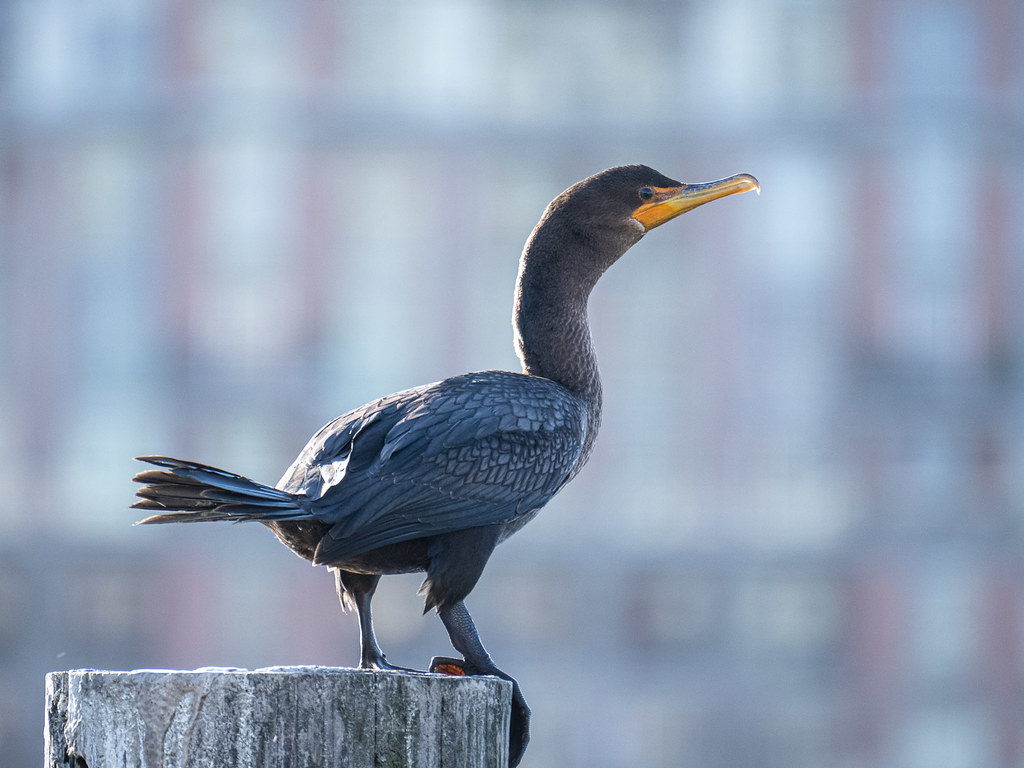
Double-crested cormorant

Upcoming Events 
SaskOutdoors will be hosting the following virtual workshops: 
Below Zero - 7-9 pm, Jan. 11 & 18 
Get Outside & Play - 7 pm, Jan. 17 
Project WILD - 7-9 pm, Jan. 24, 31, and Feb. 7 

Friends of Wascana Marsh will be holding a virtual annual general meeting at 7 pm, Jan. 20. 

Full details on all upcoming events can be found on the EcoFriendly Sask Calendar 

Energy 
Countries “will never agree to ‘phase down’ or ‘phase out’ fossil fuel energy without a reasonable substitute source of energy.” Is nuclear power the answer? [Johnson-Shoyama Graduate School of Public Policy

“The federal government should cap oilsands production to stop the rapid growth of toxic tailings. Then, industry should recycle the toxic waste instead of immediately dumping it.” Releasing tailings into the Athabasca River endangers the river and the people and wildlife that depend upon it. [The Narwhal

The largest solar project in Kentucky is being built on top of an abandoned mountain-top strip mine. [Yale Environment 360]
 
Anna's hummingbird

Conservation
Pittsburgh plans to become dark-sky compliant, switching to lower wattage LED bulbs and adding shade along bridges, roads, and other public areas. It will also be the first city to follow the International Dark Sky Association’s new values-centered outdoor lighting [IDA], comprehensive suggestions surrounding wattage and colour temperature as well as when and how to keep lights on. [Bloomberg CityLab

“Expanding the area and number of protected areas is not the solution to maintaining or restoring ecological connectivity. Instead, management for conservation should address unprotected areas, especially ones near existing protected areas to minimize the loss of connectivity.” [Conservation Corridor]
 
autumn colors

Celebration 
“The yellow birch is not ‘just a tree,’ but a life filled with generosity, and is a life that will be around 150 years beyond my own.” [Nature Canada

Marvel at the intricate detail and colourful complexity of Singapore’s microfauna. [Nicky Bay’s Macro Photography

“For many scientists, the resonant mystery is no longer which animals are conscious, but which are not.” How birds, fishes, bees, and other sentient beings experience the world. [The Atlantic

“By land or by sea, early whales moved between continents and were a larger part of Earth’s ancient ecology than paleontologists previously expected.” [Smithsonian Magazine

EcoFriendly Sask supports Saskatchewan environmental initiatives through an online publication, an events calendar, small grants, and the Nature Companion website/app. You can follow EcoFriendly Sask by liking us on Facebook, following us on Twitter, or subscribing by email (top right corner).

Tuesday, 28 December 2021

Boxing Day Book Special

shooting star

Books - new and old, fiction and non-fiction. We hope you find a new favorite. 

Action-Oriented Visionaries 
Neal Stephenson laments the dwindling of big dreams such as placing a man on the moon. Developing new technologies and implementing them “on a heroic scale no longer seems like the childish preoccupation of a few nerds with slide rules. It’s the only way for the human race to escape from its current predicaments.” He believes that science fiction has the power to inspire and provide well thought-out alternate realities. [Wired


In Neal Stephenson’s most recent book, Termination Shock, a Texas restaurant chain magnate has a big idea for reversing global warming. Will it work? What are the consequences? You’ll have to read the book to find out. 


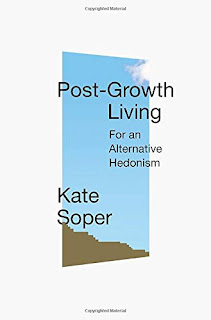
If you’re looking for more big ideas, here’s a list of 10 books published since 2020 that address transformational change - from Post-Growth Living for an Alternative Hedonism to Commanding Hope: The Power We Have to Renew a World in Peril. [Orion Magazine


Wild Hope
magazine shares conservation success stories “that show how anyone can participate in saving Earth’s biodiversity by applying whatever skills or talents they have and that a science degree isn’t a prerequisite to making a difference.” [Wild Hope

Invisible Wonders 

What does a bee look like under its furry coat? How does a tree frog use its eyes to swallow? Inside In: X-Rays of Nature’s Hidden World uses x-ray images to display creatures and their habitats in a completely new way. 


Levon Biss has used his camera to capture The Hidden Beauty of Seeds and Fruits. He says, “The aim of my work is to bring to light details in nature that are normally invisible to the human eye.” Do take a look at the images. You’ll be amazed. [PetaPixel


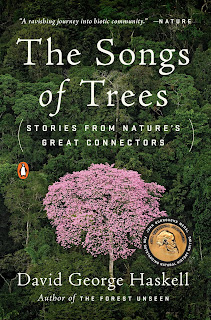
In The Songs of Trees, David Haskell pays regular visits to a dozen trees and listens. Haskell says, “Listening involves paying attention to the acoustics of the tree itself … A maple tree is going to have a very different sound in the wind than a pine tree, and, in different seasons, the tree will have different voices, revealing some of its physiology and nature … The sounds of the tree also involve the other creatures that are using the tree — insects, birds, and so forth. You must attend to those sounds, as well. And then humans are another creature … So part of the listening process involves talking to people whose lives are intertwined with trees, in an effort to discern some of the threads of stories that connect us.” [Utne

Water Words 

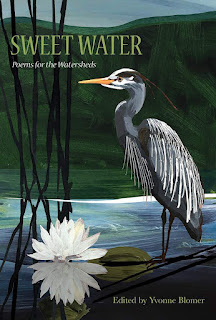
Sweet Water: Poems for the Watersheds
edited by Yvonne Blomer is an all-Canadian collection of poems about streams and rivers. You’ll find poems about local places and situations – Toronto’s hidden streams, the Alberta flood of 2013, and Warren’s Landing in Manitoba. 

EcoFriendly Sask supports Saskatchewan environmental initiatives through an online publication, an events calendar, small grants, and the Nature Companion website/app. You can follow EcoFriendly Sask by liking us on Facebook, following us on Twitter, or subscribing by email (top right corner).

Tuesday, 21 December 2021

EcoSask News, December 21, 2021

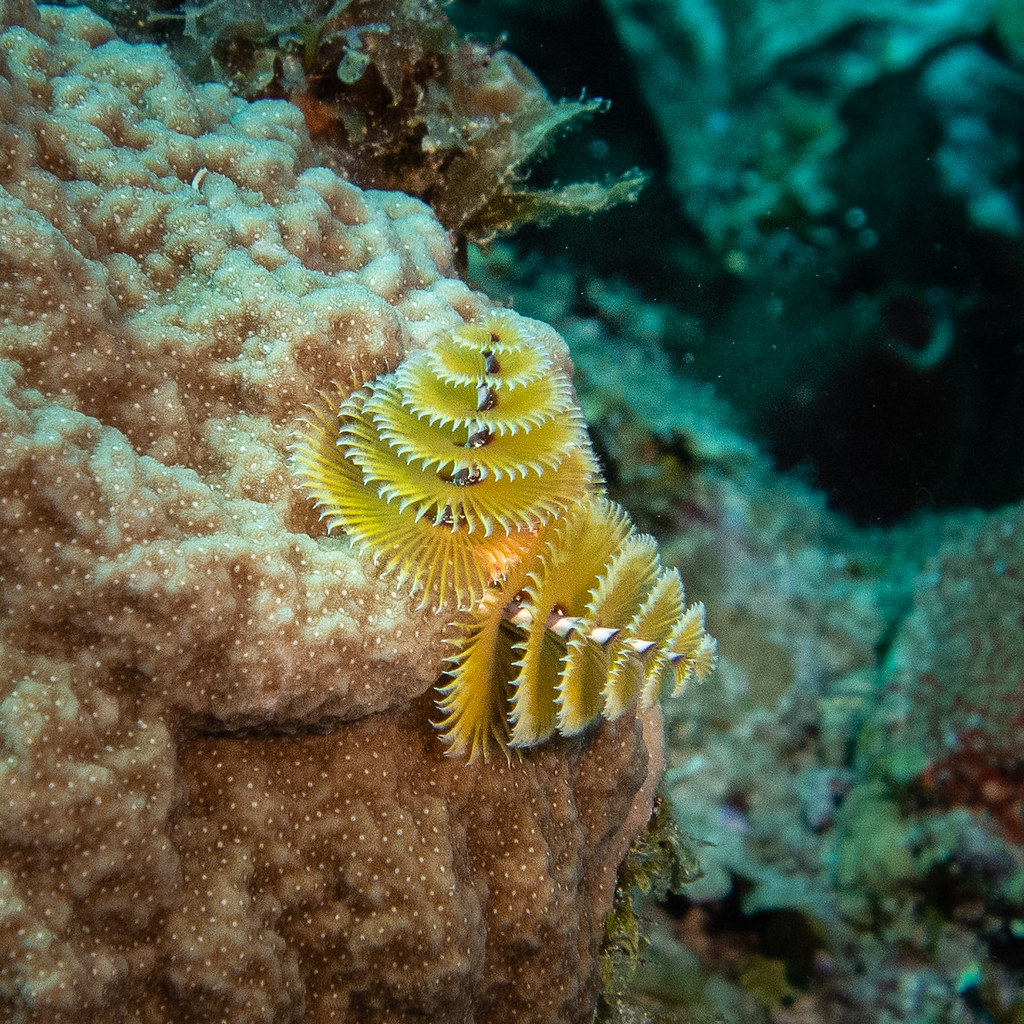
Christmas tree worm

Ocean-dwelling Christmas tree worms use their festive crowns to catch dinner as it floats by. [Oceana]

Upcoming Events 
Participate in iNaturalist’s Winter Bug Project from now until March 1, 2022. Photograph any arthropod (insect, spider, sowbug, etc.) found active indoors or out – in Alberta or Saskatchewan – on land or in water (but not including pets or pet food) and post it online. Experts will help you identify it and it will be added to the count.

Gardening at USask is offering the following online classes, beginning at 7 pm: 
Jan. 3 – Winter Compost Tips 
Feb. 7 – Wasps 

Details about all upcoming events can be found on the EcoFriendly Sask Calendar 

Construction 
Climate Caucus, a group of locally-elected climate leaders, has asked the federal government to adopt an energy-efficient, zero-carbon, outcomes-based building code that will set a high standard for local governments. [LinkedIn

“If buildings are to make meaningful contributions to keeping global temperature rise to 1.5 C above pre-industrial levels, limiting emissions from building materials is crucial.” [The Conversation]
 
Untitled

Transportation 
“Instead of funding new and wider roads, we should build places where people want to slow down and get out of their cars.” [Undark

A cartoon lampoons the growing size of trucks and SUVs – Share the road? No way! [The Nib via Planetizen


Toronto has amended its bylaws to allow pedal-assisted cargo e-bikes for personal and commercial delivery purposes, but “emerging issues regarding vehicle and pedestrian safety highlight a need to examine how best to regulate cargo e-bikes.” [Pembina Institute

Consumption 
The sale of peat to gardeners in England and Wales will be banned by 2024. The government hopes to end use of peat in the professional horticulture sector by 2028. [The Guardian

Le Printemps, an iconic Parisian department store, has transformed its top floor into an haute couture and vintage thrift store that also showcases sustainable brands. [Sortir à Paris

“The Day the World Stops Shopping offers a thought experiment: what if, overnight, we reduced shopping by 25%? What would happen? … What would it mean for fashion brands? What about the people who make those clothes in low income countries? How would it affect the advertising industry, or traffic rates? What would happen to the global economy, and to carbon emissions? Nature gets a look in too, with a chapter investigating the impact on wildlife.” [book review, The Earthbound Report

Water 
Proposed coal mining in southern Alberta could lead to contamination of the South Saskatchewan River from metals such as arsenic, selenium, and cadmium. “If you’re going to look at mining development of the headwaters, you have to look at the whole river basin, the whole watershed, and follow the impacts downstream … And that hasn’t been done.” [The StarPhoenix

Shifting Priorities 
“Genuinely sustainable investing could help shift trillions of dollars toward renewable energy and other clean technologies, but only with strong parameters. So far, however, there are no stringent requirements in Canada for climate disclosures, nor is there a single set of standards for what counts as a sustainable investment—regulatory gaps that can make it hard for climate-conscious investors to know how to make the right choices.” [The Walrus

Wishing you a very happy Christmas from Andrew and Penny at EcoFriendly Sask. We’ll be back next Tuesday with a Boxing Day Book Special and EcoSask News will resume on January 4. 


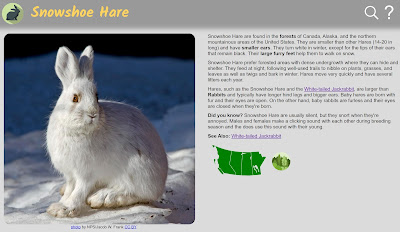
Snowshoe Hare snort when they’re annoyed. Find out more on EcoFriendly Sask’s free nature website/app for Canada’s 4 western provinces. [Nature Companion]

EcoFriendly Sask supports Saskatchewan environmental initiatives through an online publication, an events calendar, small grants, and the Nature Companion website/app. You can follow EcoFriendly Sask by liking us on Facebook, following us on Twitter, or subscribing by email (top right corner).

Thursday, 16 December 2021

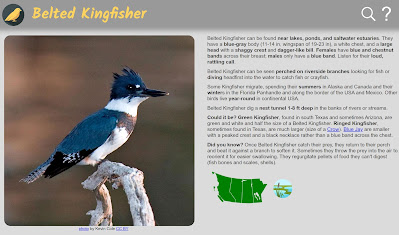
Introducing the Belted Kingfisher

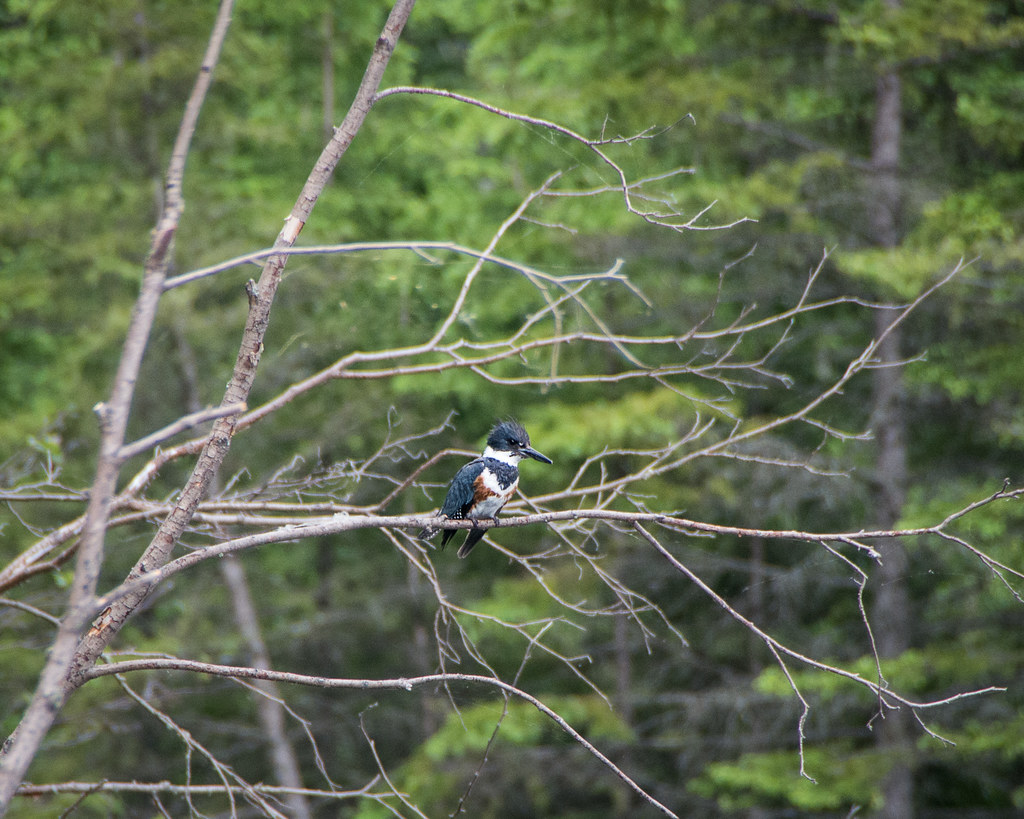
Belted Kingfisher

“A kingfisher’s burnished plunge, the color of felicity afire” (The Kingfisher, Amy Clampitt)
 
A swift flash of colour over the water and a loud rattling call – the Belted Kingfisher has moved on before you’ve really seen it. Fortunately, you’ll have better luck spotting them when they’re perched on a branch looking for fish or diving headfirst into the water below in search of fish or crayfish. 

Belted Kingfisher can be found near lakes, rivers, and ponds across Canada during the summer breeding season and year-round along the coasts where there is open water year-round. They have a blue-grey body (11-14 in, wingspan of 19-23 in), a white chest, and a large head with a shaggy crest and dagger-like bill. Females have blue and chestnut bands across their breast; males only have a blue band. 

These experts fishers can fly very fast in a straight line but may hover for extended periods over water as they search for prey. Once the prey is spotted, they dive headfirst into the water to catch their meal. 

Belted Kingfisher dig a tunnel 1-8 ft deep in the banks of rivers or streams with a nesting chamber at the far end. The tunnel slopes upwards so that rainwater won’t collect inside.
 
Kookaburra

Did you know? 
There are nearly 100 species of kingfishers, but the Belted Kingfisher is the only one seen in most areas north of Mexico. The greatest variety of kingfishers are found in the tropical regions of Asia, Australia, and the Pacific islands. 

The Laughing Kookaburra (second photo) is the heaviest member of the kingfisher family. Unlike other kingfishers, it’s a social bird. Older offspring, usually males, live with the mated pair and help with feeding and protecting the nestlings. 

Despite their name, not all kingfishers eat fish. Others, particularly forest-dwellers, eat frogs, lizards, snakes, and even small mammals. 

Once Belted Kingfisher catch their prey, they return to their perch and beat it against a branch to soften it. Sometimes they throw the prey into the air to reorient it for easier swallowing. They regurgitate pellets of food they can't digest (fish bones and scales, shells). 

We still don’t know why the females have the more distinctive markings when in most species the males are the one with brighter colours. Various hypotheses have been put forward. Males are highly territorial, often remaining on their territory year-round to guard it, and the females’ chestnut-coloured stripe may help males to identify them as a welcome visitor to their territory rather than a rival that must be chased away. On the other hand, the added band of colour may be related to the fact that female kingfishers tend to be more aggressive than males and their high testosterone levels may have influenced their colouring. 

Charlie Hamilton James started photographing kingfishers when he was 13 years old, and they inspired him to become a photographer. He published Kingfisher: Tales from the Halcyon River in 1980. 

Robert Fuller, another British artist, replaced a waterside bank with a garden shed containing a hide and an artificial nest chamber so that he could watch kingfishers inside their underground nest

For more information on Belted Kingfishers, take a look at EcoFriendly Sask’s Nature Companion app/website for Canada’s four western provinces. Download it for free to your phone or tablet.


Tuesday, 14 December 2021

EcoSask News, December 14, 2021

Song sparrow

Song Sparrow make short, fluttering flights pumping their tail up and down. They prefer areas with low shrubs and bushes. [Nature Companion

Energy 
“Saskatchewan has a tremendous opportunity to use energy efficiency to achieve our climate commitments … every electron saved through energy efficiency results in fewer emissions from carbon-emitting coal and gas plants.” Martin Boucher outlines 5 effective options. [Martin Boucher, Regina Leader-Post

Calgary-based Canadian Premium Sand is shifting from providing fracking sand for the oil patch to producing solar panels. [CBC

Airports’ flat roofs, parking garages, and open spaces are an ideal location for solar panels. And, as many airports are connected to the municipal grid, they may even be able to feed energy back into the system. [Gizmodo

Making Choices 
Cities world-wide are beginning to employ sensor technology to monitor and minimize urban noise. [Bloomberg CityLab

I don’t want to leave children a future “full of cement, full of destruction”. The Austrian government halts 8 highway projects in an effort to slow climate change. [France 24]

Untitled

Most coniferous trees keep their foliage all year round, adding a welcome touch of green to a snowy winter landscape [Conifers of Western Canada, EcoFriendly Sask

Maintaining Biodiversity 
Yellowknife to Yukon is an ambitious project designed to protect an interconnected series of wildlands. A research team has concluded that this is an effective conservation strategy. Compared to neighbouring areas that weren’t part of the project, the protected area gained more land, more grizzly bears, and more wildlife crossings. The project also received mention in popular media (Gray’s Anatomy) and scientific publications. [Anthropocene

Environmental DNA (fragments of aquatic creatures floating in the water) can provide an early warning of invasive species entering new regions or threatened species moving outside their expected range. eDNA “could shape policy for protected regions and help monitor population shifts on a rapidly changing planet, but it may ultimately prove only as revolutionary as it is widely available and usable across the globe.” [JSTOR Daily

Nature-based solutions “can be highly effective in building long-term resilience for nature and people. It is a valuable asset in our toolbox for linking biodiversity and climate and addressing these twin crises.” However, care must be taken to recognize the inherent value of nature, to avoid treating nature-based solutions as offsetting, and to include stakeholders in developing countries. [International Institute for Sustainable Development

That’s Amazing! 
“Migrating birds push their bodies to the physiological limit, which creates excess heat. Some species cope by ascending to cooler air during daytime.” Many species also have lighter-coloured feathers, another way to stay cooler. [Science News


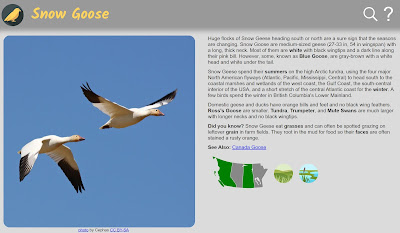
Snow Geese eat grasses and can often be spotted grazing on leftover grain in farm fields. They root in the mud for food so their faces are often stained a rusty orange. [Nature Companion

EcoFriendly Sask supports Saskatchewan environmental initiatives through an online publication, an events calendar, small grants, and the Nature Companion website/app. You can follow EcoFriendly Sask by liking us on Facebook, following us on Twitter, or subscribing by email (top right corner).

Thursday, 9 December 2021

Farmland Drainage & the Environment Virtual Conference, December 14-17, 2021


Citizens Environmental Alliance (CEA) is holding the first part of its third annual Farmland Drainage and the Environment Virtual Conference from Dec. 14-17. The topics are listed below along with some additional reading material that may be of interest. Recordings of the discussions will be uploaded to the CEA YouTube channel if you are unable to attend. 

7 pm, Dec. 14 – Lake Diefenbaker Irrigation Projects Town Hall 
Join a panel discussion and Q&A session to learn more about the irrigation project and its implications for Saskatchewan. This session is created to hear different perspectives with regards to the project, to learn from one another, and to ask good questions. 

Panelists: Aaron Gray, Saskatchewan Irrigation Projects Association, and Bob Halliday, Partners for the Saskatchewan River Basin 


Additional Reading Material 
Lake Diefenbaker Irrigation Projects [Water Security Agency/Government of Saskatchewan] 


10 am, Dec. 15 – Crown (Public) Lands Gone Forever 
Lorne Scott’s webinar will discuss Saskatchewan’s Crown Lands, going right from settlement, into the 1930s, return of veterans in the 1940-50s, sell off in 1960s, Wildlife Development Fund, no sales in 1970s, Wildlife Habitat Protection Act (WHPA) 1980 - 90s, the lobby to save Community Pastures, and the Sale of WHPA and other Crown land in 2010-2020. Lorne will also give an overview of the current situation with ongoing breaking of native grassland and aspen parkland and the draining of wetlands on Crown Land. 

Lorne is Conservation Director with Nature Saskatchewan and Co-Chair of Public Pastures Public Interest. Lorne operates a farm near Indian Head and has served as president of the Saskatchewan Wildlife Federation and the Saskatchewan Natural History Society. He was a member of the provincial cabinet, serving as Minister of Saskatchewan Environment and Resource Management. 


Additional Reading Material 
Selling off Saskatchewan, Saba Dar [Sask Dispatch] 


10 am, Dec. 16 – Wetlands and Their Role in the Resilience of Prairie Communities
 
Chris Spence’s presentation will focus on the important role wetlands play in the resilience of the prairies and what the loss of wetlands, prairie, and aspen parkland will mean during future climate change. 

Chris works as a research scientist for Environment and Climate Change Canada (ECCC) in Saskatoon. He holds adjunct professor appointments at the Universities of Saskatchewan and Manitoba. His research focuses on better understanding hydrological and hydro-meteorological processes in cold regions for environmental prediction systems and policy development. ECCC informs Canadians about protecting and conserving our natural heritage and ensuring a clean, safe, and sustainable environment for present and future generations. 


Additional Reading Material 


10 am, Dec. 17 – All Our Conversations Begin with Treaty – The Duty to Consult in Saskatchewan 
Dana Martin will discuss the legal duty to consult Indigenous people and that relationship with society and our environment. 

Dana is the Director of the Battle River Indigenous Relations Council Inc., a not-for-profit corporation established to assist Treaty 6 First Nations in the Battlefords region with Crown consultation. Her background is in Indigenous law and municipal planning. 


Additional Reading Material 

Part 2 of the Farmland Drainage & the Environment Virtual Conference will be held in February 2022. 

Past Articles on EcoFriendly Sask