Thursday, 9 February 2012

Contents Page

We’ve added a Contents page (see the tab along the top) to make it easier for you to find past EcoFriendly Sask articles.

The Contents are divided up into sections:

  • Authors and Books
  • EcoFriendly Design
  • EcoFriendly Travel and Recreation
  • Energy Conservation
  • Environmental Action and Policy
  • People-Friendly Urban Design
  • Plants and Gardening
  • Wildlife

EcoFriendly Sask is always looking for new story ideas. Don’t hesitate to contact us if you have suggestions.

Tuesday, 7 February 2012

EcoSask News, February 7, 2012


Green Drinks, February 10
Green Drinks Saskatoon is meeting at 5:30 pm on February 10 in the back room at Amigo’s (10th and Dufferin).

Weir and City Park Birding, February 11
Join the Saskatoon Nature Society from 1-3:30 pm on Saturday, February 11 as they look for waterfowl at the weir and then walk some of City Park’s back alleys looking for songbirds. There will be an optional stop at the end of the afternoon at City Perks. Call the trip leader at 244-1927 for additional information.

Bergs, Bears, and Bowheads, February 16
Blair McCann will be speaking on Bergs, Bears, and Bowheads at the February 16 meeting of the Saskatoon Nature Society. The program begins at 7:30 pm in Room 106, Biology Building, University of Saskatchewan.

RE Art Auction and Closing Reception, February 16
The closing reception and auction for the Permaculture Research Institute of Saskatchewan’s sustainability-focused art exhibition is now scheduled for Thursday, February 16 from 7-10 pm at The Refinery.

Environmental Film Festival Benefit, February 16
The Riversdale Community Association is hosting a steak dinner (vegetarian stir fry option) on Thursday, February 16. Tickets are $20.00 and proceeds will help to support the SEN Environmental Film Festival. Contact Lana at lanalehr@care2.com or any member of the Riversdale Community Association for tickets.

Environment in Focus Photo Challenge, March 1
The Saskatchewan Museums Association is looking for digital photos showing environmental sustainability in action and people living in long-term harmony with the natural world. Selected entries will be featured in the next Museums Association of Saskatchewan’s Museums and Sustainability publication. The overall winner will receive $100 and 2 copies of the publication. Two runners up will each receive $50 and one copy.

Email your submissions to pdcoordinator@saskmuseums.org by March 1, 2002. Full details are available on the Museums Association website.

Wildlife Rehabilitation Training, March 24 &25
The Wildlife Rehabilitation Society of Saskatchewan (WRSOS) will be sponsoring the International Wildlife Rehabilitation Council’s (IWRC) Basic Wildlife Rehabilitation, Parasitology, Feeding and Nutrition courses in Regina on March 24 & 25. Go to the IWRC website to sign up.

WRSOS will hold a fundraising banquet on the evening of March 24. For more information contact Jan Shadick at 306-652-5975 or at jshadick@sasktel.net.

The Better Good Go GREEN Contest
The Better Good on Broadway Avenue is holding a Go GREEN Contest. Individuals are invited to commit to one act that will benefit the individual and the planet (e.g. eating vegetarian one day a week, walking to work), writing it down on a piece of paper, and dropping it off at The Better Good. At the end of the month, two entries will be drawn, and they’ll receive a Sustainability Kit ($50 value, all items exchangeable for anything in the store).

Go Green Funding
Three Saskatchewan projects recently received provincial government Go Green funding. Eat Healthy Foods will use cold outdoor air to cool their refrigerators and save electricity in winter. The Native Plant Society of Saskatchewan will develop teaching resources focusing on native plants and habitats, and Ground Effects Environmental Services will test ways of reusing industrial waste water.

EcoSask News is a weekly round-up of local news and events. Email us if you have items you would like us to include.

You can follow EcoFriendly Sask by liking us on Facebook, following us on Twitter, or  by email (top right corner).

Thursday, 2 February 2012

Small Change Fund: Supporting Grassroots Environmental and First Nations Projects

$10,000 promised to Saskatchewan environmental projects

Every day, Matt and Dave rowed around the Bay of Fundy monitoring for toxic pollutants – an ongoing commitment that would be much easier if they just had a motor for their boat.

But none of the big foundations were interested in funding such a small project.

Fundy Baykeeper, a program of the Conservation Council of New Brunswick, turned to Small Change Fund for help and obtained the money they needed - $1,250 – within a week.

Small Change Fund
Mary McGrath and Ruth Richardson have spent many years working for charitable organizations and philanthropic foundations. They were concerned that small grassroots projects had a difficult time obtaining funding. The large foundations weren’t interested in small-scale projects, and the paperwork was overly time-consuming for a small organization. And yet, they knew that local grassroots projects are often the ones that can really make a difference.

In addition, investors’ attitudes were changing. Donors wanted to take a more hands-on approach by choosing the projects they funded and establishing a connection with the people who were out in the field. Mary and Ruth decided to blaze a new trail by establishing Small Change Fund in late 2009.

Small Change Fund (SCF) is a crowd-funding platform that uses the power of the Internet to connect charitable organizations with donors. Organizations that can issue official tax receipts are invited to submit projects (under $5,000) that impact the environment or focus on First Nations, Inuit, and Métis peoples. A network of advisors reviews the projects, ensures that the information is complete, and chooses the most compelling, urgent projects.

Successful projects are posted on the SCF website, and donors from around the world can invest as much or as little as they want in specific projects. The project’s sponsor will receive whatever funding they raise, even if they are unable to raise the full amount. Donations can be made anonymously; tax receipts are provided for donations of $5 and above.

From Fruit Harvesting to Knowledge Transfer
Small Change Fund supports a variety of different projects. Here are two examples:

The Hamilton Fruit Tree Project harvests local, fresh fruit that would otherwise go to waste. The fruit is shared between homeowners, volunteers, and food banks. The project integrates social and environmental issues in a concrete, practical way and raised $2,161 through the SCF site.

A generation ago, the Berger Inquiry played a key role in stopping a gas pipeline on the Mackenzie River. A BC journalist who had participated in the original Inquiry wanted to share her knowledge with young people so that they could apply the historical experience to the current pipeline debate.

In the River Journey, six participants from the original Berger Inquiry travelled down the Mackenzie River, stopping at nine village schools to share their knowledge. The project was fully funded to $4,500.

“It’s been wonderful to see the support for grassroots leaders across Canada,” Dani LaGiglia, SCF’s Program Director says. “We have people in BC giving to groups in Hamilton, ON. It’s surprising how much we do care about each other.”

Building a Canadian Network
Small Change Fund was initiated in 2009 and received its own financial status in 2010. In addition to acting as the intermediary for individual donations, the Fund works with a number of large foundations that do not have the capacity to select and support small grassroots projects. Instead, they delegate this responsibility to Small Change Fund.

The foundation funding supports the staffing and operational costs at SCF, so that all the crowd-sourced funding can be given to the projects, less 10% needed to cover administration and credit card charges.

Small Change Fund has a strong presence in British Columbia, Ontario, the Maritimes and north of 60, but they are eager to expand their network on the Prairies and in Quebec. “It would be a great opportunity for local groups,” Dani says. “We know there is great work happening there, and there aren’t many large foundations operating in Saskatchewan, Manitoba and Quebec.

SCF welcomes Saskatchewan community leaders to join their network by getting involved with Small Change Fund. “We’re looking for people who are real leaders in their communities and have experience in the environmental area,” explains Dani LaGiglia. She encourages people to contact SCF if they are interested. “We’re very open,” she says. “We’ll always make time for people who reach out to us.”

$10,000 for Saskatchewan Environmental Projects
There is plenty of incentive for submitting a proposal to Small Change Fund as a Saskatoon resident is offering to invest up to $10,000 in local environmental projects.

“I think the Small Change Fund is a great idea,” he says. “I can choose where my money will go and feel a connection with the projects. I hope to see lots of Saskatchewan environmental projects listed on the Small Change Fund’s website in the very near future.”

If you belong to a Saskatchewan organization with charitable status, do consider submitting a project proposal – funding is available.

How Does Small Change Fund Work?

  1. Submit a project: impacts the environment or focuses on First Nations, Inuit, and Métis peoples; up to $5,000;
  2. SCF Advisors review and approve the project;
  3. Your project goes on the website;
  4. You and SCF promote the project;
  5. Donors fund projects of their choice;
  6. Your project gets funded, and you report back on your activities.

Tuesday, 31 January 2012

EcoSask News, January 31, 2012


A Home Built of Straw, February 8
Bert Weichel, a lecturer in the Department of Geography at the University of Saskatchewan, will discuss his experience building a straw bale house on February 8 at 7 pm at the Cliff Wright Library, 1635 McKercher Drive. This event is co-sponsored by the Saskatchewan Environmental Society and the Saskatoon Public Library.

Comments re Species at Risk Legislation, February 8
You’re invited to comment on the proposed amendment to Schedule 1 of the Species at Risk Act (SARA), the List of Wildlife Species at Risk. The public comment period for the amendment ends February 8.

The Saskatoon Nature Society indicates that the Committee on the Status of Endangered Wildlife in Canada has recommended the addition of 13 terrestrial species, the up-listing of six terrestrial species, and the down-listing of 5 others. More details are available on the SARA website.

Backyard Bird Count, February 17-20
Join bird watchers across North America in tallying the birds you see in your own backyard or neighbourhood between February 17 and 20. Instructions and tally sheets are available on the Great Backyard Bird Count’s website.

Children are encouraged to participate, and the GBBC for Kids page provides an online bird guide, a bird sounds quiz, and a recipe for a bird treat.

Winter Fun Days, Beaver Creek, February 20-24
Indoor and outdoor activities will be available at the Beaver Creek Conservation Centre from 10 am-4 pm from February 20 to 24. For more information, call 374-2474.

Kids’ Winter Camp, Wanuskewin, February 21-24
Wanuskewin Heritage Park is holding a winter camp for kids aged 7 to 10 from 9 am-4:30 pm, Tuesday, February 21 to Friday, February 24. The camp will include guided trail walks, bannock baking, tipi raising, First Nations’ crafts, and winter activities.

Saskatoon’s Naturalized Parks
The Saskatoon Nature Society reports that the City of Saskatoon has designated several city parks as naturalized parks. Gary Pedersen, Naturalized Areas Supervisor, prepared a report for the Society outlining the shrubs that have been planted to attract songbirds. The City plans to maintain its grassland management strategy to accommodate the widest possible diversity of wildlife species.

Managing On-Farm Plastic Waste
The Government of Saskatchewan has partnered with CleanFARMS to manage on-farm plastic waste, such as bale wrap and grain bags. CleanFARMS currently operates a national empty pesticide container recycling program and an obsolete pesticide collection program.

People-Friendly Urban Design
Saskatoon's future is up to us - transportation, housing, neighbourhood design, and agricultural reserves. Find out more in It's Our Choice: People-Friendly Urban Design, an interview with Professor Ryan Walker.

EcoSask News is a weekly round-up of local news and events. Email us if you have items you would like us to include.

You can follow EcoFriendly Sask by liking us on Facebook, following us on Twitter, or  by email (top right corner).

Thursday, 26 January 2012

It's Our Choice: People-Friendly Urban Design

Cities normally grow incrementally with small changes and additions over a long period of time. But sometimes the change is transformative, fundamentally affecting the way people move or occupy the space.

Saskatoon was a quiet, slow-moving city during the Depression, but the end of World War II brought major changes. There was a housing boom as soldiers returned home, got married, and started families. And families expected to live in single-family dwellings, to own a car, and to drive to work every day. The municipal government supported these cultural norms by developing new residential neighbourhoods and roads.

After several decades of incremental change, Saskatoon is once again on the brink of a fundamental transition. The population is expanding, new businesses are coming to town, and there is increasing discussion about the sort of city we want to live in.

Ryan Walker is an Associate Professor in the Regional and Urban Planning Program at the University of Saskatchewan. He has conducted extensive research on Prairie cities and the forces that are shaping their future. Walker believes that the pre-conditions of population growth and economic prosperity are setting the stage for a dramatic change, but he is not sure that there is an alignment of vision, public demand, and political will. He suggests that the transition may be partial with a new urban vision awkwardly superimposed on top of the current structure.

Outlined below are some of the forces that Professor Walker believes are shaping the conversation.

Transportation Options
Almost 2.5% of Saskatoon residents ride their bike to work, twice as many as in Regina, Edmonton, Calgary, or Canada as a whole (1.0-1.5%).* And yet, our road system is designed for cars not cyclists. Dedicated cycle lanes are patchy or non-existent.

“The traffic bridge debate was a good example of the tension between transition and path dependence,” Walker says. Public demand for a pedestrian/cycling bridge appeared to be supported by a traffic study indicating that the city had an adequate number of bridges for vehicle traffic but insufficient cycling and pedestrian connections between the east side and River Landing and downtown.

However, City Council wasn’t ready to endorse this shift in urban strategy, and they removed the pedestrian/cyclist bridge from the list of options and increased the width of the vehicle lanes on the new bridge design.

Saskatoon may lead the way in the number of cyclists, but we finish last when it comes to using public transit. 16% of Calgarians and 10% of Edmontonians take the bus to work, but only 4% do in Saskatoon and Regina.*

Unfortunately, the structure is not in place to support public transit. “There are only 14 bus shelters in the city centre, including downtown, large segments of City Park, Broadway Avenue, 20th Street, and College Drive,” Walker says. “And none of them are heated.”

In a recent essay on Equitable Urbanism in Saskatchewan’s Large Cities,** Walker argues that, “At present, we plan for the efficient movement of private automobiles but give only secondary consideration to public transit, and a very distant third consideration to bicycle networks.

Much like building new traffic lanes only induces further traffic – confounding our efforts to relieve congestion – better cycling and transit infrastructure will predictably induce further use of these alternate transport choices, which will effectively relieve automobile traffic congestion.”

Housing Options
In 1945, the average Canadian house size was just over 800 square feet. By 2000, it had almost tripled to 2,266 square feet. And yet, the number of residents in each home had decreased.

While some families are deliberately choosing to live in older, well-established neighbourhoods where they can walk to work and shop locally, low-density suburban neighbourhoods are dramatically expanding the city’s footprint. Saskatoon has doubled in size since 1999.

Walker observes a similar tension in some of Saskatoon’s new neighbourhoods, which attempt to combine old and new styles of community design. On one side of the street, there are small lots, front porches, and pedestrian-friendly street lighting; on the other side, there are conventional suburban houses with two-car garages dominating the street frontage.

Low-density development comes at a cost. An Edmonton study documents the high price of suburban sprawl - $500 million over the first 30 years, rising to over $3 billion as the city starts replacing aging infrastructure.

A recent municipal report indicated that Saskatoon’s roads will require an additional $10 million per year just to keep them in their current state and an investment of over $120 million over 5 years is required to bring Saskatoon’s roads back to a 2005 level of repair (as reported by Sean Shaw).

Walker points to 33rd Street, west of Idylwyld, as an alternate form of urban development. The neighbourhood commercial strip includes an abundance of retail and community outlets – restaurants, grocery store, pharmacy, hair salons, law offices, library, and more. Walker believes that the current mix of residential housing could be enhanced by increasing the residential density on the streets adjacent to 33rd Street.

“There’s an advantage to higher-density development along commercial corridors,” Walker says. “The density supports regular public transit and local businesses, and there’s a mix of people who live and work there.”

Urban vs. Rural Options
Agriculture has always been front and centre in Saskatchewan. And yet urban sprawl and a larger number of families choosing to live on acreages in order to enjoy a more rural lifestyle is reducing the amount of land available for agriculture and increasing energy consumption through longer commutes.

Walker says that other provinces have used various tools to discourage urban sprawl and protect agricultural lands. Growth boundaries define the urban/rural border and ensure that agricultural land surrounding the city remains highly productive as landowners are not anticipating its sale for residential development. British Columbia has established agricultural land reserves in the Lower Mainland, a tangible statement of the value of food production.

Policy Options
Municipal and provincial regulations can shape our urban future. In the past, the focus has been on zoning to create distinct boundaries between residential, business, and industrial districts. Little or no consideration has been given to the quality of the streetscape, its environmental sustainability, or its integration with transportation systems.

If we want to encourage more pedestrian traffic, we need to ensure interesting urban design – trees and benches rather than strip malls, small stores and restaurants rather than ground-level parking garages (i.e. the new Holiday Inn across from TCU Place).

Community development and transportation planning must go hand in hand. Public transit only becomes a viable option in high-density areas, with the conventional minimum target set at 12 units per acre, and yet even Evergreen, Saskatoon’s most ambitious neighbourhood concept plan, envisages only 8.6 units per acre.

62% of Saskatoon residents live in single-detached dwellings (compared with 43% in Vancouver and 52% in Halifax) that require more energy, land, and materials to construct and maintain. A revised Building Code could incorporate green building standards and a greater focus on health and safety.

Looking Ahead
Saskatoon is currently prospering. Will we take advantage of our prosperity to make the transition to a people-friendly city that sits lightly upon the land? The choice is ours.

See Also:
Sean Shaw: The Opportunity to Make a Difference

Resiliency: Cool Ideas for Locally-Elected Leaders (Cities in Transition by Ryan Walker)

*   Many of the statistics quoted in this article can be found in Public Spaces, Activity and Urban Form, Phase 1 of Saskatoon's City Centre Plan. You may also want to read the City of Saskatoon Strategic Plan 2012-2022 (priorities include environmental leadership, sustainable growth, and alternative transportation options).

** New Directions in Saskatchewan Public Policy, David McGrane, ed. (Regina, SK: CPRC Press, 2011).

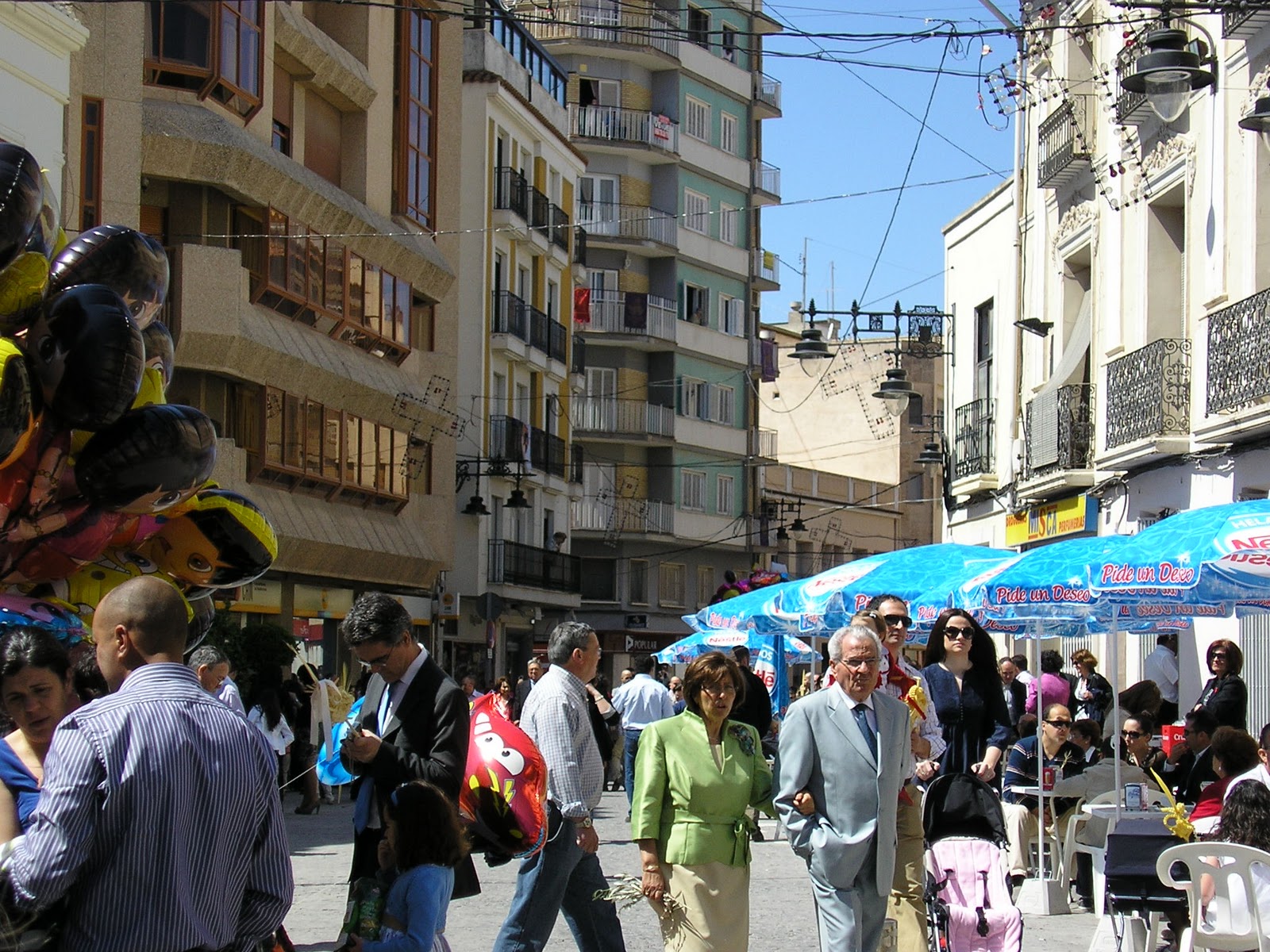
Photographs are of Barcelona, Jumilla, and Valencia (Spain)

Wednesday, 25 January 2012

CHEP Community Gardening Conference

Are you a community gardener? Would you like to start a community garden?

Cultivating the Vision
Don’t miss Cultivating the Vision, a community gardening conference organized by CHEP Good Food Inc. The conference is being held in Saskatoon on Saturday, February 4 from 9 am to 2 pm.

Call Ruth Anne Rudack, CHEP’s Community Gardening Coordinator, at 655-5322 to register. The deadline for registrations is Monday, January 30.

Seedy Saturday
Mark your calendars. Seedy Saturday is scheduled for Saturday, March 10, in Saskatoon. There will be locally-harvested seeds and a whole range of gardening workshops. EcoFriendly Sask will post complete details in February.

See Also
CHEP Good Food Inc. - working with community gardeners to increase access to fresh, affordable, healthy food

Tuesday, 24 January 2012

EcoSask News, January 24, 2012


WinterShines, January 28-February 12
WinterShines, Saskatoon’s winter festival, offers 150 different ways to enjoy being outdoors in the winter – from free sleigh rides, to ice sculptures, to a Winter Camp in the City for children in grades 6 to 8.

Montgomery Place Birding, February 4
Join the Saskatoon Nature Society on a birding field trip from 9:30-11:30 am on Saturday, February 4. Walk through Montgomery Place, a neighbourhood with mature trees, looking for winter songbirds. Meet at the intersection of Crerar Drive and Caen Street in Montgomery Place. For more information, call the field trip leader at 653-2610.

Young Naturalists Chickadee Pishing, February 4
Join the Saskatoon Young Naturalists as they attract and feed chickadees at Pike Lake at 1 pm on Saturday, February 4. Dress warmly and bring some bird snacks and binoculars. Call 975-3042 or email saskatoonnaturekids@gmail.com to sign up.

Sustainable Gardening/Permaculture, February 17 & 18
Rob Avis of Verge Permaculture will host a discussion on Sustainable Gardening on Friday, February 17 from 7-9 pm at Broadway Theatre (free admission).

On Saturday, February 18, he will lead a six-hour intensive workshop on the Fundamentals of Permaculture.

For more information, contact the Permaculture Research Institute of Saskatchewan.

SOEEA Ski Trip, February 24-26
The Saskatchewan Outdoor and Environmental Education Association is planning a ski trip to Duck Mountain Provincial Park from February 24-26. The weekend will include registration for the Duck Mountain Cross Country Ski Loppet, outdoor games and nature activities. The loppet is suitable for novice and experienced cross-country skiers. Registration details can be found on the SOEEA website.

Decommission Abandoned Wells
Vote and help the North Saskatchewan River Basin Council win $25,000 to decommission abandoned wells that are a pathway for ground water contamination.

Wanted: Bird Nerds
The Redberry Lake Biosphere Reserve will be participating in the Prairie and Parkland Marsh Monitoring Program this spring. The surveys compares the number of wetland birds in different habitats. Birds are recorded at a wetland site for 15 minutes at 6 to 8 different survey stations at least 3 times between May 20 and June 31. Participants must be able to identify approximately 60 birds by sight and sound.

Volunteer training on bird sights and sounds will be offered during the winter months. Contact Rachel at (306) 549-4060 or (306) 549–7473 if you are interested.

Climate Justice
Local volunteers are seeking to revitalize the climate justice movement in Saskatoon in order to bring climate issues to the minds and hearts of Saskatchewan. They hope to create a varied group with respect for a diversity of ideas and tactics.

For more information, contact Karen Rooney (karen-rooney@hotmail.com) or Mark Bigland-Pritchard (mark@lowenergydesign.com).

Urban Small Plot Intensive (SPIN) Farming
“The urban farming potential in Saskatoon is huge as we have a large land base,” Wally says. It’s an opportunity to grow fresh, healthy food close to home and create employment with a very minimal initial investment.

Read the complete interview with Wally Satzewich, one of the founders of SPIN Farming.

EcoSask News is a weekly round-up of local news and events. Email us if you have items you would like us to include.

You can follow EcoFriendly Sask by liking us on Facebook, following us on Twitter, or  by email (top right corner).