Showing posts with label Indigenous. Show all posts

Thursday, 9 December 2021

Farmland Drainage & the Environment Virtual Conference, December 14-17, 2021


Citizens Environmental Alliance (CEA) is holding the first part of its third annual Farmland Drainage and the Environment Virtual Conference from Dec. 14-17. The topics are listed below along with some additional reading material that may be of interest. Recordings of the discussions will be uploaded to the CEA YouTube channel if you are unable to attend. 

7 pm, Dec. 14 – Lake Diefenbaker Irrigation Projects Town Hall 
Join a panel discussion and Q&A session to learn more about the irrigation project and its implications for Saskatchewan. This session is created to hear different perspectives with regards to the project, to learn from one another, and to ask good questions. 

Panelists: Aaron Gray, Saskatchewan Irrigation Projects Association, and Bob Halliday, Partners for the Saskatchewan River Basin 


Additional Reading Material 
Lake Diefenbaker Irrigation Projects [Water Security Agency/Government of Saskatchewan] 


10 am, Dec. 15 – Crown (Public) Lands Gone Forever 
Lorne Scott’s webinar will discuss Saskatchewan’s Crown Lands, going right from settlement, into the 1930s, return of veterans in the 1940-50s, sell off in 1960s, Wildlife Development Fund, no sales in 1970s, Wildlife Habitat Protection Act (WHPA) 1980 - 90s, the lobby to save Community Pastures, and the Sale of WHPA and other Crown land in 2010-2020. Lorne will also give an overview of the current situation with ongoing breaking of native grassland and aspen parkland and the draining of wetlands on Crown Land. 

Lorne is Conservation Director with Nature Saskatchewan and Co-Chair of Public Pastures Public Interest. Lorne operates a farm near Indian Head and has served as president of the Saskatchewan Wildlife Federation and the Saskatchewan Natural History Society. He was a member of the provincial cabinet, serving as Minister of Saskatchewan Environment and Resource Management. 


Additional Reading Material 
Selling off Saskatchewan, Saba Dar [Sask Dispatch] 


10 am, Dec. 16 – Wetlands and Their Role in the Resilience of Prairie Communities
 
Chris Spence’s presentation will focus on the important role wetlands play in the resilience of the prairies and what the loss of wetlands, prairie, and aspen parkland will mean during future climate change. 

Chris works as a research scientist for Environment and Climate Change Canada (ECCC) in Saskatoon. He holds adjunct professor appointments at the Universities of Saskatchewan and Manitoba. His research focuses on better understanding hydrological and hydro-meteorological processes in cold regions for environmental prediction systems and policy development. ECCC informs Canadians about protecting and conserving our natural heritage and ensuring a clean, safe, and sustainable environment for present and future generations. 


Additional Reading Material 


10 am, Dec. 17 – All Our Conversations Begin with Treaty – The Duty to Consult in Saskatchewan 
Dana Martin will discuss the legal duty to consult Indigenous people and that relationship with society and our environment. 

Dana is the Director of the Battle River Indigenous Relations Council Inc., a not-for-profit corporation established to assist Treaty 6 First Nations in the Battlefords region with Crown consultation. Her background is in Indigenous law and municipal planning. 


Additional Reading Material 

Part 2 of the Farmland Drainage & the Environment Virtual Conference will be held in February 2022. 

Past Articles on EcoFriendly Sask 


Tuesday, 26 October 2021

EcoSask News, Oct. 26, 2021

fall leaves

Upcoming Events 
SK-PCAP is hosting a noon-hour webinar on weather, climate, and living things on grassland on Oct. 28. 

Wild Ecol Seminar Series is hosting an online talk about tracking cougars across southern British Columbia’s fire-prone landscape at 3:30 pm, Oct. 29. 

EMTF-SK is hosting an online update on DEEP at 7:30 am, Nov. 3. 

Watch the film, The Legacy of Saskatoon’s Secret Forest, with stories from people who knew Richard St. Barbe Baker from 1-3 pm, Nov. 6. 

Families are invited to enjoy guided and self-guided nature activities in Finlayson Park, North Battleford, the afternoon of Nov. 7. Sign up for a time slot. 

Looking Ahead 
Energy-efficient passive house standards aren’t just for new buildings. Sign up for an online course in Achieving the Passive House Standard for Existing Buildings starting Dec. 6. 

Full details on all upcoming events are available on the EcoFriendly Sask Calendar
 
fresh snow on the mountains

In the Spotlight – British Columbia 
Planned amendments to BC’s Forest and Range Practices Act mark a move away from 'industry-driven' policy that doesn't plan for the health and makeup of forest ecosystems in the long term. [CBC]

The Cool 'Hoods Champs program, a neighbourhood-based climate change workshop, was created to bridge the knowledge gap between climate science and everyday people — by bringing solutions to where they live. [CBC]

In a precedent-setting case, the BC Supreme Court ruled that “by allowing industrial development in Blueberry River's territory at an extensive scale — without assessing cumulative impacts and ensuring Blueberry River's ability to continue meaningfully exercising its treaty rights — the province breached the treaty.” [CBC]

North Vancouver businesses are offering customers the option of reusable containers to be returned within 14 days. [CBC]

Vancouver is calling for a city-wide ban on outdoor gas-powered tools such as leaf blowers due to noise and GHG emissions. [CBC]
 
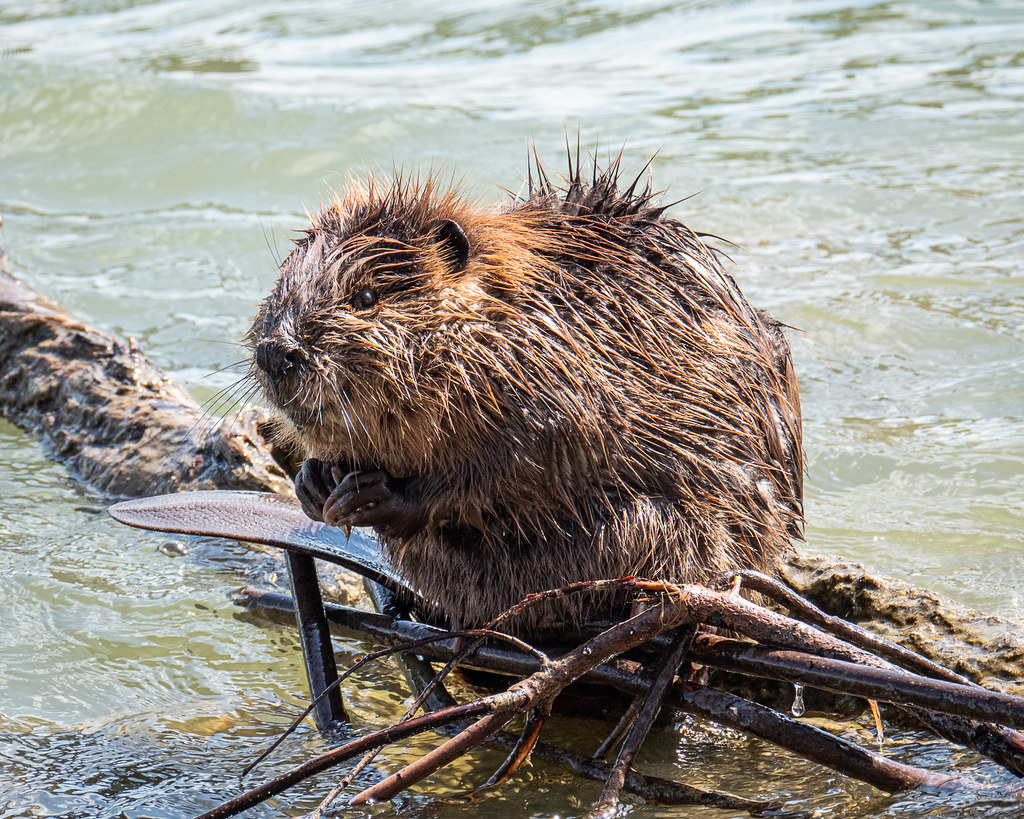
juvenile beaver

Wetlands 
Wetland drainage on the prairies has a significant impact: 
  • It reduces the land’s ability to store water and increases the risk of flooding; 
  • Groundwater reserves aren’t replenished; 
  • Increased rate of nutrient export downstream affects water quality, fish habitat, and recreational opportunities; 
  • There is a loss of pollinator habitat and biodiversity; and 
  • Reduced landscape diversity results in decreased ability to adapt during times of stress. [The Conversation
A wetland in the midst of Colorado’s largest wildfire was spared – thanks to the beavers who created an abnormally wet patch in the middle of an otherwise dry area. The beaver meadow stores the water, releasing it slowly and delaying water shortages in a drought. [KUNC Public Radio]
 
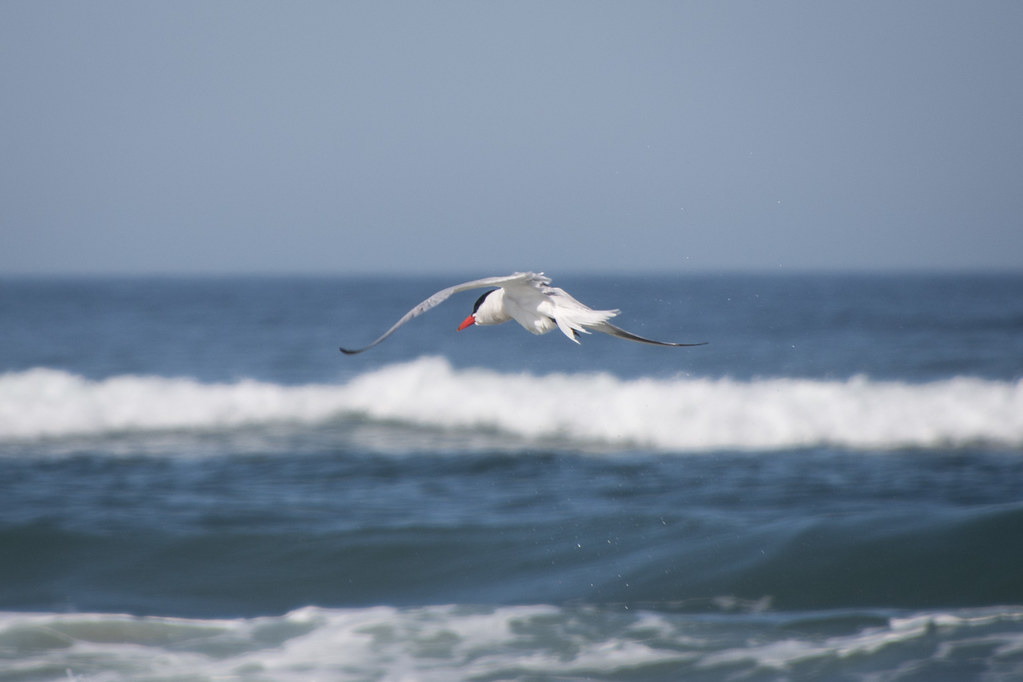
windblown tern

Probing the Future 
A policy paper by Dale Eisler, expresses doubt as to whether Canada and the world can achieve its climate goals while maintaining economic growth. He notes that Canada’s economic success since its early days has been dependent on its natural resources, including oil and gas production, whereas we have no comparative advantage in terms of renewable energy. “To date government and others engaged in the climate debate have failed to prepare the public for the real and measurable impacts on their lives if we are to meet our climate targets. The reason is simple: they know the political risk that comes with being honest about what it’s going to take. But all that avoiding the truth does is ensure we continue down the path of the last four decades where we set impressive targets, and then never meet them. The day of reckoning is fast approaching.” [Johnson Shoyama Graduate School of Public Policy]

Ecological Citizen has published 3 articles on the topic of overpopulation and its impact on the environment and on our wellbeing as a species. The first article explores how discussion is silenced by raising past experiences with eugenics and ultra-nationalism as population control. The second article propose what just population policies would look like, while the third examines the anthropocentric and non-anthropocentric moral reasons to reduce population.

EcoFriendly Sask supports Saskatchewan environmental initiatives through an online publication, an events calendar, small grants, and the Nature Companion website/app. You can follow EcoFriendly Sask by liking us on Facebook, following us on Twitter, or subscribing by email (top right corner).

Tuesday, 14 September 2021

EcoSask News, September 14, 2021

wood frog

Upcoming Events 
The Saskatoon Nature Society is hosting an online presentation on amphibians at 7:30 pm, Sept. 16. 

Library of Things, Saskatoon, will be open for pick-ups by reservation from the back door in the alley from 1-4 pm, Sept. 18. 

Nature Regina is hosting a presentation on the Treaty Land Sharing Network at 7:30 pm, Sept. 20, at the Royal Saskatchewan Museum. 

The Saskatoon Nature Society is inviting the public to attend a Sandhill Crane viewing from 6-8 pm, Sept. 20. 

The Saskatchewan Environmental Society and the Saskatoon Public Library are offering an online presentation on Electricity in Saskatchewan: Current Status, Future Prospects from 7-8:30 pm, Sept. 21. 

The Johnson-Shoyama Graduate School of Public Policy is hosting a video conference on nuclear development, communicating risk, and public engagement at noon, Sept. 23. 

There will be a global climate strike at noon, Sept. 24, in Saskatoon. 
 
Full event details can be found on the EcoFriendly Sask Calendar

Local News 
William Hale has opened a used electric vehicle dealership in Saskatoon. William says he’s driven an electric vehicle (EV), winter and summer, for 3 years and loves it. “The electrification of transportation is one of the principal pathways to a low carbon economy and I want to help with this transition in Saskatchewan,” he explains. The dealership offers a lower-priced entry into the EV market and an opportunity to ask questions and test drive the vehicles. They also sell and install EV chargers for home use. 

Green Shift Automotive in Regina sells a range of electric vehicles from bikes, scooters, and skateboards to hybrid and electric cars. 

Alberta Lake Management Society is offering a fall webinar series with applicability across Canada. 

Transportation 
Exposure to traffic noise is associated with a range of health problems, including dementia, heart disease, diabetes, and obesity. [The Guardian

The six problems aviation must fix to hit net zero: 1. fuel; 2. non-CO2 impacts, such as nitrogen oxides and contrail clouds; 3. frequent flyers; 4. policy development; 5. the new middle class; and 6. supersonic planes. [The Guardian]

Mormon cricket

Wildlife 
Wildlife rescuers are the first to provide medical care for injured or sick animals and could provide an early-warning system for illnesses that also affect humans. [The Revelator

“Mountain and boreal caribou are on a long-term slide to extinction; not because of what wolves and other predators are doing but because of what humans have already done.” [Raincoast Conservation Foundation

“Rebugging is looking at the ways, small and large, to nurture complex communities of these tiny, vital players in almost all the natural and not-so-natural places on earth. It means conserving them where they are managing to hang on, and restoring them where they are needed as part of a rewilding movement. And it means putting bugs back into our everyday lives, our homes and where we play and work.” [The Revelator, an excerpt from Rebugging the Planet: The Remarkable Things that Insects (and Other Invertebrates) Do – And Why We Need to Love Them More by Vicki Hird) 

When they’re not looking for a mate, some female hummingbirds are adopting the same brightly coloured ornamentation as males as it “helps them avoid aggressive male behaviors during feeding, such as pecking and body slamming.” [Science Daily

Energy 
“Air conditioning is the most obvious immediate response to the dangerous warming of the planet. It’s also making it worse. … People are going to keep buying air conditioners … so we need to offer them better, safer, cleaner devices … We’re doing a disservice to our citizenry when we let them buy something that is so expensive to operate, and so polluting that cooling is actually adding to the warming of the planet.” [The Guardian

Coal-fired plants made up 40% of global energy output in 2010. Here’s a breakdown of consumption on a country- by-country basis as well as a look at steps that could be taken to end coal use. [Climate Solutions

Despite what oil and gas companies would have you believe, blue hydrogen isn’t clean or economically viable. [DeSmog


Did you know?
Wood Frog hibernate under logs or leaf litter and can tolerate below-zero temperatures by increasing the amount of glucose in their blood, which lowers the freezing point and stops ice crystals from forming. [Nature Companion

EcoFriendly Sask supports Saskatchewan environmental initiatives through an online publication, an events calendar, small grants, and the Nature Companion website/app. You can follow EcoFriendly Sask by liking us on Facebook, following us on Twitter, or subscribing by email (top right corner).

Tuesday, 10 August 2021

EcoSask News, August 10, 2021

big trees

Upcoming Events 
Kids ages 8-9 (9 am-12:15 pm) and 10-12 (1:30-4:45 pm) can join a forest adventure in Little Red River Park, Prince Albert, on Aug. 12. Neighbourhood bus pickups are available. 

SaskOutdoors is hosting a family paddle from 1-3 pm, Aug. 20, on Wascana Lake, Regina. Canoe rentals are available. 

All events are listed on the EcoFriendly Sask Calendar

More Fun for Kids 
Registration is now open for Nature Regina’s Get Outside Kids Club for 6-13 year olds. Sign-up is for the first 4 sessions on either Tuesdays or Thursdays. 

Project Noah has launched a free nature program for school classes with lessons on chipmunks, owls, spiders, animal tracks, camouflage, and orchids. You’ll find additional nature and environmental programs for children and youth listed on the EcoFriendly Sask website. 

Local News 
Prairie cities aren’t constrained by mountains or coastlines, which encourages lower-density neighbourhoods with large single-family homes and bungalow-style condos. But land isn’t the only issue. Lower-density neighbourhoods, as proposed by a number of Regina City Councillors, require more costly infrastructure (roads, sewer and water, etc.) and maintain a culture of car dependency. [Prairie Dog

“The interdependence of people, plants, and pollinators” – urban gardening initiatives in Saskatoon [Sask Dispatch]
 
big trees

Age Matters 
“Our tidy-minded forestry and our habit of treating trees as interchangeable are devastating to wildlife. ‘Replacing’ an old tree is no more meaningful than replacing an old master. The same applies to all ecosystems. When a trawler ploughs through biological structures on the seabed, they can take hundreds of years to fully recover. When a river is dredged and straightened, it becomes, by comparison to what it once was, an empty shell.” [The Guardian

It’s not enough to plant a million trees. You also need to take care of them and plant them in the right places. [Bloomberg City Lab

Our Common Future 
A landmark court victory for a BC First Nation sets an important precedent in defining “full and informed consent” and in recognizing First Nations as independent governments when negotiating with industry and other parties. But these actions may not be sufficient to ensure long-term sustainability: “We should be asking what is really needed and by whom, which development projects are beneficial in the long-term and whether projects that are totally dependent on the market demand should be approved. These are big challenges, and to properly address them it is necessary to question how we live, what we want or need, and how we envision our common future. The way in which we conceive development is a matter of mindset; how we frame and make sense of it can be changed if we challenge what the current society deems to be essential.” [The Conversation

“Urban walkable real estate is dramatically under supplied in relationship to demand. . . Sixty percent of Americans polled by the National Association of Realtors say they want to live within walking distance of places to work, shop and recreate. Only 10 percent want to be located in homes that only have access to other houses.” [Governing

Water-Smart 
4 universally applicable tips for building a water-smart city [Bloomberg City Lab

From toilet to tap – water-poor cities in the US explore water reuse strategies [Ensia

Individuals and communities in Alberta are being encouraged to take water monitoring into their own hands by looking for insects in rivers. [The Narwahl]
 
waterfall

Books 
We Have a Dream: Meet 30 Young Indigenous People and People of Colour Protecting the Planet by Mya-Rose Craig is a book for young adults with one page per activist describing what they do and what motivates them. [The Earthbound Report

Regeneration: Ending the Climate Crisis in One Generation by Paul Hawken “is a what- and how-to-do-it-book and website. It is about action and connection so that anyone on any level of agency can see exactly what they can do about climate challenges and solutions.” [The Tyee


Did you know? Bur Oak can resist forest fires thanks to its very thick bark. It can also tolerate drought as it has very deep roots 

Check out EcoFriendly Sask’s Nature Companion, a free nature app for Canada’s four western provinces 

EcoFriendly Sask supports Saskatchewan environmental initiatives through an online publication, an events calendar, small grants, and the Nature Companion website/app. You can follow EcoFriendly Sask by liking us on Facebook, following us on Twitter, or subscribing by email (top right corner).

Tuesday, 27 April 2021

EcoSask News, April 27, 2021

chipmunk

This Week’s Highlights 
Ducks Unlimited Canada is hosting a webinar at 12 pm, Apr. 29, on natural climate solutions as part of its Wetland Knowledge Exchange. 

The recent federal budget “includes $200 million in new funding for increasing the adoption of climate-friendly practices like cover cropping, nitrogen management and rotational grazing. It also allocates $10 million over two years to facilitate a transition to clean energy from diesel-fueled farm equipment and earmarks another $60 million for the preservation of existing wetlands and trees on farmlands.” 

Upcoming Events 
Meewasin Valley Authority is inviting groups to participate in their clean-up campaign from April 22 to June 14. 

Regina’s Get Outside Kids’ Club has moved online for a few weeks. Join them for a webinar and self-guided scavenger hunt at 10 am, Apr. 28. 

Global Water Futures is launching a Virtual Water Gallery, a space for artists, water experts, knowledge keepers, and the public to co-explore water challenges from 10:30-11:30 am, April 29. Register to attend

Explore spring migration on the mid-continental and Atlantic flyways with the Nature Conservancy of Canada at 11:30 am, Apr. 29.

Participate in a City Nature Challenge by recording photos or sounds of plants and animals you see around Regina from Apr. 30 to May 3. 

Jane’s Walk Saskatoon is organizing virtual and/or self-directed walking tours for May 1. 

GreenPAC is hosting a full-day event exploring environmental leadership in Canada’s political landscape on May 1. 

City of Saskatoon residents can dispose of hazardous waste from 9 am to 3:30 pm on May 2. 

The University of Regina’s Centre for Continuing Education is offering a 4-week course on spring/summer stargazing from 7-9 pm, Wednesdays, from May 5 to 26. 

There will be a presentation on SaskPower’s net zero emissions plan at the May 5 virtual breakfast meeting of the Saskatchewan Energy Management Task Force. 

SaskOutdoors is offering weekly online workshops to train participants to become certified Growing Up WILD and Getting Little Feet WET Education facilitators from 7-9 pm, May 6, 13, and 20. 

The Saskatchewan Environmental Society is helping building operators to lower their utility bills and make their buildings more comfortable. Join them online from 9 am-noon, May 7 or 28, for a session on heating, ventilation, and cooling

Contribute your bird observations to eBird and Saskatchewan Breeding Birding Atlas in May 7, 14, and 15 indoor/outdoor workshops with Stan Shadick. 

There will be an orienteering fun day on May 8 on the River Ridge Trails near Langham.
 
chipmunk

Local News 
Prevent Irritable Sewer Syndrome, a free new educational program from Partners FOR the Saskatchewan River Basin explores ways families can keep their sewer and river systems healthy. 

“In Western Canada, the glaciers in British Columbia and Alberta and the Yukon are disappearing. They could be gone in fifty years. The prairies are warming at three times the global rate. That’s a region that will experience much more variability from flooding and drought due to the change in the snowpack, because the water in the Saskatchewan River Basin comes from the Canadian Rockies. As that snowpack disappears, the availability of all that water will change.”

From Information to Action 
The Gitanyow of northwestern BC have released a fully Indigenous-led sustainability assessment of proposed projects on their land based on Indigenous laws and traditions, science, and reconciliation with Crown governments.  

“Gardening isn’t just about plants. It’s about the entire ecosystem those plants can support.” How and why to welcome insects into your yard

For $5 a month, Leadville, Colorado’s Get Outdoor Gear Library offers “mountain bikes, hiking boots, snow shoes, hiking poles, camp stoves, ski boots. . . . If you need it for camping or hiking or adventuring, they likely have it.” 

Books 
Nature Saskatchewan has published Backyard Bird Feeding: A Saskatchewan Guide by Trevor Herriot and Myrna Pearman. 

Bees, pesticides, and environmental protests are front and centre in William Deverell’s latest novel, Stung

Atlantic Book Rescue accepts lightly used books and finds a new home for them – either for sale online or by donating to seniors’ homes, daycares, teachers, or environmentally friendly recyclers. 

EcoFriendly Sask supports Saskatchewan environmental initiatives through an online publication, an events calendar, small grants, and the Nature Companion website/app. You can follow EcoFriendly Sask by liking us on Facebook, following us on Twitter, or by email (top right corner). 


Did you know? Least Chipmunk are good climbers and may build nests high above the ground or climb up a tree in cooler weather to warm themselves in the sun. (Nature Companion)

Sunday, 7 March 2021

Managing & Exploiting Nature

Kingsmere Lake sunset

We’ve come across some thought-provoking articles that we wanted to share with you. 

Against the Duck Factory 
Many members of the Opaskwayak Cree Nation (OCN) in Manitoba and Cumberland House Cree Nation in Saskatchewan have an uneasy relationship with Ducks Unlimited. They are wary of the dams and other water control measures that have been established in the Saskatchewan River delta that they believe have ruined lakes, rivers, and creeks. It’s unclear what their purpose has been, but it’s worth noting that Ducks Unlimited “controls more land and water in Canada than all First Nations combined.” 

The Last Frontier 
Canada has a long history of natural resource exploitation. Is northern Canada the last frontier? 

Saskatchewan residents, many of whom live in northern Saskatchewan, are speaking out against a proposed peat mine south of La Ronge. “Although peatlands, also called bogs and muskegs, cover only 3 per cent of the Earth’s surface, they store twice the carbon of all the world’s forests combined. Peatlands also regulate water flows, mitigating the risk of flooding and preventing drought. In addition, they act as natural water cleansers and support a rich assortment of flora and fauna, which is why they are sometimes called ‘nature’s nurseries.’ . . . Over the course of a millennium, the peatland will grow by only one metre, which hardly makes it a renewable resource.” 

“A coalition of Indigenous and environmental organizations is calling on the Canadian and Ontario governments to impose an ‘immediate moratorium’ on all mineral exploration or impact assessment work related to the Ring of Fire region.” The Ontario government has acknowledged that industrial activity could have a negative impact on the wetlands and peatlands in the region. 

“Two Yukon First Nations are renewing calls for a regional land use plan to be completed before any new development on their traditional territories is considered . . . . Allowing industry to explore in a region where land use planning is underway could rule out protecting areas with high conservation values.” 

EcoFriendly Sask supports Saskatchewan environmental initiatives through an online publication, an events calendar, small grants, and the Nature Companion website/app. 

You can follow EcoFriendly Sask by liking us on Facebook, following us on Twitter, or by email (top right corner).

Tuesday, 19 January 2021

EcoSask News, January 19, 2021

Untitled

Upcoming Events 
Sustainable YXE, Jan. 21 (online) 
Saskatoon Public Library is hosting an online discussion for teens about making our community more sustainable from 6-7 pm, Jan. 21. 

Vacationing in the Tropics, Jan. 22 (online) 
Nicholas Bayly will discuss the ecology and conservation of Canadian-breeding migratory birds in Colombia in the WildEcol Seminar Series at 3:30 pm, Jan. 22. 

Wildlife Rehab Orientation, Jan. 23 (online) 
WRSOS is holding a virtual wildlife rehabilitation orientation at 1 pm, Jan. 23. 

Eco-Scavenger Hunt, Jan. 23 & 30 (Saskatoon) 
Meewasin Valley Authority is hosting self-directed eco-scavenger hunts to help track wildlife at Beaver Creek Conservation Area on Jan. 23 & 30; Feb. 13, 18, 19, & 27; and Mar. 13 & 27. 

Where & How People Live, Jan. 26 (online) 
There will be an online discussion of how climate change is contributing to human migration as well as an update on local climate action at 7 pm, Jan. 26, as part of the Sustainability Speaker Series organized by the Saskatoon Public Library and the Saskatchewan Environmental Society. 

A Landscape Ethic, Jan. 28 (online) 
Dr. Hamilton Greenwood will share his photographic adventures and reflections on the beauty of Western Canada online at 7 pm, Jan. 28 (John M. Cuelenaere Library, Prince Albert). 

At Risk: Mormon Metalmark Butterflies, Jan. 28 (online) 
Shelley Pruss, Parks Canada, will discuss Mormon Metalmark butterflies, an uncommon species found in the Prairie Badlands at noon, Jan. 28, as part of the Native Prairie Speaker Series. 

Winter Readiness, Jan. 28 (online) 
Regina Public Library and Parks Canada are offering a program on animals that are masters at adapting to winter conditions at 7 pm, Jan. 28. 

Looking Ahead
Speed Networking, Jan. 29 (online) 
The Canadian Environmental Network is hosting a speed networking hour at 3 pm, Jan. 29, to help environmental organization leaders meet and find ways to collaborate

Repair Café, Jan. 30 (online) 
The Saskatchewan Waste Reduction Council is hosting a virtual repair café 11 am-2 pm, Jan. 30. 

Winter Walk, Jan. 30 (Regina) 
The public is invited to join Nature Regina for a bird watching walk and to find out what happens under the snow and ice in winter at 10, 10:30, or 11 am, Jan. 30. 

Saskatoon Nature Society Field Trips 
Jan. 30, 11 am-7 pm – Great Gray Owl Excursion 
Feb. 6, 2-3:30 pm – Forestry Farm Bird Walk 
Field trips are currently for members only, so sign up now. Advance registration is required. 

A full list of upcoming events (online and in person) can be found on the EcoFriendly Sask Calendar 

Local News 
The Athabasca Nuhenéné community has set up a Facebook page to share their connection to their land and culture and the need to preserve it

Agricultural drainage standards need to be in place and enforced to protect the environment and people. 

New! Responding to Climate Change: A Primer for K-12 Education, Sustainability and Education Policy Network 

The University of Saskatchewan and FCL continue to support research into cleaning up and managing contaminated sites

A growing chorus of experts says carbon capture isn’t all that effective and could even add to greenhouse gas emissions. 

How will Saskatchewan’s water supply be affected by Alberta's decisions regarding coal mining? Although a few coal leases were cancelled (January 18, 2021), most remain and would affect the water source for the Canadian Prairies.
 
Untitled

From Information to Action 
Hydrogen is a lifeline for the oil and gas industry and a distraction from proven technologies – wind, solar, battery storage. 

The textile industry creates 10% of global CO2 emissions. “With production projected to increase 81% by 2030, we are sleepwalking into an environmental disaster.” 

“By 2040, forests will take up only half as much carbon dioxide from the atmosphere as they do now, if global temperatures keep rising at the present pace.” 

Good News 
Two 17-year-olds are on a mission – to rewild Britain by restoring reptile and amphibian species that are either virtually extinct or have been extinct for centuries. 

The Harmony Project offers teaching resources to develop learning based on a deep understanding of, and connection to, the natural world

Thank you for reading EcoSask News. If you enjoyed it, please share it with someone – or many someones! 

You can follow EcoFriendly Sask by liking us on Facebook, following us on Twitter, or by email (top right corner). 


Did you know? Great Gray Owl have very good hearing and can detect prey under 2 ft of snow thanks to the facial disc feathers that channel sound to the ears (Nature Companion, a free nature app for Western Canada)

Tuesday, 15 December 2020

EcoSask News, December 15, 2020

Bald Eagle

Upcoming Events 
Christmas Bird Count for Kids, Jan. 2 (Regina) 
Nature Saskatchewan is hosting a Christmas Bird Count for Kids at 1 pm, Jan. 2, in Regina. 

Saskatoon Nature Society Field Trips 
Dec. 20 – Qu’Appelle Dam (Elbow, Douglas Park) Christmas Bird Count 
Dec. 26, 9 am-5 pm – Saskatoon Boxing Day Bird Count 
Dec. 28 – Borden/Radisson Christmas Bird Count 
Jan. 2, 9 am-4 pm – Pike Lake/Whitecap Christmas Bird Count 
Jan. 10, 2-3:30 pm – Sanatorium Site Bird Walk 
Field trips are currently for members only, so sign up now

A full list of upcoming events (online and in person) can be found on the EcoFriendly Sask Calendar 

Local News 
SaskPower/Natural Resources Canada are offering no-cost virtual energy efficiency training for small and medium businesses between now and Mar. 31

A look at the missing pieces in Alberta’s Geothermal Resource Development Act reveals issues that may need addressing in Saskatchewan.

20201123-OMD03314

From Information to Action 
Part of pandemic preparedness is acknowledging that human, wildlife, and ecological health are inseparable

The Centre for Indigenous Environmental Resources’ Indigenous Climate Change Adaptation Planning Toolkit provides user-friendly tools, resources, and key considerations to support Indigenous individuals and communities interested in undertaking climate change adaptation planning. 

Changing what our clothes are made of can make a big difference in cutting climate pollution. 

Wall Street has begun trading water futures, putting "a basic human right into the hands of financial institutions and investors, a dangerous arrangement as climate change alters precipitation patterns and increases water scarcity.”
 

Thin coatings of this material could soak up sun in summer months and provide heat to buildings in winter, all without using fuel or electricity

Natural Wonders 
Ferocious chompers, elephant birds, and a spike-covered turtle tail – Lost Animals: Extinct, Endangered, and Rediscovered Species [book review]. 

From snow-tunnelling ptarmigans to cheery robins and jingle shells – celebrating the season with Canadian nature

This is the last issue of EcoSask News for 2020, but we’ll be posting holiday specials over the next two weeks to keep you entertained. 

You can follow EcoFriendly Sask by liking us on Facebook, following us on Twitter, or by email (top right corner). 


Check out EcoFriendly Sask’s Nature Companion, a free nature app for Canada’s four western provinces

Tuesday, 1 December 2020

EcoSask News, December 1, 2020

frost

Upcoming Events 
TRC, Climate Action & Indigenous Ways of Knowing, Dec. 2 (online) 
The University of Regina is hosting an online town hall regarding TRC, climate action, and Indigenous ways of knowing from 10:30-11:30 am, Dec. 2. 

Lake Winnipeg Data Stream, Dec. 10 (online) 
Find out about Lake Winnipeg’s open access platform for sharing water data at noon, Dec. 10. This is an online webinar organized by Partners FOR the Saskatchewan River Basin. 

Sustainable YXE, Dec. 3 (online) 
Find out what teens can do to make Saskatoon more sustainable at the Saskatoon Public Library event from 6-7 pm, Dec. 3. 

Farmland Drainage & the Environment, Dec. 7-11 & Jan. 11-15 (online) 
The Citizens Environmental Alliance is hosting an online conference on farmland drainage and the environment from Dec. 7-11 and Jan. 11-15. Registration is by individual daily session. 

Saskatoon Nature Society Field Trips 
Saskatoon Young Naturalists 
Dec. 29 (tentative) – Christmas Bird Count for Kids
 
Saskatoon Nature Society Field Trips 
Dec. 5, 9 am-5 pm – Gardiner Dam Birding 
Dec. 19, 9 am-5 pm – Clark’s Crossing/Warman/Osler/Martensville Christmas Bird Count 
Field trips are currently for members only, so sign up now

A full list of upcoming events (online and in person) can be found on the EcoFriendly Sask Calendar 

Local News 
Privilege and climate justice – a new post from the YXE Youth Climate Committee.
 
frost and ice

From Information to Action 
Done right, online shopping can have a lower carbon footprint than brick-and-mortar stores. This benefit can be eroded when consumers opt for fast delivery options, especially same-day or next-day options. 

By dragging its feet on specific measures to curb greenhouse gas emissions, the Trudeau government is shoehorning Canadians into expensive, unproven and unreliable technologies


Bottom-up biodiversity restoration projects are making a difference

Now That’s Interesting 

A wooden cargo ship powered by sail and electric battery is already accepting shipment bookings. 

EcoSask News is a weekly round-up of local news and events. Email us if you have items you would like us to include. 

You can follow EcoFriendly Sask by liking us on Facebook, following us on Twitter, or by email (top right corner). 


Balsam Fir's thick branches provide winter cover for wildlife. The seeds, twigs, and bark provide food for mice and squirrels as well as bears and moose. Find out more in Nature Companion, a free nature app for Canada’s 4 western provinces.

Tuesday, 7 July 2020

EcoSask News, July 7, 2020

wild rose

Upcoming Events
Nature Trivia Night, July 15 (Regina, online) 
Nature Saskatchewan, in conjunction with Mystery Mansion Regina, is hosting an online nature trivia night at 7 pm, July 15. Registration is free but space is limited to 20 teams. Register early to avoid disappointment by emailing mysterymansionregina@gmail.com.

ReCreation Your Summer, July 20 (Yorkton, online)
Talia from Yellowhead Flyway Birding Trailing Association will provide a fun way for kids of all ages to get moving while enjoying the outdoors on July 20.

SK Plants & Animals, July 20 (Yorkton, online) 
4-12 year olds are invited to attend a nature presentation hosted by the Yorkton Flyway Birding Trail Association from 2-2:30 pm, July 20. Register by phoning the Yorkton Public Library at (306) 783-3523.

Saskatoon Freeway Focus Groups, July 20/21 (online) 
The Ministry of Highways is hosting virtual public focus groups (6-8 pm, July 20 & 21 for the general public; 2-4 pm, July 21 for environmental organizations) so residents, landowners, and stakeholders can share their thoughts on environmental considerations they would like to see reflected in the proposed 4-6 lane Saskatoon Freeway that will cross the Northeast and Small Swales. Register online for your choice of dates.

Youth Storytelling
Waterlution is offering youth storytelling workshops, camps, and contests. 19-29 year olds can apply by July 13 for a place on the youth advisory board.

A full list of upcoming events (online and in person) can be found on the EcoFriendly Sask Calendar

Local News 
Robert Halliday, chair of Partners FOR the Saskatchewan River Basin, and John Pomeroy, Global Water Futures, point out that the proposed irrigation project at Lake Diefenbaker will impact downstream water users, Indigenous communities, the Churchill River delta, hydro electricity, and must take into account a shifting climate.

New highway projects fail to take into account induced demand which, in the long-term, results in longer trips, traffic congestion, and reduced speeds #SaskatoonFreeway

Oil and gas, the industrial production of wheat and cattle, and commercial fishing have been sold to us as life-giving and necessary. . . . The truth is that these industries have existed for fewer than 500 years, were established to help eradicate Indigenous nations, and contribute to rapid loss of soil nutrients, tanking biodiversity, proliferation of dangerous diseases, and climate catastrophe

Wild rose
>
Anthropause
“Mounting evidence suggests that we’re in the midst of an unprecedented roadkill reprieve, a stay of execution for untold millions of wild creatures

Take advantage of the societal changes brought about by Covid-19 to increase urban green spaces and encourage walking for recreation

From Information to Action
What if we made producers responsible for the garbage they create? Extended Producer Responsibility: Designing the Regulatory Framework outlines the concept of EPR, its history, objectives, regulatory mechanisms, and stakeholder roles

Quiet Parks International is working to establish certification for quiet parks to raise awareness of and preserve quiet places

Do you use plastic row covers in your garden? Plants can absorb tiny pieces of plastic through their roots, affecting the food we eat and possibly changing the plants’ genetic makeup

Over the past 5 years, remote communities in Canada have reduced their diesel use by over 12 million litres

wild rose

That’s Amazing!
A cuckoo returned safely from a 26,000 km round trip involving 27 border crossings and 16 countries – that’s a long way to travel in search of some tasty caterpillars!

Three cheers for BC’s white-throated sparrows whose new tune has gone viral across Canada

EcoSask News is a weekly round-up of local news and events. Email us if you have items you would like us to include. 

You can follow EcoFriendly Sask by liking us on Facebook, following us on Twitter, or by email (top right corner).

Tuesday, 30 June 2020

EcoSask News, June 30, 2020

gopher

Upcoming Events
Youth Activities, Fridays - July & August (Yorkton & area - online) 
The Yellowhead Flyway Birding Trail Association’s summer student is posting activity sheets for ages 4-12 every Friday over the summer months on YFBTA’s Facebook page and blog.

Nature Exploration Activities, July 3, 10, 17, 24, 31 (Yorkton & area - online) 
Talia from Yellowhead Flyway Birding Trail Association will be sharing her favorite activities for ages 3-10 to get outside and explore nature every Friday in July. Sessions are pre-recorded and sent by email so you can participate at your leisure.

Household Hazardous Waste, July 5 (Saskatoon)
You can dispose of household hazardous waste at City of Saskatoon’s Civic Operations Centre from 9 am-3:30 pm, July 5.

Identifying the Big Weeds, July 7 (webinar)
Melanie Toppi will discuss some of the main species of weeds that can be found in Saskatchewan in a noon-hour webinar sponsored by PCAP-SK on July 7.

Pause with Nature, July 9 (online) 
Find out how you can reduce stress and increase well-being with a dose of nature in a Nature Conservancy of Canada webinar at 11:30 am (SK time), July 9.

Hidden Valley Picnic & Wildflowers, July 12 (Regina) 
Join Nature Regina for a picnic and wildflower field trip at Hidden Valley from 4-8 pm, July 12.

gopher

Looking Ahead
Nature Exploration Camp, Aug. 4-7 (Yorkton - online) 
Yorkton Family Resource Centre is hosting a virtual nature exploration camp for ages 3-12 at 3 pm, Aug. 4-7, with Talia from Yellowhead Flyway Birding Trail Association.

Generating Momentum, Aug. 6-7 (online) 
Registration is now open for Generating Momentum, an activist leadership training camp, to be held online on Aug. 6-7.

Bird Count, Sept. 12 (Saskatoon) 
The Saskatoon Nature Society is looking for volunteers to help with the Sept. 12 Fall Bird Count. If you would like to help, phone Stan Shadick at 306 652-5975 or email trips@saskatoonnature.org and provide your contact information and times that you are available to count birds.

A full list of upcoming events (online and in person) can be found on the EcoFriendly Sask Calendar

Local News
A new technology being piloted in Saskatchewan aims to extract hydrogen from beneath the earth and has the potential to repurpose abandoned oil wells

Saskatchewan uranium mine tailings could become a source of rare earth minerals

Global warming, urban growth and spring run-off from farm fertilizers have increased pollution levels in southern Saskatchewan lakes, leading to a build-up of blue-green algae that produce a cancer-causing toxin

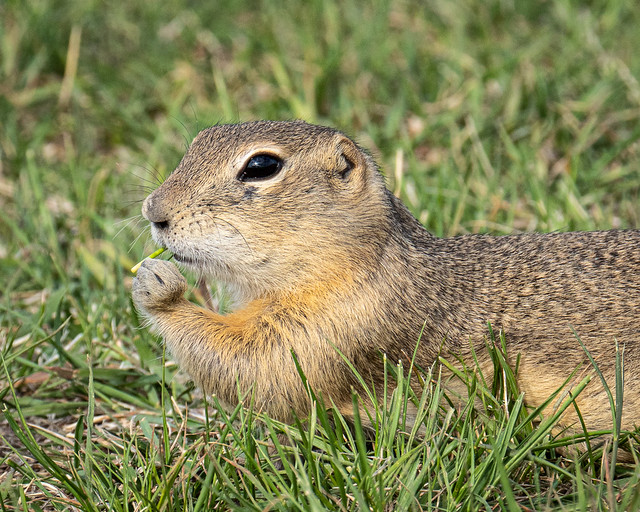
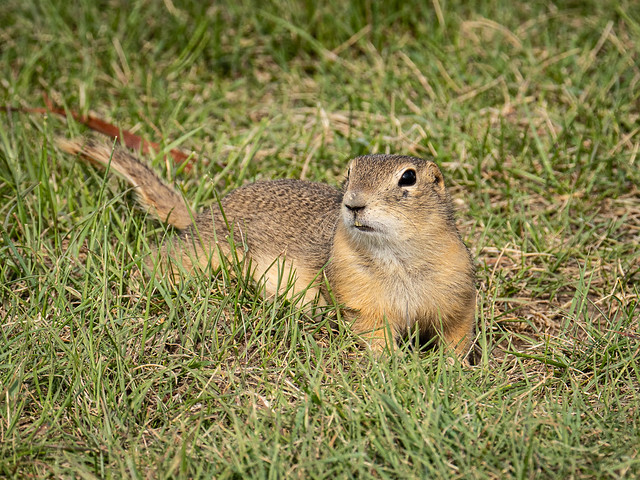
gophers (Richardsons ground squirrels)

From Information to Action
Tackling inequality could be a primary tactic for effectively fighting climate change

In 2015, Wales passed the Future Generations Act, making it the first country in the world to write responsibility for future generations into law [book review]

“Simply protecting more land will not necessarily preserve more biodiversity in the future—but protecting currently underrepresented types of land might”

Indigenous land guardian programs are an “expression of Indigenous governance over land

10 storage options for renewable energy

EcoSask News is a weekly round-up of local news and events. Email us if you have items you would like us to include. 

You can follow EcoFriendly Sask by liking us on Facebook, following us on Twitter, or by email (top right corner).

Tuesday, 16 June 2020

EcoSask News, June 16, 2020

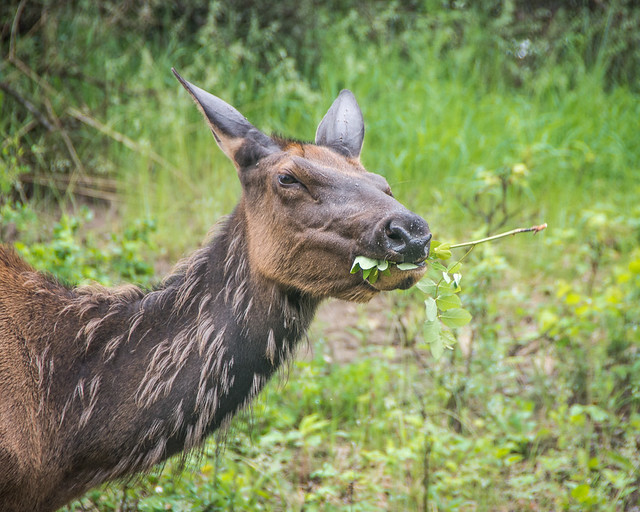
elk
 
Upcoming Events 
Ours to Save, Ours to Lose, June 18 (webinar) 
Join Dan Kraus, Nature Conservancy of Canada, as he discusses the plants and animals that are unique to Canada at 11:30 am (SK time), June 18. 

Summer Solstice, June 21 (Regina) 
You’re invited to gather on Wascana Hill to greet the sunrise and the beginning of summer at 4:45 am, June 21. 

Nature Sask AGM, June 22 (online) 
Nature Saskatchewan will be holding its annual general meeting online at 7 pm, June 22. 

Wildlife Research during a Global Quarantine, June 22 (webinar) 
Ryan Brook will discuss wildlife research during a global quarantine: tracking the rapid spread of invasive wild pigs during a noon-hour webinar on June 22. 

Group Excursion Leadership & Preparedness, June 23 (online) 
SaskOutdoors and Back40 Wilderness First Aid are hosting a webinar on group excursion leadership and preparedness from 7:30-8:30 pm, June 23. 

Women & the Energy Transition, June 23 (online) 
Pembina Institute is hosting a webinar panel discussion on the role of women in a changing energy economy from 11 am-12:15 pm (SK time), June 23. 

Sask River Basin AGM, June 24 (Saskatoon) 
The annual general meeting of Partners FOR the Saskatchewan River Basin will be held at 10 am, June 24. 

Carrot River Valley Watershed AGM, June 26 (Melfort) 
The Carrot River Valley Watershed Association is holding its annual general meeting at 1 pm, June 26, in Melfort. Email crwatershed@gmail.com by June 23 to register. 

Supporting Wild Bee Diversity, June 26 (webinar) 
Join SaskOrganics for a live webinar on supporting wild bee diversity on farms from 9:30-10:30 am, June 26. 

Zoo Training, June 29 (Saskatoon) 
The Saskatoon Zoo Society is looking for volunteer interpreters to help with their Wild Weekends programming. Find out more at the volunteer training session from 6-8 pm, June 29. 

Creating an Ecological Society, June 29 (webinar) 
This 2 ½ hour UK-based webinar on creating an ecological society will explore the relationship between social and ecological problems on June 29, 8-10:30 am (SK time). 

A full list of upcoming events can be found on the EcoFriendly Sask Calendar 

Local News 
Explore Regina's green spaces with self-directed guides from Nature Regina 

Nature Saskatchewan is asking residents to post sightings of burrowing owls 

Prince Albert’s plastic bag ban has been put on hold until the end of the current state of emergency 

Burrowing owl

From Information to Action
 
A Yukon First Nation plans to open a native plant nursery to support mine reclamation work 

Could cabbages, rapeseed, and sunflowers replace mining as a source of lithium, a key component of electronics and electric vehicles? 

Carbon-neutral coffee via wind power: “Sometimes long-distance transport is necessary for a balanced and sustainable supply chain, so sail cargoes have a role to play in that” 

We’re drowning in light: human beings, when faced with the availability of a cheaper and more efficient lighting technology, simply use more of it 

“Spending time with wild animals and plants, observing them, considering what they need to survive and thrive, exponentially expands our sense of family. . . . All of these plants and animals, these urban trees, sidewalk beetles, pearl-winged pigeons, are our neighbors” 


5 inventions illustrating the future of solar energy [10-minute video] 

Natural Wonders 

Parenting helps shape bigger brains – in jays, crows, and ravens 

The Big Bat Year – 29 countries, 396 species 

EcoSask News is a weekly round-up of local news and events. Email us if you have items you would like us to include. 

You can follow EcoFriendly Sask by liking us on Facebook, following us on Twitter, or by email (top right corner).