Showing posts with label Reptiles. Show all posts

Tuesday, 19 January 2021

EcoSask News, January 19, 2021

Untitled

Upcoming Events 
Sustainable YXE, Jan. 21 (online) 
Saskatoon Public Library is hosting an online discussion for teens about making our community more sustainable from 6-7 pm, Jan. 21. 

Vacationing in the Tropics, Jan. 22 (online) 
Nicholas Bayly will discuss the ecology and conservation of Canadian-breeding migratory birds in Colombia in the WildEcol Seminar Series at 3:30 pm, Jan. 22. 

Wildlife Rehab Orientation, Jan. 23 (online) 
WRSOS is holding a virtual wildlife rehabilitation orientation at 1 pm, Jan. 23. 

Eco-Scavenger Hunt, Jan. 23 & 30 (Saskatoon) 
Meewasin Valley Authority is hosting self-directed eco-scavenger hunts to help track wildlife at Beaver Creek Conservation Area on Jan. 23 & 30; Feb. 13, 18, 19, & 27; and Mar. 13 & 27. 

Where & How People Live, Jan. 26 (online) 
There will be an online discussion of how climate change is contributing to human migration as well as an update on local climate action at 7 pm, Jan. 26, as part of the Sustainability Speaker Series organized by the Saskatoon Public Library and the Saskatchewan Environmental Society. 

A Landscape Ethic, Jan. 28 (online) 
Dr. Hamilton Greenwood will share his photographic adventures and reflections on the beauty of Western Canada online at 7 pm, Jan. 28 (John M. Cuelenaere Library, Prince Albert). 

At Risk: Mormon Metalmark Butterflies, Jan. 28 (online) 
Shelley Pruss, Parks Canada, will discuss Mormon Metalmark butterflies, an uncommon species found in the Prairie Badlands at noon, Jan. 28, as part of the Native Prairie Speaker Series. 

Winter Readiness, Jan. 28 (online) 
Regina Public Library and Parks Canada are offering a program on animals that are masters at adapting to winter conditions at 7 pm, Jan. 28. 

Looking Ahead
Speed Networking, Jan. 29 (online) 
The Canadian Environmental Network is hosting a speed networking hour at 3 pm, Jan. 29, to help environmental organization leaders meet and find ways to collaborate

Repair Café, Jan. 30 (online) 
The Saskatchewan Waste Reduction Council is hosting a virtual repair café 11 am-2 pm, Jan. 30. 

Winter Walk, Jan. 30 (Regina) 
The public is invited to join Nature Regina for a bird watching walk and to find out what happens under the snow and ice in winter at 10, 10:30, or 11 am, Jan. 30. 

Saskatoon Nature Society Field Trips 
Jan. 30, 11 am-7 pm – Great Gray Owl Excursion 
Feb. 6, 2-3:30 pm – Forestry Farm Bird Walk 
Field trips are currently for members only, so sign up now. Advance registration is required. 

A full list of upcoming events (online and in person) can be found on the EcoFriendly Sask Calendar 

Local News 
The Athabasca Nuhenéné community has set up a Facebook page to share their connection to their land and culture and the need to preserve it

Agricultural drainage standards need to be in place and enforced to protect the environment and people. 

New! Responding to Climate Change: A Primer for K-12 Education, Sustainability and Education Policy Network 

The University of Saskatchewan and FCL continue to support research into cleaning up and managing contaminated sites

A growing chorus of experts says carbon capture isn’t all that effective and could even add to greenhouse gas emissions. 

How will Saskatchewan’s water supply be affected by Alberta's decisions regarding coal mining? Although a few coal leases were cancelled (January 18, 2021), most remain and would affect the water source for the Canadian Prairies.
 
Untitled

From Information to Action 
Hydrogen is a lifeline for the oil and gas industry and a distraction from proven technologies – wind, solar, battery storage. 

The textile industry creates 10% of global CO2 emissions. “With production projected to increase 81% by 2030, we are sleepwalking into an environmental disaster.” 

“By 2040, forests will take up only half as much carbon dioxide from the atmosphere as they do now, if global temperatures keep rising at the present pace.” 

Good News 
Two 17-year-olds are on a mission – to rewild Britain by restoring reptile and amphibian species that are either virtually extinct or have been extinct for centuries. 

The Harmony Project offers teaching resources to develop learning based on a deep understanding of, and connection to, the natural world

Thank you for reading EcoSask News. If you enjoyed it, please share it with someone – or many someones! 

You can follow EcoFriendly Sask by liking us on Facebook, following us on Twitter, or by email (top right corner). 


Did you know? Great Gray Owl have very good hearing and can detect prey under 2 ft of snow thanks to the facial disc feathers that channel sound to the ears (Nature Companion, a free nature app for Western Canada)

Tuesday, 27 October 2020

EcoSask News, October 27, 2020

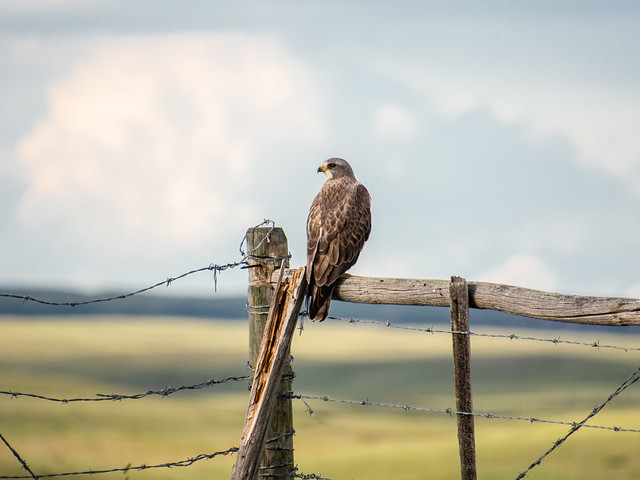
Swainson's Hawk (?)

Upcoming Events 
Outdoor Kids’ Club, Oct. 27 (online) 
Get the inside scoop on how to organize an outdoor kids’ club at 7 pm, Oct. 27. 

Candid Canada, Oct. 28 (online) 
Nature Conservancy of Canada is offering tips on how to capture nature on camera at 11:30 am, Oct. 28. 

Household Hazardous Waste, Nov. 1(Saskatoon) 
You can dispose of household hazardous waste at City of Saskatoon’s Civic Operations Centre from 9 am-3:30 pm, Nov. 1. 

Advancing Water Resiliency, Nov. 3 (online) 
There will be an online panel discussion on advancing water resiliency: nature’s contribution to people and agriculture from 10-11:30 am, Nov. 3. 

Grassland Bird Research, Nov. 6 (online) 
Learn about grassland bird research in Arkansas at the WildEcol Seminar at 3:30 pm, Nov. 6.
 
lichen

“Lichens encrust as much as eight percent of the planet’s surface, an area larger than that covered by tropical rainforests.” Entangled Life, Merlin Sheldrake 

A full list of upcoming events (online and in person) can be found on the EcoFriendly Sask Calendar 

From Information to Action 
It’s time for conservationists to start investigating the ways in which fences shape ecosystems— so that we can make better decisions about where (and whether) to build them

Owning an electric vehicle isn’t a silver bullet in the fight against climate change. What we should also be focused on is whether anyone should use a private vehicle at all

If all wastepaper was recycled, emissions could increase by 10%. That’s because recycling paper uses more fossil fuel electricity than making new paper

Bottle-fed babies swallow millions of microplastics a day – the problem and a partial solution


The Bird-Friendly City by Timothy Beatley takes readers on a global tour of cities that are reducing the risks birds face in urban areas [paperback and ebook] 

Did you know that bats make up 21% of all mammals? Nature nerd bat trivia. 

“For nocturnal species the night has become a fearscape: a matrix of glow and glare that makes natural behaviour and navigation all but impossible.” 

 
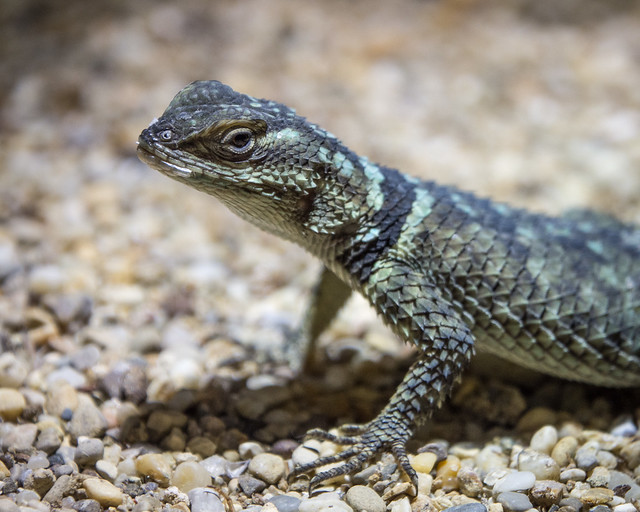
lizard

EcoSask News is a weekly round-up of local news and events. Email us if you have items you would like us to include. 

You can follow EcoFriendly Sask by liking us on Facebook, following us on Twitter, or by email (top right corner). 

Check out EcoFriendly Sask’s Nature Companion, a free nature app for Canada’s four western provinces


Sunday, 12 July 2020

Introducing Nature Companion: An Entry-Level Nature App for Canada's Four Western Provinces


“Be an explorer of your own streams and oceans . . . . It’s not what you look at that matters, it’s what you see.” Henry David Thoreau 

You’re walking in a park or by a river and you spot a small frog, an orange butterfly, a bird pecking on a tree, or a shrub with red berries. What is it? Is the animal you spotted from a distance a coyote or a cougar? What is the tall yellow flower growing beside the road?

Four years ago, Andrew McKinlay was hiking in Big Bend National Park in Texas and was frustrated. He was seeing all sorts of interesting plants, insects, trees, and other wildlife but was struggling to identify them. “What I need is one app that lists the most common plants, trees, animals, insects, reptiles, and birds that I’ll find in a particular area,” he said. “There are lots of specific bird, flower, or insect guides, but nothing together in one convenient package that I can download on my phone for easy access.”

 And so began a new EcoFriendly Sask project. Developed for curious observers, people who are interested in nature, the Nature Companion website/app will help you identify plants and animals in your community or as you travel in Canada’s four western provinces. In just one app, you’ll find basic information about over 300 common plants, trees, birds, animals, insects, reptiles, and amphibians.


Scroll through the colourful photographs and short descriptions to find out more about nature in your community and enjoy the unexpected details in the Did you know? section at the end of each description.

Nature Companion is free (no ads or sign up). It can be accessed either on or off line and can be installed on your phone or tablet.

Whether you’re travelling in another province, an expert on birds but not on reptiles, young or old, or a newcomer to Canada, we hope you will find Nature Companion a useful guide as you explore the natural world.

If you know someone - or many someones - who might be interested in Nature Companion, please share it with them.

A huge vote of thanks to our early reviewers who provided so many helpful suggestions that we've done our best to incorporate into Nature Companion. Please email us your feedback - we'd love to hear from you.

PS Check the Help (the ? at the top right) for assistance in installing the app. The initial download may be slow, but the app should be faster after that.


"The lasting pleasures of contact with the natural world are not reserved for scientists but are available to anyone who will place themselves under the influence of earth, sea and sky and their amazing life." Rachel Carson

Thursday, 11 October 2018

See The World Through My Eyes

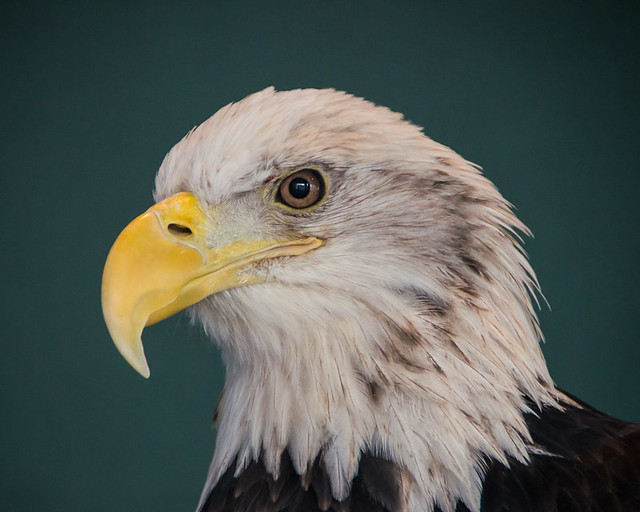
Bald eagle

Spiders with 8 eyes, eagles that can focus on two objects simultaneously – no two animals see the same thing. Here are just a few examples.

Bald Eagles
Talk about eyes in the back of your head! Eagles can focus on objects in front and beside them at the same time thanks to having two centres of focus. Their eyes are four times as sharp as human eyes. From a fixed position at 1,000 feet above the ground, they can spot prey in an area just under 8 km squared. An inner eyelid, called a nictitating membrane, slides across their eye every few seconds to wipe away dust or dirt.

Tawny Owl

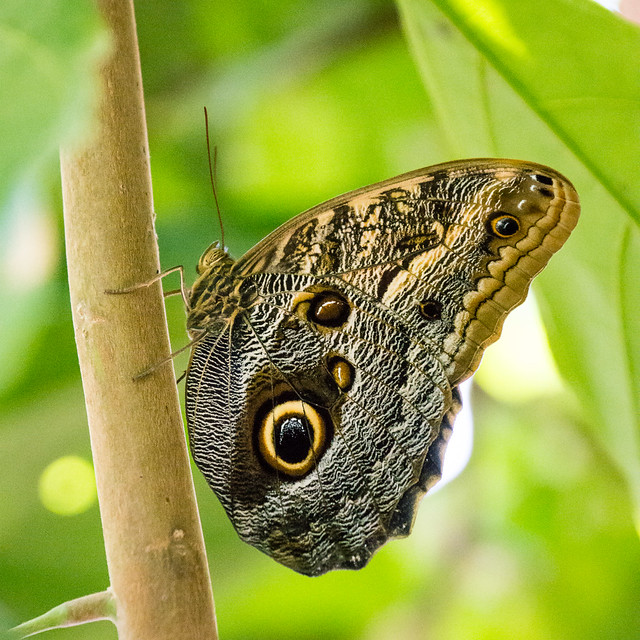
Butterflies & Moths
Some butterflies and moths have colourful patches on their wings that resemble eyes. Scientists speculate that they are used to frighten or distract potential predators. Owl butterfly have a bad reputation for getting drunk on fermented fruit.

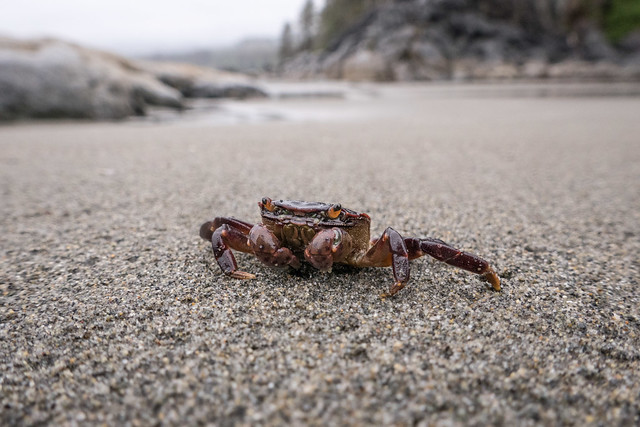
crab

Crabs
Fiddler crabs have almost-perfect all-round vision but, because their eyes don’t move, they use different parts of their eyes in different ways. Their sharpest vision is immediately in front of them and is used to identify and communicate with potential mates. Their overhead vision is limited to perceiving light and dark but is more than adequate for recognizing a seagull swooping down from the sky.

damselfly

Damselflies & Dragonflies
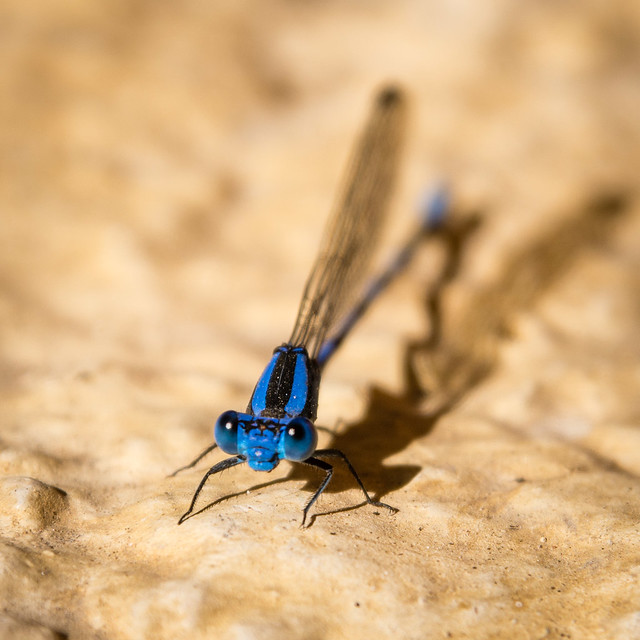
Huge eyes take up most of the space on dragonflies’ and damselflies’ heads. By piecing together images from their 20-30,000 individual lenses, they can see what’s happening all around them, essential for locating and capturing prey while hovering in mid-air. They also have 3 simple eyes on their forehead that can detect light intensity.

fish

Fish
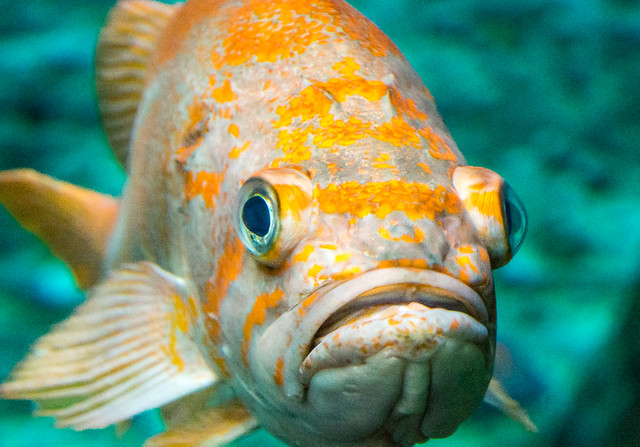
Fish can’t close their eyes as they don’t have eyelids. Some have transparent nictitating membranes they can pull down to protect their eyes, while others have light-activated pigments in their eyes that turn darker when exposed to a bright light.

Bull frog

Frogs & Toads
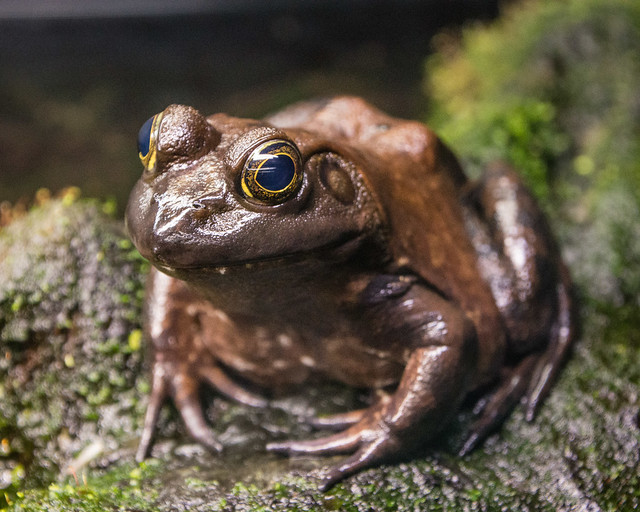
Now this is amazing! Have you noticed that frogs and toads shut their eyes when eating? Their eyes actually move backwards, helping the tongue to push food down their throat.

Barred owl (?)

Owls
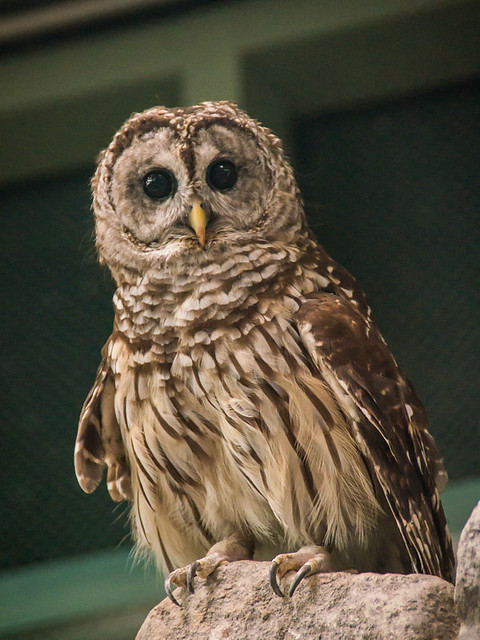
Owls’ eyes are shaped like tubes rather than spheres and are fixed in place, but they can turn their necks up to 135 degrees in either direction. A large retina and an abundance of rods ensure that owls can take advantage of whatever light is available at night. The rod cells are connected differently than human rod cells so they’re able to pick up edges, movement, and silhouettes in dim light.

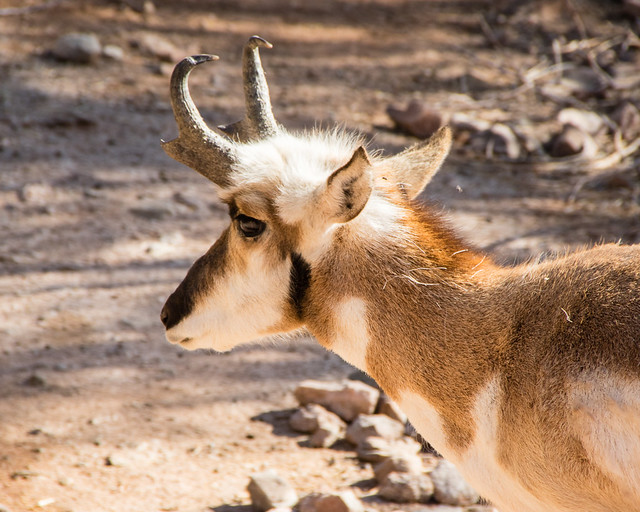
pronghorn

Pronghorn
Pronghorn have large eyes (36 mm in diameter) near the back of their head. They can spot movement up to 6.5 km away and can view objects within a 300-degree arc without moving their head or eyes.

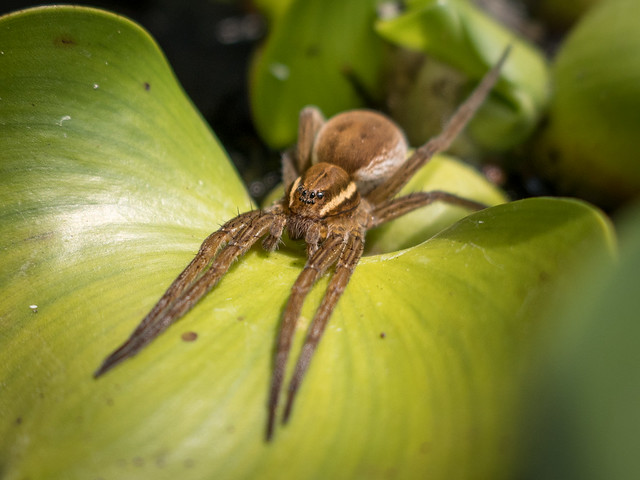
Fishing spider

Spiders
Most spiders have 8 eyes, but they’re not always arranged in the same way. For example, fishing spiders have 2 rows of 4 eyes, while wolf spiders have 3 rows of eyes (4-2-2). “Daylight hunting spiders use their two pairs of ‘side’ eyes to detect the motion of their prey. The spider then uses the two most central eyes to focus on their prey. The pair of eyes next to these are used for depth perception. When the target is close enough, these eyes let the spider know when to strike.”

Wednesday, 13 February 2013

Snakes of Saskatchewan

According to the Chinese Zodiac, 2013 is the Year of the Snake. Snakes aren’t cuddly creatures, so we don’t tend to know a lot about them. Now is our chance to find out more about these sinuous reptiles.

See Also: Saskatchewan's Snakes (January 2020)

Year of the Snake
National Geographic has published an article that lists five parallels between the zodiac sign and the snake in real life.

For example, in the Chinese zodiac, the snake is the master seducer. Well, garter snakes do pretty well in real life too. When a female snake is ready to mate, she produces pheromones and any male snakes in her vicinity are attracted by her scent. They gather around the female in a large, wriggling “mating ball.” Mating balls can be relatively small, but in some places, like Manitoba, garter snakes travel to specific sites to mate and a mating ball can include thousands of males and only a hundred females.

Saskatchewan’s Snakes
Saskatchewan has nine different snakes, including three garter snakes and the western/prairie rattlesnake. All the snakes are carnivorous, eating everything from insects to rodents.

The western hog-nosed snake derives its name from the upturned tip of its snout, which enables it to dig for its dinner. It rolls on its back and plays “possum” when threatened.

Garter Snakes
Garter snakes can be found from one side of Canada to the other. There are garter snakes in the Northwest Territories but none in Newfoundland. They are generally found near water. Although they aren’t poisonous, some species will vibrate their tail against dry vegetation to imitate the sound made by rattlesnakes. If threatened, they release a foul smell from glands near the base of the tail.

Prairie Rattlesnake
The prairie rattlesnake is the only venomous snake on the Prairies and can be found in southwestern Saskatchewan, southeastern Alberta, and south-central British Columbia. Its range extends as far south as northern Mexico. Each time the snake sheds its skin, a ring is added to the string at the end of its tail. The rings knock together and make a rattling noise. The snake will shed its skin three to five times during its first summer and one to three times after that.

Garter Snake in Motion 
Here’s a short video of a garter snake wriggling its way to safety.

For more information: 
Year of the Snake: Serpent behind the Horoscope, National Geographic
Reptiles, Encyclopedia of Saskatchewan, Diane Secoy
Garter Snakes of Canada, Simply Wild Canada
Fast Facts: Prairie Rattlesnake, Canadian Geographic


Nature Companion, a Comprehensive Nature App for Canada's Four Western Provinces