Showing posts with label Agriculture. Show all posts

Thursday, 9 December 2021

Farmland Drainage & the Environment Virtual Conference, December 14-17, 2021


Citizens Environmental Alliance (CEA) is holding the first part of its third annual Farmland Drainage and the Environment Virtual Conference from Dec. 14-17. The topics are listed below along with some additional reading material that may be of interest. Recordings of the discussions will be uploaded to the CEA YouTube channel if you are unable to attend. 

7 pm, Dec. 14 – Lake Diefenbaker Irrigation Projects Town Hall 
Join a panel discussion and Q&A session to learn more about the irrigation project and its implications for Saskatchewan. This session is created to hear different perspectives with regards to the project, to learn from one another, and to ask good questions. 

Panelists: Aaron Gray, Saskatchewan Irrigation Projects Association, and Bob Halliday, Partners for the Saskatchewan River Basin 


Additional Reading Material 
Lake Diefenbaker Irrigation Projects [Water Security Agency/Government of Saskatchewan] 


10 am, Dec. 15 – Crown (Public) Lands Gone Forever 
Lorne Scott’s webinar will discuss Saskatchewan’s Crown Lands, going right from settlement, into the 1930s, return of veterans in the 1940-50s, sell off in 1960s, Wildlife Development Fund, no sales in 1970s, Wildlife Habitat Protection Act (WHPA) 1980 - 90s, the lobby to save Community Pastures, and the Sale of WHPA and other Crown land in 2010-2020. Lorne will also give an overview of the current situation with ongoing breaking of native grassland and aspen parkland and the draining of wetlands on Crown Land. 

Lorne is Conservation Director with Nature Saskatchewan and Co-Chair of Public Pastures Public Interest. Lorne operates a farm near Indian Head and has served as president of the Saskatchewan Wildlife Federation and the Saskatchewan Natural History Society. He was a member of the provincial cabinet, serving as Minister of Saskatchewan Environment and Resource Management. 


Additional Reading Material 
Selling off Saskatchewan, Saba Dar [Sask Dispatch] 


10 am, Dec. 16 – Wetlands and Their Role in the Resilience of Prairie Communities
 
Chris Spence’s presentation will focus on the important role wetlands play in the resilience of the prairies and what the loss of wetlands, prairie, and aspen parkland will mean during future climate change. 

Chris works as a research scientist for Environment and Climate Change Canada (ECCC) in Saskatoon. He holds adjunct professor appointments at the Universities of Saskatchewan and Manitoba. His research focuses on better understanding hydrological and hydro-meteorological processes in cold regions for environmental prediction systems and policy development. ECCC informs Canadians about protecting and conserving our natural heritage and ensuring a clean, safe, and sustainable environment for present and future generations. 


Additional Reading Material 


10 am, Dec. 17 – All Our Conversations Begin with Treaty – The Duty to Consult in Saskatchewan 
Dana Martin will discuss the legal duty to consult Indigenous people and that relationship with society and our environment. 

Dana is the Director of the Battle River Indigenous Relations Council Inc., a not-for-profit corporation established to assist Treaty 6 First Nations in the Battlefords region with Crown consultation. Her background is in Indigenous law and municipal planning. 


Additional Reading Material 

Part 2 of the Farmland Drainage & the Environment Virtual Conference will be held in February 2022. 

Past Articles on EcoFriendly Sask 


Tuesday, 7 December 2021

EcoSask News, December 7, 2021

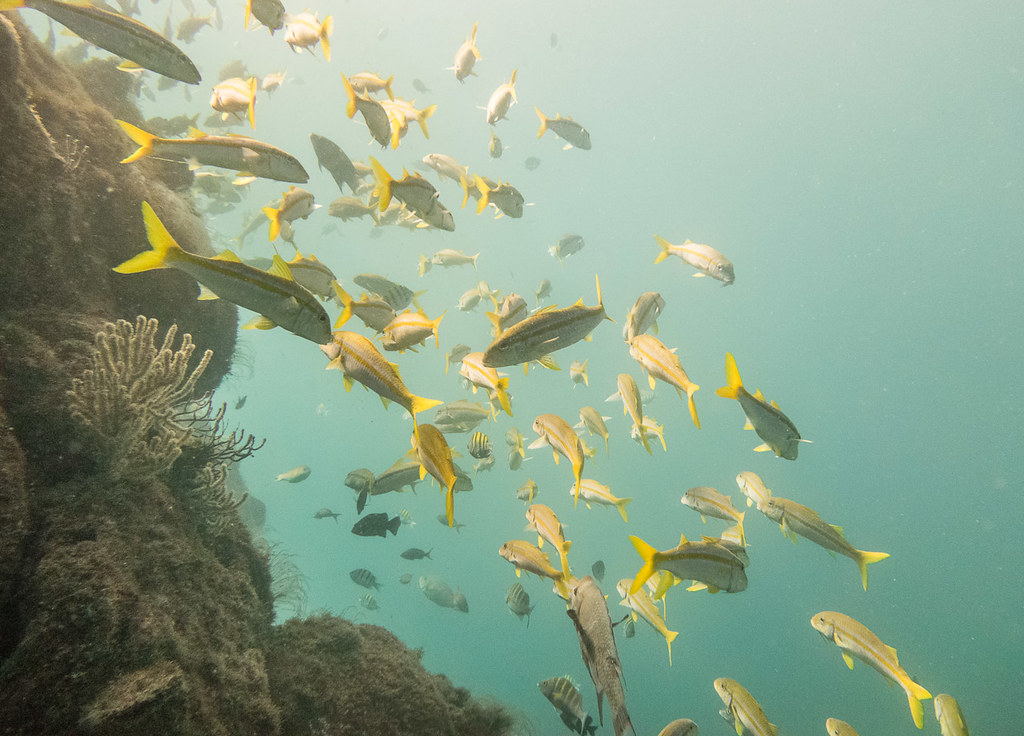
Green moray eel

Upcoming Events 
Citizens Environmental Alliance is holding its third annual Farmland Drainage and the Environment Virtual Conference from Dec. 14-17: 
7 pm, Dec. 14 – Lake Diefenbaker Irrigation Projects Town Hall 
10 am, Dec. 15 – Crown (Public) Lands Gone Forever 
10 am, Dec. 16 – Wetlands and Their Role in the Resilience of Prairie Communities 
10 am, Dec. 17 – All Our Conversations Begin with Treaty – The Duty to Consult in Saskatchewan 

Full details on all upcoming events can be found on the EcoFriendly Sask Calendar 

Across the West 
The Government of Manitoba has leased St. Ambroise Beach Provincial Park to a private operator and is contemplating additional public-private partnerships. [CBC

“The South Saskatchewan River is well into the seasonal changes shared by cold-region rivers worldwide. As temperatures drop, life in and around the river begins to change. While a cover of ice suggests dormancy, under that cap of ice, water still flows, and life carries on.” An article by the South East Alberta Watershed Alliance explains how a cover of ice affects rivers and aquatic life. [SEAWA]
 
Untitled

We Can Make a Difference 
“Organic and agroecological farmers … typically plant a cover crop to restore their soil with nutrients and organic matter. Turns out, cover crops and other key practices in organic, regenerative, and agroecological farming also help farms weather the climate crisis. In addition to keeping soils stable during floods, they protect the ground from extreme heat, which can kill important microbial ecosystems, and help retain moisture during dry spells.” [National Observer

A tiny bridge, just 12 metres long and 30 cm wide across a UK railway line, will connect two endangered hazel dormouse populations thereby increasing genetic diversity. [The Guardian

Strava Metro is a tool for charting human-powered movement. It is now free to urban planners and advocacy groups so they can keep improving active transportation infrastructure. [Strava

7 people talk about how they turned their back on consumerism – from furnishing a home for free to secondhand baby clothes to following the 90-day rule. [The Guardian

Education 
Climate Fresk is a collaborative workshop to collectively understand the implications of climate change and trigger action. Jeremy Williams, The Earthbound Report, says, “Climate Fresk have developed a set of cards that explain climate science … It deals with some surprisingly complicated science, but participants get to the answers through discussion and sharing what they know, tapping into a kind of ‘collective intelligence’.” [Climate Fresk

Climate Watch 
Soon, 1 out of every 15 points of light in the sky will be a satellite. There are currently no regulations to govern an industry creating air and light pollution. [The Conversation

While a controlled release of treated wastewater from oilsands tailings ponds is seen as preferable to a sudden accidental release, concerns are being raised about deteriorating water quality in the Athabasca River and downstream. [CBC

MiningWatch Canada has released an interactive map about mining impacts worldwide, noting issues with polluted air, land, and water; waste management; tourism; and biodiversity. [Environmental Justice Atlas]
 
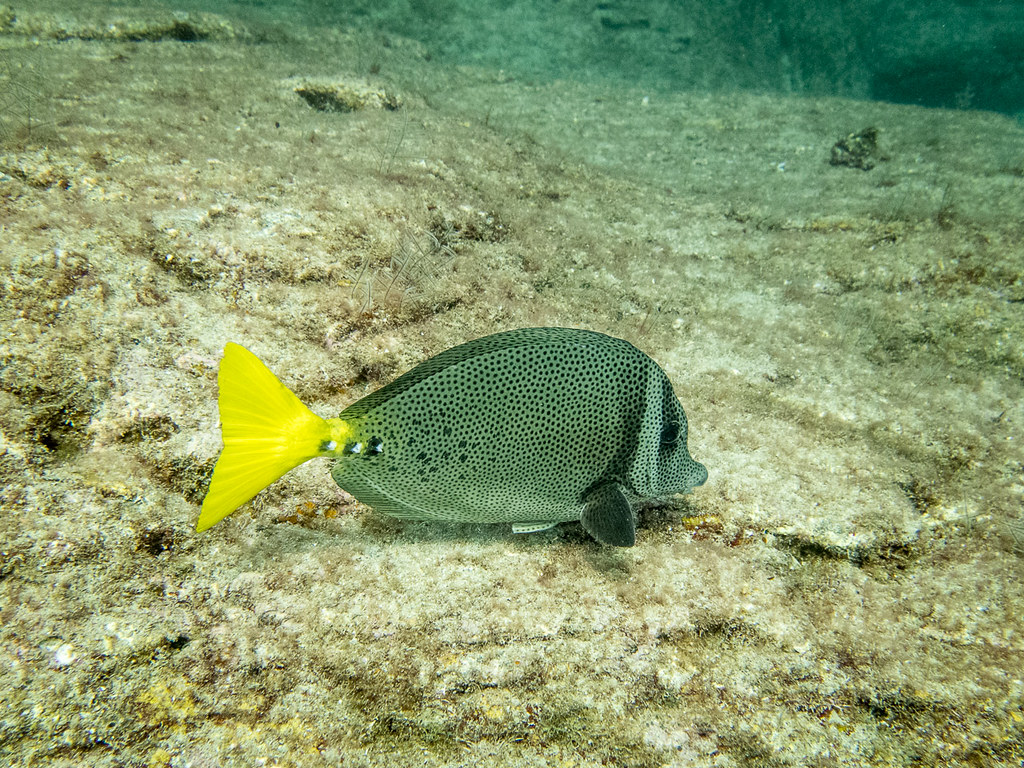
surgeonfish

Good News! 
“Ecuador’s constitutional court has blocked plans to mine copper and gold in Los Cedros, a protected cloud forest, ruling that the plans violate the rights of nature.” [Yale Environment 360

That’s Amazing! 
“Every evening, after twilight gives way to dark, hordes of marine creatures — from tiny zooplankton to hulking sharks — rise from the deep to spend the night near the surface.” Researchers are just beginning to understand the purpose and extent of this vertical migration. [Knowable Magazine

EcoFriendly Sask supports Saskatchewan environmental initiatives through an online publication, an events calendar, small grants, and the Nature Companion website/app. You can follow EcoFriendly Sask by liking us on Facebook, following us on Twitter, or subscribing by email (top right corner).

Tuesday, 30 November 2021

EcoSask News, November 30, 2021

Untitled

Upcoming Events 
One School One Farm is planning an online talk on carbon sequestration in shelterbelt trees at 7 pm, Dec. 7. 

Gardening at USask is offering the following online classes. All classes begin at 7 pm. 
Dec. 9 – Birds in Winter 
Dec. 12 – Insects in Your Garden: An Introduction to Beetles 

There will be a presentation on Saskatchewan’s woodland caribou at the 7:30 pm, Dec. 9, online meeting of the Saskatoon Nature Society. 

Martensville families are invited to make lanterns and take a walk to light up the night with Wildernook Fresh Air Learning at 5, 6:30 & 8 pm, Dec. 12. 

Full details on all events can be found on the EcoFriendly Sask Calendar 

Across the West
The “Trudeau government needs to clarify its competing objectives, with goals to reduce algae blooms while ramping up agricultural production, which will increase nutrient runoff … ‘Lake Winnipeg won’t wait and we need to get on with restoring (its) health.’” [Winnipeg Free Press

The Nature Conservancy of Canada has acquired 646 hectares of grasslands and wetlands located along the eastern shoreline of Chaplin Lake, the second-largest salt lake in Canada. During spring and fall migrations, thousands of shorebirds use Chaplin Lake and the surrounding grasslands to refuel or nest. [Toronto Star

“More than 70% of boreal woodland caribou herds in Canada are in decline, and recent analysis suggests that provincial exemptions allowing forestry and oil and gas activities in critical habitat have accelerated the trend.” [Pembina Institute

Farming the Future: Agriculture and climate change on the Canadian Prairies - a report on improving climate resilience while supporting local livelihoods. [International Institute for Sustainable Development

A “Victoria-based photographer and activist has spent much of the past 15 years searching for and photographing some of Canada's biggest, oldest trees … Most of the trees that Watt finds are slated to be cut down.” [CBC]
 
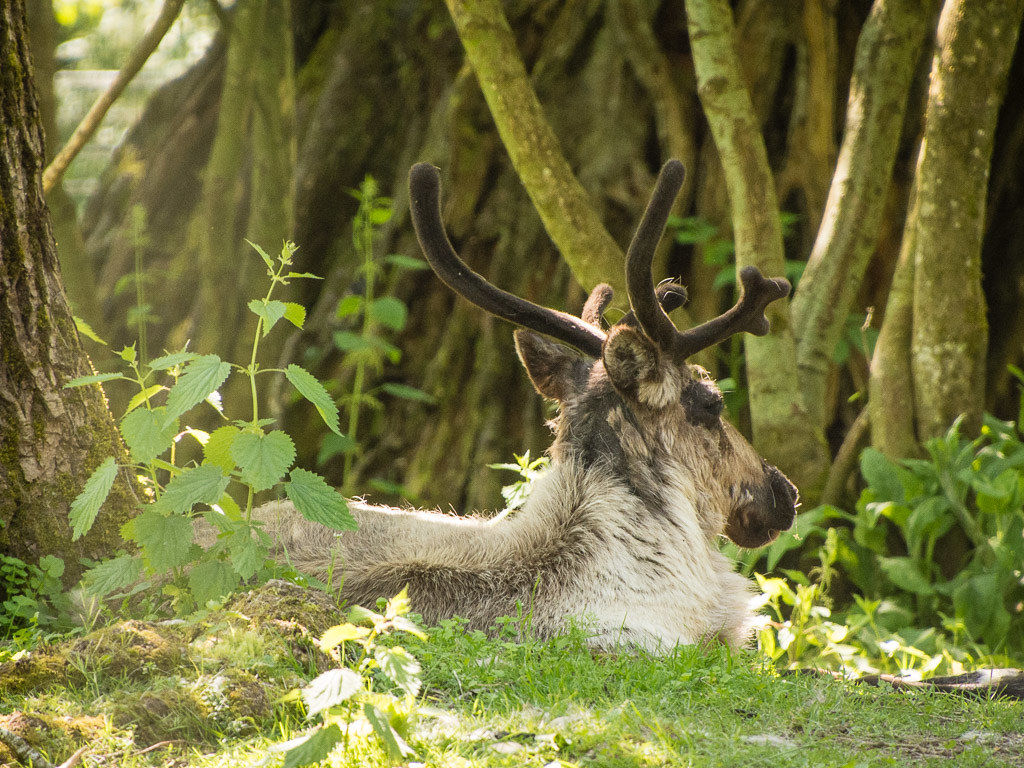
caribou / reindeer

Neighbourhood Planning 
“To create a circular and regenerative future, we should be looking at our neighbourhoods as fertile grounds of change, not merely as consumers of change decided elsewhere … Because the kind of transformative change needed doesn’t happen abstractly – out there – it happens here, in our houses, our offices, our streets, our river catchments, our institutions. And critically, change happens in our own ways of thinking and being … We need to be alert to context and not ask ‘what will work, generically?’ but ‘what will work and be right for this place and contribute to the bigger picture?’” [RSA

Durham Region’s green building practices are expected to “reduce greenhouse gas emissions, build infrastructure that is resilient to future climate change and create a healthier environment for residents.” [DurhamRegion.com

Choices 
“Economists recognize that congestion reflects underpricing: driving is so cheap that it becomes inevitable. You can have free roads or you can have free-flowing traffic but it is economically infeasible to have both.” [Planetizen

6 ways to make your flights greener and ecologically friendly. [Hand Luggage Only

Check out EcoFriendly Sask’s Nature Companion, a free nature app for Canada’s four western provinces


EcoFriendly Sask supports Saskatchewan environmental initiatives through an online publication, an events calendar, small grants, and the Nature Companion website/app. You can follow EcoFriendly Sask by liking us on Facebook, following us on Twitter, or subscribing by email (top right corner). 

Thursday, 18 November 2021

Community Highlight: Saskatchewan Alliance for Water Sustainability


1. How and when did you form your group? 
The Saskatchewan Alliance for Water Sustainability (SAWS) is a grassroots, not-for-profit, volunteer organization made up of members from Last Mountain Lake Stewardship Group (LMLSG), the Calling Lakes Ecomuseum (CLEM), and other concerned citizens. 

The LMLSG was formed in 2002 to steward and monitor the health of Last Mountain Lake water while sustaining the resources for the communities that depend on them. 

CLEM is a grassroots arm of the United Nations and works very closely with the Regional Centre of Expertise on Education for Sustainable Development - Saskatchewan. CLEM believes in protecting the Qu’Appelle Valley’s Calling Lakes using the UN’s 17 goals for sustainable development. 

SAWS was formed on Oct 20, 2017, in response to the Saskatchewan Government giving the green light for the Quill Lakes Watershed Association #14 to drain highly saline water from the Kutawagan-Pel lakes area in the Quill Lakes basin into Last Mountain Lake without an environmental impact assessment. This project, called the Common Ground Drainage Channel Diversion Project (CGDCDP), was the first step in a much larger drainage project that would drain water from the Quill Lakes watershed, 200 kilometres north of Regina, into the Qu’Appelle lakes and river system and eventually into Manitoba, courtesy of the Assiniboine River. 

We have learned from the Universities of Regina and Saskatchewan that the transfer of salt-rich water from the Quill Lakes into Last Mountain Lake could have serious consequences for water quality in the Qu’Appelle River system. The additional salt and nutrients entering Last Mountain Lake would have a negative effect on fish and wildlife habitat, especially in the Last Mountain Lake National Wildlife Area, a federally protected Ramsar site. The proposed volume of water flowing downstream would cause erosion and high-water levels in the smaller lakes in the Lower Qu’Appelle watershed. Further, the chemical composition of salt in the Quill Lakes is far different from that in Last Mountain Lake and would present a contaminant to game fish in the Qu’Appelle lakes and a human health hazard. Without an environmental impact assessment, we will not know the damage until it is too late. 

2. What are your principal activities and why do you believe they’re important? 
We focus on creating awareness about wetlands and the negative impacts that drainage has without a wetland conservation policy. According to the Water Security Agency’s own reports, high water levels in the Quill Lakes are the result of high rain events and agricultural drainage. Despite committing to do so in 2017, the Agency has not closed any of the illegal drainage

Our goal is to work with others to implement long-term solutions for the Quill Lakes high water levels that will benefit all stakeholders and protect the environment. We focus on educating the public and stakeholders, creating a conversation, and advocating for sustainable water management and conservation. 

Our activities are important because people do not understand the importance of wetlands. Wetlands provide all kinds of benefits from flood and drought protection, to filtering contaminants and nutrients from our water, to providing habitat for fish and wildlife including pollinators, to fighting climate change. 

Our education and communication activities include: 
  • Hosting public meetings within our communities to inform residents of how wetland drainage contributes to the pollution of our lakes and rivers. 
  • Producing monthly newsletters that keeps residents up to date on our progress and current news. 
  • Promoting the development of a round table made up of all stakeholders, including scientists, to develop solutions for the Quill Lakes flooding. The Water Security Agency declined to establish one. 
  • Organizing meetings with the Water Security Agency and its Minister to present solutions and discuss WSA’s proposed plans on regulating agricultural drainage. 
  • Contacting provincial government officials and stakeholders requesting they develop a wetland policy for this province. 
  • Producing media releases and responding to interviews. 
  • Creating a SAWS website that provides a history of our communication documents and events. 
  • Maintaining a Facebook page to increase awareness that allows for public discussion. Posts include valuable facts and initiatives on how we can improve water quality, conserve wetlands and our natural environment, show the benefits of wetland protection, and provide news and invitations to webinars and other current events. 
  • Connecting with universities, scientists, and other non-profit groups. 
  • Attending and helping the Citizens Environmental Alliance organize its annual farmland drainage conferences and workshops. 

3. What have been your success to date? 
Our efforts supported the halting of the Quill Lakes Drainage Project without an environmental impact assessment. We gave our support to the judicial review application filed by the Pasqua First Nation (PFN) against the Minister of Environment and Quill Lakes Watershed Association. On January 22, 2018, the drainage plan was withdrawn and any future project cannot proceed without an environmental impact assessment unless PFN, LMLSG, CLEM, Saskatchewan Wildlife Federation, and the public are first notified and given the opportunity for a full written hearing. 

We have created a positive presence in our communities and have gained their interest and support in efforts to protect water and the environment. Our success is due to our grassroots approach of meeting with the communities, providing science from Saskatchewan universities, and being open and transparent about the process. 

4. What would you like to achieve in future? 
Saskatchewan is the only province in Canada that does not have a wetland conservation policy. This lack of regulation is negatively impacting our economy, our communities, and the environment. We would like to see a wetland conservation policy similar to Alberta or Manitoba’s adopted by summer 2022 that provides adequate mitigation when drainage occurs with negative impacts such as downstream flooding, nutrient loading that leads to algae blooms in our lakes, loss of habitat, and the loss of climate change resiliency. 

We would also like to see the Water Security Agency become much more transparent, notifying the public when and where they are licensing drainage projects and providing quality information and alerts for our lakes in an easy-to-use online format. 


5. If you could have 3 wishes for improving your community, what would they be? 
#1 Working together is our only hope for a sustainable future. Partnership is #17 of the United Nations’ goals of sustainable development. 

#2 A Saskatchewan Wetland Conservation Policy building the protection of wetlands into all developments including agriculture, municipalities, recreation, and industry will benefit all Saskatchewan residents. We need natural infrastructure like wetlands to build adaptation and resiliency and to ensure business and environmental success for this province (UN goal #13). 

#3 We need leadership from the Federal and Provincial governments on water management that is based on science and climate change data rather than politics. 

6. Are there volunteer opportunities with your organization? If so, please describe them and indicate how people can contact you. 
We welcome volunteers and ensure volunteer success by working to their strengths. We encourage those with the following skills to reach out to us - writers, artists, scientists, IT experts, and industry expertise (agriculture, potash, fishing etc.). We can be contacted at saskaws@gmail.com

Photo credits: LMLSG (water sampling on Last Mountain Lake), SAWS (boy playing), CLEM (PowWow Parade)

Edited to correct full title of SAWS and a few other details - late afternoon, November 18, 2021

See Also

EcoFriendly Sask supports Saskatchewan environmental initiatives through an online publication, an events calendar, small grants, and the Nature Companion website/app. You can follow EcoFriendly Sask by liking us on Facebook, following us on Twitter, or subscribing by email (top right corner).

Tuesday, 9 November 2021

EcoSask News, November 9, 2021

backlit grass

Upcoming Events 
There will be a climate rally in Saskatoon in support of COP26 from 11:30 am-1 pm, Nov.12. 

Nature Regina is holding an online presentation on the Prussian Carp from 7:30-9 pm, Nov. 15. 

Saskatchewan Environmental Society/Saskatoon Public Library are hosting an online presentation from 7-8:30 pm, Nov. 16, on the future of climate action in Saskatchewan following the Supreme Court of Canada’s carbon pricing decision. 

Learn about stewardship initiatives in the North and South Saskatchewan River Watersheds online at 11 am, Nov. 17. 

Kai Chan, UBC, will be presenting an online lecture on confronting the climate and ecological crisis with intention: what path to genuine policy solutions? from 7-8:30 pm, Nov. 17. 

SK-PCAP is hosting a noon-hour webinar on a prairie grasslands initiative on Nov. 17. 

Dale Eisler will be presenting an online talk on addressing climate change and economic growth: are they compatible? from 12-12:55 pm, Nov. 18. 

Saskatoon Nature Society is hosting an online presentation on fungi, how and where they grow, what they offer mankind at 7:30 pm, Nov. 18. 

Partners FOR the Saskatchewan River Basin is hosting a webinar from 12-1 pm, Nov. 18, on the Bow River reservoir options. 

SaskOutdoors is offering a virtual Below Zero workshop from Nov. 22-29. 

Details about all upcoming events are available on the EcoSask Calendar
 
Untitled

Local News 
The Citizens Environmental Alliance is a volunteer group addressing water drainage issues in Saskatchewan. Their current newsletter contains important information on the ongoing problems in the Quill Lakes Watershed, which could lead to problems in Last Mountain Lake. It also contains links to articles about the cumulative effects of farmland drainage, a First Nation study on toxicity levels in Pasqua Lake, and much more. [Citizens Environmental Alliance

A recent article assembles current Western scientific knowledge on what is known and not known about wetland drainage on the Prairies. [Canadian Water Resources Journal

Friends of Wascana Marsh are looking for volunteers for their board of directors. 

A 2-megawatt solar farm project in Saskatoon “would power roughly 330 homes and reduce greenhouse gases by an average of 450 tons of carbon dioxide equivalent each year.” [CBC]
 
Untitled

Spotlight on Manitoba 
Winnipeg-based Bison, one of Canada’s largest trucking companies, is making an effort to go green. It’s currently testing two of only 40 pre-production battery electric Freightliner tractors in North America. "For a trucking company to jump on to a new technology that has different performance capacity, like shorter range and maybe the ability to hold less freight… the economies of the entire industry need to be adjusted. And the economics is not dependant on the individual corporate budget. It is dependant on the expectations of the entire supply chain." [Winnipeg Free Press


Local climate activists say change is too slow in Winnipeg – “We do need political champions at city hall.” [CBC

In Other News
The Netherlands has had a near-total dependence on natural gas heating. Natural gas-free districts are piloting alternative low-carbon technologies. Heat pumps, bio gas, solar-powered hydrogen electrolysers, and geothermal are some of the ideas municipalities are investigating. [BBC

“Making democracy work better for the climate doesn’t just mean hearing more from people. It means hearing less from those economic interests, such as oil majors and airlines, that have a stake in the high-carbon status quo … What is necessary, then, is not to dispense with democracy, but to double down on it. Seeing climate change not as something that can be solved by experts, nor through individual sacrifices – but by the negotiation of a new sort of social contract between people and the state.” [The Guardian

EcoFriendly Sask supports Saskatchewan environmental initiatives through an online publication, an events calendar, small grants, and the Nature Companion website/app. You can follow EcoFriendly Sask by liking us on Facebook, following us on Twitter, or subscribing by email (top right corner).


Tuesday, 12 October 2021

EcoSask News, October 12, 2021

fall colors

Upcoming Events 
There will be a virtual Wild Ecol Seminar Series presentation on pronghorn and mountain goat population monitoring at 3:30 pm, Oct. 15. 

Ryan Fisher will describe a day in the life of the curator of vertebrate zoology at the Royal Saskatchewan Museum at Nature Regina’s meeting at 7:30 pm, Oct. 18. 

The Saskatchewan Environmental Society and the Saskatoon Public Library are offering an online presentation from 7-8:30 pm, Oct. 19, on uranium: premises, promises & predicaments. 

There will be an online presentation on eagle research and conservation in the intermountain west at the Saskatoon Nature Society meeting at 7:30 pm, Oct. 21. 

Looking Ahead 
The Saskatchewan Waste Reduction Council is hosting a fall workshop from 9-11:45 am, Nov. 4. 

SaskOutdoors is offering a remote first aid course in Lumsden Nov. 12-14. 

Full event details are available on the EcoFriendly Sask Calendar 

Local News 
The Saskatoon Forestry Farm Park and Zoo has won an industry excellence award for the prairie dog exhibit and the Saskatoon Zoo Society for its virtual environmental education programs for children in K-8 that incorporate real-time animal interactions. [City of Saskatoon

The Saskatoon Freeway project has released its preferred route following public consultation. In addition, Partners for Growth has released a planning district zoning bylaw.
 
sparrow

Peaceful Coexistence 
“When negative encounters arise between wildlife and humans, it isn’t a sign that coexistence is failing; it’s a sign that it’s time for those efforts to begin in earnest. Coexistence is a daily intention. A thoughtful and regular pursuit of behaviours and philosophy that humans and wild animals can adapt to living in the same spaces.” [The Fur-Bearers

The West is a “wiry place, containing enough fencing to circle the equator 25 times. Sage grouse, peregrine falcons, and other birds collide with fences, and ungulates must navigate an endless obstacle course.” Fences trap, injure, and kill large animals; separate mothers from calves; and exclude herds from prime habitat. The research done by fence ecologists will be important in identifying solutions. [Undark

Energy Gains & Losses 
Interprovincial connections between electricity grids are an essential element in delivering the clean electricity that is the key to decarbonizing Canada’s economy. [Pembina Institute

The environmental impact of using a ride-hailing app (Uber or Lyft) is 30-35% greater than using a personal vehicle, even if the entire app-based fleet is electric. Any potential benefits are lost when an Uber or Lyft driver travels from one drop-off to the next pickup, or simply drives around waiting for their next fare to be assigned. “Taxes and other public policy approaches could help hold down the external costs of app-based travel, the researchers suggest, for example by encouraging ride-pooling through Uber and Lyft, encouraging app-based travel to destinations where parking is in especially short supply, and discouraging it on routes that are already well served by public transit.” [Anthropocene]
 
Woolybear caterpillar

Not in my Back Yard? 
“Why do insects have to be either beneficial or pests?” Every insect species is an essential “part of a complex web of interacting communities and ecosystems. Every (native) species plays an integral role that would be missed if it were gone … If you lean into the idea that you’re creating [garden] habitat for as many species as you can, success comes easily. Instead of worrying about what’s eating your plants, you’ll start to notice which plants attract the most caterpillars or grasshoppers. Then, you’ll notice where the crab spiders or assassin bugs like to hang out, trying to take advantage of that abundance of prey. Birds will appear too, catching those insects to feed their families or fuel their migration flights. A complex mass of dynamic interactions will be taking place literally in your back yard – and you’ll have a front row seat.” [The Prairie Ecologist

Check out EcoFriendly Sask’s Nature Companion, a free nature app for Canada’s four western provinces. 


EcoFriendly Sask
supports Saskatchewan environmental initiatives through an online publication, an events calendar, small grants, and the Nature Companion website/app. 
You can follow EcoFriendly Sask by liking us on Facebook, following us on Twitter, or subscribing by email (top right corner).

Tuesday, 28 September 2021

EcoSask News, September 28, 2021

autumn sunrise

Upcoming Events 
Last of the Right Whales premieres at the Calgary International Film Fest Sept. 26. It will be available online from Sept 27-Oct 3 in Alberta, Saskatchewan, and Manitoba. 

The Wildlife Rescue Society of Saskatchewan is holding an online information session for rescue and transport volunteers at 2 pm, Oct. 2. 

Library of Things, Saskatoon, will be open for pick-ups by reservation from 1-4 pm, Oct. 2. 

City of Saskatoon residents can dispose of household hazardous waste from 9 am to 3:30 pm, Oct. 3. 

Saskatoon’s Energy Management Task Force is offering an online update on DEEP from 7:30-9:15 am, Oct. 6. 

The Johnson-Shoyama Graduate School of Public Policy is hosting a video conference on measuring greenhouse gas sources and sinks in the Canadian Prairies crop sector from 12-12:55 pm, Oct. 7. Register to participate. 

Looking Ahead 
The Saskatchewan Waste Reduction Council is hosting repair cafés in Regina, Saskatoon, and online from 10 am-2 pm, Oct. 23. You’re encouraged to book an appointment for both live and virtual events. 

Full details on all upcoming events can be found on the EcoFriendly Sask Calendar
 
fall colors

Local News 
Great news - and well deserved! Wild About Saskatoon: NatureCity Experience is a finalist for a national Community Action Award from the National Museum of Nature. 

This article counters the current arguments in favour of grass-raised beef from a cost, scale, and environmental impact perspective. The article states, “Regenerative ranching begins with the assumption that cattle must be commercially ranched and then backfills an ecological narrative to sustain that assumption.” [The New Republic

A joint City/University research study has found a wide range of pharmaceuticals and chemicals in Saskatoon’s wastewater. “The levels we have measured are not high enough to be likely to acutely impact aquatic organisms living in the river. But that does not mean that there are no chronic, long-term implications that might manifest over longer time scales.” [CTV News

Urban Coyote, a poem by Glen Sorestad. [This Singing Land kanikamot askiy

Healthy People, Healthy Environment 
A new report states that climate change is a threat to public health as well as the environment and the economy. It will affect everyone but not equally, depending on factors such as age, access to health care, and economic disadvantages. [Canadian Institute for Climate Choices

The 3-30-300 rule is designed to create equitable access to urban forests, addressing air pollution and urban heat islands. A few communities, such as Saanich in BC, have adopted the rule which calls for every resident to be able to see at least 3 decent-sized trees from their home, live in neighbourhoods with at least 30% tree canopy cover, and live no more than 300 meters from the nearest public green space. [Nature Canada]

fall colors

Pollution Prevention 
The Sierra Club has endorsed a strong statement opposing “unnecessary and harmful artificial lighting during the day and night.” They provide a comprehensive explanation for their rationale as well as a list of the over 70 references and resources that were consulted in developing the policy. [Sierra Club]

“The production of steel, cement, and ammonia together emit about one-fifth of all human-caused CO2. Technologies are emerging that promise to decarbonize these problem industries, but analysts warn that big challenges remain before the processes can be cleaned up.” [Yale Environment 360

Planned obsolescence may be good for phone companies but it’s bad for users’ wallets and even worse for the planet, because it encourages people to treat their phones as disposable. No one really knows how much e-waste (electronic refuse) is generated every year, but one recent estimate put it at 53.6m metric tonnes in 2019. [The Guardian

Book Reviews 
Gernot Wagner, author of Geoengineering: The Gamble, says it’s right to be skeptical about solar geoengineering (reflecting solar radiation back into space), but it can’t be ignored as somebody is likely to try it eventually. [Earthbound Report

“In Hurricane Lizards and Plastic Squid: The Fraught and Fascinating Biology of Climate Change, [Thor] Hanson talks to scientists all over the world about how plants and animals are moving and changing, and why some are inherently better set up for success than others.” [The Revelator


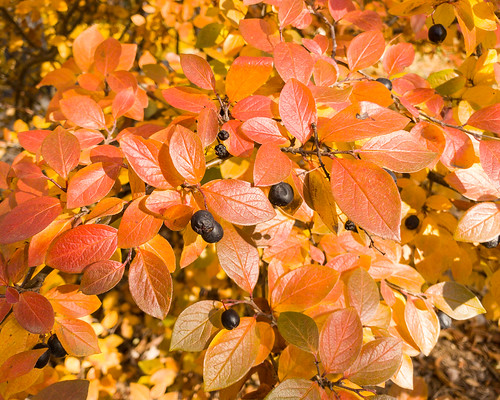
Did you know? Highbush Cranberry belongs to the honeysuckle family and isn’t actually a cranberry. 

EcoFriendly Sask supports Saskatchewan environmental initiatives through an online publication, an events calendar, small grants, and the Nature Companion website/app. You can follow EcoFriendly Sask by liking us on Facebook, following us on Twitter, or subscribing by email (top right corner).

Tuesday, 31 August 2021

EcoSask News, August 31, 2021

deer

Upcoming Events 
EMTF-SK is offering an online presentation on hydrogen fuel technologies from 7:30-9:15 am, Sept. 1. 

Library of Things, Saskatoon, will be open for pick-ups by reservation from the back door in the alley from 1-4 pm, Sept. 4. 

Looking Ahead 
SaskOutdoors is offering a virtual Project Wild training from Sept. 13-Oct. 4. 

Nature Saskatchewan is hosting its fall meet in Moose Jaw on Sept. 18. 

The Richard St. Barbe Baker Afforestation Areas Inc. has planned a number of activities during National Forest Week from Sept. 18-26. 

Full event details are provided on the EcoFriendly Sask Calendar 

Agriculture 
“Diversifying landscapes . . . could conserve nature and help to boost food production . . . landscapes with increased diversity typically produced around 17 to 18 bushels more per acre, of corn and wheat” [Anthropocene

A study of Alberta’s Bow River Basin shows that many farmers who adopt modern irrigation systems expand their operations, leading to increased agricultural water demand and potential water shortages. [Science Direct

Housing 
“What if the most American symbol of unsustainable consumption isn’t the automobile, but the air conditioner?” [Vox

As a result of the pandemic, Americans want larger homes, farther apart, with greater distance to schools and stores – despite the fact that urban sprawl fails to address climate change. [Planetizen

Low-rise, high-density cities have a lower carbon impact than high-rise, high-density cities as high-rises use more materials and need to be built further apart. [npj Urban Sustainability]
 
deer

Cohabiting with Wildlife 
Letter from an urban deer: “Don’t fret if you see us on your lawns. Rewilding is not just about letting a few species run free far away from human civilization. It’s about allowing our world to cross over into your world.” [High Country News

A UK study has found that LED streetlights cause worse light pollution resulting in fewer insect pollinators than traditional sodium bulbs. But that doesn’t have to be the case. “LEDs are dimmable, can be linked to motion sensors and can have cheap filters fitted to screen out blue light.” [The Guardian


Did you know?
The width of the banded woolly bear caterpillar's red band is said to predict the severity of the coming winter, but this isn't the case. The red band lengthens as the caterpillar matures, while wetter weather lengthens the black bands. [Nature Companion, a free nature app for Canada’s 4 western provinces] 

EcoFriendly Sask supports Saskatchewan environmental initiatives through an online publication, an events calendar, small grants, and the Nature Companion website/app. You can follow EcoFriendly Sask by liking us on Facebook, following us on Twitter, or subscribing by email (top right corner).

Tuesday, 17 August 2021

EcoSask News, August 17, 2021

Great Blue Heron

Upcoming Events 
Help Meewasin protect wildlife in Saskatoon’s Northeast Swale by fence tabbing from 6-9 pm, Aug. 18. You can also protect birds during fall migration by applying stickers to the rink in downtown Saskatoon from 9-11 am, Aug. 21. 

Library of Things, Saskatoon, will be open for pick-ups by reservation from the back door in the alley from 1-4 pm, Aug. 21. 

Stan Shadick is offering 3 online workshops to assist with identifying warblers during fall migration from 7-8:30 pm, Aug. 22 & 29, and Sept. 6. There will be an optional field trip from 9-10:30 am, Aug. 29, in Saskatoon. Registration fees will support Living Sky Wildlife Rehabilitation. 

West Coast Environmental Law is offering a webinar on environmental justice in action at 1 pm, Aug. 26. 

Full event details are listed on the EcoFriendly Sask Calendar

Local News 
The Citizens Environmental Alliance says the proposed Lake Diefenbaker Irrigation Project comes at colossal expense and high environmental consequences. [Citizens Environmental Alliance]

Indigenous land users, scientists, and youth are rallying to protect northern Saskatchewan’s peatlands from harvest. [CBC News]

City of Regina will be scanning blue carts to check for items that can’t be recycled. Their goal is to reduce the number of wrong items placed in the carts, which can lower the value of recyclable goods, harm recycling facility workers, and damage equipment. [CJME]
 
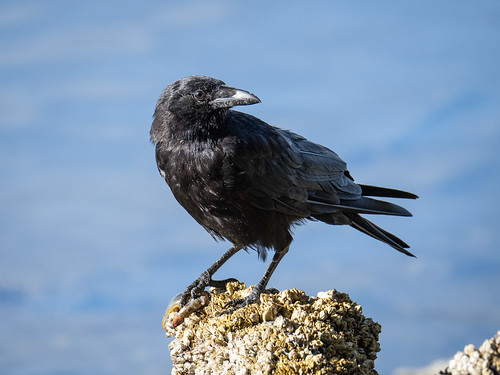
crow eating small fish

Energy Options 
Carbon capture and storage technology “has been under discussion and development for decades and governments are increasingly relying on it to meet their climate goals. But . . . by early 2021 there were only 26 CCS plants operating around the world, capturing 0.1 percent of global yearly CO2 emissions at most. And most of the CO2 captured to date has been used to dig up more oil through Enhanced Oil Recovery.”  [Desmog]

A new report from the Pembina Institute “shows that the climate benefits of blue hydrogen vary depending on the technology used to create it.” [Pembina Institute]

What Can We Do? 
“The key to fighting [climate] despair is to think beyond the individual and seek community support and solutions — especially those that put pressure on governments and companies to make the large-scale changes that are necessary to truly curtail emissions.” [Vox]

Fall bird migration is just around the corner and with it an increased risk of birds fatally colliding with buildings. Here are 5 tips for educating building tenants about bird-safe best practices. [FLAP Canada]

The Cheakamus community forest near Whistler, BC, “is charting new territory when it comes to sustainable timber harvest that outlaws clearcuts, respects Indigenous governance and combats the climate emergency.” [The Narwhal]

The Comox Valley Regional District in British Columbia is considering phasing out gas stations. “Existing gas stations wouldn't be forced to close, but would be considered ‘legally non-compliant’ — and wouldn't be able to add new pumps. New service stations would be allowed to open, but not to provide petroleum-based fuels.” [CBC News]

New Approaches 
“If we want robust and meaningful science to reach the courts, we need to start thinking about how science and the law operate together.” [Union of Concerned Scientists]

Presenting 4 novels that explore climate change and the Anthropocene. [Cool Green Science]

EcoFriendly Sask supports Saskatchewan environmental initiatives through an online publication, an events calendar, small grants, and the Nature Companion website/app. You can follow EcoFriendly Sask by liking us on Facebook, following us on Twitter, or subscribing by email (top right corner).


Tuesday, 20 July 2021

EcoSask News, July 20, 2021

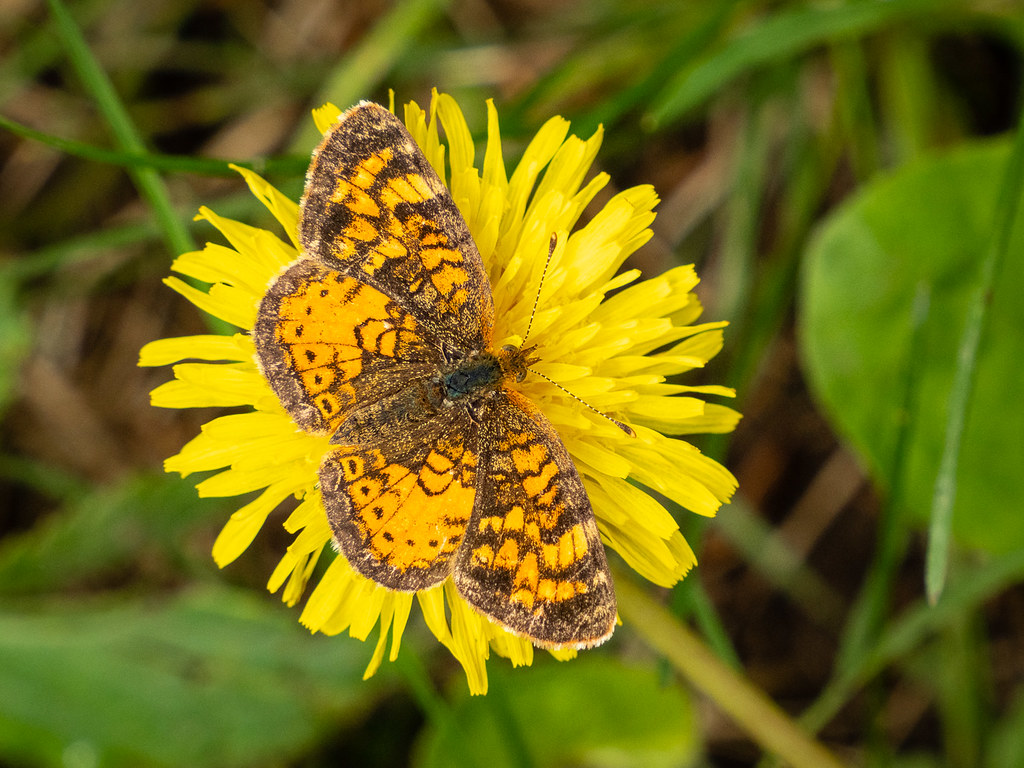
Northern Crescent ?

This Week’s Highlights 
One quarter of methane emissions on oil and gas sites come from tanks, which are designed to allow the methane to off-gas: that’s not a leak, that’s a design problem. [CBC]

Beavers are being reintroduced to Utah’s desert landscape. If they become established, “their impacts can be wide-reaching. Just one beaver dam can improve water quality, as well as acting as a firebreaker for the surrounding land.” [BBC

Upcoming Events 
Efficiency Canada is hosting a virtual energy efficiency networking event from 1-1:45 pm, July 22. 

Join a nation-wide backyard bioblitz coordinated by the Nature Conservancy of Canada, July 29-Aug. 2. 

City of Saskatoon residents can dispose of household hazardous waste from 9 am-3:30 pm, Aug. 8. 

All events are listed on the EcoFriendly Sask Calendar

Local News 
SOS Trees is urging Saskatoon residents to ask City Council to eliminate landfill fees for the safe disposal of elm as a contribution to protecting the city’s urban forest. [SOS Trees

Global warming, urban growth, and spring run-off from farm fertilizers are degrading surface waters in southern Saskatchewan and creating poisonous toxins. [Regina Leader Post

The Wildlife Rescue Society of Saskatchewan and The Fur-Bearers address issues surrounding human-wildlife coexistence through local efforts to protect a family of foxes and to respond to the trapping and killing of coyotes in Vancouver’s Stanley Park. [WRSOS, The Fur-Bearers

Prince Albert's plastic bag ban will go into effect Oct. 12 after being delayed due to the pandemic. Saskatchewan produces the second-most waste per capita in Canada. [CBC]
 
Leconte's Haploa Moth ?

Reuse & Repair
Some reusable kitchenware products have a greater environmental impact than single-use products. Silicone sandwich bags and beeswax wraps use too much water and energy to be beneficial. [Anthropocene

More and more products aren’t easily repairable – from laptop computers to farm machinery. Here's why we need the right to repair and what it should entail – information, parts and tools, legal unlocking, and accommodating repair in design. [New York Times Wirecutter

Retrofitting Our Homes & Cities 
“Pavement — comprising roads and parking lots — takes up roughly 30% of the city surface. . . Removing urban pavement would reduce stormwater run-off and treatment, rebuild natural climate buffers in cities, release soil from confinement, make space to plant trees, sequester carbon, and allow people to breathe fresh air, not asphalt.” [Next City

Home energy renovations (insulation, heat pumps, better windows) could create jobs and save on healthcare costs. [Pembina Institute report

EcoFriendly Sask supports Saskatchewan environmental initiatives through an online publication, an events calendar, small grants, and the Nature Companion website/app. You can follow EcoFriendly Sask by liking us on Facebook, following us on Twitter, or subscribe by email (top right corner).


Did you know? Hawk Moth fly and move like hummingbirds and can be seen hovering in front of a flower while they unfurl their long tongue and insert it in the flower to sip the nectar.

Tuesday, 29 June 2021

EcoSask News, June 29, 2021

Bumble bee on lilac

This Week’s Highlights 
Nature Conservancy of Canada – Saskatchewan is hosting a webinar at 6:30 pm, July 6, on the importance of dark skies as well as tips and tricks for stargazing and nighttime photography. 

Lone trees make it easier for birds and bees to navigate farmlands, providing shelter, food, and places to land. [The Conversation

Upcoming Events 
Saskatoon Nature Society has two upcoming field trips to look for orchids on July 1 and butterflies on July 3. 

Friends of the Saskatoon Afforestation Areas will be holding bio blitzes every Sunday at 2 pm from July 4-Sept. 26.

There will be a free online workshop on food forest design from 10:30 am-1:30 pm, July 6. 

Find out how time and weather influence Saskatchewan’s largest snake in a noon-hour webinar on July 8 with SK-PCAP. 

Local News 
The Water Security Agency has received a failing grade from the Provincial Auditor for failing to regulate wetland drainage. For further information, read the Citizens Environmental Alliance's newsletter.

The Nature Conservancy of Canada’s Asquith site is now open to the public and has a mowed trail with interpretive signs provided with the support of the Saskatoon Nature Society. 

Cindy Wright’s watercolours portraying the importance of bees in our society will be on display at Handmade House in Saskatoon from June 28-Aug. 21.
 
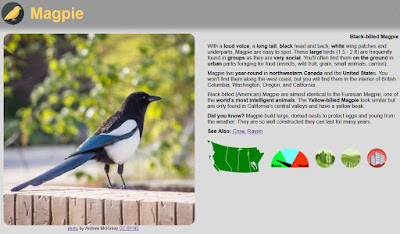
juvenile magpie beside nest

Light Pollution 
“Fireflies use their bioluminescence to flirt in the dark. . . . Under artificial light, males flash about half as often, while females rarely, if ever, flash back.” You can help by installing motion detectors, timers and shielding to ensure that light goes only where people need it, when they need it; keeping lights as dim as possible; and opting for monochrome red LEDs. [The Conversation

Office buildings that leave their lights on overnight pose a serious risk for migrating birds. A research team studied one building and estimated that turning off half the lights could reduce bird deaths by 11 times in the spring and 6 times in the fall. [Anthropocene

Do you wonder why some birds visit your backyard and not others? Many common species avoid noisy areas and even more will stay away when there is both noise and light pollution. [SciTech

Municipal Climate Action 
Miistakis Institute in Alberta has produced the following free, downloadable research reports to assist municipalities in addressing climate action: 

Did You Know? 
Wales plans to freeze road construction projects and focus on maintaining existing roads in a bid to reduce its carbon emissions. [Planetizen]

Project Noah is a site for photographers and naturalists. Share your photos, learn from the experts and take advantage of educational videos, lesson plans, and outdoor learning activities. [Project Noah]

Just for Fun 
How and what do you feed 2,700 animals on a daily basis? Take a look behind the scenes at the Smithsonian’s National Zoo. [Smithsonian Magazine]

EcoFriendly Sask supports Saskatchewan environmental initiatives through an online publication, an events calendar, small grants, and the Nature Companion website/app. You can follow EcoFriendly Sask by liking us on Facebook, following us on Twitter, or subscribe by email (top right corner).


Tuesday, 15 June 2021

EcoSask News, June 15, 2021

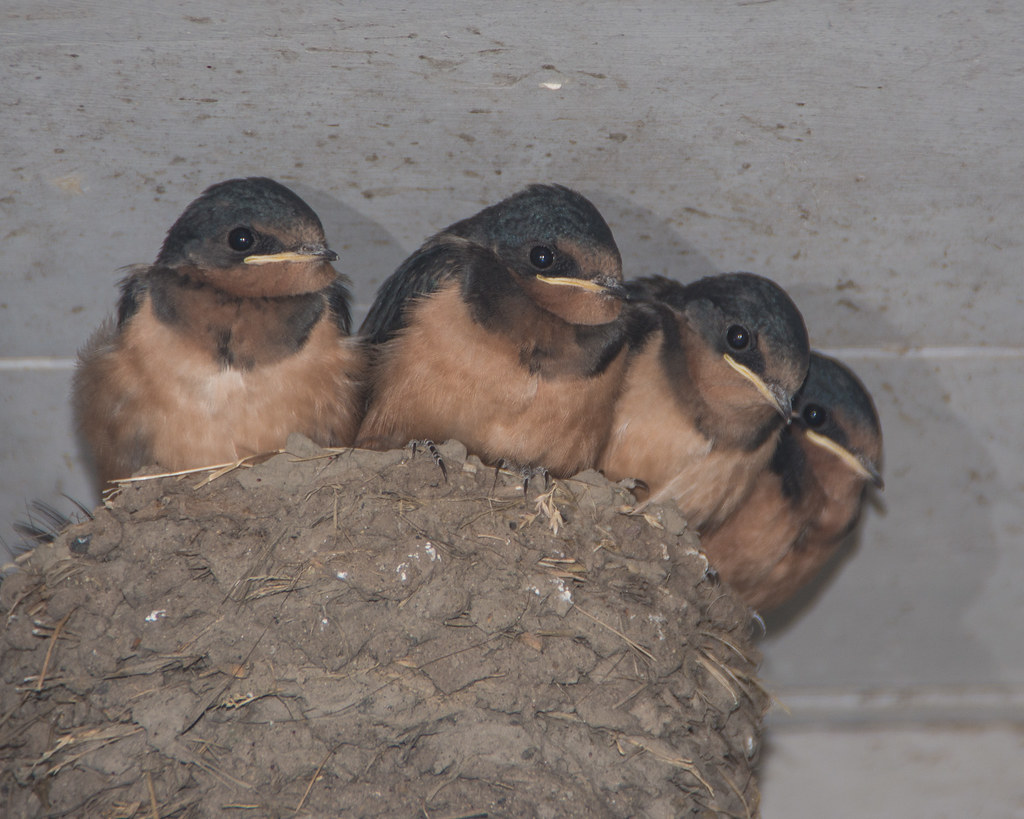
Barn swallows

This Week’s Highlights 
Canadian swallow populations are in rapid decline. Home and farm owners can make a difference by not removing or damaging nests [Nature Canada

A film tour of the proposed peat-mine site in northern Saskatchewan will be followed by a discussion and question period from 7:30-8:30 pm, June 15. 

Upcoming Events 
Protecting, better managing, and restoring Canada’s wetlands (including peatlands), grasslands, and forests can significantly reduce greenhouse gas emissions. To learn more, register for a webinar at 10 am, June 16. 

The City of Saskatoon will be reporting on the natural areas screening that was completed as part of planning for the University Heights 3 development online from 7-8:30 pm, June 21. This area includes both Swales as well as various other remnants of native prairie. 

Michael Nemeth will discuss lessons learned from Saskatoon’s Radiance Cohousing in a Passive House Canada webinar from 10 am-12 pm, June 25. 

Urban Development 
“CPAWS-SK remains engaged in urban and near-urban conservation discussions and will continue to broaden our engagement at a local, regional, and national level to ensure the opportunities for and values of urban conservation are shared and prioritized. . . . We must find new ways to encourage and incentivize our municipalities and governments to see the merit – economic included – of protecting our most valued habitats and species in perpetuity and providing these landscapes with the necessary buffers and connectivity for both flora and fauna to thrive” [CPAWS-Sask

Food Production 
Emissions from food production have been underestimated for decades. A new study shows that, taken as a whole, the food system generates 20-40% of greenhouse gas emissions worldwide [Inside Climate News

Competing interests: Louisiana farmers, the majority of whom lease their land, support state legislation to block solar projects from receiving industrial tax credit [Planetizen]
 
pronghorn and fawn

Activism 
“I wish that everyone who said they believed in angels would actually believe in insects” is the first line of Jay Griffiths’ book Why Rebel? . . . Here, then, the causes for rebellion: survival and awe, beauty and necessity, grace and grief” [book review, Earthbound Report

“We need a new language to communicate about the climate crisis and justice — one that embraces creativity and culture. . . . My activism is no longer rooted in fear or anger, but in love: a love for the people, humanity, and the planet, and love will always be greater than fear. There also has to be a place for fun in the climate justice movement if we’re going to pick ourselves up and keep going after every setback” [op-ed, Teen Vogue

Protecting Wildlife 
For pronghorn and mule deer, fences can change migration routes and cause death or injury. Removing or replacing fences is expensive, hence a software package illustrating the most problematic sections [The Revelator

Check out these online resources on gardening for birds [Nature Canada

The pileated woodpecker – a regal presence with a maniacal call [Wild Life


Did you know? New mule deer mothers usually give birth to a single spotted fawn, while older mothers usually have twins [Nature Companion

EcoFriendly Sask supports Saskatchewan environmental initiatives through an online publication, an events calendar, small grants, and the Nature Companion website/app. You can follow EcoFriendly Sask by liking us on Facebook, following us on Twitter, or subscribe by email (top right corner).