Showing posts with label Caribou. Show all posts

Tuesday, 30 November 2021

EcoSask News, November 30, 2021

Untitled

Upcoming Events 
One School One Farm is planning an online talk on carbon sequestration in shelterbelt trees at 7 pm, Dec. 7. 
Gardening at USask is offering the following online classes. All classes begin at 7 pm. 
Dec. 9 – Birds in Winter 
Dec. 12 – Insects in Your Garden: An Introduction to Beetles 

There will be a presentation on Saskatchewan’s woodland caribou at the 7:30 pm, Dec. 9, online meeting of the Saskatoon Nature Society. 

Martensville families are invited to make lanterns and take a walk to light up the night with Wildernook Fresh Air Learning at 5, 6:30 & 8 pm, Dec. 12. 

Full details on all events can be found on the EcoFriendly Sask Calendar 

Across the West
The “Trudeau government needs to clarify its competing objectives, with goals to reduce algae blooms while ramping up agricultural production, which will increase nutrient runoff … ‘Lake Winnipeg won’t wait and we need to get on with restoring (its) health.’” [Winnipeg Free Press

The Nature Conservancy of Canada has acquired 646 hectares of grasslands and wetlands located along the eastern shoreline of Chaplin Lake, the second-largest salt lake in Canada. During spring and fall migrations, thousands of shorebirds use Chaplin Lake and the surrounding grasslands to refuel or nest. [Toronto Star

“More than 70% of boreal woodland caribou herds in Canada are in decline, and recent analysis suggests that provincial exemptions allowing forestry and oil and gas activities in critical habitat have accelerated the trend.” [Pembina Institute

Farming the Future: Agriculture and climate change on the Canadian Prairies - a report on improving climate resilience while supporting local livelihoods. [International Institute for Sustainable Development

A “Victoria-based photographer and activist has spent much of the past 15 years searching for and photographing some of Canada's biggest, oldest trees … Most of the trees that Watt finds are slated to be cut down.” [CBC]
 
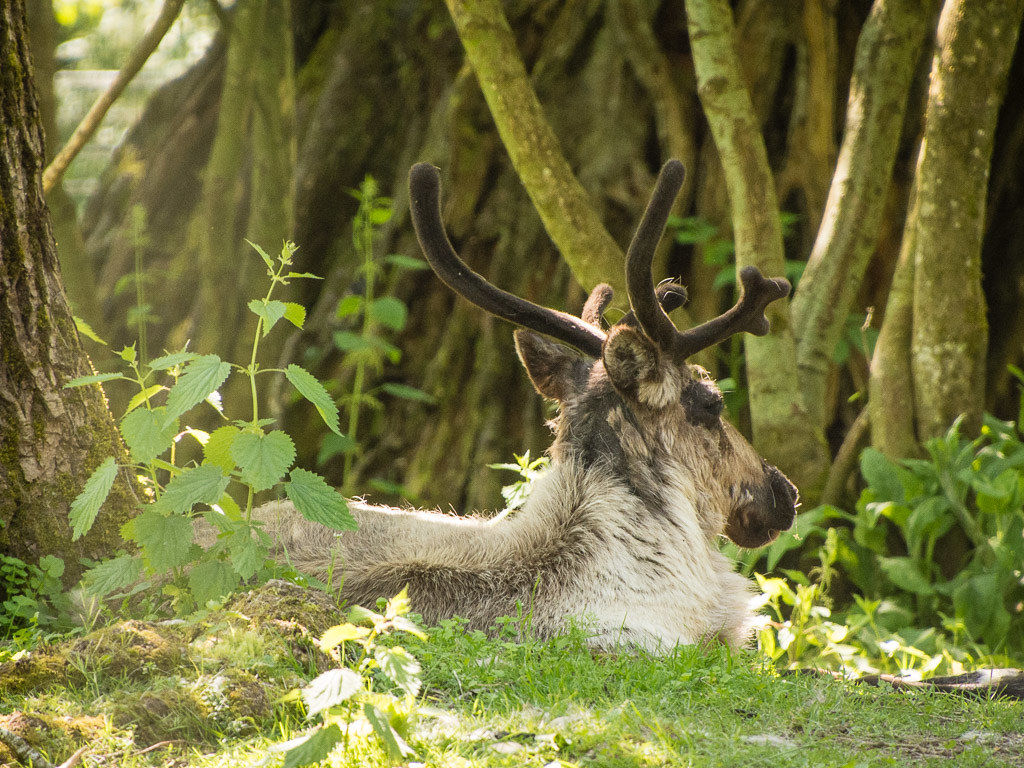
caribou / reindeer

Neighbourhood Planning 
“To create a circular and regenerative future, we should be looking at our neighbourhoods as fertile grounds of change, not merely as consumers of change decided elsewhere … Because the kind of transformative change needed doesn’t happen abstractly – out there – it happens here, in our houses, our offices, our streets, our river catchments, our institutions. And critically, change happens in our own ways of thinking and being … We need to be alert to context and not ask ‘what will work, generically?’ but ‘what will work and be right for this place and contribute to the bigger picture?’” [RSA

Durham Region’s green building practices are expected to “reduce greenhouse gas emissions, build infrastructure that is resilient to future climate change and create a healthier environment for residents.” [DurhamRegion.com

Choices 
“Economists recognize that congestion reflects underpricing: driving is so cheap that it becomes inevitable. You can have free roads or you can have free-flowing traffic but it is economically infeasible to have both.” [Planetizen

6 ways to make your flights greener and ecologically friendly. [Hand Luggage Only

Check out EcoFriendly Sask’s Nature Companion, a free nature app for Canada’s four western provinces


EcoFriendly Sask supports Saskatchewan environmental initiatives through an online publication, an events calendar, small grants, and the Nature Companion website/app. You can follow EcoFriendly Sask by liking us on Facebook, following us on Twitter, or subscribing by email (top right corner). 

Tuesday, 28 July 2020

EcoSask News, July 28, 2020

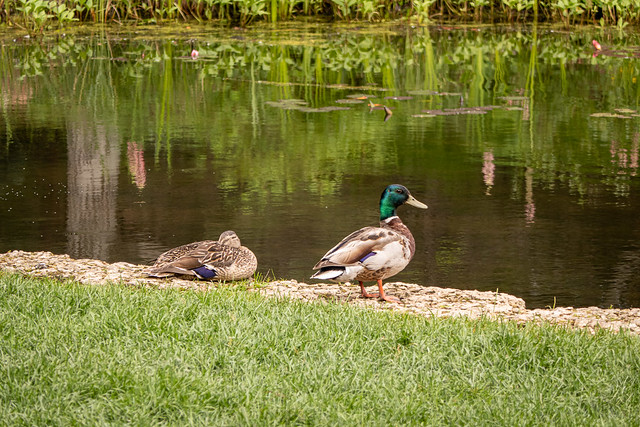
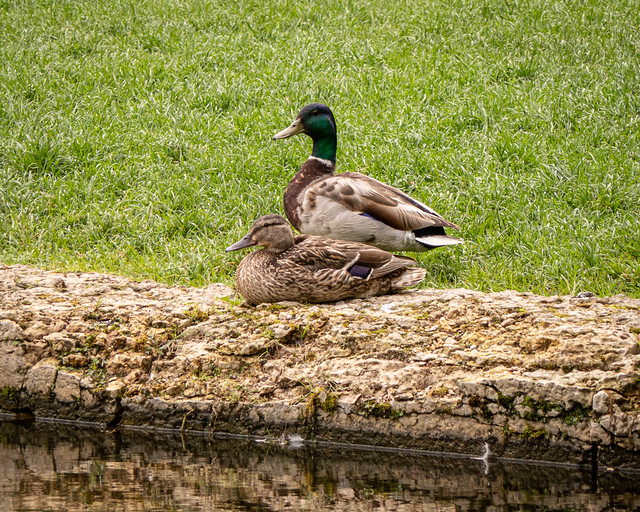
Mallard pair

Upcoming Events
Household Hazardous Waste, Aug. 9 (Saskatoon)
You can dispose of household hazardous waste at City of Saskatoon’s Civic Operations Centre from 9 am-3:30 pm, Aug. 9.

Photo Walk, Aug. 11 (Saskatoon)
Branimir Gjetvaj will be leading a nature-themed photo walk for the Saskatoon Camera Club from 6:30-9:30 pm, Aug. 11.

One School One Farm, Aug. 13 (Saskatoon) 
One School One Farm (OSOF) is holding its annual general meeting from 5-8 pm, Aug. 13, on an acreage just outside of Saskatoon. If you are interested in becoming active in OSOF, email for details. The pilot project is continuing with online/virtual farm visits. Teachers are invited to contact OSOF if they will be able to hold a field trip this fall.

Looking Ahead
Nature Saskatchewan Fall Meet, Sept. 19-20 (Last Mountain) 
Nature Saskatchewan will be holding its Fall Meet from Sept. 19-20 at Last Mountain Bird Observatory.

A full list of upcoming events (online and in person) can be found on the EcoFriendly Sask Calendar

Local News
Women living near natural gas and oil wells that use flaring to burn off excess gas face a 50% greater risk of premature birth than women with no exposure

Saskatchewan has much to learn from Alberta and Manitoba in developing a wetlands drainage policy

Donations to help feed over 20 birds of prey at Salthaven West wildlife rehabilitation centre, Regina, would be greatly appreciated

While woodland caribou have evolved to live with forests disturbed by wildfire, they haven't fared well in forests disturbed by people

Mallard pair

From Information to Action
“When countries put a price on carbon, their national emissions from fuel combustion grow at a rate 2 percentage points less than that of countries without a carbon price”

Calculating carbon emissions from our homes and buildings must include “emissions associated with the manufacturing, transportation, construction, and end-of-life phases of building materials, systems, and assemblies”

Rearranging the deck chairs on the Titanic – why recycling isn’t enough [infographic]

Adopting a nuanced approach when considering plants and animals that are relocating due to climate change

A hydrogen blending project in Fort Saskatchewan will lower the carbon intensity of the residential natural gas distribution network

“To my fellow white Zero Waste-ers, if your environmentalism is not intersectional, you’re not an environmentalist

Nature’s Wonders
How do birds migrate thousands of miles every year without getting lost? 3 possible explanations involving a magnetic field

EcoSask News is a weekly round-up of local news and events. Email us if you have items you would like us to include. 

You can follow EcoFriendly Sask by liking us on Facebook, following us on Twitter, or by email (top right corner). 


Download EcoFriendly Sask’s Nature Companion, a free nature app for Canada’s four western provinces

Tuesday, 9 June 2020

EcoSask News, June 9, 2020

Golden bean

Upcoming Events
Young Naturalists Bluebird Trail, June (Saskatoon) 
Sign up to participate in the Saskatoon Young Naturalists bluebird monitoring trail program on June 15, 17, 19, 22, 23, or 24. Register early as dates are filling up fast.

Plants of the Opimihaw Valley, June 11 (online) 
Find out about the plants of the Opimihaw Valley from 12-12:30 pm, June 11, as part of Wanuskewin’s Snax & Facts series.

Teacher/Outdoor Educator Forum, June 11/12 (online) 
SaskOutdoors is hosting a follow-up forum for teachers and outdoor educators on June 11 and 12 with various time slots for different age groups.

Wascana Marsh Tour, June 13 (Regina) 
Take a guided tour of Wascana Marsh at 11 am, June 13, by emailing friendsofwascanamarsh@gmail.com or download a self-guided tour pamphlet.

Native Prairie Appreciation Week, June 14-20 (online) 
Native Prairie Appreciation Week 2020 is online with a video, webinars (including one with Candace Savage), a plant Id presentation and quiz.

Woodland Caribou, June 16 (online) 
There will be a webinar on the efficacy of habitat restoration for woodland caribou at 2 pm, June 16. Email Caribou.Webinars@gmail.com to participate.

Navigating Risky Play, June 16 (online) 
SaskOutdoors is hosting a webinar on navigating risky outdoor play from 11 am-noon, June 16.

Overnight/Emergency Preparedness, June 17 (online) 
Join SaskOutdoors and Back40 Wilderness First Aid for a webinar about overnight/emergency preparedness from 7:30-8:30 pm, June 17.

Teacher/Outdoor Educator Discussion Panel, June 18 (online)
SaskOutdoors is hosting an online panel discussion with experienced environmental educators sharing their tips for taking learning outside from 11am-noon, June 18.

Wilderness First Aid, June 19-21 (Saskatoon) 
Back40 Wilderness First Aid Training is offering a 20-hour wilderness first aid training course in Saskatoon June 19-21.

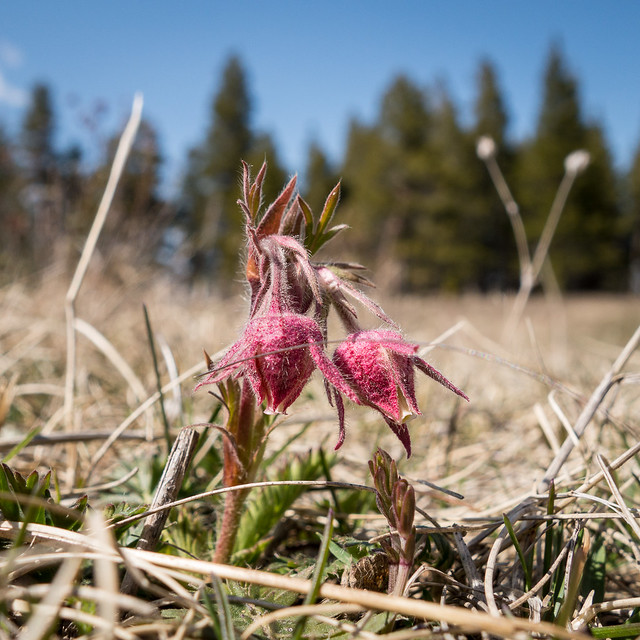
three-flowered aven

Looking Ahead
Waste ReForum, July 14-16 (online) 
The Saskatchewan Waste Reduction Council has switched to an online format for this year's Waste ReForum from 10:30 am-3 pm, July 14-16.

A full list of upcoming events (online and in person) can be found on the EcoFriendly Sask Calendar

Local News
Sign up for Nature Regina’s newsletter and receive information about self-directed family hikes, citizen science projects, and much more.

The University of Saskatchewan has been awarded a $2.5 million grant to increase climate change education, training and public awareness on a global scale.

University of Saskatchewan researchers have developed an app that shows the economic value of shelterbelts while helping landowners determine the best trees to grow.

Where you live in Saskatchewan has an impact on your attitudes towards power production sources.

Stories along the Qu’Appelle Valley offers land-based Indigenous wisdom from Treaty 4 territory, the land of the Saulteaux-Cree, Saulteaux, Dakota, and Nakota peoples.

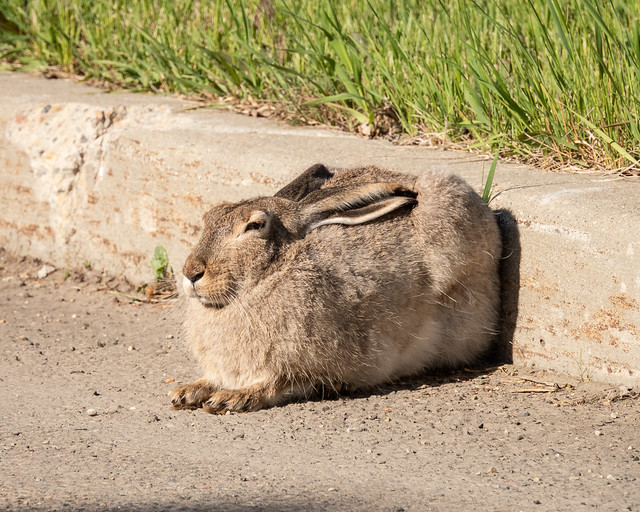
Jackrabbit at Innovation Place

From Information to Action
The incredibly biodiverse world of soil and how it connects to the ground above that we as humans inhabit

Back Market is an online retail platform for secondhand electronics. “They sell refurbished goods through a network of partners, with careful vetting to ensure quality. That allows them to offer a warranty and to provide customer service.”

Rattlesnake populations are declining, and that’s a problem because they’re “key players in grassland food chains, acting as mid-level predators that control rodent populations and serve as a food source for larger predators.”

Manitoba’s Boreal Wetlands Conservation Codes of Practice are designed to “provide guidance on how to avoid, minimize, and offset impacts to boreal wetlands that result from resource roads, access roads, and crossings.”

Austin, TX, is keeping racial equity front and centre in revising its community climate plan.

Conservation planning should ensure a network of protected areas that plants and animals can retreat to as their habitats are altered due to climate change.

EcoSask News is a weekly round-up of local news and events. Email us if you have items you would like us to include. 

You can follow EcoFriendly Sask by liking us on Facebook, following us on Twitter, or by email (top right corner).