Showing posts with label Urban Wildlife. Show all posts

Thursday, 21 October 2021

Wildlife Protection on Urban Roads and Highways

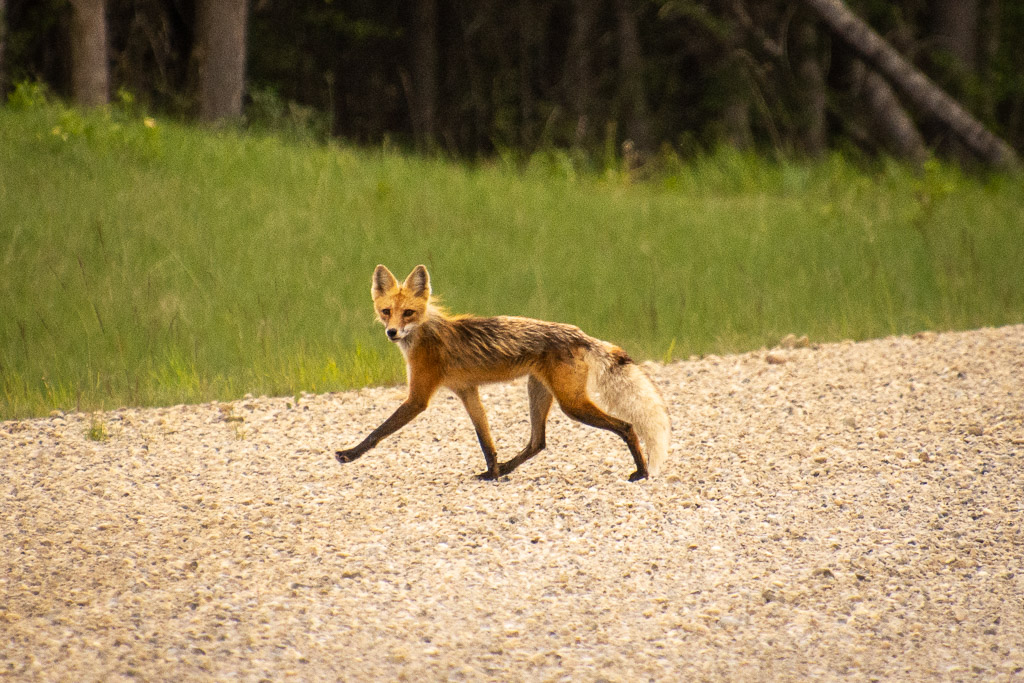
Red fox

Roads are inherently dangerous places for wildlife, whether it’s a female turtle heading to its nesting ground, a fox out hunting, or a mule deer trying to reach the river for a drink of water. 

Threats to Wildlife from Transportation Networks 
Transportation networks create 4 main risks for wildlife: 
1. Loss of life 

2. Loss of habitat, including habitat degradation and fragmentation 

3. Loss of access to critical resources (e.g. nesting sites, water, migratory routes) 

4. Loss of population integrity as herds are sub-divided into smaller groups, increasing the risk of local extinction 

In addition, roads create a new and dangerous habitat where snakes choose to bask in the sun, predators feed on roadkill, and turtles nest in the gravel roadsides. Roads also increase human access to wildlife habitat, raising the risk of poaching, dumping, and other illegal activities. 

Determining Risk and the Need for Wildlife Road Mitigation 
There are a number of factors that need to be considered when planning a road or seeking to mitigate roadkill in a specific area. First and foremost, is the road necessary? Extra roads do not reduce traffic congestion. To effectively address climate change, the focus must be on moving away from a reliance on cars. If the road is absolutely essential, it should be carefully planned, keeping in mind the needs of non-human and human animals. 

1. What is the conservation value of the surrounding habitat? Is the area of particular natural importance (e.g. patch of remnant prairie, wetlands)? 

2. Does the surrounding area shelter threatened or endangered species (e.g. badgers or a sharp-tailed grouse lek)? 

3. How many wildlife live in the surrounding area? Is it home to large herds of deer, a significant breeding ground for frogs, or a rest spot for migrating birds? 

4. Will the road impact wildlife corridors and habitat connectivity? For example, will the road inhibit animals heading to a river for water? Will it cut across traditional migratory routes? 

5. What is the current or potential mortality rate? For existing roads, this can be estimated from roadkill and accident reports. For proposed roads, studies of current wildlife population sizes and movement patterns will provide valuable information. 

6. What are the costs entailed in providing or not providing wildlife road mitigation? An underpass or wildlife bridge may appear prohibitively expensive until it is compared to the expenses and human deaths incurred due to wildlife road collisions.
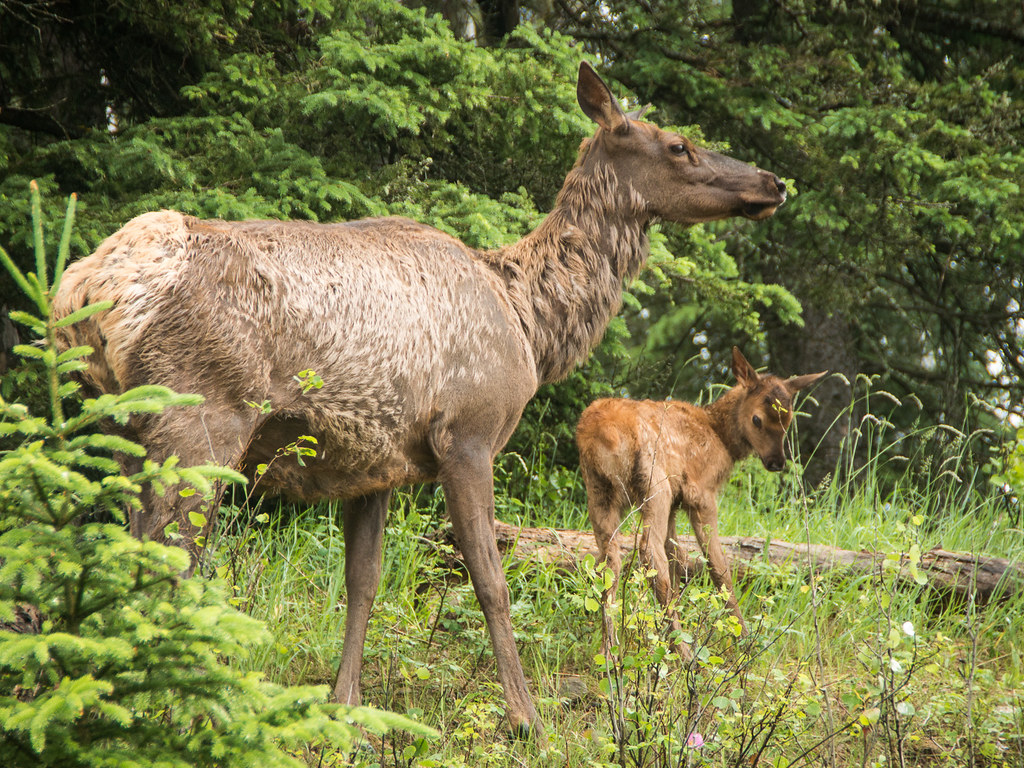
 
elk

Urban Road Considerations 
Roads through or in the vicinity of urban areas involve high traffic volumes and require special consideration even if they do not appear to be ecologically important areas. A study of highway mortalities in southern Alberta showed that road sections close to urban centres were at greatest risk of animal vehicle collisions due to “high traffic volume and abundant deer populations.” 

The risk of collisions can vary significantly for different species. One British study of roadkill along an urban-rural spectrum speculated that “the variation in road kill risk might be attributed to animals developing avoidance behaviours.” However, in urban settings, these adaptations may be offset by “other behavioural changes that are common in urban populations, for example, increased boldness and habituation, including longer response times to threats, such as oncoming vehicles, which could increase roadkill risk.” 

The British study also looked at the significance of urban green spaces but found it difficult to determine their impact. On the one hand, parks may increase the urban wildlife population and encourage species that wouldn’t normally be found in an urban setting. On the other hand, they may provide urban wildlife which have limited home ranges with a low-risk habitat where they can move around without needing to navigate roads. 

Minimizing the Risk of Collisions 
The Wildlife Roadsharing Resource Centre provides an overview of steps that can be taken to avoid animal-vehicle collisions and assesses their effectiveness. 

1. Physically separate animals from the roadway 
Wildlife crossings, combined with exclusion fencing, are the most effective means of reducing wildlife collisions. Fencing in isolation is a barrier to wildlife movement and, unless the fencing is extensive, can lead to clusters of collisions at either end of the fencing. 

2. Influence Driver Behaviour 
Public education can be useful to remind drivers of peak collision times and the optimal way to respond to a potential collision, but it must be accurate and evidence-based. Setting lower speed limits has not proven to be effective, but road designs that encourage a reduction in speed appear to work, although there are mixed results depending on the type of traffic calming measures used. It’s not yet clear whether different animals are attracted to or withdraw from roadway lighting. 

3. Reduce wildlife population size 
To be effective, more than 50% of a population needs to be culled. The public looks more favourably on relocation, but there is a low survival rate for animals that have been relocated and, if not relocated far enough away, the animals will return to their original home. Sterilization is not always effective and can be expensive. It is not permitted along Canadian highways. 

4. Influence animal behaviour 
None of these methods appeared to be effective.
 
Western painted turtle

Improving Road Design 
Studies of existing roadway mitigation initiatives provide helpful advice for future projects. 

1.Build roads near the edges of habitat as opposed to directly through them to reduce fragmentation and the need for crossings 

2. Modify infrastructure and roadside borders to avoid trapping animals or hindering movement 

3. Map light-sensitive areas (e.g. wetlands with breeding amphibians) to inform the installation (or non-installation) of lighting 

4.Install noise barriers to minimize disturbance of neighbouring natural areas 

5. Improve the surface of underpasses and shorten the length of culverts to make it easier for animals to use them 

6. Plan ahead for the long-term maintenance of fencing and eco-passages and ensure that they will not interfere with snow clearing and other road maintenance activities 

7. Consult experts with prior experience 

Importance of Wildlife Advocates 
Public education plays an important role in mitigating wildlife fatalities. Miistakis Institute held workshops with members of the public about wildlife-vehicle collisions and found that participants emphasized human safety over wildlife connectivity. “However, roads may have a significant impact on wildlife via direct mortality or avoidance behavior by species sensitive to road disturbance. Thus, ensuring safe passage of wildlife across roads is an important strategy for maintaining biodiversity and protecting species at risk. Public education and science-policy translation regarding the need for investments in mitigation in support of biodiversity and species-at-risk recovery planning is urgently needed.” 

Collaboration and information sharing across specialties can prove valuable. “Improving the way wildlife/road interactions are managed in Ontario has been championed by the Ontario Road Ecology Group (OREG), a not-for-profit organization that protects biodiversity from the threats of roads by facilitating partnerships among government and non-government agencies dedicated to resolving road ecology issues through research, policy, and stewardship.”
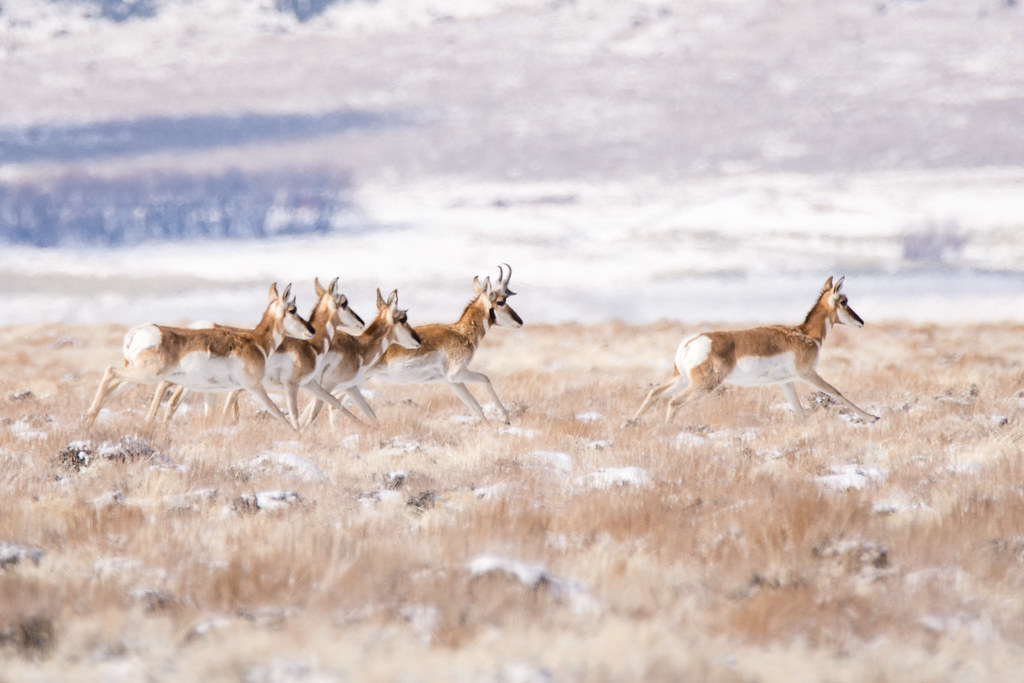
 
Pronghorn

If you are concerned about road construction in Saskatoon, be sure to join forces with the Northeast Swale Watchers.

EcoFriendly Sask supports Saskatchewan environmental initiatives through an online publication, an events calendar, small grants, and the Nature Companion website/app. You can follow EcoFriendly Sask by liking us on Facebook, following us on Twitter, or subscribing by email (top right corner).


Thursday, 14 October 2021

Exploring Your Neighbourhood: Tips for Curious Urban Naturalists

the path to Innovation Place

“I would never dream of walking a woodland pathway or a riverbank or a sweep of Puget Sound shoreline without my binoculars. Now I had declared the sidewalk my path. That meant I had to carry my binoculars everywhere.” (Lynda Lynn Haupt, Crow Planet: Essential Wisdom from the Urban Wilderness) 
We don’t always have the time to visit a wilderness area, but that doesn’t stop us from exploring the nature which is all around us – even in the city. Here are just a few ideas to help you jumpstart explorations of your neighbourhood. 

Macro Explorations 
Invest in a magnifying glass or use the magnifier app on your phone to take a close look at the veins in a leaf, a snowflake, or an insect. 

Explore the cracks in the sidewalk. What plants can you identify? 

Lift up a rock. What do you find underneath? (Be sure to replace the rock once you’ve had a good look.) 

Seasonal Celebrations 
Go for an evening/night walk every month when the moon is full. 

See if you can guess when the first pelicans or other migratory birds will arrive back in your community. Saskatoon residents can participate in the annual Pelican Watch Contest. 

Mark on your calendar the first time you spot a robin, a prairie crocus, or other flowers in the spring. What is the last day you see a robin or prairie flower in the fall?
 
American Robin

Walk Differently 
Take a walk around your neighbourhood looking for natural objects that are somehow alike (the same colour, the same shape). 

Slow down and listen - what can you hear? 

Take a walk at a different time of day – early in the morning or late at night. Look for bats swooping over a river or lake at dusk as they search for insects. 

Take a close look at one or two trees. What kind of tree are they? What lives in the tree (bird nests, moth cocoons, insects, spider webs)? Feel the texture of the bark. 

What birds do you see the most frequently? Choose one and see what you can learn by watching the way it moves. 

Choose a small plot of land (in your garden or a nearby area) and visit it regularly. How many different plants, insects, and other animals can you observe in your small area? How does it change from month to month? What is the soil like? What kind of rocks can you see? Take photographs or record your findings in a journal. 

Draw a map of your neighbourhood and include your favorite natural features – the puddles where the pigeons take a shower, the rowan tree with its bright red berries.
 
berries

Winter Explorations 
Don’t let snow and cold keep you indoors. There are so many ways to enjoy nature in winter – from snowshoeing and winter camping to pishing for chickadees and identifying animal tracks. 

Look for insects in the snow. 

Decorate a Christmas tree for the birds. What birds does it attract? Which treats are the most popular? 

Further Reading 
The Urban Bestiary, Lyanda Lynn Haupt 


Be sure to download Nature Companion, EcoFriendly Sask’s free nature app, to your phone for easy access to information about the plants, trees, or animals you spot on your walks (downloadable directly from the Nature Companion website). 

EcoFriendly Sask supports Saskatchewan environmental initiatives through an online publication, an events calendar, small grants, and the Nature Companion website/app. You can follow EcoFriendly Sask by liking us on Facebook, following us on Twitter, or subscribing by email (top right corner).

Tuesday, 31 August 2021

EcoSask News, August 31, 2021

deer

Upcoming Events 
EMTF-SK is offering an online presentation on hydrogen fuel technologies from 7:30-9:15 am, Sept. 1. 

Library of Things, Saskatoon, will be open for pick-ups by reservation from the back door in the alley from 1-4 pm, Sept. 4. 

Looking Ahead 
SaskOutdoors is offering a virtual Project Wild training from Sept. 13-Oct. 4. 

Nature Saskatchewan is hosting its fall meet in Moose Jaw on Sept. 18. 

The Richard St. Barbe Baker Afforestation Areas Inc. has planned a number of activities during National Forest Week from Sept. 18-26. 

Full event details are provided on the EcoFriendly Sask Calendar 

Agriculture 
“Diversifying landscapes . . . could conserve nature and help to boost food production . . . landscapes with increased diversity typically produced around 17 to 18 bushels more per acre, of corn and wheat” [Anthropocene] 

A study of Alberta’s Bow River Basin shows that many farmers who adopt modern irrigation systems expand their operations, leading to increased agricultural water demand and potential water shortages. [Science Direct] 

Housing 
“What if the most American symbol of unsustainable consumption isn’t the automobile, but the air conditioner?” [Vox] 

As a result of the pandemic, Americans want larger homes, farther apart, with greater distance to schools and stores – despite the fact that urban sprawl fails to address climate change. [Planetizen] 

Low-rise, high-density cities have a lower carbon impact than high-rise, high-density cities as high-rises use more materials and need to be built further apart. [npj Urban Sustainability]
 
deer

Cohabiting with Wildlife 
Letter from an urban deer: “Don’t fret if you see us on your lawns. Rewilding is not just about letting a few species run free far away from human civilization. It’s about allowing our world to cross over into your world.” [High Country News] 

A UK study has found that LED streetlights cause worse light pollution resulting in fewer insect pollinators than traditional sodium bulbs. But that doesn’t have to be the case. “LEDs are dimmable, can be linked to motion sensors and can have cheap filters fitted to screen out blue light.” [The Guardian] 


Did you know?
The width of the banded woolly bear caterpillar's red band is said to predict the severity of the coming winter, but this isn't the case. The red band lengthens as the caterpillar matures, while wetter weather lengthens the black bands. [Nature Companion, a free nature app for Canada’s 4 western provinces] 

EcoFriendly Sask supports Saskatchewan environmental initiatives through an online publication, an events calendar, small grants, and the Nature Companion website/app. You can follow EcoFriendly Sask by liking us on Facebook, following us on Twitter, or subscribing by email (top right corner).

Tuesday, 20 July 2021

EcoSask News, July 20, 2021

Northern Crescent ?

This Week’s Highlights 
One quarter of methane emissions on oil and gas sites come from tanks, which are designed to allow the methane to off-gas: that’s not a leak, that’s a design problem. [CBC]

Beavers are being reintroduced to Utah’s desert landscape. If they become established, “their impacts can be wide-reaching. Just one beaver dam can improve water quality, as well as acting as a firebreaker for the surrounding land.” [BBC] 

Upcoming Events 
Efficiency Canada is hosting a virtual energy efficiency networking event from 1-1:45 pm, July 22. 

Join a nation-wide backyard bioblitz coordinated by the Nature Conservancy of Canada, July 29-Aug. 2. 

City of Saskatoon residents can dispose of household hazardous waste from 9 am-3:30 pm, Aug. 8. 

All events are listed on the EcoFriendly Sask Calendar

Local News 
SOS Trees is urging Saskatoon residents to ask City Council to eliminate landfill fees for the safe disposal of elm as a contribution to protecting the city’s urban forest. [SOS Trees] 

Global warming, urban growth, and spring run-off from farm fertilizers are degrading surface waters in southern Saskatchewan and creating poisonous toxins. [Regina Leader Post] 

The Wildlife Rescue Society of Saskatchewan and The Fur-Bearers address issues surrounding human-wildlife coexistence through local efforts to protect a family of foxes and to respond to the trapping and killing of coyotes in Vancouver’s Stanley Park. [WRSOS, The Fur-Bearers] 

Prince Albert's plastic bag ban will go into effect Oct. 12 after being delayed due to the pandemic. Saskatchewan produces the second-most waste per capita in Canada. [CBC]
 
Leconte's Haploa Moth ?

Reuse & Repair
Some reusable kitchenware products have a greater environmental impact than single-use products. Silicone sandwich bags and beeswax wraps use too much water and energy to be beneficial. [Anthropocene] 

More and more products aren’t easily repairable – from laptop computers to farm machinery. Here's why we need the right to repair and what it should entail – information, parts and tools, legal unlocking, and accommodating repair in design. [New York Times Wirecutter] 

Retrofitting Our Homes & Cities 
“Pavement — comprising roads and parking lots — takes up roughly 30% of the city surface. . . Removing urban pavement would reduce stormwater run-off and treatment, rebuild natural climate buffers in cities, release soil from confinement, make space to plant trees, sequester carbon, and allow people to breathe fresh air, not asphalt.” [Next City] 

Home energy renovations (insulation, heat pumps, better windows) could create jobs and save on healthcare costs. [Pembina Institute report] 

EcoFriendly Sask supports Saskatchewan environmental initiatives through an online publication, an events calendar, small grants, and the Nature Companion website/app. You can follow EcoFriendly Sask by liking us on Facebook, following us on Twitter, or subscribe by email (top right corner).


Did you know? Hawk Moth fly and move like hummingbirds and can be seen hovering in front of a flower while they unfurl their long tongue and insert it in the flower to sip the nectar.

Tuesday, 6 July 2021

EcoSask News, July 6, 2021

White-tailed deer

Upcoming Events 
Sierra Club – Prairie Chapter is organizing a series of hikes in Saskatchewan this summer: 
7 pm, July 6 – Cranberry Flats Conservation Area, Saskatoon (1.8 mile loop, easy) 
7 pm, July 9 – Northeast Swale, Saskatoon (5 km, easy) 
1:30 pm, July 15 – Anglin Lake Loop, Prince Albert (9 km, moderate) 
noon, July 20 – Fairy Hill Trail, Regina (5.6 km, moderate) 
11 am, July 21 – Wascana Trail Loop, Regina (4.8 km, easy) 

There will be a Train the Trainer: Orienteering workshop in Regina from 10 am-noon, July 10. 

City of Saskatoon residents can dispose of household hazardous waste from 9 am to 3:30 pm on July 11. 

Forests 
Miniature urban forests, from 6 to 250 square metres, may not solve climate change but “can have positive impacts on things like urban cooling, water regulation, and biodiversity.” [National Geographic] 

Canadian government and industry representatives are lobbying against a California proposal that would protect intact boreal forests and respect Indigenous rights. [The Narwahl] 

Protecting endangered species is never easy and often conflicts with industry. Take, for example, the marbled murrelet in BC: “The marbled murrelet may be small, but its nesting habitat requirements are vast and specific. Just a moss covered branch that’s high in the canopy of a centuries-old tree, close— but not too close—to the sea.” [Capital Daily] 


Urban Opportunities 
What a wealth of natural resources and biodiversity in the area currently under consideration for the new University Heights neighbourhood in Saskatoon! Rare plants and birds, wetlands, native grasses, a sharp-tailed grouse lek, and more are all at risk from construction, roads, and houses. [City of Saskatoon] 

Cities can help solve the biodiversity crisis with wildlife creating niches in unexpected places - from golf courses and cemeteries to community gardens, backyards, and vacant lots. [Yale Environment 360] 

Green roofs have an important role in climate action and sustainable, energy-efficient and biodiversity-integrated design and development. [National Environmental Treasure] 

Energy 
A water treatment plant in Halifax will supply renewable energy to six mixed-use buildings. [Water Canada] 

Diesel subsidies to remote communities impede transition to clean energy systems. [Pembina Institute]
 
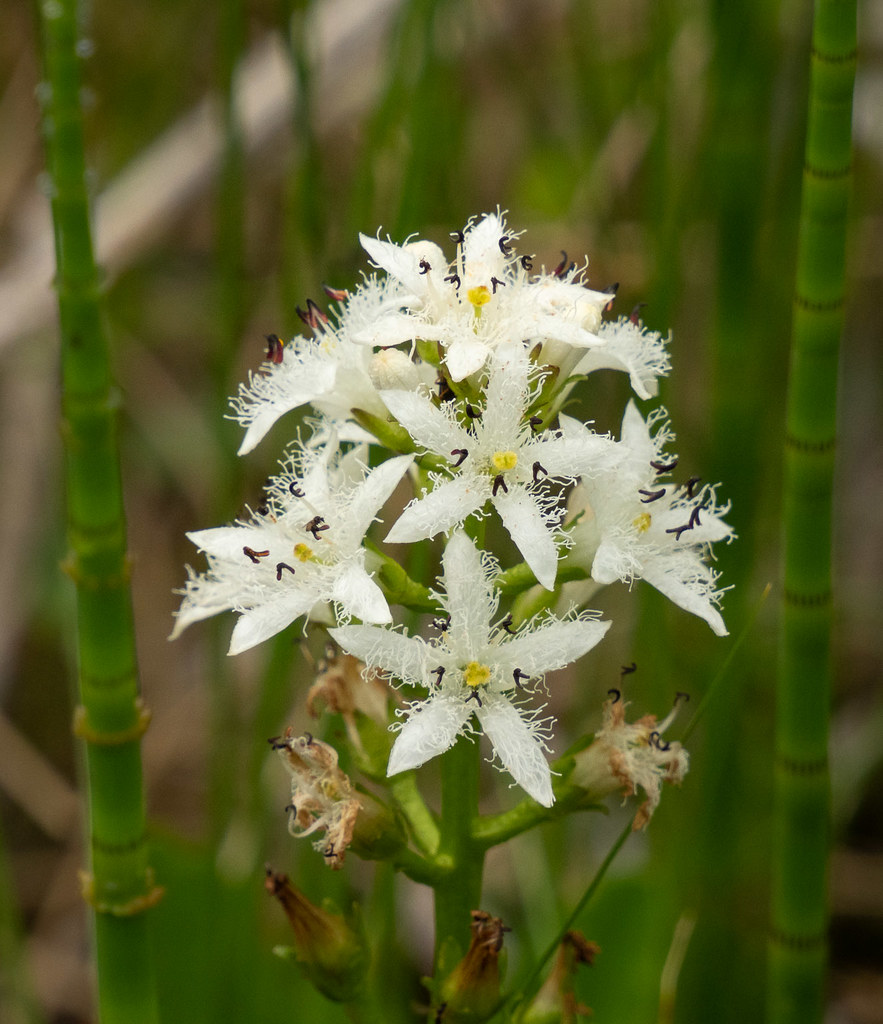
Bogbean

What a Great Idea! 
A decommissioned bridge across the Mississippi River could be turned into a national park and wildlife bridge. [Inhabitat] 

Alex Honnold’s Sustainability Tick List outlines small steps leading to big change in lowering our environmental impact. [Honnold Foundation] 

EcoFriendly Sask supports Saskatchewan environmental initiatives through an online publication, an events calendar, small grants, and the Nature Companion website/app. You can follow EcoFriendly Sask by liking us on Facebook, following us on Twitter, or subscribe by email (top right corner).
Thursday, 20 May 2021

Wildlife Rescue Society of Saskatchewan


In 2006, a group of wildlife rehabilitation professionals established a provincial wildlife rescue association. Animals were being picked up unnecessarily and the rehabbers wanted to stop that happening by establishing a telephone hotline to provide members of the public with advice on what to do about an injured or possibly abandoned animal.

From its humble beginnings, the Wildlife Rescue Society of Saskatchewan has expanded unimaginably. Calls in the last two years have doubled with just under 5,000 calls in 2020. There were days last summer when they received 50 calls in a single day. Bonnie Dell, president of WRSOS, was monitoring the hotline one day this spring and noted 20 major calls involving a beaver, a grey horned owl, a saw-whet owl, a moose, and a goose. 

It’s not just members of the public who are calling in. It’s also municipalities and provincial wildlife conservation officers. “It’s really a community service,” explains Bonnie. “If it weren’t for us, there would be no one to call.” And all this work is being done by volunteers, with help from students in the summer. Here’s how it works. 

Obtaining Help for an Injured or Abandoned Wild Animal 
If you’re concerned about a wild animal, a good place to start looking for help is on the WRSOS website. Wildlife 911 provides detailed information about what to do in a wide variety of different situations, from a bat in the attic to a bird that is unable to fly. The website also provides tips on when to call the hotline (e.g., the animal is bleeding or a dead parent is lying nearby). 

Volunteers answer calls on the WRSOS hotline (306-242-7177) 12 hours a day, 365 days a year. Leave a message and your call will be answered immediately. “You’ll rarely wait more than 10-15 minutes for a call back,” Bonnie says. 

Volunteers have received training and can assist you in deciding what needs to be done. The Society has over 150 volunteers from every part of the province who go out of their way to capture and transport sick or injured animals. It’s a huge undertaking as the need is often urgent. Some volunteers are driving up to 10,000 km a year. 

Rescued animals are taken to a designated veterinary clinic or to a licensed wildlife rehabilitation professional. The veterinary clinics generously provide their services free of charge as do the wildlife rehabbers. It can still be an expensive proposition with some animals requiring surgery while others are over-wintered and eat enormous amounts of food. 

The volunteer’s role is often demanding. “There are things I’ve seen and done that haunt me,” Bonnie says. “But I also know I’ve saved a lot of suffering that was caused by human activity.” And sometimes, when things work out, volunteers have the ultimate reward of returning a rescued animal to the wild. 


A Job for Professionals 
The individuals who run wildlife rehabilitation facilities are professionals. They’ve received extensive training and are licensed by the provincial government. It may look like an easy task and you may be tempted to look after an injured animal yourself, but it can go very, very wrong. Young rabbits and deer may appear to be abandoned, but their mothers have deliberately left their babies in a safe place while they go off to look for food. Animals can die if you don’t feed them the right food. A moose calf will grow up and no longer fit in your spare room but will have to be euthanized as it’s unfit to return to the wild. One family tried to raise a turkey vulture, then dumped it on the side of the road with a pile of food. The bird had a badly broken wing, was too far gone to be rescued, and had to be euthanized. 

Peaceful Coexistence 
A condo association in Saskatoon kills any wildlife that comes on their property. A farmer who shot a coyote in the winter using lead shot also poisoned two bald eagles who fed on the carcass. Gophers are a keystone species and an important part of the food chain for larger wildlife, and yet municipalities consistently poison them because the burrows may damage lawn mowers. 

“Phone us before reaching for poison or a gun,” Bonnie pleads. “We’ll help you come up with a plan to help you coexist. Everything has a place. We can live with animals in cities, at the lake, and in rural areas.” 

We slaughter coyotes in Saskatchewan, and Bonnie believes it’s got to stop. Coyotes are another keystone species and help maintain a balance in nature. Studies have shown that 88% of their diet is rodents so we should be happy to see them on our farms. And killing a coyote can exacerbate the problem. “If you have a family of coyotes on your land, you won’t have a problem as they’ll teach their young how to coexist,” Bonnie says. “But kill that established family unit and you’ll get newcomers on your land that haven’t learned their boundaries.” 

WRSOS volunteers are currently receiving canid response training from Coyote Watch Canada and expect to be the first province with fully trained volunteers to help Saskatchewan residents coexist with foxes and coyotes. “We have people all over the province who can help you resolve a problem,” Bonnie says. 


Lend a Hand 
The WRSOS welcomes new volunteers and will try and identify a role that individuals are comfortable with. For example, you may be prepared to drive but don’t want to handle animals. Training is provided. Volunteers sign up for 4-hour shifts on either the hotline or wildlife rescue. In the busy summer season, the Society applies for grants so that the phone line can be run by summer students while the volunteers are assigned to wildlife rescue. 

Money as well as time is hugely appreciated. WRSOS relies on donations to cover costs associated with the hotline, summer student wages, rescue equipment, and educational initiatives, so give generously. 

Photo Credits: WRSOS

See Also 

EcoFriendly Sask supports Saskatchewan environmental initiatives through an online publication, an events calendar, small grants, and the Nature Companion website/app. You can follow EcoFriendly Sask by liking us on Facebook, following us on Twitter, or by email (top right corner).

Tuesday, 2 March 2021

EcoSask News, March 2, 2021

raven

Upcoming Events 
Let’s Talk About Water is showcasing two online films about food, water, migrant workers and farmers from now until Mar. 22. 

Join Wascana Solar Co-op’s Group Buy Director for a virtual question and answer around net billing and the Co-op’s group buy process at 7:30 pm, Mar. 4. 

Join the McDowell Foundation for an online discussion of the value of outdoor learning from 7-8:30 pm, Mar. 4. 

There will be an online presentation on geographic song and plumage variation in Willow Flycatchers at 3:30 pm, Mar. 5, as part of the WildEcol Seminar Series. 

Songs 4 Nature will host a virtual winter showcase of original songs at 7 pm, Mar. 5. 

Saskatoon Nature Society members will be birding at Pike Lake from 1:30-4:30 pm, Mar. 7. Advance registration is required. 

SaskOutdoors is holding an online annual general meeting from 7-8 pm, Mar. 8. 

Pick up some tips and tricks for reducing your waste in a virtual presentation in Regina from 7-8 pm, Mar. 9. 

For Peat’s Sake – Protecting Northern Saskatchewan Muskegs will be screening and discussing For Our Peat’s Sake documenting the fight to protect the Winnipeg watershed region wetlands at 7 pm, Mar. 10. 

Nature Regina’s Get Outside! Kids’ Club will meet from 10 am-12 pm, Mar. 10. Be sure to register in advance. 

Find out about the managing for bird species at risk and incentives guide with Nature Saskatchewan at 7 pm, Mar. 11. 

A full list of upcoming events (online and in person) can be found on the EcoFriendly Sask Calendar 

Waste Reduction 
If Regina’s organic waste pilot project went city-wide, it could divert 18,000 tonnes or 31% of waste annually. 

The Saskatchewan Waste Reduction Council has set up a Facebook group for people to connect about anything regarding repairing. 


France is tackling throwaway culture with a repairability index to be displayed at the point of sale. “If you’re in the market for a new device, the score out of ten will tell you how easy it will be to get it fixed.” 

The Circular Economy Global Sector Best Practices series engages Canadian firms and innovators in the journey towards a circular economy. This month’s episode looks at construction.

crow

Local – Naturally 
The YXEWildlife project is now posting on Facebook to show us what is happening around us and when we’re asleep at night. [You Don’t Have to Leave the City to Connect with Wildlife] Dr. Ryan Fisher, Royal Saskatchewan Museum, has plans for Regina to join the Urban Wildlife Information Network by setting up an urban wildlife monitoring system similar to the one in Saskatoon.

Help Doug Clark, University of Saskatchewan, process photographs of Arctic bears. 

The Canadian government will invest $402,000 over 3 years to conserve and restore native prairie and shoreline habitat around Redberry Lake Biosphere Reserve. 

Book Time 
In Under a White Sky: The Nature of the Future Elizabeth Kolbert explores the unintended consequences of human initiatives to tame and control nature. 

Kathleen Dean Moore, author of Earth’s Wild Music: Celebrating and Defending the Songs of the Natural World, says, “The sounds of the natural world are beautiful and they make us happy.” If we lose them, “we lose joy.” 

Bird Play 
Bird jokes so bad they should be “ill-eagle” 

Play Crow Bingo - beginner & intermediate levels – on your next walk. 


Check out EcoFriendly Sask’s Nature Companion, a free nature app for Canada’s four western provinces 

EcoSask News is a weekly round-up of local news and events. Email us if you have items you would like us to include. 

You can follow EcoFriendly Sask by liking us on Facebook, following us on Twitter, or by email (top right corner).
Thursday, 4 February 2021

You Don't Have to Leave the City to Connect with Wildlife


What happens to wildlife when humans build cities and move into the animals’ territory? As more and more people move into urban centres, the question has become increasingly important. As a partner in the Urban Wildlife Information Network (UWIN), Saskatoon is contributing to the largest international study on urban wildlife. Katie Harris, a Master’s student at the University of Saskatchewan, has been responsible for setting up Saskatoon’s research project. We talked to her in September 2019 when she was just getting started and talked to her again very recently to find out how things were progressing. This is a long-term study and the results are still in the preliminary stage, but they are interesting nonetheless. 

Getting Started 
In order to obtain comparable data, UWIN members all follow a similar procedure. In Saskatoon, trail cameras were set up in random locations along north-south and east-west transects with a distribution of urban, peri-urban (transitional areas), and rural sites. Saskatoon’s boundaries extend beyond the built neighbourhoods, so this is where the 9 rural sites are located. The 9 peri-urban sites include the riverbank, parks, and wooded areas, while the 12 urban sites are more built up with a higher proportion of impervious surface (roads, concrete, bridges). 

Once the proposed camera sites had been identified, Katie started contacting the landowners to obtain their permission for installing a trail camera. “I was really lucky,” Katie says. “I got an awesome reception from most landowners. Only one landowner said no and we were able to move the camera to a next-door property owned by the City.” The process did, however, involve a lot of cold calling. “With large corporations, I’d start with the receptionist and work my way up the ladder,” Katie explains. 

All the necessary permissions were in place and a date had been set for installing the cameras when Covid hit in March 2020 and the university put a hold on all non-essential fieldwork. It would be six long months before Katie obtained a permit and could get started. On September 8, 2020, Katie and her supervisor, Ryan Brook, spent 3 days putting up the cameras. “I’ve been very fortunate as Ryan is very knowledgeable and has done a lot of work with trail cameras and wildlife monitoring,” Katie says.
 

The cameras are enclosed in metal security boxes and attached high up in trees. Some of the locations needed to be modified once the data started coming in to reduce the number of human triggers (all photos of humans are deleted). Only one camera has been stolen and this was unfortunately expected with replacement cameras on hand. Responses from people who have spotted the cameras has been favourable, but Katie urges people not to touch the cameras as this can change the camera angle and they are very carefully positioned to catch animal activity. 

Katie goes out every week, collecting the memory cards from half the cameras on each trip. The trips are the highlights of Katie’s week as she’s exploring places she never knew existed and relating wildlife to those areas. The major snowstorm in November made her task a little more challenging. Katie went out right before the storm and switched out all the memory cards. When Katie reviewed the photos taken after the storm, there was, unsurprisingly, a 2-to-3 day gap in animal activity. “The animals acted just like humans and dug into shelters until it was safe to come out,” she explains. 


Preliminary Results 
Katie has collected and tagged 8000 photographs in the first 4 months of the project. These are still early days, but there have been some interesting results. “I’m seeing more foxes than anything else,” Katie says. “They’re in more places and in more parts of the city and they outnumber jack rabbits, coyotes, and deer.” Early results indicate that foxes are highly adaptable and are thriving, even in highly urban areas. 

Mule deer and white-tailed deer are very closely related genetically, but 99% of the urban and peri-urban deer photos are of mule deer. White-tailed deer have only been observed in the rural locations. “Mule deer are coming into the city and establishing themselves in wooded park areas,” Katie says. “There are some real hotspots and we’ve got images of young so they’re breeding, living, and surviving in our city.” 

All the animals captured on the wildlife cameras look very healthy. “In the wild, we’d see coyotes that look diseased with poor coats and mangy,” Kate explains. “The animals are clearly finding food sources and resources thanks to decreased competition in the urban environment.” 

The cameras take bursts of three photographs at a time and there have been some great shots of a beaver taking down a willow near the river and dragging it off, of a moose running through the downtown core towards the river, and of a deer being chased by 2 coyotes – the final shot shows a big splash and the coyotes watching from the shoreline. 

Approximately 85% of the photographs display nocturnal activity, whereas in the wild many animals, such as deer and foxes, would be most active at dusk. “The animals are obviously adapting to human activity, light, and noise pollution by becoming most active at night,” Katie says. 


Foxes and Coyotes 
Katie had planned to study people’s values and their response to urban wildlife but had to switch plans due to Covid. She will now be doing some in-depth study on coyotes and red foxes, two animals with a significant overlap in food sources and spatial requirements, to see how their behaviour and resource selection in an urban setting compares to their behaviour in the wild. Early data indicate a larger number of foxes in highly urban habitats with larger numbers of coyotes in rural and peri-urban sites. “Foxes are very adaptable,” Katie says. “In the wild, they’re the sub-dominant species and will change where they live and what they eat to avoid coyotes. Will this continue to be the case in an urban setting?” 

Coyotes are the dominant predator in urban areas, which wouldn’t be the case in the wild where bears and wolves dominate. However, bears and wolves are highly specialized and it’s harder for them to adapt to the urban environment. In addition, they must contend with human bias as humans don’t want cougars, bears, and wolves in their cities. “There have been cougar sightings in and around the city, but they’re rare,” Katie says. “They try to go around the city if possible and to avoid humans.”
 

Connecting with Wildlife 
“So many people think they have to leave the city to see wildlife,” Katie says. “But that’s not the case. We can connect with nature in the city; the wildlife is already here. We can help them to have a full life without impeding humans. We can co-exist and interact with urban wildlife and there are so many benefits, from pollination to maintaining biodiversity.” 

It’s amazing to observe wild animals, but Katie wants people to remember that the animals are wild. We need to keep our distance and should never feed them. 

Katie is still in the initial stages of her project. We’ll be checking back in with her in September 2021 to find out more about her results and conclusions.


Download EcoFriendly Sask's Nature Companion on your phone to help you identify trees, plants, birds, wildlife, insects, and reptiles - it's free and covers Canada's four western provinces

Tuesday, 10 November 2020

EcoSask News, November 10, 2020

rabbit

Upcoming Events 
Beaver Creek Tour, Nov. 7, 14, 21, 28 (Saskatoon) 
Enjoy a one-hour guided family or couples tour at Beaver Creek Conservation Area on Saturdays in November (fee ranges from $79-114). 

Beyond Pesticides, Nov. 10 (online) 
Christy Morrissey will discuss Beyond Pesticides: Challenging the Paradox of Agriculture and Environment in an online event from 3-4 pm, Nov. 10. 

Saskatoon Cycles AGM, Nov. 10 (online) 
Saskatoon Cycles is holding its annual general meeting at 7 pm, Nov. 10, on Zoom. 

Friends of the Saskatoon Afforestation Areas, Nov. 11 (online) 
The Friends of the Saskatoon Afforestation Areas are holding an online annual general meeting at 7 pm, Nov. 11. 

Invasive Species in Sask River System, Nov. 12 (online) 

Train the Trainer, Nov. 14 (Regina) 
Nature Regina members are invited to learn about birds, native plants, and wildlife from 10-11 am or 11 am-noon, Nov. 14, so that they can then help with the Get Outside! Kids Club and other upcoming events. 

rabbit

Birding at City Park, Nov. 15 (Saskatoon) 
Saskatoon Nature Society will be birding at City Park from 2-3 pm, Nov. 15. Field trips are currently for members only, so sign up now. 

Contemporary Art & Climate Change, Nov. 16 (online) 
Adrian Stimson and Laurier St. Pierre will discuss The Black Snake & Secret Gardens: Contemporary Art and Climate Change online from 6-7:30 pm, Nov. 16. 

Discard Twitter Conference, Nov. 16 & 17 (online) 
If you’re concerned about waste, check out the Discard Studies Twitter conference schedule for Nov. 16 & 17. 

Climate Change & Forests, Nov. 17 (online) 
Mark Johnson will discuss Climate Change and its Impact on Canada’s Forests: How are we Adapting? in an online Café Sci presentation from 7:30-8:30 pm, Nov. 17. 

Recording Bird Sounds, Nov. 19 (online) 
John Patterson will discuss recording bird sounds and behaviours at the 7:30 pm, Nov. 19 online meeting of the Saskatoon Nature Society. Join the Society to participate. 

Looking Ahead 
Below Zero, Nov. 26 & Dec. 3 (online) 
SaskOutdoors is offering a virtual Below Zero workshop with classroom resources for teaching about wildlife in winter from 7-9 pm, November 26 and December 3.
 
Restoration & Reclamation in a Changing Environment, Feb. 1-5 (online) 
Registration is now open for the online Native Prairie Restoration/Reclamation Workshop from Feb. 1-5. 

A full list of upcoming events (online and in person) can be found on the EcoFriendly Sask Calendar 

Local News 
Wild about Saskatoon invites you to come and explore the Northeast Swale.


The Nature Conservancy of Canada has established a new conservation site in the Milk River Basin Natural Area in southwestern Saskatchewan. 

Energy 

Gaining Steam: A Regulatory and Policy Framework for Geothermal Energy Development in Alberta (Environmental Law Centre) could prove useful in Saskatchewan when considering issues such as licensing and environmental assessment. 

Urban Life 
Fencing is an effective and realistic way to reduce roadkill. A step-by-step plan helps transportation managers decide on length and where to place them. 

“It’s past time to accept that lethal methods and relocation are neither effective, sustainable nor humane approaches to human-wildlife conflicts.” There are alternatives. 

Book Review 
“Narratives of eternal technological progress obscure the alternative of making do with what we already have. It closes our imagination to the possibility of choosing smaller and simpler over bigger and better.” [The Age of Low Tech: Towards a Technologically Sustainable Civilization] 

Thank you for reading EcoSask News. If you enjoyed it, please share it with someone – or many someones! 

You can follow EcoFriendly Sask by liking us on Facebook, following us on Twitter, or by email (top right corner). 


Check out EcoFriendly Sask’s Nature Companion, a free nature app for Canada’s four western provinces

Tuesday, 16 June 2020

EcoSask News, June 16, 2020

elk
 
Upcoming Events 
Ours to Save, Ours to Lose, June 18 (webinar) 
Join Dan Kraus, Nature Conservancy of Canada, as he discusses the plants and animals that are unique to Canada at 11:30 am (SK time), June 18. 

Summer Solstice, June 21 (Regina) 
You’re invited to gather on Wascana Hill to greet the sunrise and the beginning of summer at 4:45 am, June 21. 

Nature Sask AGM, June 22 (online) 
Nature Saskatchewan will be holding its annual general meeting online at 7 pm, June 22. 

Wildlife Research during a Global Quarantine, June 22 (webinar) 
Ryan Brook will discuss wildlife research during a global quarantine: tracking the rapid spread of invasive wild pigs during a noon-hour webinar on June 22. 

Group Excursion Leadership & Preparedness, June 23 (online) 
SaskOutdoors and Back40 Wilderness First Aid are hosting a webinar on group excursion leadership and preparedness from 7:30-8:30 pm, June 23. 

Women & the Energy Transition, June 23 (online) 
Pembina Institute is hosting a webinar panel discussion on the role of women in a changing energy economy from 11 am-12:15 pm (SK time), June 23. 

Sask River Basin AGM, June 24 (Saskatoon) 
The annual general meeting of Partners FOR the Saskatchewan River Basin will be held at 10 am, June 24. 

Carrot River Valley Watershed AGM, June 26 (Melfort) 
The Carrot River Valley Watershed Association is holding its annual general meeting at 1 pm, June 26, in Melfort. Email crwatershed@gmail.com by June 23 to register. 

Supporting Wild Bee Diversity, June 26 (webinar) 
Join SaskOrganics for a live webinar on supporting wild bee diversity on farms from 9:30-10:30 am, June 26. 

Zoo Training, June 29 (Saskatoon) 
The Saskatoon Zoo Society is looking for volunteer interpreters to help with their Wild Weekends programming. Find out more at the volunteer training session from 6-8 pm, June 29. 

Creating an Ecological Society, June 29 (webinar) 
This 2 ½ hour UK-based webinar on creating an ecological society will explore the relationship between social and ecological problems on June 29, 8-10:30 am (SK time). 

A full list of upcoming events can be found on the EcoFriendly Sask Calendar 

Local News 
Explore Regina's green spaces with self-directed guides from Nature Regina 

Nature Saskatchewan is asking residents to post sightings of burrowing owls 

Prince Albert’s plastic bag ban has been put on hold until the end of the current state of emergency 

Burrowing owl

From Information to Action
 
A Yukon First Nation plans to open a native plant nursery to support mine reclamation work 

Could cabbages, rapeseed, and sunflowers replace mining as a source of lithium, a key component of electronics and electric vehicles? 

Carbon-neutral coffee via wind power: “Sometimes long-distance transport is necessary for a balanced and sustainable supply chain, so sail cargoes have a role to play in that” 

We’re drowning in light: human beings, when faced with the availability of a cheaper and more efficient lighting technology, simply use more of it 

“Spending time with wild animals and plants, observing them, considering what they need to survive and thrive, exponentially expands our sense of family. . . . All of these plants and animals, these urban trees, sidewalk beetles, pearl-winged pigeons, are our neighbors” 


5 inventions illustrating the future of solar energy [10-minute video] 

Natural Wonders 

Parenting helps shape bigger brains – in jays, crows, and ravens 

The Big Bat Year – 29 countries, 396 species 

EcoSask News is a weekly round-up of local news and events. Email us if you have items you would like us to include. 

You can follow EcoFriendly Sask by liking us on Facebook, following us on Twitter, or by email (top right corner).

Tuesday, 28 April 2020

EcoSask News, April 28, 2020

Prairie Crocus

Upcoming Events (online)
Zoo Society AGM, May 3
The Saskatoon Zoo Society will be holding a virtual annual general meeting at 1:30 pm, May 3.

Deep Building Retrofits, May 6
Rod Yoed will discuss deep building retrofits for energy and carbon at the 7:30 am, May 6, online meeting of the Saskatchewan Energy Management Task Force.

World Migratory Bird Day, May 9
Share photographs and stories about birds as Migratory Bird Day goes online on Saturday, May 9.

More and more events are going online. Be sure to check the EcoFriendly Sask Calendar for details. 

Local News
Yellowhead Flyway Birding Trail’s summer program plans to build an online nature community through a Facebook group to share ideas and a website to provide resources.

A new study will determine the presence or absence of microplastics in the South Saskatchewan River watershed.

The Alternative, a zero-waste and refillery store, has opened in Regina.

Educational Resources
SOS Trees Coalition has a brand-new website covering tree care, threats to trees, benefits of trees, tree tours, and more.

Earth Rangers has launched The Big Melt, a 10-episode podcast for teens and tweens addressing climate change and its impact on youth.

Wildsight has put together a homeschooling newsletter and resources, including concrete ideas from homeschooling parents, that connect kids with nature and gets them outdoors.

A journey of billions of miles – stargazing from your backyard.

Check out Earth Tongues, a blog of independent voices from The Ecological Citizen.

Prairie Crocus

From Information to Action
The Covid lockdown has affected transportation worldwide. Can we apply what we’ve learned to accelerate climate action?

The normal economy is never coming back. “It makes sense to call . . . for a more active, more visionary government to lead the way out of the crisis. But the question, of course, is what form that will take and which political forces will control it.”

“Ducks in the streets of Paris are a sign that nature is all around us. . . . It’s high time we give nature the attention it deserves.”

Strengthening and maintaining urban nature connections – trees, pollinators, dark skies – through law, policy, and individual stewardship.

Electric thermal storage units will help smooth out peaks in demand, reducing the need for diesel and LNG generators in Whitehorse, Yukon.

Changes to keep cities functioning after lockdown could show that pro-pedestrian policies were not urbanist fantasies but durable, practical ways to build a livable post-pandemic urban future.

The Power of Art
The power of a photograph – 6 conservation photographers talk about their work.

Artists are drawing attention to climate change, species loss, and pollution in US national parks.

21 books, both fiction and non-fiction, about climate change.

Prairie Crocus

That’s Amazing!
Scientists are studying owl wings to design quieter airplanes, fans, and wind turbines.

Black rhinos have terrible eyesight, but the oxpecker birds riding on their backs and feasting on ticks warn them of approaching poachers.

An insect chastity belt, shrew venom, wax on bird wings – surprising facts about common backyard wildlife.

With no tourists, Australian scuba tour companies are planting coral.

EcoSask News is a weekly round-up of local news and events. Email us if you have items you would like us to include. 

You can follow EcoFriendly Sask by liking us on Facebook, following us on Twitter, or by email (top right corner).