Showing posts with label boreal forest. Show all posts

Tuesday, 2 November 2021

EcoSask News, November 2, 2021

mule deer

Upcoming Events 
City of Saskatoon residents can dispose of household hazardous waste from 9 am to 3:30 pm, Nov. 7. 

Looking Ahead 
SaskOutdoors is offering Projet Wet (en français) online from 4-6 pm, Nov. 30. 

SK-PCAP will be holding a virtual Native Prairie Restoration/Reclamation Workshop from Feb. 8-10. 

Full details for all upcoming events can be found on the EcoFriendly Sask Calendar 

Local News 
Regina residents are invited to complete a survey regarding the City’s approach to becoming a 100% renewable energy city by 2050. [City of Regina]
 
sun on trees and ferns

Forests 
Canada’s “logging industry continues to clearcut more than 400,000 hectares of the boreal each year — about five NHL hockey rinks every minute — much of this in irreplaceable primary forests, which have not been previously impacted by human disturbance.” [The Narwhal] 

Conservation organizations, with assistance from the Earth Law Center, are challenging the state of Washington for managing forests for revenue generation. “These lands are a gift that should not have to be squeezed for every dollar when they already benefit us in so many ways, from storing carbon to providing clean water, wildlife habitat, and healthy recreation access.” [OPB] 

Aiming for Zero Waste 
While BC is a continental leader in composting and recycling, it continues to generate large amounts of unnecessary waste. A report from the Canadian Centre for Policy Alternatives outlines upstream solutions to reduce the flow of material, looking at plastics, demolition and construction waste, and repair and maintenance. [CCPA]
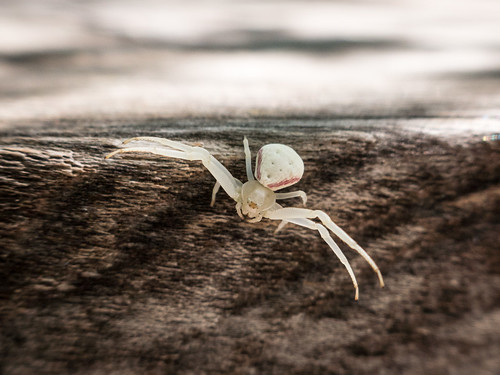
 
crab spider

Small but Mighty 
There’s more going on in spider brains than they normally get credit for. Jumping spiders have developed devious hunting tactics and are skilled at getting out of dangerous situations. [Knowable Magazine] 

Moths have finessed an extensive repertoire of tactics to avoid being caught and eaten by bats. They issue warning cries, jam bat signals, create false targets, and use sound-absorbing cloaking devices. [Knowable Magazine] 

EcoFriendly Sask supports Saskatchewan environmental initiatives through an online publication, an events calendar, small grants, and the Nature Companion website/app. You can follow EcoFriendly Sask by liking us on Facebook, following us on Twitter, or subscribing by email (top right corner).

Take a look at EcoFriendly Sask's Nature Companion, a kid-friendly nature app for Canada's 4 western provinces

Tuesday, 3 August 2021

EcoSask News, August 3, 2021

sun on trees and ferns

Upcoming Events 
Join CPAWS-SK in inventorying species in the boreal forest pre- and post-fire on Aug. 8 and 10 from 5:30-8 pm. 

SK-PCAP is hosting an online webinar about research into where bats hibernate in Saskatchewan at noon, Aug. 10. 

Passive House Canada is hosting an online conversation with Harold Orr, passive house pioneer, at 10 am (SK), Aug. 11. 

Golden Eagles, a sub-group of the Saskatoon Nature Society, will be holding a variety of events on Thursdays in August. 
Aug. 12 - Fall shorebirds 
Aug. 19 - Pike Lake area 
Aug. 26 - Petrofka Orchard & Crooked Trees 

All events are listed on the EcoFriendly Sask Calendar
 
cobblestones

Back to the Future 
"Like the stone lined canals in Kyoto, the terraced rice fields of Java allowing for millennia of continuous rice growing, the sandstone aqueducts of Italy still able to transport water after two millennia, the ancient Greek amphitheater still in use for plays and concerts, the cobblestone streets of Copenhagen that haven’t been resurfaced in five hundred years, we need to go back to thinking about our infrastructure not in terms of five year plans and technical efficiency, but in long term sustainability. If a bridge cannot be built that will last a thousand years, why build it? Why not build one that will last, even if it will be a less efficient or more expensive in the short run?" [Wrath of Gnon] 

Regina is a dusty ghost town; the legislature has moved north of La Ronge where water still flows in the Cumberland River system. The main characters are close to developing a genetic cross of wheat and perennial native grass. As Canada confronts drought and wildfires, Dry, Barbara Sapergia’s futuristic novel published in 2005 rings true today. [book review, Niche] 

Urban Planning 
Re-thinking the 15-minute city – not as an entity created with stopwatches timing how long it takes us to get from one location to another but as places with streets where people gather and enjoy themselves. [Governing] 

pond

Prairie Life 
The Government of Manitoba is asking its residents for feedback on a proposed water management policy. How could we adapt it for use in Saskatchewan? [Government of Manitoba] 

Fossil-fuel exporting countries could see a loss of jobs as a result of a switch to renewable energy but could more than make up for it by emphasizing renewables manufacturing. [Anthropocene] 

Biodiversity 
Is it time to put the brakes on beekeeping? “Campaigns encouraging people to save bees have resulted in an unsustainable proliferation in urban beekeeping. This approach only saves one species of bee, the honeybee, with no regard for how honeybees interact with other, native species.” [The Guardian] 

Firefly flashes – the ins and outs of how they create light and why. [Scientific American] 


Did you know? Goldenrod doesn't cause hay fever as the pollen is slightly sticky and can't blow on the wind. 

EcoFriendly Sask supports Saskatchewan environmental initiatives through an online publication, an events calendar, small grants, and the Nature Companion website/app. You can follow EcoFriendly Sask by liking us on Facebook, following us on Twitter, or subscribing by email (top right corner).

Tuesday, 6 July 2021

EcoSask News, July 6, 2021

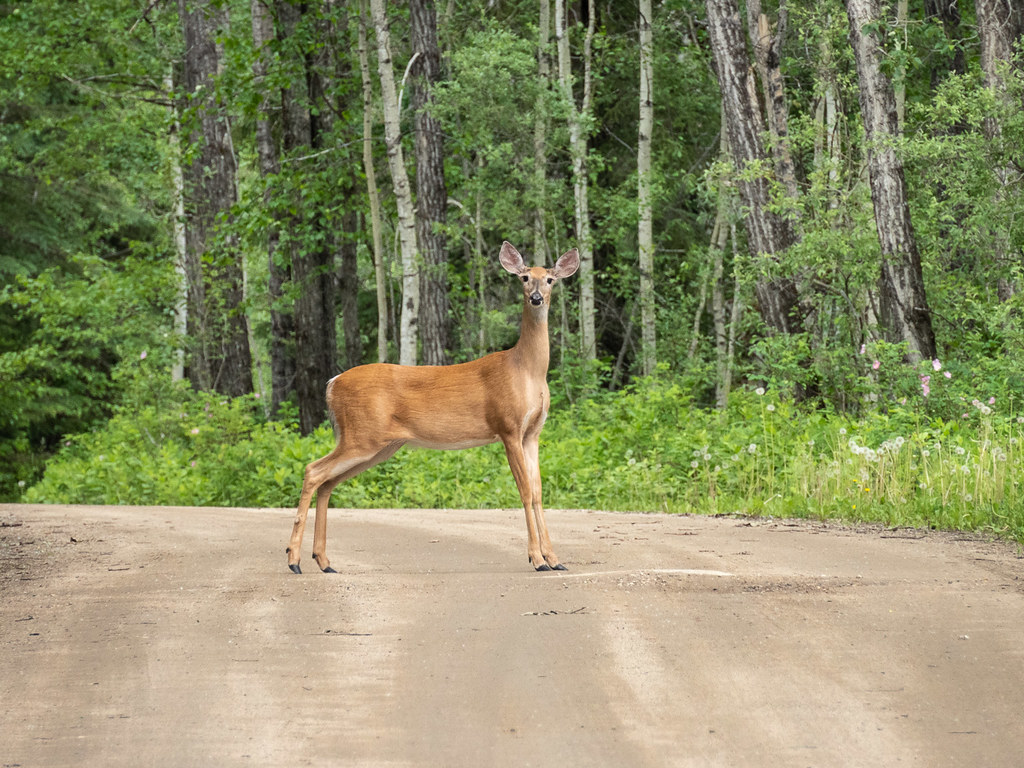
White-tailed deer

Upcoming Events 
Sierra Club – Prairie Chapter is organizing a series of hikes in Saskatchewan this summer: 
7 pm, July 6 – Cranberry Flats Conservation Area, Saskatoon (1.8 mile loop, easy) 
7 pm, July 9 – Northeast Swale, Saskatoon (5 km, easy) 
1:30 pm, July 15 – Anglin Lake Loop, Prince Albert (9 km, moderate) 
noon, July 20 – Fairy Hill Trail, Regina (5.6 km, moderate) 
11 am, July 21 – Wascana Trail Loop, Regina (4.8 km, easy) 

There will be a Train the Trainer: Orienteering workshop in Regina from 10 am-noon, July 10. 

City of Saskatoon residents can dispose of household hazardous waste from 9 am to 3:30 pm on July 11. 

Forests 
Miniature urban forests, from 6 to 250 square metres, may not solve climate change but “can have positive impacts on things like urban cooling, water regulation, and biodiversity.” [National Geographic] 

Canadian government and industry representatives are lobbying against a California proposal that would protect intact boreal forests and respect Indigenous rights. [The Narwahl] 

Protecting endangered species is never easy and often conflicts with industry. Take, for example, the marbled murrelet in BC: “The marbled murrelet may be small, but its nesting habitat requirements are vast and specific. Just a moss covered branch that’s high in the canopy of a centuries-old tree, close— but not too close—to the sea.” [Capital Daily] 


Urban Opportunities 
What a wealth of natural resources and biodiversity in the area currently under consideration for the new University Heights neighbourhood in Saskatoon! Rare plants and birds, wetlands, native grasses, a sharp-tailed grouse lek, and more are all at risk from construction, roads, and houses. [City of Saskatoon] 

Cities can help solve the biodiversity crisis with wildlife creating niches in unexpected places - from golf courses and cemeteries to community gardens, backyards, and vacant lots. [Yale Environment 360] 

Green roofs have an important role in climate action and sustainable, energy-efficient and biodiversity-integrated design and development. [National Environmental Treasure] 

Energy 
A water treatment plant in Halifax will supply renewable energy to six mixed-use buildings. [Water Canada] 

Diesel subsidies to remote communities impede transition to clean energy systems. [Pembina Institute]
 
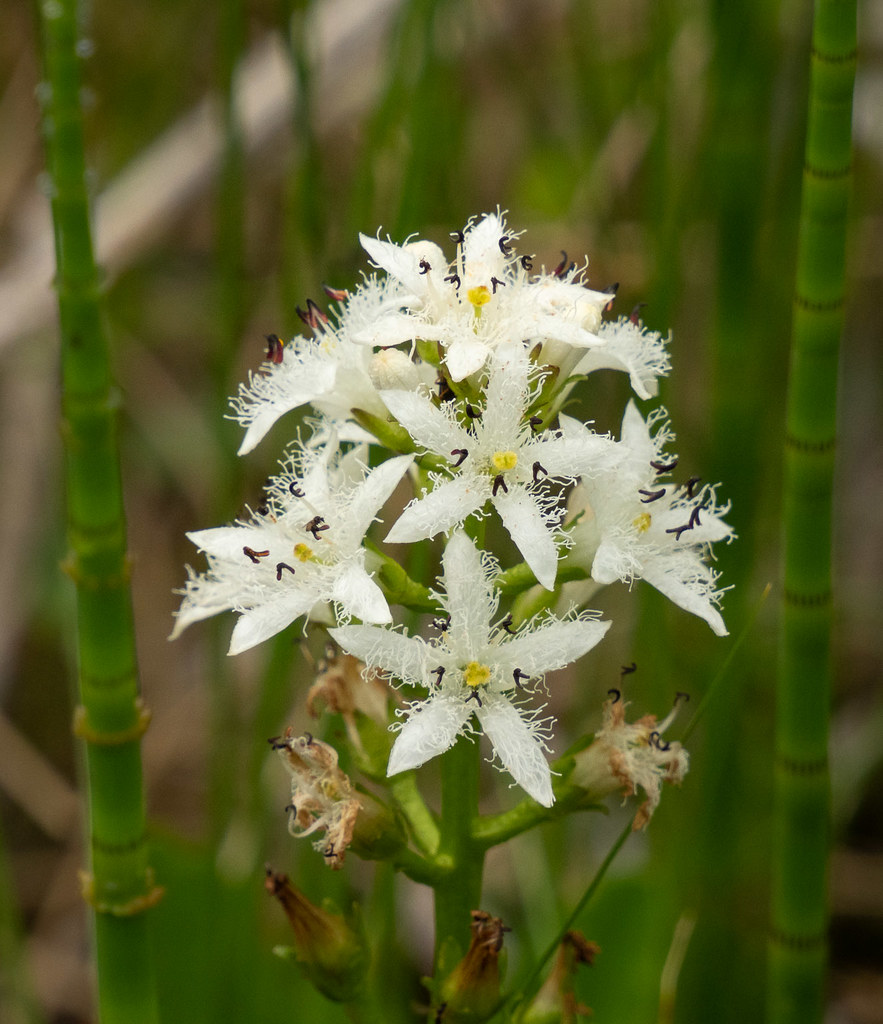
Bogbean

What a Great Idea! 
A decommissioned bridge across the Mississippi River could be turned into a national park and wildlife bridge. [Inhabitat] 

Alex Honnold’s Sustainability Tick List outlines small steps leading to big change in lowering our environmental impact. [Honnold Foundation] 

EcoFriendly Sask supports Saskatchewan environmental initiatives through an online publication, an events calendar, small grants, and the Nature Companion website/app. You can follow EcoFriendly Sask by liking us on Facebook, following us on Twitter, or subscribe by email (top right corner).

Tuesday, 5 January 2021

EcoSask News, January 5, 2020

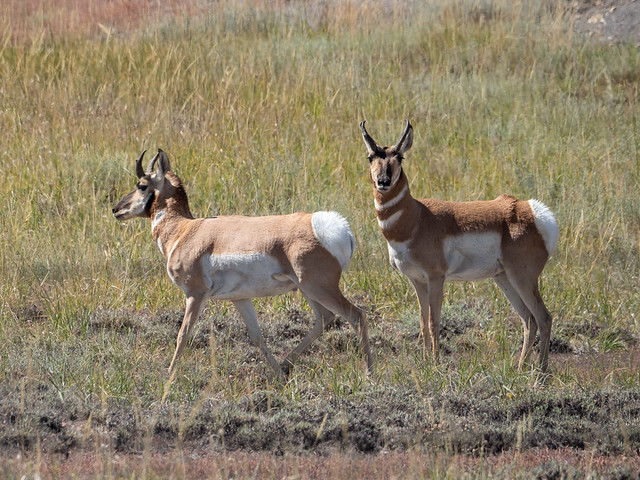
Pronghorn

Upcoming Events 
Decentralized Energy in SK, Jan. 6 (online) 
Join the Energy Management Task Force of Saskatchewan for an online discussion of decentralized energy in Saskatchewan at 7:30 am, Jan. 6. 

Caribou & Wolf Monitoring, Jan. 8 (online) 
Ryan Brook will discuss minimally invasive caribou and wolf monitoring along Hudson Bay at 3:30 pm, Jan. 8, as part of the Wild Ecol Seminar Series. 

Songs 4 Nature, Jan. 8 (online) 
Songs 4 Nature, a Royal Saskatchewan Museum program helping musicians to connect with nature and hone their songwriting skills, will be accepting registrations from SK residents for its virtual winter camp starting Jan. 8. Registration will open to everyone on Jan. 12. 

Get Outside Nature Hike, Jan. 9 (Regina) 
Nature Regina is offering guided nature hikes at A E Wilson Park at 10, 10:30, and 11 am, Jan. 9. Register online. 

Farmland Drainage & the Environment, Jan. 11-15 (online) 
Don’t miss the second half of the online webinar series on farmland drainage and the environment. The first series of webinars are now available on YouTube. 


Get Your Kids Outside, Jan. 12 (online) 
Regina library card holders are invited to join a Zoom session on help and inspiration for parents who want to get their kids outdoors at 7 pm, Jan. 12. Spaces are limited; register online. 

Get Outside! Kids’ Club, Jan. 13/20 (Regina) 
Children ages 6-12 are invited to register for the Get Outside! Kids’ Club from 10 am-3 pm, Jan. 13 or 20. 

Prussian Carp, Jan. 14 (online) 
There will be a webinar on prussian carp at noon, Jan. 14, as part of the Native Prairie Speaker Series. 

Women & Water, Jan-Apr (online) 
Global Water Futures is offering an online lecture series on women and water: 
12:30 pm, Jan. 14 – Water Policy

Projet Wet, Jan. 14 (online) 
There will be an online workshop in French on Project Wet from 4-6 pm, Jan. 14. 

Going Outside, Jan. 14 (online, repeat) 
SaskOutdoors is repeating their 30-minute webinar with tips and tricks for teachers who want to move learning outdoors at 8 pm, Jan. 14. 

Saskatoon Nature Society Field Trips 
Saskatoon Young Naturalists 
Jan. 16 – Pike Lake Nature Walk 
Feb. 6 – Chickadee Pishing 

Other Saskatoon Nature Society Field Trips 
Jan. 16, 10-11:30 am – Chorney Acreage Bird Feeders 
Jan. 23, 9 am-3 pm – Snowy Owl Excursion 
Field trips are currently for members only, so sign up now. Advance registration is required. 

 A full list of upcoming events (online and in person) can be found on the EcoFriendly Sask Calendar
 
Pronghorn

Local News 
A new battery recycling program will make it easier for people in various parts of Saskatchewan to dispose of household batteries responsibly. 

800 acres of mainly native prairie grassland near Weyburn have been donated to the Saskatchewan Wildlife Federation’s Habitat Trust Fund.

An Alberta farmer is restoring wetlands, practising agroforestry, and planting cover crops for improved pollination.

Borealis, a new documentary about Canada’s boreal forest, reveals how much trouble it’s in. 

From Information to Action 
“If we bring down CO2 to net zero, the warming will level off. The climate will stabilize within a decade or two. There will be very little to no additional warming.” 

“The only thing a consumer can do to improve their laptop's ecological and economic sustainability is to use it for as long as possible.” 

Even after replacing gasoline vehicles with electric ones, particulate matter resulting from tire, brake, clutch, and road wear remains a significant source of hazardous pollution. 


That’s Amazing! 
Dung beetles navigate by the sun, the moon, and the stars. 

From monkey-faced spiders to oil spill beetles and a candy corn leafhopper – the beauty and science of our planet's micro creatures.

EcoSask News is a weekly round-up of local news and events. Email us if you have items you would like us to include. 

You can follow EcoFriendly Sask by liking us on Facebook, following us on Twitter, or by email (top right corner). 


Did you know? Pronghorn are the second-fastest animal in the world with amazing endurance thanks to long legs and a large heart and lungs. They can sprint up to 70 mph.