Showing posts with label Prince Albert National Park. Show all posts

Thursday, 5 August 2021

Visiting Grey Owl's Cabin

Untitled

Grey Owl was born Archibald Stansfeld Belaney in Britain. He disguised himself as a Native American and became well known as a writer and lecturer on conservation. Despite his exposure as a fraud after his death, he is still a famous character in Saskatchewan. The cabin in Prince Albert National Park where he lived till his death in 1938 is maintained as a historical landmark and his grave is nearby. There are no roads to the cabin, but it can be reached by a 20 km trail or a 16 km boat trip. 

From the town of Waskesiu it is a 30 km drive to the end of the road. The last part of the road is unpaved and can be muddy if there has been rain. 

On Foot 
The trail follows the east shore of Kingsmere Lake. There are several wet, swampy sections. Usually you can get around them, but you may get your feet wet. There are also some small hills along the trail. From the end of Kingsmere Lake, it’s another 3 km to the cabin, which is on Ajawaan Lake. The trail is open to hiking and mountain biking. If you are an experienced trail runner, it's also possible to visit the cabin as a day trip (40 km round trip.) There are several campgrounds along the way. Typically, you might hike or paddle to the Northend Campground one day and then return the next day. If you arrive at the trailhead late, you can stay at the nearby Southend campground.

 
great blue heron

By Boat 
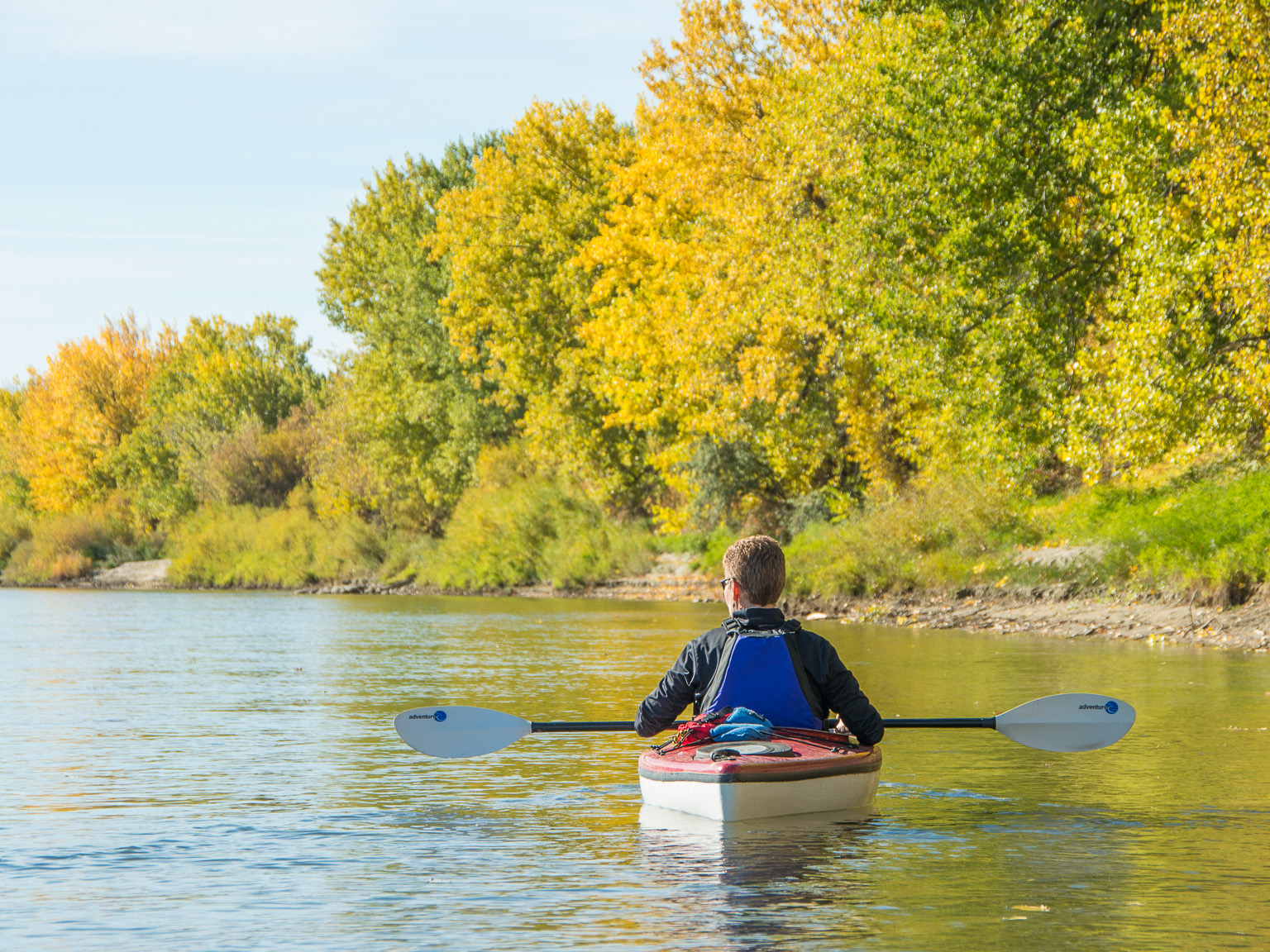
Travelling by water requires a 1 km portage to get to Kingsmere Lake. There is a rail line with carts to help with the portage. Motorized boats of less than 40 hp are allowed on Kingsmere Lake but must still be taken over the portage. It is safest to stay close to shore rather than cut across the lake as it’s a big lake and the waves can build quickly. Although you can portage from Kingsmere Lake to Ajawaan Lake, it's probably just as easy to walk the last few kilometers. 

If you are canoeing or kayaking you can extend your trip by following the shore all the way around Kingsmere Lake or by combining it with the Bagwa Loop

Note: Overnight visitors must register at the Information Centre in Waskesiu before their trip. 

Warning: There are black bears in the area. Consult Parks staff if you're not sure how to handle this. 

Depending on the time of year, mosquitoes and flies can also be a problem. It's a good idea to have insect repellent. 

See Also 

Tuesday, 27 March 2018

EcoSask News, March 27, 2018

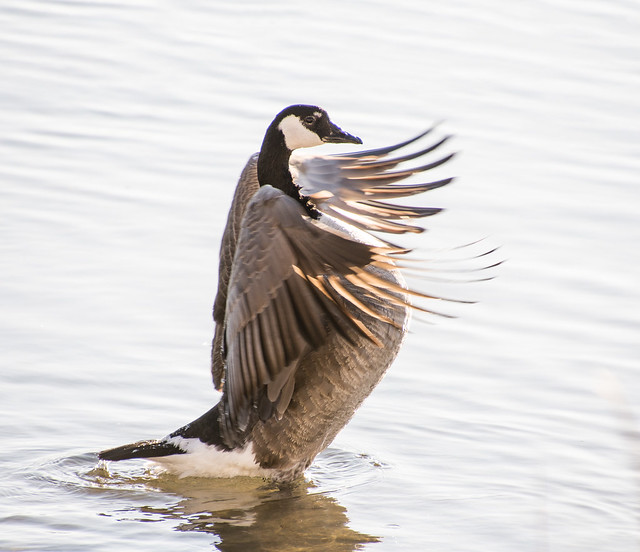
Canada Goose showing off

From light pollution to first aid and from Waskesiu to Fort Qu’Appelle and Stockholm - find out what’s happening in your community. Plus a handful of news stories you might not have seen. 

Upcoming Events
Waterfowl Monitoring Programs, Mar. 28 (Saskatoon) 
Blake Bartzen, Canadian Wildlife Service, will discuss waterfowl monitoring programs, at 3:30 pm, Mar. 28, at the final WildEcol seminar this season.

Cycling Speaker Series, Mar. 29 (Saskatoon)
Cathy Watts, co-chair of Saskatoon Cycles, is the first speaker in a Cycling Speaker Series hosted by Bridge City Bicycle Co-op and the Bike Doctor at 7 pm, Mar. 29.

Ferruginous Hawk Research, Mar. 31 (Fort Qu’Appelle) 
Ryan Fisher, University of Regina, will discuss ferruginous hawk research at the 7 pm, Mar. 31, meeting of the Fort Qu’Appelle Nature Society (Fort Qu’Appelle Train Station).

Spring Forest Safety, Mar. 31 (Waskesiu) 
Friends of Prince Albert National Park is hosting a spring forest safety workshop from 1-3 pm, Mar. 31, in Waskesiu. Topics will include survival equipment, cattails, and air to ground signals.

Our Common Future, Apr. 3-5 (Saskatoon) 
The Apr. 3-5 symposium showcases research projects completed by undergraduate students in the environmental programs and those participating in the Office of Sustainability’s Living Lab at the U of S.

Seed Swap & Gardening Talk, Apr. 4 (Stockholm) 
Stockholm Public Library is hosting a seed swap and prairie gardening talk from 6-8 pm, Apr. 4.

Regina Food Bank Greenhouse Tour, Apr. 4 (Regina) 
The Regina Permaculture Book Club has organized a tour of the Regina Food Bank Greenhouse at 1:30 pm, Apr. 4.

Urban Energy Systems: Lessons from Lulea, Sweden, Apr. 4 (Saskatoon) 
Martin Boucher, University of Saskatchewan, will discuss urban energy systems: lessons from Lulea, Sweden at the Apr. 4 meeting of the Saskatchewan Energy Management Task Force.

Design the Nightscape – Shaping Darkness, Apr. 4 (Saskatoon) 
Sabine de Schutter, Berlin, will discuss the potential and risks of light, highlighting projects taking the well-being of humans and animals into account as well as safety at 6:30 pm, Apr. 4

Unmanned Aerial Vehicles (UAVs) for Natural Resource Management, Apr. 4 (webinar) 
Leila Benmerrouche, Saskatchewan Polytechnic, will discuss the development of UAV technology in combination with GIS and landscape modeling applications in a PCAP-SK webinar at noon, Apr. 4.

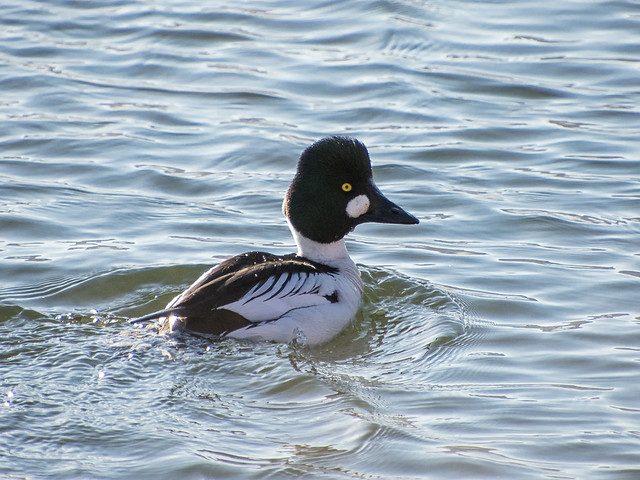
Common Goldeneye

Looking Ahead
Wilderness First Aid, Apr. 13-15 (Saskatoon)
SaskOutdoors is hosting a 20-hour Wilderness & Remote First Aid course, Apr. 13-15, close to Saskatoon.

Waste Reforum 2018, Apr. 18-20 (Regina) 
The annual Waste Reforum will be held from Apr. 18-20 in Regina.

First Aid for Paddlers, Apr. 28 (Saskatoon)
Back 40 Wilderness First Aid Training and Coldspring Paddling are offering a one-day first aid clinic geared specifically for paddlers from 9 am-4 pm, Apr. 28.

A full list of upcoming events can be found on the EcoFriendly Sask Calendar 

In the News 
Agricultural drainage in Saskatchewan is threatening our ecosystem and changing the natural landscape

Compensating, supporting and retraining workers is an important part of the transition to renewable energy

Freight contributes 10% of Canada's GHG emissions - here are 5 ideas for achieving a low-carbon freight industry

China's ban on international waste is forcing Canadian municipalities to rethink their recycling strategies

What will happen if, in our car-centric environment, we accept that a certain number of pedestrian deaths are an inevitable part of adopting autonomous vehicles?

EcoSask News is a weekly round-up of local news and events. Email us if you have items you would like us to include. 

You can follow EcoFriendly Sask by liking us on Facebook, following us on Twitter, or by email (top right corner).

Tuesday, 1 November 2016

EcoSask News, November 1, 2016

Untitled

Upcoming Events
Citizen Energy, Nov. 2 (Saskatoon) 
Brett Fairbairn will be discussing what we can learn from Germany which has established 900 citizen energy co-operatives in less than a decade from 10:30 am – 12 pm, Nov. 2, in Saskatoon. The talk will be video conferenced to an audience in Regina. Space is limited so register in advance.

The Messenger, Nov. 3 (Regina)
Public Pastures-Public Interest is showing the film The Messenger: Birds Have Something to Tell Us at the Royal Saskatchewan Museum, 7 pm, Nov. 3.

Food Waste Film Night, Nov. 8 (Saskatoon)
A screening of Just Eat It: A Food Waste Story will be followed by a panel discussion about making sure that healthy food doesn’t go to waste in our community at 6:30 pm, Nov. 8. (Funding for the rights to show the film was provided through an EcoFriendly Action Grant.)


Forest Remembrance, Nov. 11 (Saskatoon)
The Naturally Engaged Artist Collective is holding a night of remembrance for the species, spaces, and cultures lost through industrialization and corporatization at 5 pm, Nov. 11.

Friends of PANP Fundraiser, Nov. 14 (Saskatoon)
The Friends of Prince Albert National Park are holding a fundraiser on Nov. 14 in Saskatoon to enhance Aboriginal inclusion and cultural heritage in the park.

Looking Ahead
Wilderness First Aid, Nov. 25-27 (Regina)
SaskOutdoors is offering a Standard or Advanced Wilderness First Aid course in Regina from Nov. 25-27. The Advanced course will be continued on Dec. 2-4.

A full list of upcoming events can be found on the EcoFriendly Sask Calendar 

Saskatchewan Birds Calendar
Nick Saunders’ Saskatchewan Birds Calendar 2017 is now available.

In the News
The world’s most endangered ecosystem can be found in Saskatchewan - temperate grasslands.

Can trash cans that look like giant coffee cups reduce waste?

EcoSask News is a weekly round-up of local news and events. Email us if you have items you would like us to include. 

You can follow EcoFriendly Sask by liking us on Facebook, following us on Twitter, or by email (top right corner).

Tuesday, 14 June 2016

EcoSask News, June 14, 2016

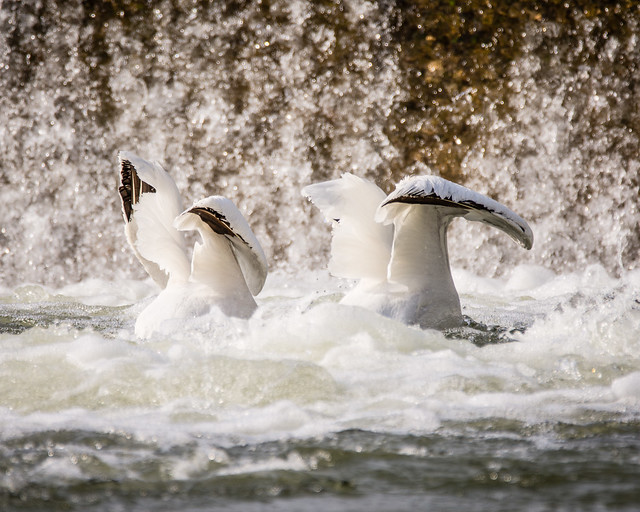
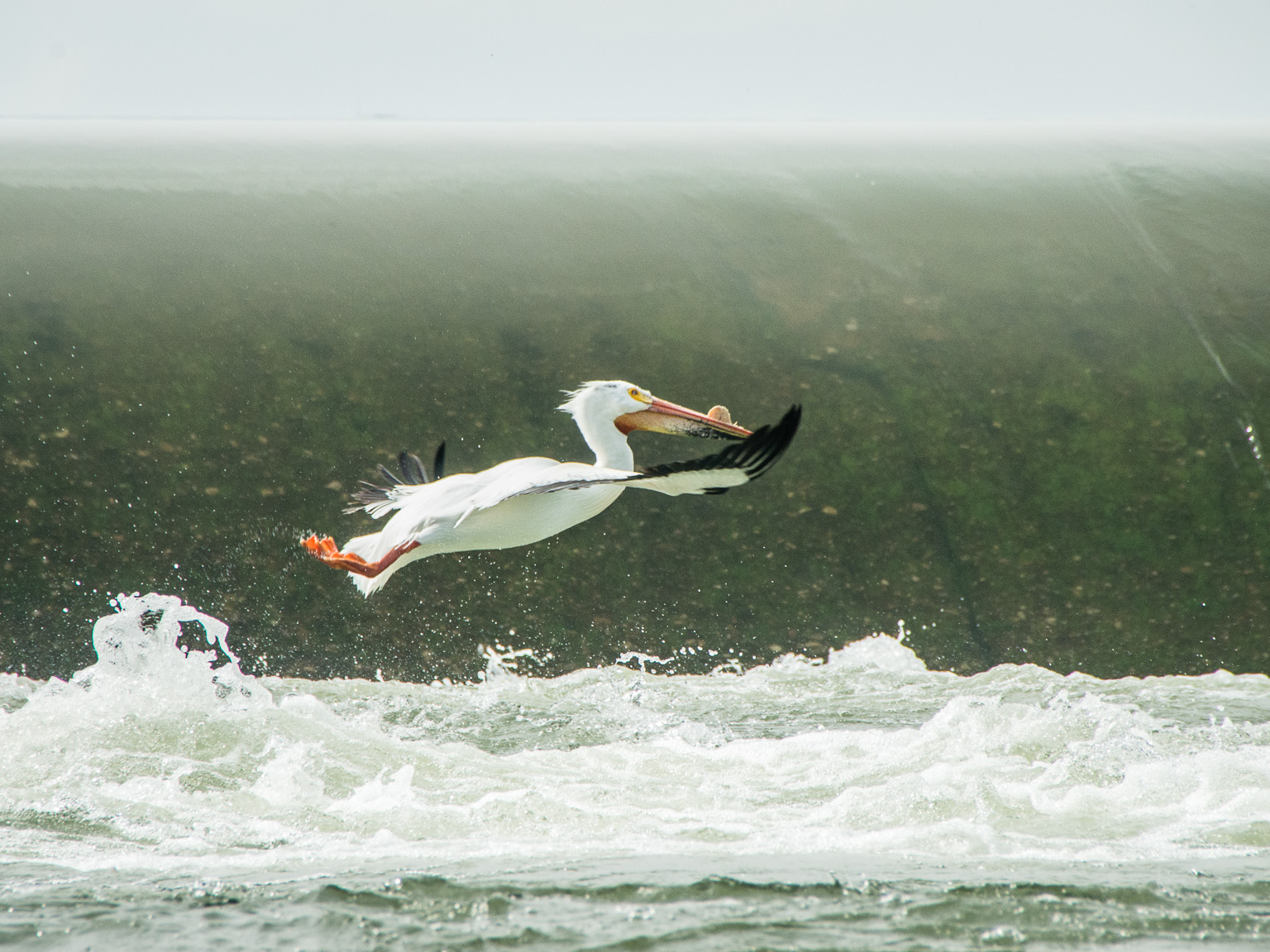
White pelicans

Coming Soon
Flin Flon Flim Flam, June 14 (Saskatoon), June 17 (Regina) 
Flin Flon Flim Flam, a documentary outlining Hudbay Minerals' environmental contamination in Flin Flon will be screened on June 14 in Saskatoon and on June 17 in Regina.

SES Solar Co-op AGM, June 15 (Saskatoon) 
The SES Solar Co-op is holding its first AGM at 7 pm, June 15. There will be a presentation on solar energy use following election of board members.

Temperance Street Passive House Tour, June 18/19 (Saskatoon) 
There will be an open house/tour of the passive house at 1102 Temperance Street on June 18 from 12-2 pm and on June 19 from 2-5 pm.

Off Grid Home Tour, June 19 (Prince Albert) 
Prince Albert Parkland Permaculture Guild is hosting an off-grid home tour in Snowden on June 19.

Climate Solutions Book Club, June 22 (Saskatoon)
Turning the Tide and The Stand are hosting a Climate Solutions Book Club at 7 pm, June 22, to discuss Gordon Laxer’s After the Sands: Energy and Ecological Security for Canadians.

Dutch Elm Disease, June 22 (Saskatoon)
The City of Saskatoon’s department of Urban Forestry is offering a presentation on Dutch Elm Disease at 7 pm, June 22, at the Frances Morrison Library.

Composting Workshop, June 22/23 (Saskatoon)
Saskatoon’s Compost Coaches are offering a workshop on different composting options, including trench composting, mulching, vermicompost and bokashi fermentation at 6 pm, June 22, at the Saskatoon Food Bank’s Garden Patch and at 7 pm, June 23, at the Rusty MacDonald Library.

Household Hazardous Waste Day, June 18 (Saskatoon)
You can dispose of household hazardous waste (e.g. light bulbs, aerosols, fuels) at the SaskTel Centre in Saskatoon from 9 am – 3:30 pm on June 18.

Burdock Blitz at Fairy Hill, June 24 (Regina)
Join Nature Conservancy of Canada as they remove burdock from their Fairy Hill property in the Qu’Appelle Valley. Burdock burs can fatally entangle small birds and bats.

Household Hazardous Waste Day, June 25 (Regina)
You can dispose of household hazardous waste, major appliances, rimless tires, and some electronics at the City of Regina’s Public Works Yard (2425 4th Avenue) from 9 am – 3:45 pm on June 25.

White pelicans

Looking Ahead
Grey Owl Canoe Trip, June 30 – July 3 (PANP)
CanoeSki Discovery Company is offering a 4-day canoe trip to Grey Owl’s Cabin. A 16-year-old from Regina provides an account of her trip.

Nature Photography, Jul 3-7 (Ness Creek)
Join John Murray for a nature photography course at the Art School of the North at Ness Creek from Jul 3-7 (concurrent with FiddlyNess).

Family Voyageurs Canoe Trip, Jul 8-10 (PANP)
CanoeSki Discovery Company is offering a family wilderness canoe-camping trip in Prince Albert National Park catering to younger paddlers from Jul 8-10.

A full list of upcoming events can be found on the EcoFriendly Sask Calendar

Interesting News Stories 
Woody Harrelson says we have the power to change the world: “You have the ability to support and promote the type of world you want to live in, right now, at this moment. Every single time you spend money you are casting a vote for the type of world you want to live in.”

More than 99% of the US and Europe live under light-polluted skies. And, unless careful consideration is given to colour and light levels, the transition to LED lighting could make it two to three times worse.

EcoSask News is a weekly round-up of local news and events. Email us if you have items you would like us to include. 

You can follow EcoFriendly Sask by liking us on Facebook, following us on Twitter, or by email (top right corner).

Friday, 13 May 2016

Spring/Summer Outdoor Explorations in Saskatchewan

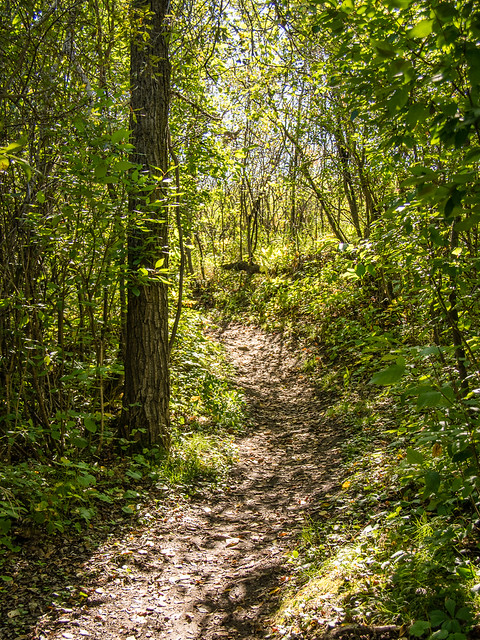
sun dappled path

Spring and summer are the perfect time to get outside and explore Saskatchewan.

We’ve put together a sampling of outdoor activities from around the province. From admiring the view from a lookout tower in Prince Albert National Park to looking for cacti, learning to paddleboard, or ensuring your kids will be safe on their next outdoor adventure – there’s something for everyone in our list of Spring/Summer Outdoor Explorations in Saskatchewan.

Spring/Summer Outdoor Explorations in Saskatchewan

See also: Winter Outdoor Explorations in Saskatchewan

Tuesday, 29 March 2016

EcoSask News, March 29, 2016

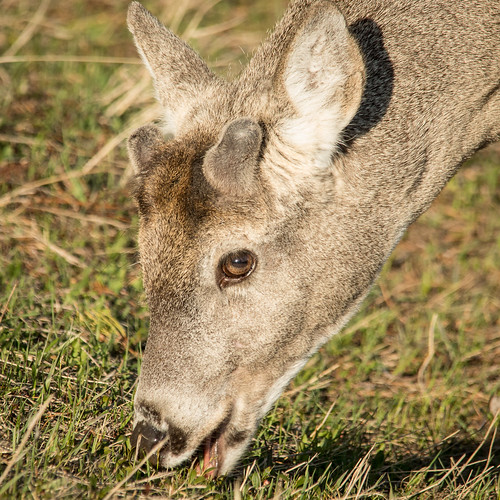
deer


Upcoming Events
Environmentally Conscious Decision-Making, Mar. 29
Dr. John Giesy, Professor of Environmental Psychology, will be leading a discussion on Life in a Toxic World: Environmentally Conscious Decision-Making at Tox on Tap at 7 pm, Mar. 29.

Protecting the Swale, Apr. 1
The Northeast Swale is on the agenda for the Apr. 1 Meewasin Valley Authority board meeting. There are plans to convert Central Avenue into a four-lane, divided arterial route across the Northeast Swale connecting with the four-lane North Commuter Parkway. The City of Saskatoon estimates that these two thoroughfares, together with Lowe Road, will carry between 26,000 and 67,000 vehicles (possibly more) across the Swale each day, bringing noise, disruption, and danger. The public is invited to make written or oral presentations.

Ecological Economics, Apr. 6
Dr. Brett Dolter, VP Research and Education, Canadian Society for Ecological Economics, will be speaking at the Apr. 6 breakfast meeting of the Saskatchewan Energy Management Task Force.

Saskatchewan River Delta, Apr. 7
Learn more about the Saskatchewan River Delta at a screening of a one-hour documentary by Ian Toews at 7 pm, Apr. 7.

Nature’s Calling You, Apr. 13
Nature’s Calling You is a free evening of speakers and entertainment honouring the Prince Albert National Park region at 6:30 pm, Apr. 13.

SK Environmental Society AGM, Apr. 14
Cathy Holtslander and Darrin Qualman, National Farmers’ Union, are the keynote speakers at the Saskatchewan Environmental Society’s AGM on Apr. 14. They’ll be speaking about Climate Change: The Challenges of Decarbonizing our Farms and Food Systems.

A full list of upcoming events can be found on the EcoFriendly Sask Calendar

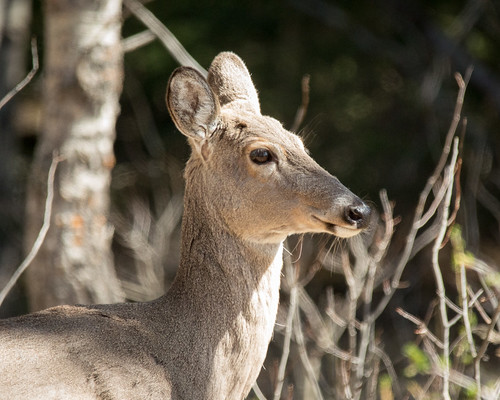
deer

News
Saskatoon Police Services’ headquarters has received LEED Silver certification. The Health Sciences E Wing, University of Saskatchewan, has received LEED Gold certification.

A provincial election primer – 10 reasons why Saskatchewan’s grasslands matter.

Prince Albert City Council is considering fines and a two-tiered billing system to help prevent non-recyclables being put in recycling bins.

The Craik Eco-Centre has been destroyed by fire - what a shame!

Agriculture, meat production in particular, is the largest source of environmentally damaging nitrogen.

Stop, say hello, and appreciate all the forms of life around you.

EcoSask News is a weekly round-up of local news and events. Email us if you have items you would like us to include. 

You can follow EcoFriendly Sask by liking us on Facebook, following us on Twitter, or by email (top right corner).

Tuesday, 22 March 2016

EcoSask News, March 22, 2016

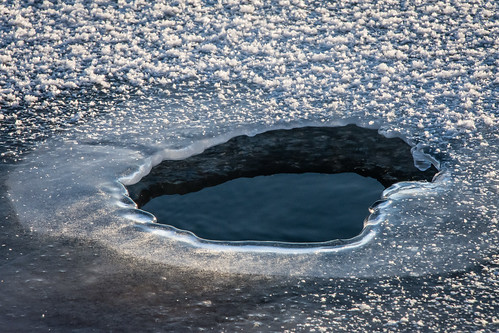
hole in the ice

Upcoming Events
Baby Wildlife Rehab Webinar, Mar. 23 
The Wildlife Rescue Association of BC is offering a webinar on wildlife rehab, babies, and you on Mar. 23.

Green Health Care Webinar, Mar. 23 
The Canadian Coalition for Green Health Care is offering a webinar on water reduction and GHGs in the health care sector on March 23.

Friends of PA National Park Comedy Night, Apr. 16 (Prince Albert) 
Friends of Prince Albert National Park are hosting a comedy night fundraiser in Prince Albert with Don Burnstick.

Wings Over Wascana Fundraising Dinner, May 11 (Regina)
Friends of Wascana Marsh are holding a fundraising dinner on May 11 to support the Wings Over Wascana festival. Christy Morrissey is the keynote speaker.

Canoe Certification, May 21-23
SaskOutdoors is offering a Paddle Canada Lake Canoe Skills certification course in Saskatoon, May 21-23.

ice

Field Trips
Young Naturalists
Apr. 9, 1-2:30 pm – Birdhouse Workshop
Apr. 25, 6:30-8 pm – Crocus Hike
May 1, 12-3 pm – Pike Lake Field Trip
Space is limited; register early to avoid disappointment.

Golden Eagles 
Apr. 7, 8 am – Bluebirds
Apr. 14, 8 am – Spring Crocuses
Retirees and partners who are interested in birds and the natural world are invited to participate in Golden Eagles field trips.

Other Saskatoon Nature Society Field Trips 
Mar. 31, 7-10 pm – Saw-whet Owling near Pike Lake
Apr. 2, 9 am – 2 pm – Bluebird Trip to Pike Lake
Apr. 9 & 10 – Northern Owling Overnight Trip
Apr. 13, 6:30-8 pm – Gull Identification
Check the Saskatoon Nature Society’s website for full details and updated information.

A full list of upcoming events can be found on the EcoFriendly Sask Calendar

News
Regina residents were able to repair broken household items instead of throwing them out at the city’s first Repair Cafe.

“Problems with urban coyotes begin with humans who are not quite sure how to co-exist.” Here are 10 practical ways to help your neighbours be coyote aware.

The public is invited to comment on the federal government’s Sustainable Development Strategy.

To save the planet – and the economy – we need to break one sacred rule - GDP growth doesn’t equate with human progress.

EcoSask News is a weekly round-up of local news and events. Email us if you have items you would like us to include. 

You can follow EcoFriendly Sask by liking us on Facebook, following us on Twitter, or by email (top right corner).

Thursday, 12 February 2015

The Beaver Manifesto

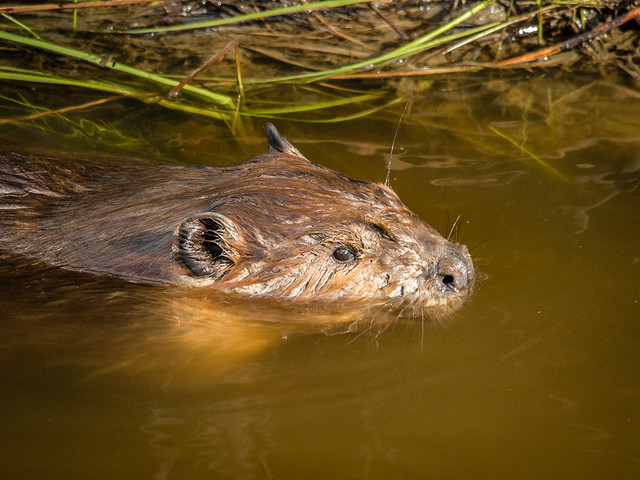
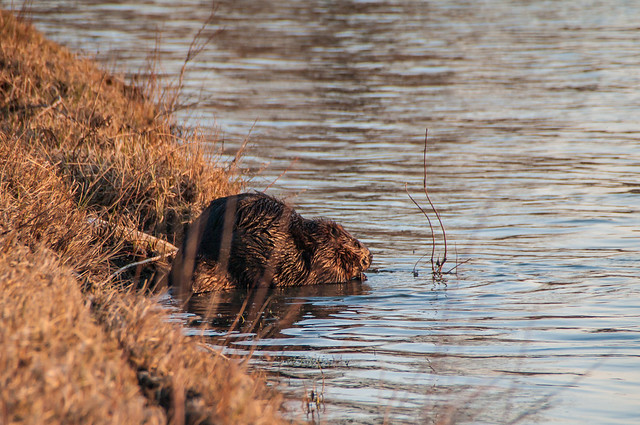
beaver

“The fact that beavers still exist in North America, and in Europe for that matter, is nothing short of a miracle. Their tenacious nature and ability to survive major geologic and climatic shifts is amazing in its own right, but their ability to survive a level of overexploitation that would have crippled many other species is a testament to their ecological adaptability.” (The Beaver Manifesto)

Gophers are cute – until they leave holes in the soccer field. Elk and moose are beautiful until you collide with one on the highway. Beavers are a Canadian icon until they chop down newly-planted trees in riverside parks or flood a roadway.

Glynnis Hood says, “We want to co-exist with wildlife, but we want it to be well-behaved wildlife, much like our lawn ornaments.” Her book, The Beaver Manifesto, provides a fascinating glimpse of the complex relationship between humans and beavers over the centuries.

Adaptation and Survival
Ancestors of the modern beaver first appeared on the scene between 54 and 38 million years ago. “By the time early hominid ancestors appeared, just short of 5 million years ago, early beavers had already learned to cut wood and build homes.”*

Early North American beavers varied in size from small ones weighing less than 1.5 kilograms to a giant beaver that was 3 metres long and the size of a female black bear.

Beavers’ adaptability has helped them to succeed against all odds and in North America they can be found from the Gulf of Mexico to the Arctic Ocean. They control their environment by building dams and creating deep ponds that don’t freeze in winter.

As semi-aquatic animals, they can use the water to transport their food. An underwater pantry means the food is accessible throughout the year. Their lodges, surrounded by a watery moat, provide a safe place to raise their young.

Untitled

Felt Hats and Beaver Pelts
The beavers’ greatest adversary has been and remains human beings. When Europeans first arrived in North America, there were an estimated 60-400 million beavers across the continent. The explorers were delighted to spot this economic opportunity as they had already almost wiped out the European beaver population in their quest for fur, food, and medicine. Tall felt hats had recently become popular and there was a ready market for beaver pelts.

Hunters and trappers followed the beavers up the Canadian waterways, moving further inland as beavers became scarce and opening up the country to immigration and settlement. It was the start of Canada’s economic reliance on natural resources.

The Hudson Bay Company’s records show that over 4.7 million beaver pelts reached British auction houses between 1769 and 1868. And these figures don’t include the pelts that were judged sub-standard and discarded.

The beavers survived 300 years of commercial exploitation, but only just. By 1870, very few remained. Their numbers continued to decline as wetlands were drained, towns established, and farmland extended. But beavers are resilient, and they’ve made an impressive comeback. 

Environmental Engineers
The return of the beaver brings benefits for nature and humans. As beavers move into new territory, they dam a stream creating a pond for their lodge. Willows, aspens and other trees begin to grow around the edge of the pond. The slow-moving water is an ideal habitat for fish, while birds and wildlife benefit from the new growth of grass and shrubs.

Beavers also restore land that has been damaged. Glynnis Hood tells the story of Eric Collier and his family who moved to an area near Williams Lake in the 1930s. “When they first moved to the area, streams were dry, wildlife was depleted and forest fires were a constant threat.” Honouring his grandmother’s request to bring beavers back to the land, Collier started rebuilding the beaver dams and a conservation officer dropped off two pairs of beavers. By 1950, “the entire valley was vibrant with wildlife and wetlands.”

Beavers mitigate the effects of extended drought. Hood observed beavers on the Prairies and found that the animals dug channels in the bottoms of ponds to direct what water there was to where it was needed. “By the time the drought of 2002 was in full swing, the ponds that still contained water were most often those occupied by beavers.”

Beaver ponds help regulate storm water drainage, mitigating the risk of flash floods. Their engineering efforts help replenish the water table and restore streams to a more natural state.


Conflict Management
Municipal officials and riverside residents are quick to blame beavers for damaging trees, flooding roads, and creating ponds where people don’t want them. However, removing a beaver dam or trapping and killing the beavers is an ineffective, short-term solution. Beavers will quickly rebuild the dam and other beavers will repopulate the area.

Banding trees with metal and installing beaver bafflers on culverts to maintain a water level in the pond that is adequate for the beavers without causing flooding and problems for other species is far more effective.**

Glynnis Hood provides a balanced perspective: “It is frustrating to have expensive facilities, trees and equipment damaged, but it is also important to appreciate all the ecological benefits that are part of a beaver’s world. In many situations, it is also time to stop seeing the beaver as a pest and more as a pilot to navigate us through a warming climate and the complex ecological challenges it brings. . . . 

“We are still consumers of natural resources, and by our nature as human beings we always will be, in order to survive. But how we manage those resources is critical. Loving nature to death while denying its needs is not a viable approach. To manage the conflicts between wildlife and humans requires an experiential understanding of our wild neighbours and the creativity, time and adaptability to do the right thing while we still have a chance.”

* Unless specified otherwise, quotes are from The Beaver Manifesto

**“In many areas, specialized flow-control devices have been installed to allow water to be drained from beaver ponds quietly so that beavers don’t hear the sound of running water that drives them to action. They remain none the wiser and are not inspired to plug the culvert and raise the level of their pond to new heights. The ponds stay at stable and ecologically valuable levels, happy beavers remain on the landscape and infrastructure such as roads and trails remains intact.”

Additional Information
Glynnis Hood, The Beaver Manifesto, Rocky Mountain Books, 2011, is available from the Saskatoon Public Library and McNally Robinson Booksellers

beavers are getting new respect these days. Across the West, they are being welcomed into the landscape as a defense against the withering effects of a warmer and drier climate.” (New York Times, 2014)

“Using their skills as natural builders and brilliant hydro-engineers, beavers are being recruited to accomplish everything from finding water in a bone-dry desert to recharging water tables and coaxing life back into damaged lands.”(PBS videos and infographics)

Urban beavers are part of a storm water management policy in this Oregon neighbourhood (7:40 minute video)

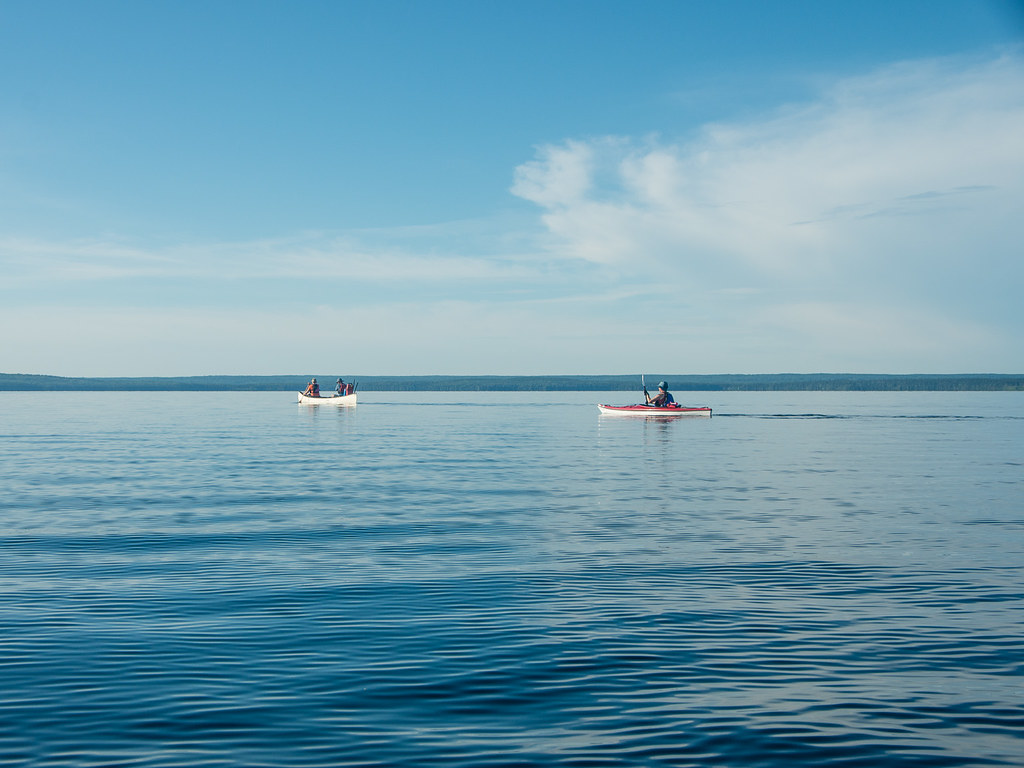
Grey Owl’s cabin in Prince Albert National Park is accessible on foot or by boat. There is also a film about Grey Owl.
Tuesday, 28 October 2014

EcoSask News, Oct. 28, 2014


Events 
Nature in Your Backyard, Nov. 2 
Rebecca Grambo, nature photographer, will be speaking about Nature in Your Backyard at 2 pm, Nov. 2, at Wild Birds Unlimited on 8th Street.

Deepen Community Workshop, Nov. 3
Paul Born will be leading a one-day workshop on Deepening Community for Collective Impact on November 3. Participants will receive a copy of Paul’s book, Deepening Community: Finding Joy Together in Chaotic Times.


Watching Wildlife in PA National Park, Nov. 6 
J. David Henry will present a wildlife slideshow and sign his book Watching Wildlife in Prince Albert National Park at 7 pm, Nov. 6, at McNally Robinson Booksellers.

Thought Provoking 
Synthetic clothing fibers are heading straight to the oceans from our washing machines

Touch a cash register receipt and you’ll absorb BPA, especially if you’ve just used hand cleanser or lotion

Thumbs Up 
Congratulations to Chet Neufeld and the Native Plant Society of Saskatchewan for tracking down the short-flowered suncup, a native plant many feared was extinct

Green buildings save money and are more comfortable. This infographic gives you the facts


EcoSask News is a weekly round-up of local news and events. Email us if you have items you would like us to include. Additional upcoming events can be found on our Calendar.

You can follow EcoFriendly Sask by liking us on Facebook, following us on Twitter, or by email (top right corner).

Tuesday, 26 August 2014

EcoSask News, August 26, 2014

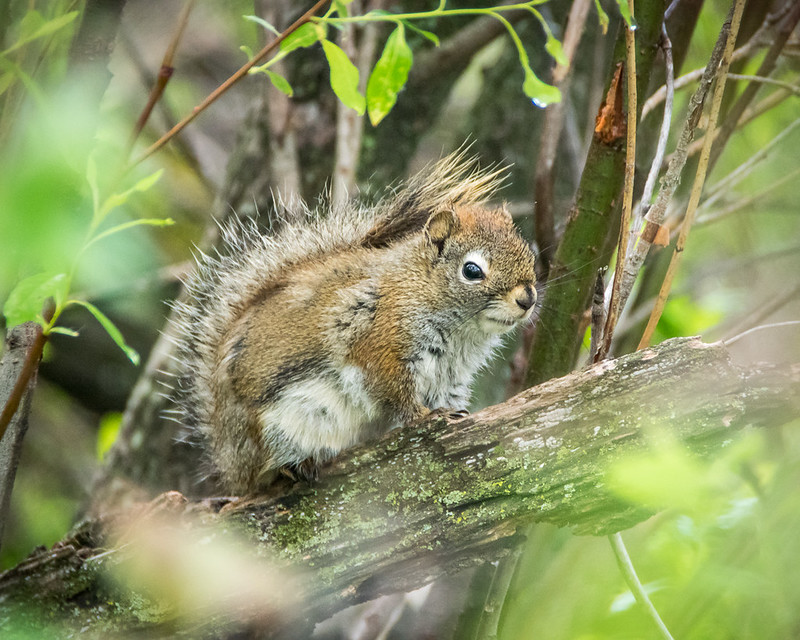
squirrel

Events
Watermark, Sept. 14
Watermark, with photography by Edward Burtynsky, explores our relationship with water. It will be shown at the Broadway Theatre at 3 pm, Sept. 14.

Landscape Architecture in Canada, Sept. 17 (Regina) 
Ron Williams will be in Regina on Sept. 17 to launch his book, Landscape Architecture in Canada: "Ron Williams approaches landscape architecture as a social art that creates places for people to use and as an environmental art through which practitioners act as stewards of the natural world."

World Rivers Day, Sept. 27
The Saskatchewan Eco Network is hosting an event to celebrate World Rivers Day on September 27. The event will be held in Friendship Park, Saskatoon.

If you or your organization would like to get involved with a display, interactive activity, workshop, or anything else, contact SEN at info@econet.sk.ca or (306) 652-1275.

Photos, Stars & Urban Planning 
September brings with it the start of a fresh round of activities.

If you are a nature photographer, take a look at the photography clinics planned by the Saskatoon Camera Club. Or you may want to take an instructional photography tour of PA National Park with Branimir Gjetvaj (Sept. 19-21).

If your head is always in the stars, you can participate in the Royal Astronomical Society of Canada – Saskatoon Centre.

The Northeast Swale Watchers meet regularly in order to monitor developments in and around the Northeast Swale.

News 
Saskatoon’s Environmental Report 
The City of Saskatoon’s Environmental Leadership report is available online.

PANP Bison Initiative 
Federal funding will support the development of a trail network and facilities for visitors to the West Side of Prince Albert National Park where a bison herd has made its home.

Interesting Articles 
Understanding and addressing opposition to wind energy

Tips for minimizing electronic waste and reducing water usage

EcoSask News is a weekly round-up of local news and events. Email us if you have items you would like us to include. Additional upcoming events can be found on our Calendar

You can follow EcoFriendly Sask by liking us on Facebook, following us on Twitter, or by email (top right corner).

Thursday, 22 May 2014

Summer Explorations in Saskatoon and Saskatchewan

There are so many ways to have fun outdoors. Here are some suggestions.

Pelicans

In the City
Look for songbirds or learn to identify butterflies (Saskatoon Nature Society)

Visit the College of Education’s Prairie Habitat Garden

Admire the cougars, wolves, and deer; take a walk around the 100-year-old former forest nursery station; or smell the roses at the Saskatoon Forestry Farm Park & Zoo

Rent a bicycle and head out on the trails along the river

Admire the pelicans at the weir

Help pull weeds every Wednesday evening at the Garden Patch

Participate in a riverbank clean-up with Plastic Smart Saskatoon

Shelley

On the Water
Explore the history of Saskatoon’s river on a day-long canoe trip and corn roast (CanoeSki Discovery Company)

Take an overnight canoe trip on the City’s doorstep (CanoeSki Discovery Company)

Explore Chappell Marsh, a 148-acre wetland conservation area (Ducks Unlimited Canada)

Look for medicinal plants or explore Redberry Lake by canoe (Clearwater Canoeing)


On the Prairies
Visit one of our few remaining patches of native prairie at Saskatoon Natural Grasslands. Keep your eyes open for red-tailed hawks and blanket flowers (gaillardia)

Take a walk at Wanuskewin Heritage Park and keep a look out for one of the 184 species of birds or 37 different animals you may see as you walk along the creek or the cliffs

Enjoy the sun on the beaches at Cranberry Flats Conservation Area or take advantage of the wheelchair accessible boardwalk overlooking the river

Go for a walk at Beaver Creek Conservation Area. If you’re lucky, you may see a beaver or a sheep grazing demonstration

Grasslands National Park

Further Afield
Take a walk around the Kerrobert Reservoir

Walk or cycle the Trans Canada Trail as it winds its way up a hill, through a tunnel, and across the river at North Battleford

Visit the Crooked Trees whose branches twist and loop and reach out in all directions

Take a walk on the largest set of active sand dunes in Canada

Study the passive solar design, straw bale walls, and other green building techniques at the Craik Eco-Centre

Take a hike or pick berries at Redberry Lake Biosphere Reserve – you’ll find Buffaloberries, Hawthorn, and Rosehips at summer’s end

Participate in one of the Saskatchewan Outdoor and Environmental Education Association’s workshops or camps

elk

Provincial and National Parks
Plan a backpacking adventure in Grasslands National Park

Visit Grey Owl’s Cabin in Prince Albert National Park

Check for cacti as you walk among the active sand dunes in Douglas Provincial Park

Admire the stars at Cypress Hills Interprovincial Park

Rent a canoe at Pike Lake Provincial Park

Untitled

Additional Resources
Nature Viewing Sites in and around Saskatoon, Saskatoon Nature Society (available from the Saskatoon Public Library)

Saskatchewan’s Best Hikes & Nature Walks and Saskatchewan Scenic Drives, Robin & Arlene Karpan (available from the Saskatoon Public Library and McNally Robinson Booksellers)

Nature in our Backyard: Saskatoon’s Naturalized Parks

The Northeast Swale: Ancient River Valley, Urban Nature Reserve

Heading out on the Water: Saskatoon Kayak/Canoe Training and Tours 2013

Pine Cree Regional Park

Last Mountain Lake Bird Sanctuary

Come Out and Play: Cypress Hills Eco-Adventures

Canoe the Bagwa Loop

Saskatchewan Tourism: Our Natural Heritage

Tuesday, 4 February 2014

EcoSask News, February 4, 2014

prairies in winter

Events
Lake Agassiz, Feb. 20
A huge part of the northern plains was once covered by a lake larger than the Caspian Sea. Alec Aitken will explain what happened to Lake Agassiz at 7:30 pm, February 20, in Room 106, Biology Building, U of S, as part of the Saskatoon Nature Society's monthly program.

Downstream, Feb. 21 
A play about the South Saskatchewan River Basin and water security? Now that sounds interesting! Downstream will be performed in Saskatoon at 1 pm, February 21, in Convocation Hall, University of Saskatchewan. There are additional performances in Calgary, Medicine Hat, and Cumberland House.

Seedy Saturday, Regina, Mar. 1
Seedy Saturday, Regina, will be held at St. Mary’s Anglican Church from 10 am to 2 pm. Lots of fun activities for kids as well as speakers on making baby food with garden vegetables and a plant-based diet.

Passive House Design & Construction, March
Building and design professionals are invited to attend the Canadian Passive House Institute’s course on passive house design and construction, which is being offered, for the first time, in Saskatoon. Part 1 is March 13-15. Part 2 is March 27-29.

SWANA ReForum 2014, May 7-9
The joint regional conference of the Saskatchewan Waste Reduction Council (SWRC) and the Northern Lights Chapter of the Solid Waste Association of North America (SWANA) is being held in Regina from May 7-9. Keynote speakers include David White (resilience), Jerry Powell (recycling markets). And don’t miss Penny’s session on Solving the People Puzzle: Public Education. You can register online.

NatureCity Festival, May 25-31
More than 70 organizations and businesses participated in last year’s NatureCity Festival, and they’re hoping that even more people will get involved this year. You can submit your activity connecting people with the natural world on the Festival 2014 tab at www.wildaboutsaskatoon.org.

prairies in winter

SK Photo Tours
Branimir Gjetvaj is leading photo tours of Grasslands National Park (June 20-22), Great Sand Hills (July 4-6), and Prince Albert National Park (Sept. 19-21). Photo tours are less structured than workshops, providing participants with an opportunity to explore and photograph in an informal atmosphere.

Thumbs Up
Kudos to the following groups and individuals who are taking action and making a difference in our community. We’re proud to be able to support their work with EcoFriendly Action Grants.

Northeast Swale Watchers - two representatives to the recent Urban Transportation conference ($200)

Native Plant Society of Saskatchewan - Gold sponsor for their 2014 annual meeting and conference ($500)

Saskatchewan EcoNetwork - Saskatchewan Environmental Film Festival ($500)

Brittney Hoemsen, TRoutreach Saskatchewan - continuing research into the ecosystem health of Saskatchewan streams ($500)

Permaculture Research Institute of SK, Saskatoon Food Bank’s Garden Patch, and Let’s Talk Science - soil regeneration through compost extract and mycorrhizae ($500)

Thumbs Down
Whooping cranes face uncertain future

Report on water and agriculture informative but unlikely to be effective

EcoSask News is a weekly round-up of local news and events. Email us if you have items you would like us to include. Additional upcoming events can be found on our Calendar.

You can follow EcoFriendly Sask by liking us on Facebook, following us on Twitter, or by email (top right corner).

Thursday, 31 October 2013

Watching Wildlife in Prince Albert National Park by J. David Henry

Browse in a bookstore and you will, more often than not, discover unexpected treasures. One of these is Watching Wildlife in Prince Albert National Park by J. David Henry, a must-read for anyone who loves animals and has spent happy holidays observing the elk, loons, and other wildlife in Prince Albert National Park.

J. David Henry is a retired wildlife ecologist, university professor, and conservation ecologist for Parks Canada. The book is self-published and describes seven wildlife species that visitors frequently encounter in the park – Whitetail Deer, Elk, Beaver, Red Fox, Red Squirrel, Common Loon, and Black Bear.

Reading this book is like holding a conversation with the author as he describes the animals that he loves so dearly and shares so many fascinating tidbits of information.

White-tailed deer

Whitetail Deer
Whitetail deer hide their newborns and go to great lengths to conceal them successfully: “After giving birth, the doe immediately eats the placenta and the umbilical cord, but she also grazes the ground vegetation where the birth took place. She consumes old leaves, herbs, grass and even soil – any object that has a detectable odor of the birthing of her fawn, removing any sign that might alert a predator that a young fawn is hiding in this area. If you are lucky and a good observer, during mid-May on a forest hike you might spot one of these birthing places. The sign to look for is a small patch of ground where the vegetation has been ‘mysteriously’ clipped close to the ground.

elk

Elk
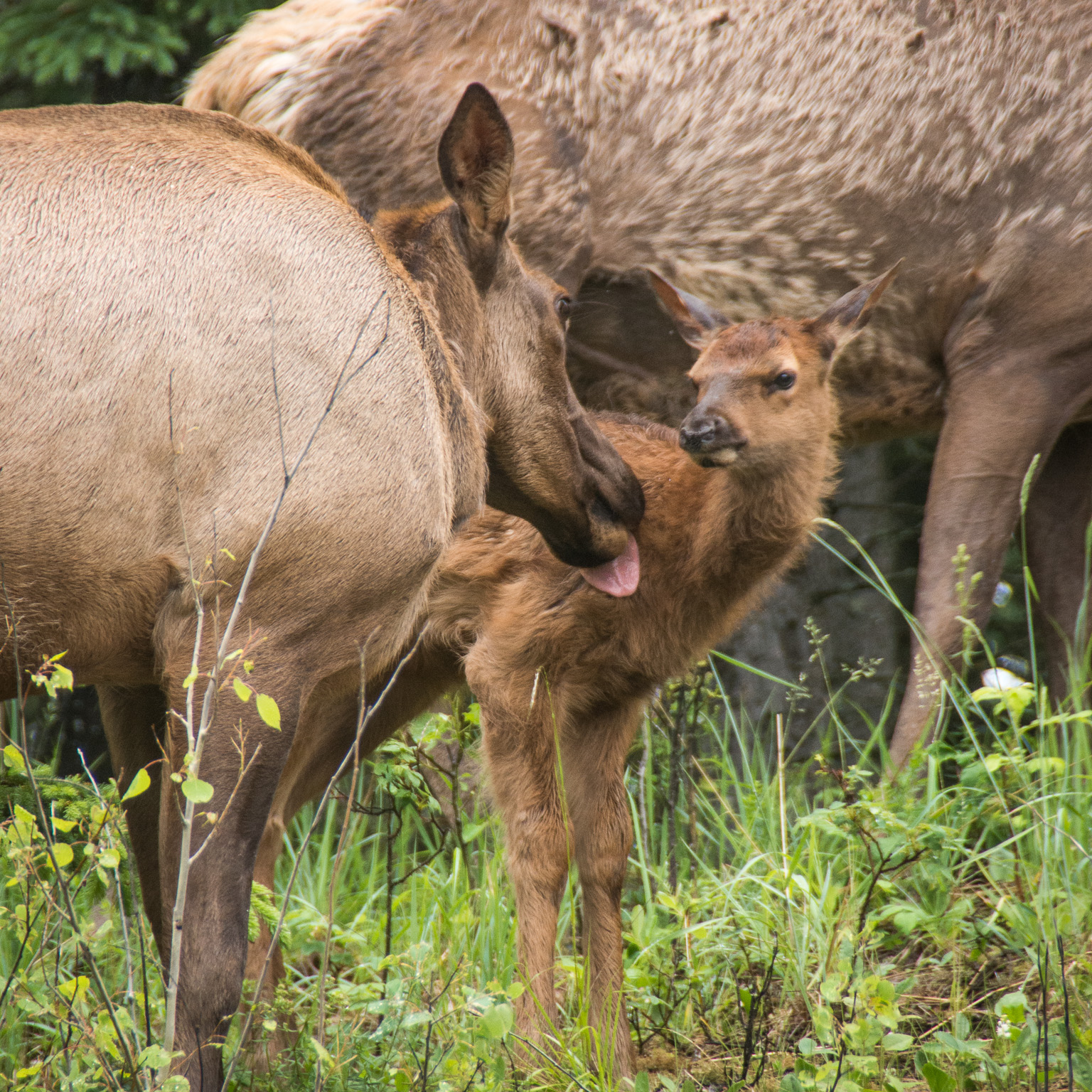
Male elk are in their prime when they are 7-10 years old and will have a harem of 20 or more females. But it’s unclear who is in charge of the harem. The females may be the ones who lead the harem to a new location and they may choose to be included in the group in order to gain protection from other males.

Common loon

Loon
Although loons mate for life, they do not migrate or spend the winter together. Henry has observed the birds’ springtime reunions and says, “I can tell you that the excitement and joy that the birds express upon seeing one another is deeply moving. Both birds greet and display to each other in a manner that can only be described as ebullient. There is much splashing and rushing towards each other. There is jumping and dancing on the surface of the water, but also quiet bill dipping together as well as gliding along side by side.

Untitled

Beaver
Beavers sharpen their teeth by grinding the top incisors against the bottom ones and vice versa. If a beaver is cutting down a large tree, it will stop every 10 to 15 minutes to rest and sharpen its teeth. You may even see flecks of tooth material shooting out the sides of its mouth.

Red fox

Red Fox
Red fox, like cats, can see well in the dark thanks to a shiny membrane on the back of the eyeball. It acts like a mirror so light passes over the retina twice instead of just once.

squirrel

Red Squirrel
Red squirrels will harvest up to 14,000 seed-bearing cones in preparation for winter. The cones are often stored in large underground middens with a network of tunnels. The middens are easy to identify thanks to the pile of cone scales that are discarded above ground.

Black bear

Black Bear
If a mother bear spots danger, she signals to her cubs and they immediately climb a tree. Then they promptly fall asleep until their mother calls to let them know the danger is past and they can come down again.

Buffalo

Plains Bison
A small herd of plains bison roams freely in the southwest corner of Prince Albert National Park (Stewardship: A Critical Role for Landowners). The story of how they came to be there is an interesting one and well documented in the book. Unlike black bears, bison calves are born in a well-developed state. By the time they are three hours old, they are able to run and keep up with the herd and will start nibbling grasses immediately, although most of their nutrition will come from the mother’s milk during the first six months of life.

Watching Wildlife in Prince Albert National Park by J. David Henry is available for purchase at McNally Robinson Booksellers in Saskatoon. It is available at the Saskatoon Public Library.