Showing posts with label Political Activism. Show all posts

Tuesday, 16 July 2019

EcoSask News, July 16, 2019

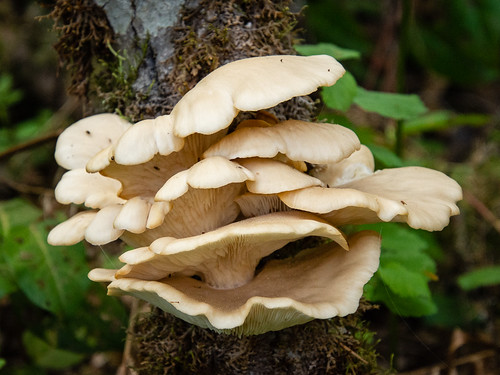
mushrooms

Upcoming Events
Change the Debate on CBC, July 17 (Regina, Saskatoon) 
Regina and Saskatoon are joining a nation-wide rally to urge the CBC to host a debate on climate issues during the upcoming federal election. Meet in front of the CBC studio at 6 pm, July 17, in both Regina and Saskatoon.

YXE Talks Trash, July 23 (Saskatoon) 
City of Saskatoon is inviting businesses and organizations to share their ideas on recycling and organics policies and programs from 7 am-8 pm, July 23.

Farmland Drainage, July 24 (Saskatoon) 
Jeff Olson will speak on Farmland Drainage: A Looming Environmental Crisis at 7 pm, July 24, as part of the National Farmers Union Region 6 convention. The public is welcome.

Busy Bees, Please!, July 24 (Gravelbourg) 
Kids are invited to build a bee bath from 3-4 pm, July 24, at Gravelbourg Public Library.

Go Science Program, July 25 (Springside) 
Join the Saskatchewan Science Centre in Springside for a nature/science program for kids from 1-4 pm, July 25.

Snakes, July 26 (Cypress Hills) 
Join bull snake researcher, Noah Johnson, for a presentation on Saskatchewan snakes at 7:30 pm, July 26, Cypress Hills Interprovincial Park.
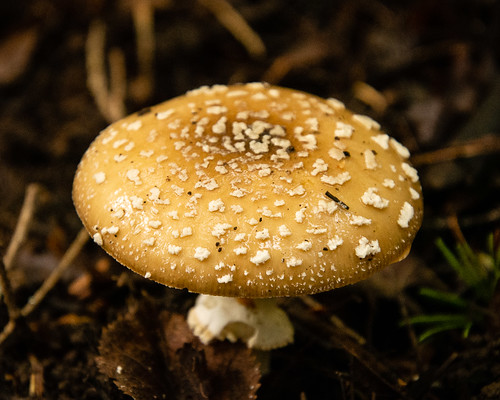
mushroom

Looking Ahead
Putting Beavers to Work, Oct. 23 & 24 (Calgary) 
A two-day seminar in Calgary on Oct. 23 & 24 will look at beavers’ role in watershed resiliency and restoration through both talks and a coexistence tools demonstration.

Agricultural Drainage & the Environment, Nov. 6 (Regina) 
The Citizens Environmental Alliance and its partners are hosting a one-day conference on agricultural drainage and the environment on Nov. 6 in Regina. Topics include carbon and habitat loss, enforcement and compliance, and water quality. For more information, contact Jeff Olson at cea.sask.2018@gmail.com

A full list of upcoming events can be found on the EcoFriendly Sask Calendar 

In the News
Do you live in the Saskatoon neighbourhoods of Aspen Ridge, Silverspring, or Evergreen? If so, help the City of Saskatoon in its land use planning by completing a survey on the value of the Northeast Swale.

“People can’t see noise, but if you were to kind of visualize it, it’s like if everybody was throwing candy wrappers out here as they were driving by with those modified mufflers.”

What if we could heat our home by burning our trash?

“We organised a conference for 570 people without using plastic. Here’s how it went.”

Pop-up parks can increase biodiversity, especially if you include organic materials and lots of plants.

San Francisco's coyote families: a wildlife soap opera.

San Francisco residents have launched a campaign to install 1000 drinking fountains.

An online course explores the captivating behaviour and creative genius of crows.

The UK’s Food Forest Project has been established to help communities to plant food forests – growing food for the local community and providing food and habitats for wildlife.

EcoSask News is a weekly round-up of local news and events. Email us if you have items you would like us to include. 

You can follow EcoFriendly Sask by liking us on Facebook, following us on Twitter, or by email (top right corner).

Tuesday, 21 May 2019

EcoSask News, May 21, 2019

flowering trees

Upcoming Events
Beginner Bird Id Workshop, May 21 (Prince Albert)
Nature Prince Albert is hosting a 2-hour basic bird identification workshop at 7 pm, May 21.

Moose Jaw Nature Society AGM, May 24 (Moose Jaw)
The Moose Jaw Nature Society will be holding its annual general meeting at 6:30 pm, May 24.

Global Strike for Future, May 24 (Regina)
Meet at 10 am at the Royal Saskatchewan Museum for a march to the rally at the Legislative Buildings at 11 am, May 24.

Trash Tag Challenge, May 25 (Regina)
WUQWATR is hosting a trash tag challenge at the Wascana Rowing Club from 1-3 pm, May 25.

Learn to Camp, May 25 (Saskatoon)
Learn basic camping and outdoor living skills from 2-4 pm, May 25, at the Alice Turner Branch Library.

Green New Deal Town Hall, May 28 (Regina)
Help shape a Green New Deal for Canada at 6:30 pm, May 28, Regina.

Fixing SK’s Climate Change Plan, May 28 (Saskatoon)
Ann Coxworth and Peter Prebble will present the SK Environmental Society’s response to the Saskatchewan government’s climate plan at 7 pm, May 28, as part of the Sustainable Speaker Series.

Green New Deal Town Hall, May 29 (Saskatoon)
Help shape a Green New Deal for Canada at 7 pm, May 29, Saskatoon.

International Trails Day, June 1 (Saskatoon)
Meewasin Valley Authority is celebrating International Trails Day on June 1 with activities from 1-4 pm at Friendship Park.

flowering trees

Looking Ahead
Detour, July 22-25 (Saskatoon)
Youth ages 13-14 are invited to flex their creative problem-solving muscles on an urban sustainable design project from July 22-25 at Detour: Spark Ideas, Shift Gears, Activate Change.

ForestART, Aug. 6-9 (Ness Creek)
Unleash your creativity in Ness Creek’s boreal forest setting by participating in ForestART, Aug. 6-9. Workshops include willow basketry, painting, silversmithing, blacksmithing, and printmaking.

A full list of upcoming events can be found on the EcoFriendly Sask Calendar 

In the News
Medicine Hat is pulling the plug on a $13 million concentrated solar power project saying its small, unreliable contribution to the city’s power grid didn’t justify the cost of maintenance during snowy winters and dusty summers.

The Great Plains Air Zone website lists the current air quality at their Belle Plaine, East Regina, and Yorkton stations.

Lawson Heights Mall in Saskatoon has installed bee hotels and flowers on its roof and has a bee-friendly mural in the corridor between the mall and Safeway.

Rare Trees of Saskatoon has a Facebook group.

Vintage clothes and natural fabrics – green fashion in Saskatchewan.

Harbour Air, based in Vancouver, hopes to zero out its emissions with electric airplanes – and save money.

Ensuring healthy ecosystems and biodiversity can force us to make tough choices. It’s caribou vs. jobs and recreation in British Columbia.

Barn swallows eat up to 600 bugs a day so don’t disturb their nests.

A BC inter-city bus service will be fuelled by vegetable oil.

EcoSask News is a weekly round-up of local news and events. Email us if you have items you would like us to include. 

You can follow EcoFriendly Sask by liking us on Facebook, following us on Twitter, or by email (top right corner).
Thursday, 2 January 2014

Sustainability in Saskatoon: 2013 in Review and Future Trends

Untitled

Highlights of 2013
Saskatoon and Saskatchewan celebrated some major achievements in 2013.

Diversity and Collaboration
NatureCity Festival debuted in May 2013 and was a huge success. Over 70 groups hosted more than 75 events. Activities ranged from birding and flash planting mobs to a Slow Food dinner, a medicine walk, and a presentation on grey wolves.

The Festival was a very public celebration of local nature, involving people of all ages and backgrounds. In addition, it was heartening to witness diverse organizations banding together in a common cause.

A second NatureCity Festival, scheduled to run from May 25-31, 2014, is currently in the planning stages. 

A Voice for Nature 
The Northeast Swale Watchers is a group of concerned citizens intent on preserving a healthy swale for future generations. They brought their expertise (birds, wildlife, native plants, wetlands, etc.) to the planning table, assisting the City of Saskatoon and the Meewasin Valley Authority in preparing development guidelines for the Swale.

The growing awareness and understanding of the value of natural areas has added a new dimension to urban planning in Saskatoon.

The Northeast Swale Watchers continue to speak out on related issues, such as neighbourhood development plans and wetland policies, demonstrating the importance of knowledgeable, independent advocates for nature. 

Prairie Pastures 
In Spring 2012, the federal government transferred ownership of the PFRA pastures to provincial control. The Province of Saskatchewan is putting the lands up for sale or lease to patron groups.

Ranchers and environmentalists spoke out strongly against the provincial government’s plans and worked hard to explain to politicians, government officials, and the public at large the importance of safeguarding the well-being and legacy of the province’s publicly-owned grasslands. Pasture advocates held public meetings and educational events and initiated significant media coverage of the issues.

As a result, more people than ever before are aware of the intrinsic value of prairie grasslands and virtually all of the land will remain publicly owned for the time being.

Urban Agriculture 
Support for local food and urban agriculture continues to grow. New community gardens open every year; more and more schools are planting vegetable gardens; and a number of farmers are successfully employing SPIN Farming principles.

In 2013, EcoFriendly Sask provided financial support for CHEP’s Backyard Garden Sharing program as well as several school garden projects.

The urban agriculture trend is expected to continue to grow in 2014. We hope that greater attention will also be given to protecting the agricultural land surrounding the city.


sunrise

Looking Ahead to 2014 
Saskatoon Community Wind 
Saskatchewan relies on coal as its primary energy source, despite the associated heavy impact on the environment. Saskatoon Community Wind offers a green, locally-owned alternative and has tremendous potential.

After developing significant public support in 2013, we hope that Saskatoon Community Wind’s plans will begin to bear fruit in 2014.

Green Builds 
There is increasing support for sustainable building and renovation practices.

Innovation Place has led the way with two of the first three LEED-certified buildings in Saskatchewan. Their choice of building materials, use of alternate energy sources, water conservation measures, and more demonstrate their support for sustainable building practices.

An increasing number of individuals and developers are incorporating solar panels and superior insulation in their homes and projects. The City of Saskatoon plans to start monitoring energy usage in all their buildings as a first step towards more rigorous energy usage policies.

Information about green building practices and alternate energy sources is available but is not always easily accessible. There is a need for a more unified information source and opportunities for interested individuals to ask questions and share information. A green building tour would be a valuable initiative. 

Urban Transit 
The cycling community has led the way in promoting alternate forms of transportation. This issue will continue to attract attention in 2014 and should lead to increased awareness of the need for better facilities for pedestrians and bus passengers as well. 

Truck sales in Saskatchewan are triple the national averageIt’s time to question the need for such large, inefficient vehicles in an urban environment.

Tuesday, 26 November 2013

EcoSask News, November 26, 2013

Black-capped chickadee

Events & Opportunities
The Human Scale, Dec. 7
Great Places Saskatoon presents the film, The Human Scale, at 7 pm, December 7, at the Roxy Theatre. The film explores the ideas and work of Danish architect, Jan Gehl, and the making and shaping of cities for people.

Winter Birding Contest
Keep a list of all the Saskatchewan birds you see this winter and share it with others through Nature Saskatchewan. The contest runs from December 1 to February 28. Send entries to Boyd Metzler, Box 126, Whitewood, SK S0G 5C0 (boyd.metzler@sasktel.net) by March 15, 2014.

Waste Minimization Awards
The Saskatchewan Waste Reduction Council is inviting nominations for their Waste Minimization Awards in a variety of different categories, including Youth, Small Business, Municipality, and Festival/Event. The deadline for nominations is March 31, 2014.

James L. Baillie Memorial Fund
Individuals and organizations are invited to apply for grants from the James L. Baillie Memorial Fund to support projects that increase understanding, appreciation, and conservation of Canadian birds in their natural environment.

Take Action
It’s easy to become discouraged about climate change. It’s a lot harder to figure out ways in which we, as individuals or small groups, can make a difference. Here are some ideas. If you’re interested, be sure to apply for an EcoFriendly Action Grant.

Create a nature trail and bird sanctuary (Neudorf Trails and Wild Bird Sanctuary)

Organize a hazardous waste collection system for your condo/apartment building

Become an Important Bird Area caretaker (volunteers needed for Big Muddy Lake, Cabria Area, Cumberland Marshes, Grasslands National Park – East Block, Primrose Lake, and Suggi Lake)

Untitled Thought-Provoking
What is the best way to protect the Prairies – through rewilding or ranching?

When government supports the fishing industry, environment and our long-term future are the losers –  the same argument could apply to Canada’s oil industry

Thumbs Up
Lake Ontario keeps Toronto cool

Customized advice and energy comparisons work better than monetary rewards in cutting energy usage

5 unconventional ways to get people hooked on nature – from treetop Barbies to prison science projects

Thumbs Down
Toxic waste from Alberta coal slurry spill goes unreported

EcoSask News is a weekly round-up of local news and events. Email us if you have items you would like us to include. Additional upcoming events can be found on our Calendar.

You can follow EcoFriendly Sask by liking us on Facebook, following us on Twitter, or by email (top right corner).

Tuesday, 5 March 2013

EcoSask News, March 5, 2013

Owls 
Untitled Are you intrigued by owls? If so, be sure to participate in these upcoming events for children and adults:

March 16 – 5-11 year olds – Meet Spirt, the one-eyed Great Horned Owl at the Saskatoon Zoo and discover what’s inside an owl pellet. Pre-registration is required.

March 20 – Erin Bayne will speak on Burrowing Owl Habitat Associations in Room 1039, Education Building, University of Saskatchewan (PCAP SK Native Prairie Speaker Series)

April 13-14 – Join the Saskatoon Nature Society on an overnight trip to look and listen for owls in northern Saskatchewan.

Saskatchewan’s Forests 
The Ministry of Environment’s 2012 Report on Saskatchewan Forests covers wildfire disturbance, insect and disease disturbance, proportion of the sustainable harvest utilized, and regeneration.

Mary Houston, Alumni of Influence 
Congratulations to Mary Houston who has been named a 2013 Alumni of Influence by the College of Arts and Science, University of Saskatchewan. Mary co-founded Saskatoon Young Naturalists and has banded thousands of birds - including 5,340 Bohemian Waxwings. She has written over 102 publications and served on the executive of many different organizations, including the Canadian Nature Federation, Saskatchewan Natural History Society, and the Saskatoon Nature Society.

Environmental Activism Awards
Send in your nominations for the Saskatchewan Eco Network’s Environmental Activism Awards to info@econet.sk.ca by March 30, 2013.

Making a Difference
It took Minnie and Mickey Mouse to save the Asian rain forests.

Stop wasting time trying to convince those who refuse to be convinced.

Local initiatives can make a difference - pop-up urbanism in Christchurch.

Green Houses
The Government of Saskatchewan offers a number of GoGreen grants for homeowners. They include a Net Metering Rebate Program, Energy Efficient Rebate for New Homes, and Geothermal and Self-Generated Renewable Power Loans.

10 Green Building Tips – from drainage to light bulbs and mould.

Can a Net Zero Energy House also become Net Zero Water by capturing and treating its own water?

Food 
Turn your garage into a food factory – Red Deer is test driving the concept.

Coffee grounds work well for fertilizing plants, keeping fleas off your dog, and cleaning drains.

Urban farms foster community and healthy eating (podcast).

Latin America Walks & Cycles 
Untitled Buenos Aires has completed 100 kilometres of protected bike lanes, offers interest-free loans to promote bicycle purchases, and 1000 free public bikes. La Nación, a local newspaper, found that a 7 km journey to or from the city centre at rush hour took nearly twice as long by bus or car as by bike.

Volunteer masked crusaders are defending pedestrians in Mexico City.

EcoSask News is a weekly round-up of local news and events. Email us if you have items you would like us to include. Additional upcoming events can be found on our Calendar.

You can follow EcoFriendly Sask by liking us on Facebook, following us on Twitter, or by email (top right corner).

Tuesday, 23 October 2012

EcoSask News, October 23, 2012

Protect the Prairies 
Protect the Prairies is a campaign by those who value the natural beauty of our native grasslands and want to protect the PFRA community pastures. You can show your support by signing the petition and spreading the word.

Lunch and LEED, Oct. 29 & 30
The Canadian Green Building Council is offering two lunch-time workshops regarding LEED certification in Saskatoon. The first is on October 29 at St. Andrew’s College, university campus, while the second is on October 30 at Cliff Wright Library.

Integrating Agriculture, Environment & Economics at a Watershed Scale, Nov. 27-28
Register now to attend the Saskatchewan Branch Fall Workshop of the Canadian Water Resources Association.

Artists Respond to Petroleum Industry
Beneath a Petroliferous Moon is on display at the Mendel Art Gallery until January 6. It consists of 11 artists' responses to the petroleum industry, ranging from oil tanks and drums carved into lace to represent “sweet” crude to masks made out of discarded jerry cans from Africa and large-scale photographs by Edward Burtynsky. (Images are from the Mendel Art Gallery website.)


The title of the exhibit is from a poem by Pablo Neruda about the oil industry in South America.

Navigable Waters Protection Act
Amendments to the Navigable Water Protection Act will limit its application to less than 200 bodies of water. Environmentalists say that changes to the act are part of a move by the federal government to weaken environmental oversight.

WasteLess Denim
The new WasteLess Levi’s jeans will each include at least 20% post-consumer waste, equating to eight 300-500 ml plastic bottles per pair. The plastic will be sorted by colour, crushed into flakes and made into a polyester fibre, which will then be mixed with cotton fibre to create yarn. The resulting fabric will have an undertone of the colour of the bottles used.

Water Issues
1. Starting next year, treated wastewater from showers and sinks could be used to flush toilets in the University of Colorado’s green-certified dorm.

2. Antibacterial hand soaps and cleaners are polluting our water. When exposed to chlorine and sunlight, triclosan breaks down into several dioxins that threaten all forms of aquatic life.

Paper Products 
According to Greenpeace, if every household in Canada replaced just one roll of toilet paper made from virgin fibres with one made from recycled paper, we could save 47,962 trees. Green Living provides a list of 13 paper products that receive their environmental stamp of approval.

Kids and Nature Project 
1. Project Noah is a software app to explore and document wildlife and share your information. Join a mission with other people around the world to record what you see, whether it’s urban biodiversity, birds, butterflies, or dragonflies.

2. October 25 is Take Me Outside Day. How much time do you or your kids spend outdoors every day?

EcoSask News is a weekly round-up of local news and events. Email us if you have items you would like us to include. A complete listing of all upcoming events can be found on our Calendar.

You can follow EcoFriendly Sask by liking us on Facebook, following us on Twitter, or by email (top right corner).

Thursday, 11 October 2012

Who is EcoFriendly Sask?

“Be the change you want to see in the world.” Mahatma Gandhi 

Andrew McKinlay wanted to do something to help the environment. At first, he didn’t know what he could do, but then he realized that there was only limited information available about environmental news and issues in Saskatoon and Saskatchewan, and it was scattered.

He teamed up with his sister, Penny McKinlay, to develop an online publication that took advantage of social media to spread the word about news stories and upcoming events as well as providing profiles of local people and places.

The Written Word
EcoFriendly Sask went live in July 2011. Every Tuesday, we publish EcoSask News, a round-up of locally relevant news and events. We also post profiles of people, places, and books (e.g. the Dark Sky Preserve at Cypress Hills Interprovincial Park, residential solar energy options, urban farming, and wildlife rehabilitation).

A Calendar page lists upcoming events, and we maintain the conversation on Facebook and Twitter.

EcoFriendly Action Grants
In May 2012, we went one step further and started providing small grants of up to $500 to support local projects that will benefit the environment. In the past few months, we have offered over $9,000 to a wide variety of projects (e.g. Saskatoon Cycles’ Bike Valet, TRoutreach’s fisheries research, the Meadow Lake Junior Forest Wardens clean-up at Pagan Lake, the SEN Environmental Film Festival, the Native Plant Society of Saskatchewan).

Moving Mountains 
At EcoFriendly Sask, we believe that the written word and visual images are powerful tools for inspiring change. Here are some useful resources:

Words 
Orion magazine — a bimonthly, advertising-free magazine devoted to creating a stronger bond between people and nature.

Trevor Herriot, author of Grass, Sky, Song — Saskatchewan’s award-winning naturalist blogs about the spirit and beauty of the Northern Great Plains, addressing political and environmental issues.

The Centre for Civic Governance —  The Centre works to support community leaders in addressing social and environmental challenges. They publish a Going for Green Leadership Handbook series.

Images 
International League of Conservation Photographers — working photographers with a demonstrable, sustained involvement in conservation.

Chris Helzer, a scientist for The Nature Conservancy, discusses how his love of photography and nature complement each other in a short video.

Ready, Fire, Aim 
EcoFriendly Sask strives to inform, encourage, and support local environmental initiatives. As a small, personal initiative, we have the flexibility to respond to changing needs and requests. We welcome your suggestions. (Ready, Fire, Aim)

Tuesday, 28 August 2012

EcoSask News, August 28, 2012

Taking action, walking to school, stargazing, saving seeds, and going on a picnic


Youth
Action Ideas, Aug. 31
Quick! There’s still time to submit your ideas for action on climate change and food justice to Check Your Head. Actions must be youth-led and local. Three action ideas will receive funds to help them come to life. The deadline is August 31.

Powershift, Oct. 26-29
Powershift 2012 is a movement organized by youth for youth whose goal is to build a movement for a just and sustainable future. 1500 youth from across Canada will be meeting in Ottawa from October 26-29.

Saskatoon Young Naturalists
The Saskatoon Zoo Society offers some wonderful field trips for 5 to 11 year olds. Coming up shortly are Sandhill Crane and Whooping Crane Field Trips. Check their website for full details.

Walk to School
Walking or cycling to school contributes to a healthy lifestyle, but it’s far less common nowadays. Parents who walked to school now drive their kids. A survey by Canada Walks suggests some ways of bringing about change:
  1. Provide guidance to parents to organize Walking School Buses and bicycle trains
  2. Promote walking buddy programs for older students so they can have independent mobility with more eyes on the street
  3. Find ways to get bicycle racks at schools, provide bicycling education, and work towards policies that will make this a priority in school transportation budgets.
  4. Continue to work towards infrastructure improvements
  5. Target parents with messaging, especially concerning convenience, weather and trip-chain mentality
  6. Stress the environmental, community and personal well-being benefits associated with the trip
  7. Use event days to show driving parents how little time it takes to walk from their homes

Outings
Stargazing in Horizon, Sept. 15
Now here’s something a little different. Take the train from Ogema to Horizon at sunset. Spend an hour looking at the night sky under the guidance of a trained amateur astronomer, and enjoy the poetry of Robert Service. The last trip of the season is on September 15.

SNS Fall Picnic, Sept. 16
Join the Saskatoon Nature Society from 2-7 pm on September 16 for a fall picnic at Eagle Creek Regional Park. They’ll be birding before supper. Full details are available online.

Gardens
Saving Seeds
Here’s a handy guide to collecting and saving seeds from your garden, ready to use again next year.

Politics
Sale of Community Pastures
Agriculture Minister Lyle Stewart says that the sale of Saskatchewan’s community pastures is a good idea. Trevor Herriot disagrees. Here are the stories:
Vast tracts of conservation land threatened
Stewart defends divestiture plans
Ranchers may be good stewards but the de facto steward is the marketplace

Environmental Assessments Cancelled
Ottawa has cancelled 700 environmental assessments in Saskatchewan. In The StarPhoenix article, Professor Bram Noble calls the decision “unprecedented” and “a step backward.” “The Federation of Saskatchewan Indians accuses the Canadian and Saskatchewan governments of pandering to corporate interests at the expense of nature.”

EcoSask News is a weekly round-up of local news and events. Email us if you have items you would like us to include. A complete listing of all upcoming events can be found on our Calendar.

You can follow EcoFriendly Sask by liking us on Facebook, following us on Twitter, or by email (top right corner).

Tuesday, 14 August 2012

EcoSask News, August 14, 2012

We're on the lookout for sage grouse and salamanders, youth writers and leaders,  
budding entomologists and provincial water strategies


Wildlife
Entomological Extravaganza, August 18
Budding entomologists are invited to join TRoutreach Saskatchewan and the Entomological Society of Saskatchewan for a day in the sun and stream collecting insects. The Entomological Extravaganza is scheduled for August 18 at Pine Cree Creek in the Cypress Hills.

Vote Now, Vote Often
Show your support for Saskatchewan’s endangered species by voting (up to once a day) for Nature Saskatchewan who are participating in Jamieson’s Call for the Wild competition. Jamieson will be giving out $100,000 to five competing organizations, based on the votes they receive. The funds will help support Nature Saskatchewan’s Stewards of Saskatchewan programs.

Tiger Salamanders
Andrew McKinlay recently spotted a couple of tiger salamanders on the Meewasin Trail. Tiger salamanders are the largest land-dwelling salamanders on earth (up to 14"/35 cm in length). They live in deep burrows up to 2 ft/60 cm below the surface. They emerge at night to eat worms, insects, frogs, and even other salamanders and can live on average 10-16 years in the wild.

Sage Grouse
Fifteen percent of Sage Grouse die because they get caught in wire fences. Plastic clips hooked on fence wires are a simple, effective solution.

Obscure and Unloved 
The federal government has refused to list three species as endangered. Is this a reasonable decision, or is it the thin edge of the wedge? The Ottawa Citizen has an excellent review of the topic. For more information, you can follow Laura the Dragonfly, the Sierra Club of Canada’s spokesperson, on Facebook or Twitter.

National Urban Park
CPAWS is urging Canadians to respond to Parks Canada’s on-line questionnaire about Rouge National Urban Park in Toronto. CPAWS believes that the park should have a strong legal mandate prioritizing conservation to avoid the risk of being overrun with visitors and "loved to death."

Water
Developing a Provincial Water Strategy 
The Government of Saskatchewan is asking for public feedback on a 25-year provincial water strategy. Last year’s discussions with key stakeholders indicated that water is a key provincial resource that is extremely volatile due to the prairie climate and recommended that the government establish provincial and sectoral water management goals. The government proposes establishing a new corporation that would be responsible for consolidating government's core water management expertise and reduce current overlaps.

Drought in the Midwest 
William G. Moseley argues that the drought in the Midwest could be beneficial if it inspires greater crop diversification and decentralization.

The Island President
Did you get a chance to see the film about the Maldives, which are flooding due to rising ocean levels? If not, here’s a 45 minute video discussion with Bill McKibben (350.org) and Jon Shenk (the filmmaker).


Youth
Next Up Leadership Program
Applications are now being accepted for Next Up, a leadership program for young people committed to social and environmental justice. The deadline for Next Up Saskatchewan is September 14.

Young Writers Awards for Excellence
Youth ages 15 and under and 16 to 21 are encouraged to apply for the Paul Beingessner Award for Excellence in Writing from the National Farmers Union. The essay topic is “Cooperatives: An Exercise in Democracy,” and there is a $500 prize in both age categories.

EcoSask News is a weekly round-up of local news and events. Email us if you have items you would like us to include. A complete listing of all upcoming events can be found on our Calendar.

You can follow EcoFriendly Sask by liking us on Facebook, following us on Twitter, or by email (top right corner).

Tuesday, 17 July 2012

EcoSask News, July 17, 2012

Greenhouses and ponds, shore birds and parks, BC shows leadership, and the benefits of sustainability 


Northern Greenhouses, July 18
The U of S International Centre for Northern Governance & Development and the Canadian Society for Horticultural Science are offering a mini greenhouse symposium for those interested in learning about sustainable energy and food production in the greenhouse environment from 3:30 to 5 pm on July 18. RSVP in advance (susan.prpich@usask.ca or 966-1238).

Lucky Lake Shorebirding, July 28
Pack a lunch and rubber boots, and join Saskatoon Nature Society members in observing shore birds at Lucky Lake. Call 374-8571 for additional information.

Survival Celebration Camp, August 3-6
The Committee for Future Generations is hosting a Survival Celebration Camp for Sustainable Earth at Lac Ile à la Crosse Recreation Site from August 3 to 6. There will be workshops on sustainable energy sources, daily talking circles, speakers, and campfire music jams. For further information, contact Candyce Paul (306- 288-2079 or 288-3157, committeeforfuturegenerations@gmail.com).

Pond at Innovation Place
The staff at Innovation Place has been busy re-establishing a healthy ecosystem in the pond. Microbes, insects, frogs and fish all have a role to play in creating a healthy water environment that is home to various transient wildlife.

Status of Canadian Parks
The Canadian Parks and Wilderness Society (CPAWS) has just released its annual report on the State of Canada’s Parks. The report points to four key concerns: the impact of federal budget cuts, inappropriate tourism and recreational developments, growing industrial development pressures, and new park boundaries that maximize neighbouring industrial development opportunities rather than protecting ecosystems.

BC Leads the Way 
Carbon Tax is Working: The Sustainable Prosperity research network believes that BC’s carbon tax has “had a positive environmental impact without harming the (BC) economy” in its first 4 years.

There has been a drop in fuel consumption, and greenhouse gas emissions are declining. At the same time, economic growth has been unaffected, and the tax has been revenue neutral, with tax cuts exceeding carbon tax revenue. 

Sewage as Energy: Vancouver and Whistler became the first cities in North America to use sewer systems to provide energy and hot water when they decided to create neighbourhood energy-generating plants for their Olympic Villages.

The carbon signature for this method of energy creation is low because most of BC’s power comes from hydroelectric generation. “'In Alberta, [where power would be generated from coal] the carbon signature with that heat pump can be worse than burning natural gas,’ said Mr. Homenuke” [engineer with Kerr Wood Leidal that designed the Whistler system].

Emphasize the Positive 
In Recrafting the Green Message, Tyler Caine comments on a lecture by Francis Moore Lappé in which she says that we should stop focusing on society’s environmental shortfalls and start advocating the benefits of sustainability. “So here’s the irony: Much of what gets labeled self-seeking consumerism may actually reflect our deep need for connection with others. The seemingly endless purchasing by some modern humans might not be about “things” at all or the comfort or convenience they bring us. Might the urge – be it for a McMansion or cool new sneakers – really be about relationships, our yearning to enhance our status with others? 

“…If there’s truth here, then an effective strategy for calming our mad shopping may not be to scold us as selfish consumers. Might the scorn only diminish further our sense of self – and therefore backfire? If so much more effective would be to foster new, compelling connections in communities of common purpose instead of common purchases–a shift enabling us to feel more secure and powerful.”

EcoSask News
is a weekly round-up of local news and events. Email us if you have items you would like us to include. A complete listing of all upcoming events can be found on our Calendar.

You can follow EcoFriendly Sask by liking us on Facebook, following us on Twitter, or by email (top right corner).

Tuesday, 3 July 2012

EcoSask News, July 3, 2012

Leave No Trace, Go for the Gold, Protect Bird Habitats, Campaign Creatively - EcoSask News covers the spectrum of environmental action


EcoTours, First Aid & Leave No Trace
The Saskatchewan Outdoor & Environmental Education Association (SOEEA) has 4 upcoming events: 
  • Leave No Trace Master Educator Course (August 2-6) – Vinessa Currie-Foster from Clearwater Canoeing will be leading a Leave No Trace Master Educator Course at Forest House
  • HELP International Eco Tour (August 11-12) - Spend the weekend learning about development issues in Canada and in Africa complete with hands-on, real research and development opportunities at HELP International (Weyburn). Families are welcome. 
  • Backpacking Eco Tour (September 1-3) – Learn to prepare for a backpacking trip and spend 2 nights backpacking on an Eco Tour in Saskatchewan Landing Provincial Park with experienced trip leaders. Families are welcome. Leave No Trace principles will be discussed and practised. 
  • Wilderness & Remote First Aid (September 14-16) – The basic level of Wilderness & Remote First Aid covers material in Standard First Aid & CPR plus special material on techniques for wilderness and remote areas and strategies for providing extended care for up to 24 hours. Part of the course is taught outdoors and it requires greater physical activity and endurance than typical first aid training. The course will be taught at the Boreal Forest Learning Centre near Big River. 

Generating Momentum, August 23-26 
18-29 year olds are invited to participate in Generating Momentum: Activist Leadership Training Camp, August 23-26 in Dundurn. The theme is developing, supporting and uniting progressive voices.

Will Civic Buildings Go Green?
The City of Saskatoon’s environmental advisory committee has recommended that the City install a minimum LEED standard of gold for all new civic buildings of more than 5,400 square feet. "Leading by example demonstrates commitment and provides direction and experience for the design and building sectors and enables our city to take advantage of many long-term benefits including lower civic operational and maintenance and renewal costs," the report from the advisory committee says.

Melville Goes Paperless
The City of Melville is the second Saskatchewan municipality to adopt the iCompass Meeting Management Solution. The web-based program streamlines the creation, approval and distribution of agendas, minutes, and related meeting material for small-to-medium-sized municipalities.

Beaver Bonanza 
Visit the SaskEnergy Beaver Pond room at the Beaver Creek Interpretive Centre and discover why beavers build their lodges and dams and how their busy work benefits others. Beaver Creek is open from 9 am to 5 pm on week days and from 9 am to 8 pm on weekends and holidays.

The State of Canada’s Birds 
The Canadian Wildlife Service and Canadian NGOs have jointly produced the first State of Canada’s Birds report.

Trevor Herriot comments, “The report, some 36 pages, is well done, but I wish these kind of documents could be more direct and forthright instead of taking the mincing, bureaucratic tone of every report edited by committee. When are we going to admit, for example, that our focus on individual species in the Species at Risk, endangered species approach is an abject failure; that we are not making any progress securing important bird habitats and preventing industry from destroying them?” 

Who Will Care For Our Parks? 
The Saskatoon StarPhoenix reports that there will be 21 fewer employees at Saskatchewan’s national parks and historic sites this fall. The hours and/or season of 11 additional employees may also be affected. There are 260 Parks Canada workers in Saskatchewan, 157 of whom work at Prince Albert National Park, as well as 103 people employed at 6 historic sites.

Bicycle Helmets 
Mikael Colville-Andersen, an urban cycling expert, says that bicycle helmets have one measurable effect – they discourage cycling by making it seem too dangerous. What do you think?

Beautiful Trouble
Beautiful Trouble: A Toolbox for Revolution “consists of short, interrelated modules – creative tactics, action design principles, case studies, and theoretical frameworks – that together comprise an accessible matrix of best practices and ideas in creative campaigning.” It’s available in either paperback or ebook format.

EcoSask News is a weekly round-up of local news and events. Email us if you have items you would like us to include. A listing of upcoming events can be found on our Calendar.


Follow EcoFriendly Sask by liking us on Facebook, following us on Twitter, or by email (top right hand corner).

Thursday, 24 May 2012

PFRA Pastures: Good for Farmers, Good for the Land

“The community pastures are public land, and their resources of life and beauty are part of our heritage.” (Candace Savage) 


In its recent budget, the federal government announced that it would be divesting itself of all the PFRA pastures, turning the land back to the provinces. As a city dweller, I (Penny) wasn’t sure what the consequences would be, so I did some online research.

Assisting Farmers
Drought and severe wind erosion in the Dirty Thirties had a devastating effect on Prairie farms. The federal government stepped in to help and passed the Prairie Farm Rehabilitation Act. Their mandate was to rehabilitate land affected by soil drifting and to develop and promote effective land management practices.

In 1937, the PFRA Act was amended so that the Government could purchase some of the most erosion-prone land. The land was fenced and seeded, creating 16 community pastures that were open to grazing the following year.

There are now 62 federal community pastures in Saskatchewan covering nearly 710,000 hectares. Their mission, according to the 2006-2011 Community Pasture Program – Business Plan, is “to manage a productive, bio-diverse rangeland and to promote environmentally responsible land use and practices. The program does this by utilizing the valuable land resource to complement livestock production. In addition, this program provides stakeholders with expertise and services for the sustainable use of land and water by developing and communicating the best practices in agriculture.” 

Approximately 3,100 producers use the pastures each summer, grazing about 220,000 head of livestock and using over 3,000 bulls in the pasture breeding program. In 2002, over half the costs of the program were recovered through fees paid by local farmers, and this percentage was expected to increase.

Valuable Resource 
The community pastures are a valuable resource for Prairie farmers, providing them with rich pasture for their herds at very reasonable rates. In addition, they are carefully managed to ensure optimal animal operations and avoid over-grazing.

But the pastures also serve to protect a wide variety of plants and animals, including many rare species. Chet Neufeld, Executive Director of the Native Plant Society of Saskatchewan, says that the Dundurn and Rudy-Rosedale PFRA Pastures, as just one example, have a number of rare plant species, including Hairy Prairie Clover, Schweinitz’s Sedge, Beaked Annual Skeletonweed, and Smooth Arid Goosefoot.

In addition, he believes that the pasture is home to rare birds, such as Burrowing Owls, Sprague’s Pipits, Short-Eared Owls, Common Nighthawks, and Barn Swallows.

Environmental Responsibility
Trevor Herriot, author of Grass, Sky, Song, is concerned that the Federal Government is offloading its responsibility for protecting Canada’s endangered species in order “to clear the way for oil and gas and other corporate interest to use the land as they see fit. Giving up 1.78 million acres of the most endangered habitats in the country is a sneaky way for Stephen Harper to wash his hands of its equally endangered species. . . . When are we going to wake up to the truth that laws protecting endangered species are useless without legislation to stop governments from giving up the management of the land critical to their survival?”

In a second article about the PFRA pastures, Herriot says, “The old PFRA pastures represent a critical opportunity to do something lasting and visionary with some of the most ecologically rich grasslands remaining on the continent. We must not let this moment pass without making every effort to find the kind of common ground between cattle grazers and conservationists that will ensure the health of these important remnants of prairie wildness.”

In a letter to the editor of the Saskatoon StarPhoenix, Candace Savage, author of Prairie: A Natural History, urges Saskatchewan residents to write to their MLA (contact info: http: //www.legassembly.sk.ca/ mlas/): “tell him or her that you care about the livestock producers and community-pasture staff who rely on these lands for their livelihood. More than that, tell him or her that you care about the prairie's wild inhabitants, which rely on the wide open spaces of cattle country for their very existence.”

Further Information
Federal Pastures to be Offloaded, Trevor Herriot’s Grass Notes
Offloading Federal Pastures: Part 2, Trevor Herriot’s Grass Notes
Action Needed in Order to Save Legacy Pastures, Candace Savage
Saskatchewan’s Environmental Champions: Prairie Farm Rehabilitation

Tuesday, 17 April 2012

EcoSask News, April 17, 2012


Youth
Eco-Warriors Club, April 29 to June 24
Friends of the Royal Saskatchewan Museum have started an Eco-Warriors Club for 9-12 year olds from April 29 to June 24. Sunday afternoon field trips (by bus) will look at compost, recycling, shopping locally, and burrowing owls.

Moving the Trash Mountain
Delila Jahn-Thue’s son urged her to stop burning trash. Not only did the family change their waste practices, but they are promoting a recycling facility in their rural municipality. In addition, Jahn-Thue wrote an ecological fairy tale for children – Advice between Kingdoms: How the Hays moved Trash Mountain.

Field Trips
Join the Saskatoon Nature Society for two field trips:
April 21, 1-5 pm - Waterfowl at Brightwater Marsh - meet at NW corner of the Centre at Circle & 8th parking lot (955-5028)
April 22, 1:30-4:30 - Crocus Hike - meet at Kinsmen Park parking lot across from the Mendel Art Gallery (665-0987)

Spring Clean-up
Meewasin River Clean Up, April 19
Brainsport is holding their annual Meewasin River Clean Up on April 19. Meet at Brainsport at 6 pm. Bring work gloves and comfortable shoes.

Clean-Up Campaign, April 22
Stop by the Meewasin Valley Centre at 2 pm on April 22 to pick up an information package and some bags so you can help spring clean Saskatoon.

Summer Travels
Athabasca Sand Dunes Info Night, April 25
Greg Fenty, Education Coordinator, Saskatoon Zoo Society, is leading a trip to the Athabasca Sand Dunes offered by the Centre for Continuing and Distance Education, University of Saskatchewan, from July 8-14. An information night will be held at 7 pm on April 25 at the Williams Building on Cumberland Avenue.

Eco Museums
Eco museums foster a sense of place, local participation, and local community development. Two Saskatchewan examples are the Prairie Wind & Silver Sage Museum at Val Marie and Redberry Lake Biosphere Reserve.

Prairie Wind & Silver Sage, operated by the Friends of Grasslands, includes museum exhibits, an independent bookstore with a focus on Prairie authors and stories, an espresso bar, and several art exhibition spaces.

Redberry Lake Biosphere Reserve offers educational events, works with local landowners, and provides a wonderful spot to hike or be on the lake.

Environmental Activism
Spread the Word: Native Prairie Restoration Week
The Saskatchewan Prairie Conservation Action Plan (PCAP) is looking for volunteers to help promote Native Prairie Restoration Week. You’re encouraged to download and distribute posters, plan events and displays, or post information in your newsletter or on your website.

PCAP SK has also prepared a downloadable checklist of 20 ways we can enjoy native prairie.

EcoFriendly Action Grants
EcoFriendly Action Grants are small, monthly grants designed to support concrete, tangible environmental projects in Saskatchewan. Apply now.

Working Together
Foodies can Eclipse (and Save) the Green Movement

Gardening
Butterfly Gardens
Find out all about caterpillars, butterflies, and butterfly-friendly native plants with this handout on Butterfly Gardens.

A two-day workshop for educators on Teaching and Learning with Monarch Butterflies will be offered in Regina on July 10 and 11.

Urban Living
Bike Boulevard, April 24
The City of Saskatoon is holding an open house from 7-9 pm on April 24 to provide information about Saskatoon’s first “Bike Boulevard.” The boulevard will provide a safe cycling route from downtown to Blairmore.

Street Lighting
Barcelona reduced power consumption and light pollution by installing LED lights that come on when people or cars approach and turn off as they move on.


EcoSask News is a weekly round-up of local news and events. Email us if you have items you would like us to include. A complete listing of all upcoming events can be found on our Calendar.

You can follow EcoFriendly Sask by liking us on Facebook, following us on Twitter, or  by email (top right corner).

Thursday, 12 April 2012

EcoFriendly Action Grants

Small Monthly Grants to Support Concrete, Tangible Action

Crocus Power
When we look at the world around us, it’s all too easy to feel depressed and powerless.

How can one person or even a small group of people make a difference in the face of political decisions that put money and power above long-term sustainability for all living creatures on the planet?

But it’s spring, the season of birth and renewal. A fragile crocus is undaunted in the face of fierce prairie winds. Grains of wheat will soon be transformed into tall, sturdy plants. If they can do it, so can we – one small step at a time.

Prairie People Power
Prairie folks are pretty wonderful. In fact, Saskatchewan leads the country in volunteer hours, and much of that effort goes to protecting our environment.

Native plant lovers spend hot, sweaty hours digging up invasive weeds. Wildlife rehabbers feed orphaned baby birds every 20 minutes until they are strong enough to feed themselves. Small groups of people plan an environmental film festival, a winter cycling workshop, or a Park(ing) Day event. Others share their love of nature by taking groups of children out to hunt for crocuses or tadpoles.

There are bigger gestures as well. A farmer hires a researcher to study the impact of the gas and oil industry on his farm. A family builds a straw bale house and then holds a workshop to teach other people the technique. A community group sets up a volunteer fruit harvesting program.

EcoFriendly Action Grants
Sometimes people have a great idea, but they need additional financial resources. We want to help.

EcoFriendly Sask will provide a grant of up to $500 every month to support a local project that will benefit the environment.

Send us an email outlining your dream project and explaining what you need to help make it happen. Tell us why it’s important, and keep it practical; we’re interested in concrete, tangible actions. We’ll consider environmental projects from across the spectrum: from cleanup, recycling and habitat restoration; to plants and gardening; environmental education; planet-friendly urban design; wildlife and energy conservation.

Grant recipients will be expected to start working on their project within a month of receiving the funding. You will be asked to write a short report on the outcome of your project, which may be posted on EcoFriendly Sask’s website so that others can learn from your experience.

Individuals or groups can apply. You don’t have to have charitable status. You just need energy and a commitment to protecting and promoting the world around us. You can apply more than once, but new applicants will have precedence over applicants who have recently received funding. If there is more than one eligible proposal in a particular month, the ones that don’t receive funding will be considered in future months.

EcoFriendly Sask will accept proposals on a continuous basis. Email us at ecofriendlysask@gmail.com when your proposal is ready. At the end of each month we’ll report back on the entries we’ve received and tell you which one has been selected. Then we’ll send a cheque to that month’s grant recipient.

The first grant will be awarded at the end of May.

Never doubt that a small group of thoughtful, committed citizens can change the world.
Indeed, it is the only thing that ever has.” (Margaret Mead)

Tuesday, 10 April 2012

EcoSask News, April 10, 2012


Urban Living
Pelicans Have Landed
The first official sighting of the pelicans was  at 7 am, April 4, at the weir.

Pesticides
The City of Regina is considering establishing an urban pesticide ban. The decision has been delayed as they wait for the release of the Saskatchewan Environmental Society’s report on the effects of pesticides, which is due April 30.

Recent research indicates that pregnant women with higher exposure to agricultural pesticides have babies with slightly lower birth rates. The researcher says that pregnant women can reduce their exposure to organophosphate pesticides by choosing organic foods; washing fruits and vegetables carefully; and choosing not to use pesticides in and around their homes.

Meewasin’s New Projects
The Meewasin Board reviewed the annual operational budget for the year ending March 31, 2013 at its meeting on April 4. New projects during the coming year will include a second Ecoblitz of the Northeast Swale, a Monarch Butterfly conservation program at Beaver Creek, and extending the Northwest Meewasin Trail from Adilman Drive to Kinnear. (Saskatoon StarPhoenix article has additional details)

Plants & Gardening
Hike in the Hills, April 15
Join folks from the Craik Sustainable Living Project as they go for a hike on Sunday, April 15 at 1 pm. Meet at the entrance to Craik Regional Park.

Crocus Field Trip, April 19
Join the Saskatoon Young Naturalists in looking for Prairie Crocus from 6-7:30 pm on April 19. Meet at the Peturrson Ravine parking lot (on Central Avenue, approximately 100 m. north of Somers Road). Pre-register by calling 975-3042 or send an email to saskatoonnaturekids@gmail.com.

Garlic Self Sufficiency
We Are Many Saskatoon is gearing up for spring garlic planting. This year, they plan to distribute garlic to anyone who would like to plant and grow it. Planting instructions and volunteers are available if requested. Return plot owners will be offered Saskatoon berry bushes to grow alongside their garlic. Contact Melissa.gan@wam.saskatoon.com if you are interested in donating land.

Plant ID
Nature Saskatchewan has just published Sedges of Saskatchewan. They have a number of additional publications to help you identify Prairie plants, including Ferns and Fern Allies of Saskatchewan; Lilies, Irises and Orchids of Saskatchewan; and Getting to Know Saskatchewan Lichens.

Science and Education
Redberry Lake / University Partnership
The Redberry Lake Biosphere Reserve (RLBR) and the School of Environment and Sustainability (SENS), University of Saskatchewan, have signed a Memorandum of Understanding to strengthen their existing partnership.

As part of the agreement, SENS students will be offered regular field trips to RLBR.

Impending Death of the Solar Cycle, April 19
George Sofko will discuss The Impending Death of the Solar Cycle at the April 19 meeting  (7:30 pm) of the Saskatoon Nature Society in Room 106, Biology Building, U of S campus.

Public Policy
Two papers from the Canadian Centre for Policy Alternatives discuss current political strategies:

A cure for Dutch disease: the consequences of a heavy reliance on primary resource exports and the need for a more balanced, sustainable industry mix

What a Wildrose victory may mean for Saskatchewan: future directions in Alberta could lead to accelerated environmental deregulation in Saskatchewan