Showing posts with label Non-Profit Organizations. Show all posts

Thursday, 12 August 2021

Community Highlights: Nature Saskatchewan


1. How and when did you start Nature Saskatchewan?
 
Nature Saskatchewan began as the Saskatchewan Natural History Society in 1949. In the beginning it was simply a society of amateur naturalists sharing their observations and experiences in nature. The Blue Jay was the beginning of the society and is still distributed to members on a quarterly basis. Nature Saskatchewan first sought to promote the conservation of our natural resources by appealing to its members to practise conservation and by lobbying governments and their agencies on behalf of our natural resources of every nature and kind. 

Much later, in the 1980s, the Society took a further step. It began to support research studies into the status of endangered or threatened species such as the swift fox, prairie rattlesnake, burrowing owl, piping plover, etc. Over the years, Nature Saskatchewan has grown to employ several full and part-time employees and is well respected as a voice for nature in Saskatchewan. 

2. What are Nature Saskatchewan's principal activities and why do you believe they’re important? 
Through several programs, Nature Saskatchewan works towards its mission of “We engage and inspire people to appreciate, learn about and conserve Saskatchewan's natural environment.” With over 600 members and 8 full-time staff as well as several seasonal staff, Nature Saskatchewan offers programs and services that provide knowledge and experiences for those who have a love for nature. 

One of the largest programs is Stewards of Saskatchewan (SOS). SOS is a suite of five voluntary stewardship programs that engage rural landowners and land managers in conserving habitat in southern Saskatchewan to benefit species at risk, ecosystem health, and people. The goals of the programs are to conserve habitat, raise awareness and provide support to agricultural producers, enhance prairie habitat for species at risk, and search for and monitor target species at risk populations. While the focus is on the targeted species, the programs ultimately benefit many other prairie species and their habitats. 

Nature Saskatchewan also manages the Last Mountain Bird Observatory (LMBO). LMBO is the only migration monitoring station in the province and, in 1992, joined the Canadian Migration Monitoring Network (CMMN). 

Each program has a specific focus, whether it be education, research, or engagement with nature. No matter the pathway, the vision of Humanity in Harmony with Nature is always at the forefront. Each program is important to helping us move towards this vision. 


3. What were your successes (big or small) in 2020? 
Of course, 2020 was a challenging year. The Covid-19 pandemic forced us to consider how to deliver the same message while still adhering to public health orders. Most of our programming was moved online or adapted in some way. People needed nature in 2020 more than ever and the engagement we had with the public proved that. We held events such as Nature Trivia nights and Migratory Bird celebrations online and people joined us from all over Saskatchewan and even from neighbouring provinces. We were able to support people exploring nature in a safe way and that was certainly a success during a trying year. 

4. What would you like to achieve in 2021? 
 2021 will be focused on balance. Of course the return to in-person events and interactions is exciting; however, the connections we have made online with people further away have been valuable. Each program has some exciting work being done and we look forward to continuing to work towards conservation goals in Saskatchewan. 

5. If you could have 1 wish for improving your community (in relation to this program), what would it be? 
One main wish is for everyone to feel connected to nature in some way and to understand their impact on the natural environment. This doesn’t need to be extreme but simply appreciating a bird that lands near you or looking closer at nature while out for a walk is important. The saying, “You won’t save what you don’t love,” holds very true. We hope that people start seeing the true wonder of nature and start learning about it. Then perhaps they will do what they can to help conserve it. 

6. Are there volunteer opportunities with your program? If so, please describe them and indicate how people can contact you. 
We do offer volunteer opportunities and depending on experience and interest we can find a fit for most people. We are always looking for event volunteers and for people wanting to help with office tasks such as creating social media content. We are currently looking for volunteers with video editing experience. If you are interested in volunteering with Nature Saskatchewan, please fill out the volunteer application form

EcoFriendly Sask supports Saskatchewan environmental initiatives through an online publication, an events calendar, small grants, and the Nature Companion website/app. You can follow EcoFriendly Sask by liking us on Facebook, following us on Twitter, or subscribing by email (top right corner).


Tuesday, 11 August 2020

EcoSask News, August 11, 2020

Purple Prairie Clover

Upcoming Events
Native Plant Gardens, Aug. 15 (Regina) 
Families can learn about native plants and participate in a flower scavenger hunt on a visit to several of Regina’s native plant gardens from 10 am-12 pm, Aug. 15. RSVP to Nature Regina to confirm participation.

WUQWATR AGM, Aug. 27 (online & Lumsden) 
WUQWATR is holding its annual general meeting at 3:30 pm, Aug. 27. Members are encouraged to participate virtually due to limited space for in-person attendance in Lumsden. RSVP to Kirsten Colvin at 306-946-6533 or info@wuqwatr.ca

50th Anniversary Picnic, Aug. 30 (Saskatoon) 
The Saskatchewan Environmental Society will be celebrating its 50th anniversary with a riverside picnic from 12:30-2 pm, Aug. 30. Registration is required as participation is limited to 30 people.

Looking Ahead
Standard Wilderness First Aid Recertification, Oct. 17 (Regina) 
SaskOutdoors is offering a standard wilderness first aid recertification course from 8 am-6 pm, Oct. 17, in Regina.

Wilderness First Aid, Oct. 23-25 (Lumsden) 
SaskOutdoors is offering a 20-hour basic wilderness first aid course in Lumsden from Oct. 23-25.

A full list of upcoming events (online and in person) can be found on the EcoFriendly Sask Calendar 

Local News
Saskatoon’s Compost Coaches are back in business answering inquiries and offering online workshops.

The City of Saskatoon is proposing an energy loan program and would like residents’ input on priorities and potential concerns. Respond to the public survey by Friday, Aug. 14.

Proponents of coal-fired carbon capture projects "are selling an unproven dream that in all likelihood will become a nightmare for unsuspecting investors

The Bobolink combines its musical voice with that of the Frenchman River. [audio]

Mourning Cloak butterfly

From Information to Action
Wilfred Buck “has helped inspire a new generation of Indigenous astronomy leaders—not just among elementary and high-school educators but also in university departments across North America.” There are plans to hold an international Indigenous star conference in Canada in 2021.

China Goes Green: Coercive Environmentalism for a Troubled Planet by Yifei Li and Judith Shapiro is “a nuanced account of what China has done so far, and what lessons the world can learn from the authoritarian tone of environmentalism in China.” [book review]

The cliff-face front grille on trucks was deliberately designed to create an angry, aggressive face that will intimidate pedestrians – and it’s deadly

Bioplastic - there are limits to its usefulness. [infographic]

A new lithium-ion battery storage facility in Alberta has been designed to store energy from a nearby wind farm and discharge it when needed.

Nature’s Wonders 
Communal latrines keep river otters “up to date on who is around, how they are feeling, and who’s ready to have babies.”

EcoSask News is a weekly round-up of local news and events. Email us if you have items you would like us to include. 

You can follow EcoFriendly Sask by liking us on Facebook, following us on Twitter, or by email (top right corner). 


Check out EcoFriendly Sask’s Nature Companion, a free nature app for Canada’s four western provinces

Thursday, 14 March 2019

Insects - Valuable, Unloved

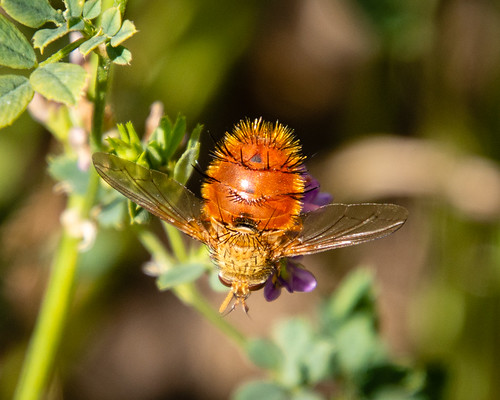
Tachinid fly - Adejeania vexatrix ?

Insectaggedon – the media has been full of stories about the rapid decline in the world’s insect population. And yet, is it any wonder? Pronghorn are graceful, owls are mysterious, pandas are adorable, but we don’t show insects much love. In fact, our first reaction when we spot a spider in the house or an ant hill in the garden is to destroy it. We spray our gardens and crops with pesticides, paying little attention to the impact this will have on other wildlife or the environment as a whole.

That’s Amazing 
“Well, let me tell you, ants are the dominant insects. They make up as much as a quarter of the biomass of all insects in the world. They are the principal predators. They're the cemetery workers.” (E. O. Wilson) 

There are 30 million different species of insects (as opposed to 5000 species of the furry animals we find easy to love). That’s 60% of all animal species. Put them all together and they would “outweigh all the fish in the oceans and all the livestock munching grass on land.” They play a vital role in our ecosystem – from pollinating crops to recycling dead trees and controlling pests.

Insects are also amazingly beautiful. Fireflies light up the night. Jewel beetles have iridescent, brilliantly coloured bodies. The wings of butterflies and moths offer a diversity of rich colours and patterns. The Flight of the Bumblebee by Nikolai Rimsky-Korsakov pays homage to a common insect.

Insects have influenced both religion and culture. The Buddhists viewed cicadas as a symbol of resurrection because of their cyclical reappearances. The humble dung beetle played a role in ancient Egyptian art and religion. “People saw how the scarab beetle (Scarabaeus sacer) rolled a ball of manure along the ground and concluded that a giant celestial dung beetle must roll the sun across the sky each day.” Silkworms – and the silk they produced – were a driving force in opening up trade between Europe and China and led Christopher Columbus to the Americas in his search for the quickest sea route to the Orient.

Engineers designing shock absorbers for a fighter jet studied grasshopper legs. The venom from deathstalker scorpions is being used in clinical trials to fight cancer. Cockroaches thrive in filthy environments thanks to the super antibiotics in their brains – antibiotics that may someday help humans to fight off bacteria that no longer respond to current medical options.

Many insects display superpowers that cannot be matched by humans. Dragonflies have very small brains, but they successfully capture their prey 97% of the time by focusing on one particular insect and ignoring all the rest. When threatened, bombardier beetles spray their attacker with a “boiling hot mixture of caustic chemicals. . . . The beetle itself is not harmed by the fiery chemical reaction. Using two special chambers inside the abdomen, the bombardier beetle mixes potent chemicals and uses an enzymatic trigger to heat and release them.”

Insects are often caring parents: “Giant water bug fathers carry their eggs on their backs, keeping them oxygenated and hydrated. . . . Bess beetles form family units, with both parents working together to rear their young. Their relationship is so sophisticated they've developed their own vocabulary and communicate with each other by squeaking.”

water strider

All I’m Asking is for a Little Respect
“If all mankind were to disappear, the world would regenerate back to the rich state of equilibrium that existed ten thousand years ago. If insects were to vanish, the environment would collapse into chaos.” (E. O. Wilson) 

Reports of declining insect numbers have dominated the media over the past few years. Although there have been flaws or gaps in some of the research,* there is no doubting that the populations of many insect species are declining rapidly.

Despite recognition that shrinking insect populations will have harmful consequences to the ecosystem as a whole, there has been a limited concrete response. Researchers deplore the lack of funding, noting that only a few species are being monitored on a consistent basis – honey bees, monarch butterflies, some species of mosquitoes. What funding is available is often focused on protecting agricultural crops and doesn’t acknowledge the broader relevance of insects to our ecosystem.

The lack of awareness of insects’ importance is demonstrated by their absence from educational curriculum and textbooks. A study of 88 introductory biology textbooks published since 2000 showed that they “contain 75% less insect-related material than those published before 1960; the average modern text now allots just 5.67 pages to insects, accounting for a mere 0.59% of book content.” The study’s authors “place these trends within a larger underrepresentation of insects in science, and also a decline in appreciation for both biodiversity and natural history. Pages once devoted to animals and plants are now reserved for genetics and cell biology. The effect is one of detachment from nature in general and insects in particular.”

Conservation organizations fail to counter society’s lack of respect for insects. The cuddly panda is the icon of the World Wildlife Fund. The Canadian Wildlife Federation invites donors to adopt “a beautiful bear . . . a whimsical wolf . . . a magnificent moose” – there’s not even a cute little ladybug. 

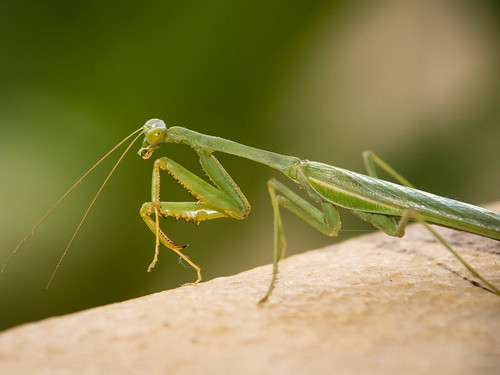
praying mantis

Unsung Heroes
“I'm obsessed with insects, particularly insect flight. I think the evolution of insect flight is perhaps one of the most important events in the history of life. Without insects, there'd be no flowering plants. Without flowering plants, there would be no clever, fruit-eating primates giving TED Talks.” (Michael Dickinson) 

Paul Manning, a doctoral student in zoology at the University of Oxford, describes insects as “the unsung heroes, the little things that run the world” but urges people to move beyond their functional importance to a broader appreciation of insects: “When we experience the fascinating world of insects firsthand, the dominant dialogue of ‘insects as ecosystem service providers’ begins to shift. Instead, we start to recognise the beauty, mystery and wonder of the insect world for what it is: beautiful, mysterious and wonderful. Through building a stronger appreciation of the important inherent value of insect biodiversity, hopefully ‘what do they do for us?’ will share more space with ‘what can we do for them?’ ”

* The recent analysis of declining insect populations published in Biological Conservation was a review of recent literature, but its choice of search terms meant it only included articles that reported a decline in insect populations and reported primarily on the northern hemisphere.

Tuesday, 12 February 2019

EcoSask News, February 12, 2019

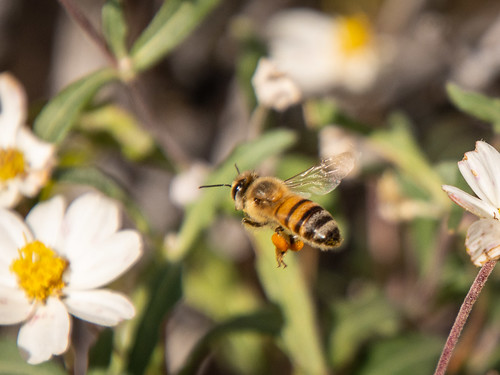
honey bee

Upcoming Events
Waterfowl & Wetland Conservation, Feb. 15 (Saskatoon)
Howie Harshaw will share insights from waterfowl hunter and birdwatcher surveys into the human dimensions of waterfowl and wetland conservation at 3:30 pm, Feb. 15, as part of the WildEcol seminar series at the U of S.

Repair Café Prince Albert, Feb. 16 (Prince Albert)
Share and learn skills to repair things at Repair Café Prince Albert from 1-4 pm, Feb. 16.

Wascana Solar Co-op Group Buy, Feb. 16 (Regina)
Wascana Solar Co-op’s next group buy will be opening on Feb. 16 and will close Mar. 31. Contact groupbuy@wascanasolarco-op.com to apply and for additional information.

South American Birds, Feb. 18 (Regina) 
Ed Rodger will give an overview of the South American pampas and birds from 7:30-9:30 pm, at the Feb. 18 meeting of Nature Regina.

Urban, Native & Invasive Plant Species, Feb. 19 (Regina) 
Join WUQWATR from 1-4 pm, Feb. 19, at the Sunrise Library for an information session about urban, native, and invasive plant species. There will be family-friendly activities such as seed planting. Contact WUQWATR at 306-529-5125 or Courtney@wuqwatr.ca to reserve your free spot!

Bridging the Gap, Feb. 19 (Saskatoon) 
Climate Justice Saskatoon will share their experience talking to people in the coal-producing communities of Estevan and Coronach from 7-8:30 pm, Feb. 19, as part of the Sustainable Speaker Series organized by the Saskatoon Public Library and the Saskatchewan Environmental Society.

Composting at Innovation Place, Feb. 19 (Saskatoon)
Saskatoon’s Innovation Place has launched a pilot organic waste management program. Tenants can find out more about this program at lunchtime on Feb. 19.

A full list of upcoming events can be found on the EcoFriendly Sask Calendar 

honey bee

In the News
The Electronic Recycling Association's Saskatoon depot collects unwanted/malfunctioning computers and electronic devices and donates the refurbished items to Canadian charities.

Premier Scott Moe has likely already won big by taking on Prime Minister Justin Trudeau on the carbon tax.

It's not enough to simply establish an urban nature reserve. It will require ongoing monitoring and community education. A bronze statue of a beaver wouldn't hurt either.

Gathering customer feedback is vital for non-profits as well as businesses.

EcoSask News is a weekly round-up of local news and events. Email us if you have items you would like us to include. 

You can follow EcoFriendly Sask by liking us on Facebook, following us on Twitter, or by email (top right corner).

Thursday, 7 April 2016

Why Buy If You Can Borrow Or Repair?


Across Canada, groups are creating alternatives to the traditional consumer economy. Here are just a few examples of organizations that are modelling a sharing economy.

City Park Toy Library, Saskatoon 
The City Park Toy Library is a volunteer-run non-profit lending toys to families in all parts of Saskatoon. The Library currently houses over 200 toys suitable for children from 6 months to 6 years old. Families can borrow up to 3 toys for one month. The Library is currently open from September through June on Friday mornings from 10-11:30 and one evening a week.

The Toy Library is not just a lending library; it is also a place for children to play or complete a craft and for parents/caregivers to visit and have a cup of coffee or tea.

Thirty families are members of the Toy Library, which is currently located in City Park School, but this space isn’t permanent and the volunteers are waiting to learn Saskatoon Public Schools’ plans for the school.

The City Park Toy Library provides families with an alternative model to traditional consumerism. Rather than purchasing expensive toys that children will quickly outgrow, they can be shared and enjoyed by many. In addition, the Library diverts toy packaging waste from the landfill, models sustainable living, and builds community.

(EcoFriendly Sask provided the City Park Toy Library with a $500 grant in 2015 to purchase additional toys, particularly large ride-on toys that are popular with families.) 


Bridge City Bicycle Co-op, Saskatoon 
The Bridge City Bicycle Co-op (BCBC) is a volunteer-run, non-profit cooperative. As part of the Bike Collective Network, their goal is to help people learn about bicycles and to build community around promoting sustainable transportation. The Co-op offers a drop-in workspace, tools and supplies, and participatory bicycle maintenance education.

Youth and adults of all ages can come and learn how to fix their own bicycles or build a bicycle using donated frames and parts. Workshops range from bicycle mechanics to winter cycling. The group is currently working with Saskatoon Cycles and the Saskatoon Open Door Society to offer a cycling workshop (bike mechanics and how to ride safely in Saskatoon) for newcomers.

BCBC organizes Bike to Work Day and promotes cycling in Saskatoon. Their Facebook page offers a wealth of cycling information.


Tool Libraries 
Tools for construction and home repairs are expensive and may only be used once or twice. They can also take up a lot of space if you’re living in an apartment or rental accommodation. Non-profit tool lending libraries provide an alternative to individual purchases with a pool of tools that can be borrowed as and when needed.

There are non-profit tool libraries right across Canada. Here are two of them.

The Vancouver Tool Library has over 1,500 members. They lend out an extensive supply of tools for carpentry, metalwork, plumbing, and more. Hand tools can be borrowed for no charge while power tools can be borrowed for $2 per tool, per loan period. The Library also hosts a variety of workshops from building a birdhouse to drop-in sewing.

The Toronto Tool Library has over 5,000 tools available for loan ranging from home repair to gardening and bicycle repair, to high-tech 3-D printers and an open-source laser cutter. Members can use the Library’s wood shop during weekly community nights and supervised shop hours on Saturdays following completion of the wood shop safety certification. The Toronto Tool Library has three locations and has recently partnered with the Toronto Public Library to open a fourth at the Downsview Public Library.

The Sharing Depot 
The Toronto Tool Library has recently completed a successful fundraising campaign to establish Canada’s first library of things. The Sharing Depot plans to loan “camping equipment, board games and sports equipment, house party supplies and even kids toys.” They also expect to host monthly swapping events.


Repair Cafés 
When an electrical appliance breaks down or the leg falls off a chair, many of us don’t know how to fix it and think that the only option is to buy a new one. But that can create a tremendous amount of waste and is often unnecessary. Every community has people who are good with their hands who are pleased to share those skills and help others repair things that are broken. It’s a chance to save money, reduce waste, and pass along valuable skills.

The first repair café was held in Amsterdam in October 2009. There are now over 1,000 around the world.

Repair Café Toronto hosts monthly gatherings in which volunteer “fixers” help visitors learn how to repair for free. The events are hosted by local community centres, branches of the Toronto Public Library, and other community-based organizations.

Repair Café Toronto “supports the model of the sharing economy through building a community where people with repair skills are valued and organizations collaborate and innovate for the common good.”

The Regina Public Library hosted its first repair café in March 2016.

Additional Resources 
Share, Swap and Borrow Your Way to Zero Waste
How to Saw off the High Costs of Owning Tools (Ottawa Tool Library)
How to Host a Repair Café
How Farnham UK’s Repair Café Takes a Bite out of Waste
Where Does Discarded Clothing Go?
The Rise of Mending: How Britain Learned to Repair Clothes Again
The Sharing Depot: Canada's First Library of "Stuff"

Photo Credit: City Park Toy Library, Bridge City Bicycle Co-operative, Vancouver Tool Library, Repair Café Toronto

Tuesday, 17 March 2015

EcoSask News, March 17, 2015

Untitled
Go green for St. Patrick's Day!

Upcoming Events
Land and Resource Extraction, Mar. 20
There will be a panel discussion on the social and environmental impacts of extraction and the opportunities for collective action at 7:30 pm, March 20, in the Education Student Lounge, Education building, U of S.

Protect the Pollinators Tour, Mar. 26
Join Sierra Club Canada and the Saskatchewan Environmental Society for a discussion on pollinators and pesticides from 7-9 pm, Mar. 26, at the J.S. Wood Library.

EcoBash, Mar. 28
The Environmental Studies Student Association will be hosting an EcoBash for the entire community on Mar. 28 at the Capitol Music Club. Revenge of the Trees will be headlining the show. The event is a fundraiser for the Saskatchewan Environmental Society's solar power cooperative. Tickets are $20 at the door or $15 in advance and can be purchased at the Capitol Music Club or at The Better Good on Broadway.

Healthy By Nature, May 25
Why do hospital patients who look out on trees recover faster than those who don't? Why do children who play outdoors learn faster and remember better than those who are stuck inside? Why is time spent in nature so critical for our health and well-being?

Find out how you can be Healthy by Nature from Dr. Shimi Kang and Cam Collyer, at 7 pm, Monday, May 25, at the Broadway Theatre. Dr. Kang, the director of Child and Youth Mental Health in Vancouver, is the author of the best-selling book The Dolphin Way: A Parent’s Guide to Raising Healthy, Happy and Motivated Kids Without Turning into a Tiger. Cam Collyer, Program Director of the Evergreen Foundation, is the go-to guy on creating places where kids can go wild.

Healthy by Nature is the keynote event of the third annual NatureCity Festival.


Green Your Rooftop
Spring is (hopefully) just around the corner. If you are looking for ways to green your home, you might want to add a green roof. Michael Molaro, Higher Groundwork HortiCulture, has some excellent examples on his website. Or you can check out last year’s interview with Michael.

News
The University of Saskatchewan is switching to LED lighting.

A Regina group is signing up support for residents’ right to a healthy environment inspired by David Suzuki’s Blue Dot campaign.

Millennials believe that efforts to address climate change can grow the economy.

EcoSask News is a weekly round-up of local news and events. Email us if you have items you would like us to include. Additional upcoming events can be found on our Calendar

You can follow EcoFriendly Sask by liking us on Facebook, following us on Twitter, or by email (top right corner).

Thursday, 15 May 2014

Protecting and Constructing Urban Wetlands


“We lose an average of 28 acres of wetlands a day in Saskatchewan,” says Barbara Hanbidge, Education Specialist, Ducks Unlimited Canada. “That’s 10,000 acres a year and it doesn’t include the wetlands that are degraded.”

For so many years, we have taken water for granted. We used it and then threw it away. But last year’s floods in Alberta were a sharp reminder that water is a powerful force. “Flood, drought, water quality, wetlands – it’s all connected, and it’s our collective responsibility,” says Joan Feather, President, Saskatoon Nature Society.

Wetlands are areas where the soil is saturated with water for at least some time in the growing season. They range from temporary wetlands in a low-lying areas to wet meadows, shallow and deep marshes, and permanent open water. The whole ecosystem is effected by the water, changing the soil and providing a home for water-tolerant plants. Wetlands provide a breeding ground for waterfowl, a source of water for wildlife, and provide a home for a wide variety of plants and insects, including dragonflies and damselflies that devour large quantities of mosquitoes.

Wetlands also play a critical role in preventing erosion, controlling flooding, improving water quality, recharging ground water supply, and creating mini climates that are cooler in summer and warmer in autumn. “Wetlands are like sponges,” says Barb. “They can absorb and improve water quality by filtering it through plants and, by holding water and slowing down the flow, soil and other materials being carried in the water will fall to the bottom of the wetland.”

In rural areas, property owners drain wetlands to create more land for farming. This causes downstream flooding and erosion. Fertilizer, herbicides, and pesticides end up in the river systems creating problems downstream rather than remaining on the land.

Sudden rainstorms can overwhelm urban storm water drainage systems causing flooded basements and sewer backup. Urban wetlands can play a key role in slowing down and absorbing the water. In addition, people like living near bodies of water. Some of the most expensive houses in Saskatoon back onto wetlands, such as those near Hyde Park in Rosewood.

Untitled

Balancing Competing Interests
Saskatoon’s rapid growth over the past few years has led to a buying frenzy with developers eager to buy land, build houses, and turn a profit. Insufficient attention has been paid to long-term community needs for maintaining and developing wetlands as part of a comprehensive strategy to protect our water, our land, and all its inhabitants.

In 2006, the Saskatoon Environmental Advisory Committee proposed the development of a wetlands policy as part of the Official Community Plan which guides the city’s growth at the strategic level. It was a slow process as the value of wetlands was not well understood. “There weren’t a lot of examples from other municipalities to serve as models of best practice,” says Chris Schulz, a Senior Planner for the City of Saskatoon. “There were also differences of opinion among stakeholders as to what was needed.”

In 2012, it was agreed to introduce a policy framework that would provide broad guidelines rather than rigid rules. Urban development should strive to:
  • “Avoid impacts to wetlands, where reasonably possible, with particular consideration given to significant wetland resources;
  • Minimize impacts to wetlands where avoidance cannot be fully achieved; and
  • Undertake compensatory mitigation for any impacts to wetlands that occur as a result of development.”
The Northeast Swalewatchers has expressed concern that the policy is not sufficiently robust. They do not believe that the policy adequately recognizes the “vital ecological functions of wetlands, from sustaining biodiversity, to enhancing water quality.” They are also concerned that the policy language is ambiguous: “Use of the words ‘may’ and ‘possible’ and ‘should’ rather than ‘will’ and ‘shall’ suggests the policy can be loosely interpreted without penalty.” The group also recommended greater clarity around monitoring, enforcement, and penalties.

Chris Schulz, City of Saskatoon, says that the policy is intended to be flexible but that it also adds uncertainty for the development community. “Everything is on the table on a case-by-case basis,” he says. “This uncertainty means that the community, developers, and administration have an incentive to work together to achieve a reasonable balance. The Wetland Policy ensures that wetlands are a significant consideration during the neighbourhood planning and development process.”

The policy framework that is currently in place is only the first stage in policy development. During Stage 2, the City will prepare Design, Development, and Management Guidelines for Wetlands and Constructed Wetlands. Stage 3 – Education, Ongoing Management, and Monitoring – will follow.


Brighton
Chris Schulz believes that the City has successfully achieved a balance in developing the concept plan for the new community of Brighton. Dundee Developments voluntarily agreed to undertake a demonstration project to see how well wetland principles could be applied in developing this area. Dundee conducted a wetland inventory and developed a storm water management plan that included a number of wetland areas.

Unfortunately, the current wetlands are at too high an elevation to effectively drain the new neighbourhood. As a result, Dundee proposed removing the existing wetlands, lowering the elevation, and reconstructing them in more or less the same location using the original soil as much as possible. Barbara says replacing the original soil can be highly effective. “Wetland plants are very resilient. They’re used to drying out, so the seeds in the sediment will stay viable for an extended period.”

“There will be some net loss of wetland area,” Chris says, “but the constructed wetlands will have the benefit of some permanence, even during dry spells.” In addition, Dundee is proposing to use low-impact development techniques, such as permeable surfaces and a swale in the median on McOrmond Drive to assist with storm water drainage and help compensate for lost wetlands.

Aspen Ridge
Aspen Ridge, another new neighbourhood that is in the planning stage, does not contain any wetlands, but it adjoins the Northeast Swale and must conform to the Swale guidelines. Chris explains that the Swale can be used for storm water management but only under specific conditions and at certain locations. “Aspen Ridge will have a retention forebay to pre-treat runoff and reduce the sediment going into the Swale,” Chris says. A greenway will provide a buffer zone and local storm water management between the Swale and adjacent development.


Urban Wetland Construction
Conventional storm water ponds may effectively manage storm water, but there can be drawbacks. Neatly mowed lawns attract flocks of Canada geese, and algae coat the surface because there aren’t sufficient plants to absorb the nutrients.

This was a problem for Winnipeg, which has no natural wetlands and is prone to flooding. The city turned to Native Plant Solutions, the for-profit wing of Ducks Unlimited Canada, to help them out. Native Plant Solutions has now designed and installed over 60 storm water retention ponds in Winnipeg. The ponds are surrounded by a tall grass prairie buffer and look like they’ve been there forever. They’re attractive naturalized parks, and they’re doing a better job of managing storm drainage and improving water quality.

The native upland buffer zone intercepts excess nutrients, and mixed vegetation in the shallow areas helps clean the water as it enters the pond. Construction costs (for the Winnipeg examples) are lower than for conventional storm water ponds, and, once they’re established, native grasses require less maintenance (mowing, fertilizing), so the naturalized ponds and associated upland areas reduce annual municipal expenses.

New homeowners in Winnipeg neighbourhoods with a constructed wetland receive an information package explaining the naturalized approach and there is interpretive signage beside walkways and benches around the ponds.

Hyde Park, in Saskatoon’s new Rosewood neighbourhood, contains a string of natural wetlands that have been adapted to also serve as a storm water retention pond. The ponds are linked to ponds in neighbouring areas, finally draining into the South Saskatchewan River. A large area has been seeded with native grasses and forbs, and Ducks Unlimited Canada and the Saskatoon Wildlife Federation hope to use one of the ponds as an outdoor classroom and education centre.

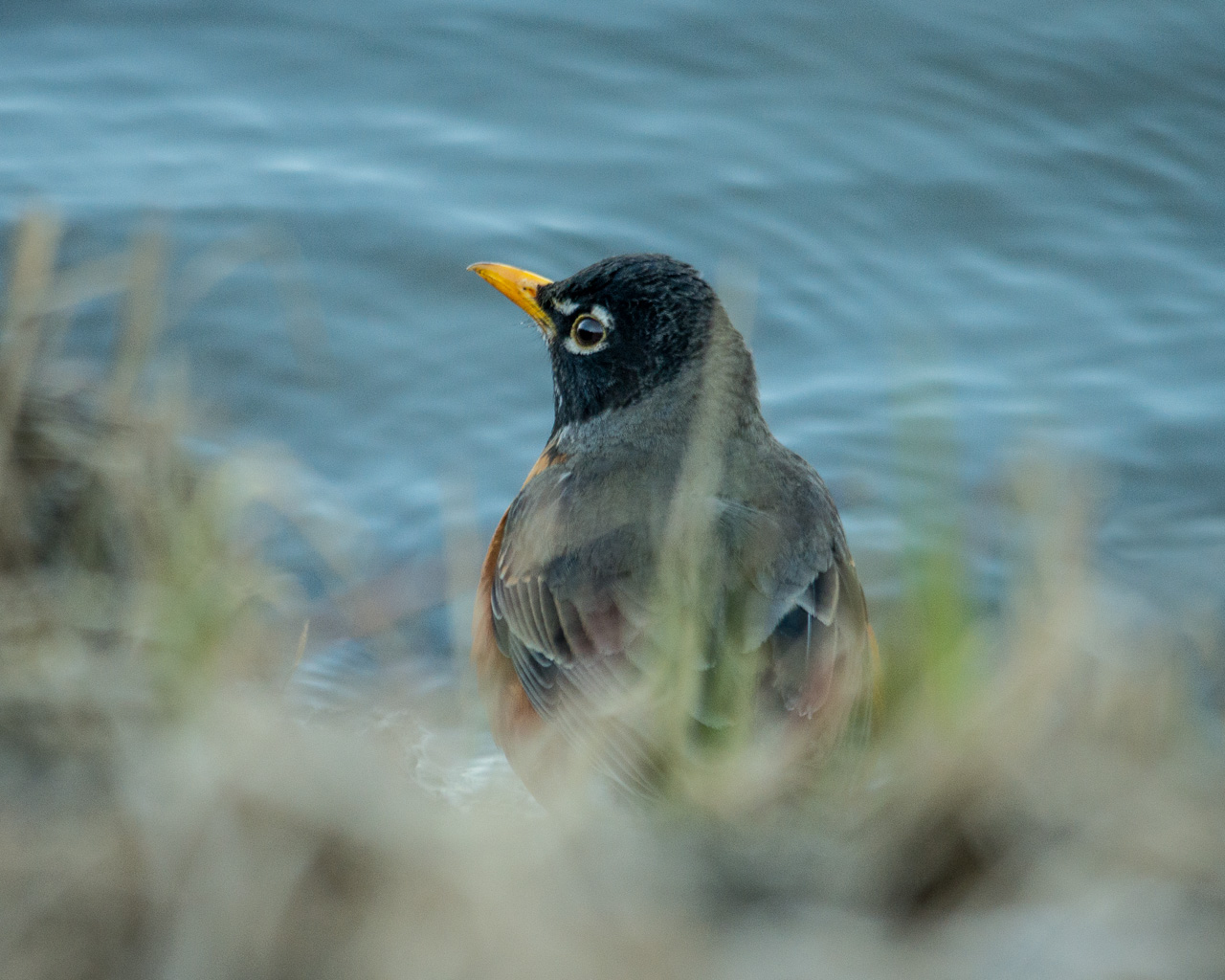
American Robin

Education
Barbara Hanbidge, who was a member of the Saskatoon Environmental Advisory Committee for six years, says that the importance of wetlands is a new idea for Saskatchewan and emphasizes the importance of education. “We need to consider everyone’s education needs – the City, developers, residents. It can be a very slow process,” she says.

“We’ve suggested to the City that they partner with groups like Ducks Unlimited and the Saskatoon Nature Society to develop education strategies on the functions and importance of wetlands,” says Joan Feather.

The upcoming NatureCity Festival provides several opportunities to learn more about our local wetlands. There is a Wetlands Workshop for teachers, tours of Chappell Marsh, and a keynote address by Michelle Molnar of the Suzuki Foundation.

For more information:
Giving Nature a Voice at the Urban Planning Table: Saskatoon's Northeast Swale
Nature in our Backyard: Saskatoon’s Naturalized Parks

Photo credits: Barbara Hanbidge: constructed and naturalized wetlands in Winnipeg, fall 2013; Andrew McKinlay: duck and robin, 2014

Tuesday, 11 February 2014

EcoSask News, February 11, 2014

seeds

Events
Family Week at the Creek, Feb. 17-21
Learn about the local owls and make an owl-inspired craft at Beaver Creek from February 17-21. Join an interpreter for a hike on Sundays at 2:30 pm.

Permaculture Potluck, Feb. 20
Raising chickens, buying land outside the city, and urban agriculture – join the Permaculture Research Institute at their monthly potluck on February 20 to learn more about these local experiences. Eggs for sale and a seed exchange as well.

Birds in the Parks, Feb. 22
Join the Saskatoon Nature Society as they look for songbirds in Lakeview and Heritage Parks on February 22.

Shaping Saskatoon, Feb. 25
Have your say in shaping Saskatoon’s future. Provide input on options that will shape future growth, such as rapid transit, managing growth along corridors, and improving travel across the river on February 25 (10 am - 1 pm or 6-9 pm).

Financial Statements & Audit Prep, Mar. 7
KPMG and the United Way of Saskatoon & Area are presenting a breakfast seminar on Financial Statement Basics and Audit Preparation for Not-for-Profits on March 7. Contact Brianna Bergeron at 306.934.6263 for further information.

Below Zero, Regina, Mar. 15
Join the SOEEA for a snowy safari on a Below Zero workshop in Regina on March 15. Below Zero is an educational program designed to promote understanding of wildlife under winter conditions.

Untitled

Take Action
We can make a difference. We just need to take action:

Use art to shape your message. Green Patriot Posters are inspired by WWII era propaganda. Contribute your own design or vote for your favorite.

Don't forget you can apply for an EcoFriendly Action Grant to support your project.

Thumbs Up
7 ways to help species at risk [infographic]

Mitigating oil and gas impacts on PFRA community pastures [fact sheet]

Community gardens and farmers markets do more than just provide food. They also build community and increase public safety

EcoSask News is a weekly round-up of local news and events. Email us if you have items you would like us to include. Additional upcoming events can be found on our Calendar.

You can follow EcoFriendly Sask by liking us on Facebook, following us on Twitter, or by email (top right corner).

Thursday, 2 January 2014

Sustainability in Saskatoon: 2013 in Review and Future Trends

Untitled

Highlights of 2013
Saskatoon and Saskatchewan celebrated some major achievements in 2013.

Diversity and Collaboration
NatureCity Festival debuted in May 2013 and was a huge success. Over 70 groups hosted more than 75 events. Activities ranged from birding and flash planting mobs to a Slow Food dinner, a medicine walk, and a presentation on grey wolves.

The Festival was a very public celebration of local nature, involving people of all ages and backgrounds. In addition, it was heartening to witness diverse organizations banding together in a common cause.

A second NatureCity Festival, scheduled to run from May 25-31, 2014, is currently in the planning stages. 

A Voice for Nature 
The Northeast Swale Watchers is a group of concerned citizens intent on preserving a healthy swale for future generations. They brought their expertise (birds, wildlife, native plants, wetlands, etc.) to the planning table, assisting the City of Saskatoon and the Meewasin Valley Authority in preparing development guidelines for the Swale.

The growing awareness and understanding of the value of natural areas has added a new dimension to urban planning in Saskatoon.

The Northeast Swale Watchers continue to speak out on related issues, such as neighbourhood development plans and wetland policies, demonstrating the importance of knowledgeable, independent advocates for nature. 

Prairie Pastures 
In Spring 2012, the federal government transferred ownership of the PFRA pastures to provincial control. The Province of Saskatchewan is putting the lands up for sale or lease to patron groups.

Ranchers and environmentalists spoke out strongly against the provincial government’s plans and worked hard to explain to politicians, government officials, and the public at large the importance of safeguarding the well-being and legacy of the province’s publicly-owned grasslands. Pasture advocates held public meetings and educational events and initiated significant media coverage of the issues.

As a result, more people than ever before are aware of the intrinsic value of prairie grasslands and virtually all of the land will remain publicly owned for the time being.

Urban Agriculture 
Support for local food and urban agriculture continues to grow. New community gardens open every year; more and more schools are planting vegetable gardens; and a number of farmers are successfully employing SPIN Farming principles.

In 2013, EcoFriendly Sask provided financial support for CHEP’s Backyard Garden Sharing program as well as several school garden projects.

The urban agriculture trend is expected to continue to grow in 2014. We hope that greater attention will also be given to protecting the agricultural land surrounding the city.


sunrise

Looking Ahead to 2014 
Saskatoon Community Wind 
Saskatchewan relies on coal as its primary energy source, despite the associated heavy impact on the environment. Saskatoon Community Wind offers a green, locally-owned alternative and has tremendous potential.

After developing significant public support in 2013, we hope that Saskatoon Community Wind’s plans will begin to bear fruit in 2014.

Green Builds 
There is increasing support for sustainable building and renovation practices.

Innovation Place has led the way with two of the first three LEED-certified buildings in Saskatchewan. Their choice of building materials, use of alternate energy sources, water conservation measures, and more demonstrate their support for sustainable building practices.

An increasing number of individuals and developers are incorporating solar panels and superior insulation in their homes and projects. The City of Saskatoon plans to start monitoring energy usage in all their buildings as a first step towards more rigorous energy usage policies.

Information about green building practices and alternate energy sources is available but is not always easily accessible. There is a need for a more unified information source and opportunities for interested individuals to ask questions and share information. A green building tour would be a valuable initiative. 

Urban Transit 
The cycling community has led the way in promoting alternate forms of transportation. This issue will continue to attract attention in 2014 and should lead to increased awareness of the need for better facilities for pedestrians and bus passengers as well. 

Truck sales in Saskatchewan are triple the national averageIt’s time to question the need for such large, inefficient vehicles in an urban environment.

Tuesday, 27 August 2013

EcoSask News, August 27, 2013

river otter
River otter at Kingsmere Lake
Birds, Birds & More Birds
Join the Saskatoon Nature Society on their frequent field trips. Additional information is available on their website.
September 2 – Last Mountain Lake Sanctuary (7 am – 10 pm)
September 7 – Fall Bird Count
September 15 – Fall Picnic and Birding at Blackstrap Lake (2-7 pm)

Better Block, Sept. 8
Jason Roberts, co-founder of the Better Block project will speak about building communities at 2:30 pm, September 8, at Third Avenue United Church.

Following the talk, a Dixieland jazz and bike parade will head to the Drinkle3 (event sponsor) building at 115 3rd Avenue South for a Better Block party with demonstrations of Jason’s ideas, live music and entertainment.

Enviro Book Club, Sept. 10
The Saskatchewan Environmental Society’s book club will meet at 7 pm on September 10 in The Common at the Two Twenty building on 20th Street West to discuss Walden by Henry David Thoreau.

OMG! GMO!, Sept. 24
Mark Lynas will speak on Sustainable Agriculture: GMOs, Organic, and How to Feed the World at 7 pm on September 24. Mark helped spur the anti-GM movement in the ‘90s; he now believes that biotechnology and genetic modification are important tools that can be used to benefit society and the environment.

Grassroots Power in the Age of Extreme Energy, Oct. 25-27
The Council of Canadians will hold their annual meeting in Saskatoon from October 25-27. The theme of this year’s conference is the power of communities in Saskatchewan and across Canada to stand up to corporations and governments to protect our shared environment, our jobs and the democratic process. Registration closes October 17.

Untitled

Building Saskatchewan Green, Oct. 25
This year’s Building Saskatchewan Green conference, October 25, will focus on Neighbourhood Revitalization and the Role of Building Green. Topics include designing for solar energy, high density living, and building on brownfields. The keynote speaker, Ray Cole, will speak on Shifting Performance Expectations: Net Positive Buildings.

Saskatoon CarShare Co-operative
The Saskatoon CarShare Co-operative is now selling memberships. The service will launch this fall and will initially service the Nutana, Buena Vista, and Varsity View neighbourhoods.

Interesting Reading
It takes a lot of water to produce the food we eat and drink (e.g. 230 litres of water for one 200 ml glass of apple juice)

An insatiable appetite for transportation infrastructure stops us from looking at alternatives

Ducks Unlimited Canada will help define woodland caribou habitat in Saskatchewan

The Remai Art Gallery has been designed to obtain LEED Silver status, chiefly through using less energy

A close-up look at wasps – what they eat, how they lay their eggs

EcoSask News is a weekly round-up of local news and events. Email us if you have items you would like us to include. Additional upcoming events can be found on our Calendar.

You can follow EcoFriendly Sask by liking us on Facebook, following us on Twitter, or by email (top right corner).

Tuesday, 30 July 2013

EcoSask News, July 30, 2013

Butterflies, Shorebirds & Wildflowers
American Robin with bug Join the Saskatoon Nature Society on their frequent field trips. Additional information is available on their website.
August 4 – Butterflies IV
August 5 – Lucky Lake Shorebirding (bring a lunch and rubber boots)
August 10 – Cranberry Flat Wildflowers

Food Preservation, August
CHEP Good Food Inc. is sponsoring canning workshops and demos on August 7, 14, and 21.

On August 10 and 24, from 10 am to 4 pm, the kitchen at Station 20 West will be available for 5 people who are experienced in food preservation.

Phone 306.655.4575 to register and for information about additional workshops that are in the planning stage.

The Better Good Yard & Home Walking Tour, Aug. 18
The Better Good is organizing a yard + home walking tour to look at ways of living green and providing for yourself in Saskatoon – backyard chickens, intensive gardens, solar homes, permaculture.

SWRC Fall Workshops, Sept. 24-26
The Saskatchewan Waste Reduction Council is holding fall workshops in Yorkton, Melfort, and Swift Current on September 24, 25, 26. Topics will include multi-material recycling, hazardous waste, composting, and agricultural plastic.

Below Your Watershed, Oct. 21-23
Below Your Watershed: Your Connection to the River and Groundwater conference will be held in Medicine Hat from October 21-23. The conference will explore topics such as extreme weather, sustainable economic development, unregulated constituents and their impact on water quality.

New! Kids in Nature Grants
The Saskatoon Nature Society (SNS) has established a grant program called Kids in Nature to strengthen existing programs and encourage new ones that reconnect kids with nature. Each spring SNS will invite applications from existing or new programs and select one or more for financial support. More details about the grant process will be announced in the fall.

You’re invited to contribute to the program and help it grow.

Volunteers Wanted: Fruit Harvesting
Out Of Your Tree is looking for neighbourhood coordinators and volunteers to cooperatively harvest local fruit trees, putting the fruit to good use rather than leaving it to go to waste.

Environmental Education
Northern FlickerOrion has added a new title to its Nature Literacy series of environmental education books. Place-Based Education emphasizes connections among schools, community, and the environment.

Interesting Reading
BC’s carbon tax is reducing fossil fuel use while the economy thrives

Can mining be sustainable - yes or no?

Is the future of conservation about managing change rather than stopping it?

Protecting Saskatoon’s urban forest - SNS position paper on clear cutting in Cosmopolitan Park

Top 10 iPhone apps to access on your nature walk

EcoSask News is a weekly round-up of local news and events. Email us if you have items you would like us to include. Additional upcoming events can be found on our Calendar.

You can follow EcoFriendly Sask by liking us on Facebook, following us on Twitter, or by email (top right corner).

Tuesday, 14 May 2013

EcoSask News, May 14, 2013


March Against Monsanto, May 25 
As part of the May 25 International Day of Action against Monsanto, there will be a march in Saskatoon starting at noon in Kinsmen Park.

River Clean-Up, May 26
PlasticSmart Saskatoon is holding their first river bank clean-up on May 26 at 11 am. Meet in the metered parking lot behind the Diefenbaker Canada Centre.

Nature Conservation Volunteers 
You’re invited to join the Nature Conservancy of Canada in caring for our natural places. Contact the NCC for full details.
June 1 – Buffalo Valley Bioblitz
July 13 – Edenwold Bio-Inventory
July 20 – Reed Lake Important Bird Area Stewardship Blitz
August 9 – Count and Cuddle Leopard Frogs
August 17 – Old Man on his Back
August 22 – Maymont Walk on the Wild Side

Wilderness Navigation, June 2
CanoeSki is offering a Wilderness Navigation and Orienteering Course on June 2 from 8:30-4:30. There will be a classroom session in the morning and an outdoor session in the afternoon.

Birdwatching
Join the Saskatoon Nature Society on their frequent birdwatching field trips. Additional information is available on their website.
May 20 – Shorebirds southeast of Saskatoon
May 22 – Warbler migration at Cosmopolitan Park
May 25 – May Day Bird Count

Nocturnal Owl Survey 
Saskatchewan is home to 11 different species of owls at different times of the year. Seven of them can be heard on the Saskatchewan Nocturnal Owl Survey. If you’d like to participate, contact Alan R. Smith at Environment Canada.


Chaplin Lake Tours
The Chaplin Nature Centre offers two-hour tours by bus of Chaplin Lake on a regular basis between May 18 and August 31. See a variety of shorebirds and learn about the sodium sulphate mine and brine shrimp industry. They offer additional longer tours of the surrounding area.

Books and Films
Community Pastures: Red Hat Studios would like to make a film about Saskatchewan’s community pastures. Contribute now to help them achieve their goal.

Kids' Books: Elin Kelsey has written a number of award-winning books for kids to help them understand that they are part of the natural world. You Are Stardust and Not your Typical Book about the Environment are two of them. Jane Goodall says, “Elin Kelsey has produced a highly engaging book, pointing out surprising connections between kids’ lives and the rest of the planet. The illustrations are fantastic and make a complex subject—conservation and sustainable living—easy to understand. A wonderful book for educating children—and adults—about the environment.”

Urban Agriculture: Farming the City: Food as a Tool for Today’s Urbanization is designed to provide urban farmers around the world with a platform to share ideas and inspiration. A central message of the book is how food can be used as a tool for urban development. (via Pop-Up City).

History of a Movement: A Fierce Green Fire, a film based on a book of the same title, documents the history of the environmental movement over the past 50 years. The film points to two events that helped spark the movement: the environmental disaster at Love Canal and Greenpeace’s efforts to stop whaling ships.

EcoSask News is a weekly round-up of local news and events. Email us if you have items you would like us to include. Additional upcoming events can be found on our Calendar.

You can follow EcoFriendly Sask by liking us on Facebook, following us on Twitter, or by email (top right corner).

Tuesday, 9 April 2013

EcoSask News, April 9, 2013

Canada geese

Birdwatching
Spring Gull Viewing, Apr.10 - Look for interesting species of migrating gulls on the sandbars along the river

Sharp-tailed Grouse Dance, Apr. 20 – Get up early (4:30 am) to see this prairie spectacle

Crocus Hike to Peturrson Ravine, Apr. 21 – Hike may be postponed due to a late flowering season

Further information is available on the Saskatoon Nature Society’s website.

The Amazing Lives of Tree Swallows, Apr. 18
Join the Saskatoon Nature Society at 7:30 pm, April 18, in Room 106 of the Biology Building, U of S, to hear Vanessa Harriman speak about the “lab mice” of avian studies – the Tree Swallow.

CISV Spring Camp, May 24-26
CISV Saskatoon is holding a Back to Basics Mini Camp for young people ages 8 to 21 from May 24-26. The camp will be held at the Shekinah Retreat Centre in Waldheim and will focus on learning how to live the green life and “Think, Choose and Do” things the eco-friendly way.

vocal goose

Saskatoon Celebrates Earth Day/Week
Now here’s something to squawk about! There are so many ways to celebrate Earth Day/Week in Saskatoon.

Star Party – Apr. 20, 8 pm
Join the Royal Astronomical Society of Canada at Beaver Creek. Star gazing with telescopes will follow a presentation by Ron Waldron.

Zoo Run – Apr. 21, 9 am
Run 5 km or walk 2.5 km through the Forestry Farm and past the animals and support the Saskatoon Zoo Society's educational programming.

SES Earth Day Celebration  – Apr. 22, 3:30-9:00
The Saskatchewan Environmental Society and Essence Choir are celebrating Earth Day at the Saskatoon Farmers’ Market. There will be food, music, and lots of indoor and outdoor activities.

Birdwatching  –  Apr. 22, 4:15-5:45
Celebrate Earth Day activities at the Farmers’ Market and then walk to the river to look for early spring birds with members of the Saskatoon Nature Society.

SENS Earth Day Lecture – April 25, 7 pm
The School of Environment and Sustainability is hosting a talk by Dr. JoAnn Carmin, MIT, on Planning Climate-Resilient Cities at Station 20 West.

Collectively Green Sale, Apr. 27, 10 am – 5 pm
All the products will be planet friendly – organic, natural, reclaimed, recycled, upcycled, or used – at the Collectively Green Sale & Celebration at Grace-Westminster United Church. There will be food and music as well.

EcoSask News is a weekly round-up of local news and events. Email us if you have items you would like us to include. Additional upcoming events can be found on our Calendar.

You can follow EcoFriendly Sask by liking us on Facebook, following us on Twitter, or by email (top right corner).